
Autism Animal & Pet Therapy
Discover personal stories, insights, and the unique bond between individuals on the spectrum and their animal friends. Join us in understanding the human side of this therapeutic journey, where animals become partners in healing, offering unconditional support and joy to those navigating the world o
The Power of Animal Therapy
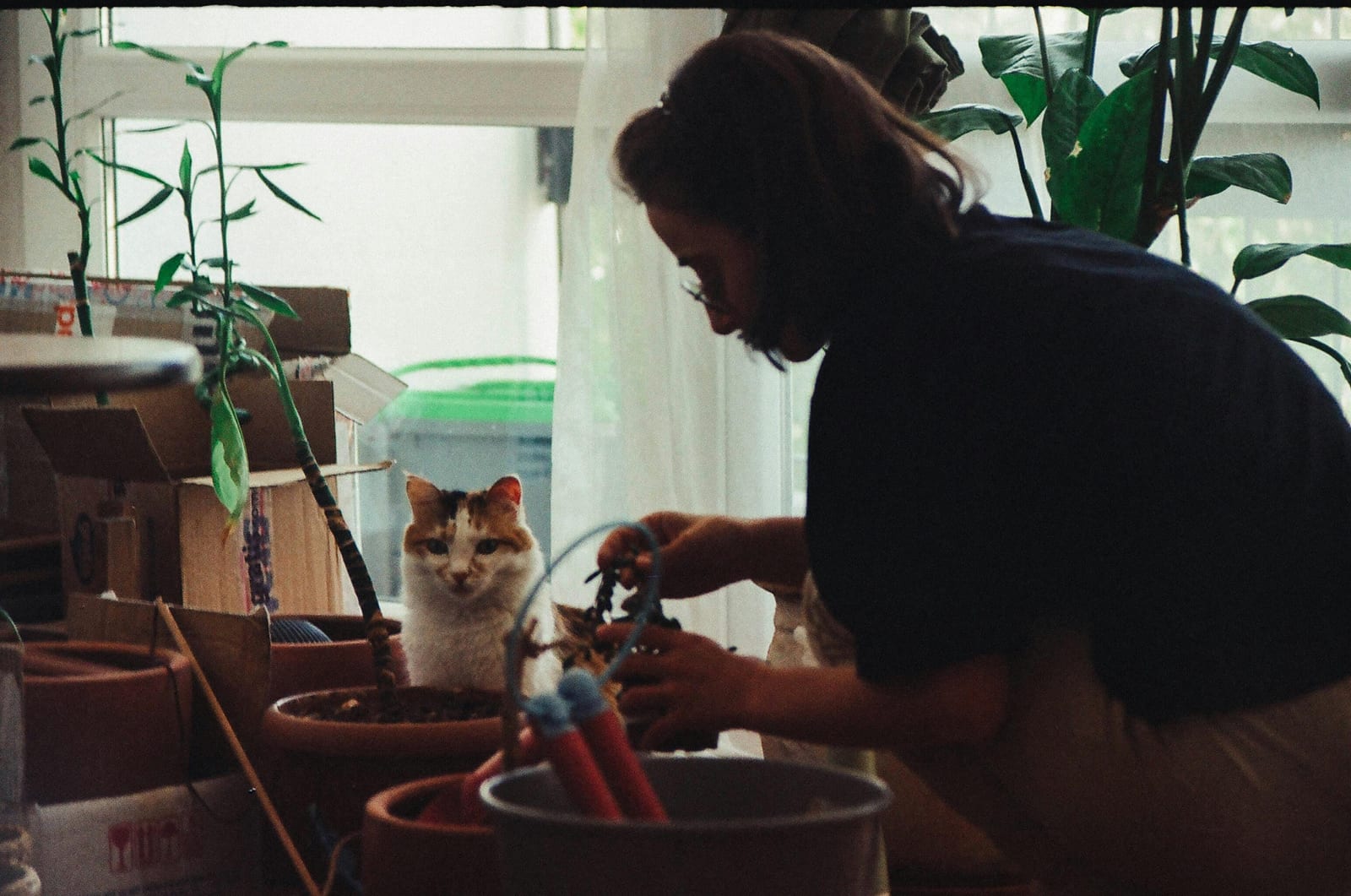
Animal therapy has proven to be a powerful and transformative intervention for individuals with autism. Through the use of specially trained animals, autism animal therapy provides unique benefits and opportunities for growth. Let's explore the understanding of autism animal therapy and how animals can positively impact individuals with autism.
Understanding Autism Animal Therapy
Autism animal therapy, also known as animal-assisted therapy, is a therapeutic approach that incorporates animals into the treatment process for individuals with autism spectrum disorder (ASD). The goal of this therapy is to enhance physical, emotional, and social well-being by leveraging the unique bond between humans and animals.
Animals involved in autism animal therapy can include service animals, emotional support animals, and therapy animals. Each type of animal plays a distinct role in supporting individuals with autism.

How Animals Can Benefit Individuals with Autism
Animals have a remarkable ability to connect with individuals with autism in ways that human interactions sometimes cannot. Here are some ways in which animals can benefit individuals with autism:
- Improved Social Skills: Animals provide a non-judgmental and accepting presence, allowing individuals with autism to practice social skills in a safe and comfortable environment. Interacting with animals can enhance communication, empathy, and social engagement.
- Emotional Regulation and Stress Reduction: Animals have a calming effect on individuals with autism, helping them manage their emotions and reduce stress and anxiety. The presence of a trusted animal companion can provide a sense of security and emotional support.
- Enhancing Communication and Language: Animals can serve as a bridge for individuals with autism to develop and improve their communication skills. Whether it's through verbal interactions, non-verbal cues, or gestures, animals can encourage and motivate individuals with autism to communicate more effectively.
The benefits of autism animal therapy are vast, and the specific outcomes may vary depending on the individual and the type of animal involved.
The power of animals to positively impact the lives of individuals with autism is truly remarkable. By incorporating animals into therapy sessions, individuals with autism can experience a unique and transformative journey towards personal growth and development.
Types of Animal Therapy
In the realm of autism therapy, various types of animal therapy have shown immense promise in improving the lives of individuals with autism. These therapies include service animals, emotional support animals, and therapy animals.
Service Animals
Service animals are specially trained animals that assist individuals with disabilities, including those with autism. These animals undergo extensive training to perform specific tasks that help mitigate the challenges faced by individuals with autism. Service animals for autism often provide support in areas such as sensory regulation, safety, and social interaction.
Examples of tasks performed by autism service animals include alerting to potential dangers, interrupting repetitive behaviors, and providing deep pressure stimulation to help with sensory regulation. These animals can be dogs, miniature horses, or even monkeys, depending on the individual's needs and preferences.
Emotional Support Animals
Emotional support animals (ESAs) provide comfort and emotional support to individuals with autism. Unlike service animals, ESAs do not require specialized training to perform specific tasks. Instead, their mere presence offers emotional reassurance and helps alleviate anxiety, stress, and other emotional challenges associated with autism.
ESAs can be various types of animals, including dogs, cats, birds, or even rabbits. The choice of an emotional support animal depends on the individual's preferences and the therapeutic benefits they derive from their presence. ESAs require proper documentation from a mental health professional to ensure their legitimacy and access to certain privileges.
Therapy Animals
Therapy animals are typically used in therapeutic settings, such as clinics, schools, or rehabilitation centers, to provide therapeutic benefits to individuals with autism. These animals, often dogs, cats, or horses, work alongside trained therapists or professionals to assist in the therapy process.
The presence of therapy animals can help create a calming and supportive environment, encouraging individuals with autism to engage in therapeutic activities and improve their overall well-being. Therapy animals can aid in reducing anxiety, increasing social interaction, and enhancing communication skills.
Understanding the different types of animal therapy available can help individuals with autism and their caregivers make informed decisions about the most suitable approach for their needs. Whether it's the companionship of a service animal, the emotional support of an ESA, or the therapeutic benefits of therapy animals, these animals have the potential to make a profound positive impact on the lives of individuals on the autism spectrum.
Benefits of Autism Animal Therapy
Autism animal therapy has shown immense potential in improving the lives of individuals with autism. Through interactions with animals, various benefits can be observed, including improved social skills, emotional regulation and stress reduction, and enhanced communication and language.
Improved Social Skills
One of the remarkable benefits of autism animal therapy is the improvement in social skills. Many individuals with autism face challenges in social interactions and forming connections with others. However, the presence of animals can create a unique and non-threatening environment for social engagement.
Animals, such as therapy dogs and equine therapy horses, can help individuals with autism develop their social skills by providing opportunities for communication and social interaction. These interactions can be based on shared interests and emotional connections, leading to increased confidence and improved social engagement.
Emotional Regulation and Stress Reduction
Individuals with autism often face challenges in regulating their emotions and managing stress. However, animal therapy has been shown to have a positive impact in this area. The presence of animals can provide a sense of comfort and emotional support, helping individuals with autism to regulate their emotions more effectively.
Interacting with animals has been found to reduce anxiety and stress levels, promoting a sense of calmness and relaxation. Animals, such as therapy dogs and pets, can serve as reliable companions and sources of unconditional love and acceptance.
Enhancing Communication and Language
Autism animal therapy can also contribute to enhancing communication and language skills in individuals with autism. Animals provide a non-judgmental and accepting environment that encourages individuals to communicate and express themselves.
During animal-assisted activities, individuals may engage in verbal and non-verbal communication with the animals. This interaction can lead to increased motivation to communicate, as well as the development of important language skills. Furthermore, animals can serve as a bridge to communication with others, facilitating social interactions and encouraging the use of language.
Animal-assisted therapy programs, such as equine-assisted therapy and dolphin-assisted therapy, have been found to be particularly effective in promoting communication and language skills.
Through improved social skills, emotional regulation, and enhanced communication and language, autism animal therapy has the potential to transform the lives of individuals with autism. The unique bond formed between humans and animals can create a nurturing and supportive environment that fosters growth and development.
Animal-Assisted Activities and Programs
Animal-assisted activities and programs have shown remarkable benefits for individuals with autism. These programs utilize various animals to provide therapeutic support and promote positive outcomes. In this section, we will explore three common types of animal-assisted therapy: equine-assisted therapy, canine-assisted therapy, and dolphin-assisted therapy.
Equine-Assisted Therapy
Equine-assisted therapy, also known as horse therapy, involves interactions between individuals with autism and horses. Horses have a unique ability to establish a deep emotional connection with humans, making them ideal partners in therapy sessions. The rhythmic movements of the horse during activities such as horseback riding can have a calming effect on individuals with autism and help improve balance and coordination.
Equine-assisted therapy focuses on various activities like grooming, feeding, and riding horses. These interactions can enhance sensory integration, social skills, and emotional regulation. By engaging with horses, individuals with autism can develop a sense of responsibility, empathy, and self-confidence.
Canine-Assisted Therapy
Canine-assisted therapy involves the presence of specially trained dogs to provide support and assistance to individuals with autism. These autism therapy dogs are trained to respond to specific behaviors and cues, helping to improve social skills and reduce anxiety. The calm and non-judgmental nature of dogs creates a safe and comforting environment for individuals with autism.
During canine-assisted therapy sessions, individuals may engage in activities such as petting, walking, or playing with the dogs. These interactions can promote social interaction, emotional regulation, and sensory integration. The bond formed between the individual and the therapy dog can also enhance communication and provide a sense of companionship.
Dolphin-Assisted Therapy
Dolphin-assisted therapy involves interactions between individuals with autism and dolphins in a controlled aquatic environment. The gentle and playful nature of dolphins can create a unique and engaging therapeutic experience. While dolphin-assisted therapy is not widely available, it has shown promising results in improving social skills, motor coordination, and sensory integration.
Activities during dolphin-assisted therapy may include swimming alongside dolphins, observing their behavior, and participating in interactive games. The presence of dolphins can evoke joy, curiosity, and motivation, which can positively impact individuals with autism. Dolphin-assisted therapy typically takes place under the guidance of trained professionals in specialized facilities.
By exploring these animal-assisted activities and programs, individuals with autism and their caregivers can discover the potential benefits each therapy offers. Whether it's through equine-assisted therapy, canine-assisted therapy, or dolphin-assisted therapy, the power of animal connections can bring about transformative changes in the lives of individuals with autism.
Transformative Effects on Individuals with Autism
The stories of Sarah and Michael are just a glimpse into the transformative effects of autism animal therapy. The unique bond formed between individuals with autism and animals can lead to a range of positive outcomes. Some of these include:
- Improved social skills: Interacting with animals can help individuals with autism develop and practice important social skills, such as empathy, communication, and cooperation. Animals can provide a safe and supportive environment for individuals to learn and practice these skills, setting the stage for improved social interactions with humans.
- Emotional regulation and stress reduction: Animals have a remarkable ability to provide comfort and emotional support. The presence of animals can help individuals with autism manage their emotions, reduce anxiety, and cope with stress. Animals offer a sense of stability and unconditional love, creating a calming effect on individuals and promoting emotional well-being.
- Enhancing communication and language: For many individuals with autism who struggle with verbal communication, animals can serve as non-verbal communication partners. Interacting with animals can encourage individuals to express themselves through gestures, touch, or non-verbal cues. This can enhance communication skills and build confidence in expressing thoughts and emotions.
These success stories and the countless others demonstrate the incredible potential that autism animal therapy holds for individuals with autism. The bonds formed between humans and animals during therapy sessions can bring about positive changes, fostering emotional well-being, social development, and overall quality of life.
The Future of Autism Therapy Dogs
As we look ahead, the future of autism therapy dogs holds great promise. Ongoing research, advancements in training techniques, and a growing understanding of the benefits they provide are shaping the future landscape of this unique form of therapy.
Ongoing Research and Advancements
Researchers and experts in the field of autism are continually studying the impact of therapy dogs on individuals with autism. Ongoing research aims to deepen our understanding of the specific ways in which therapy dogs can assist in improving social skills, emotional regulation, and overall well-being.
These studies not only contribute to the existing body of knowledge but also provide valuable insights for enhancing the effectiveness of autism therapy dog programs. By staying at the forefront of research, we can continue to refine and improve the services provided by these remarkable animals.
Expanding Access and Availability
One of the major goals for the future of autism therapy dogs is to expand access and availability to those who can benefit from their presence. Efforts are being made to increase the number of trained therapy dogs and to make them more accessible to individuals with autism. This includes training more therapy dogs specifically for autism-related tasks and increasing the number of trainers and organizations specializing in autism therapy dog programs.
Additionally, advancements in technology and online resources have the potential to extend the reach of autism therapy dogs beyond physical limitations. Virtual interactions, video demonstrations, and remote consultations can provide support and guidance to individuals and families who may not have direct access to therapy dog services.
The Promising Potential
The future of autism therapy dogs holds promising potential for individuals with autism and their families. As more research is conducted, we can expect to see further validation of the benefits provided by these furry companions. This will lead to increased acceptance and recognition of the role that therapy dogs play in supporting individuals with autism.
Moreover, the potential for collaboration between different forms of animal-assisted therapy, such as equine therapy for autism, pet therapy for autism, and animal-assisted therapy for autism, is an exciting prospect. By combining the unique strengths of various therapy animals, a comprehensive and tailored approach can be developed to meet the diverse needs of individuals with autism.
In conclusion, the future of autism therapy dogs is bright. Ongoing research, expanding access and availability, and the promising potential for collaboration with other forms of animal-assisted therapy are paving the way for a more comprehensive and effective approach to supporting individuals with autism. As we continue to advance our understanding and implementation of autism therapy dogs, we are providing a valuable resource for individuals with autism and their families.
Summary
In conclusion, the world of autism, animal companionship, and pet therapy is a tapestry woven with heartwarming stories and transformative connections. It's a journey where animals become silent heroes, offering unconditional support and joy to individuals on the spectrum.
As we conclude this exploration, let's celebrate the healing power of these unique bonds, recognizing the profound impact that animals have in creating moments of connection, understanding, and happiness in the lives of those touched by autism.
Sources
Get started today
Ready to talk about ABA therapy?
Apex ABA Therapy helps families in North Carolina, Maryland, and Georgia access in-home, school-based, and daycare ABA services.
Popular services
Serving families in