


Shy Child Vs. Autism: Decoding The Puzzle
Explore the subtle differences and learn how to navigate the unique challenges each presents. Empower yourself with knowledge to understand and support your child's social development.
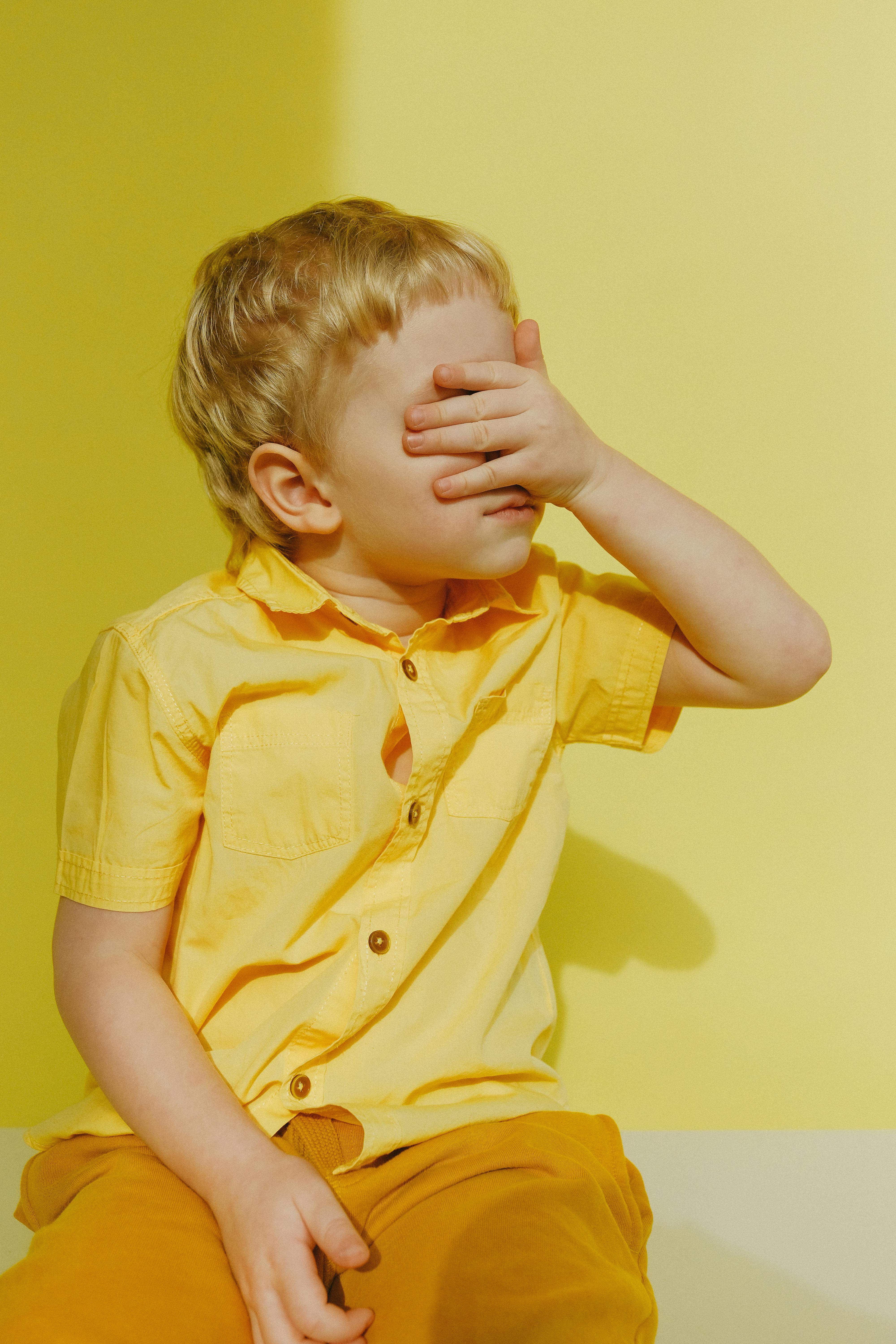
Shy Child Vs. Autism: Decoding The Puzzle

Understanding Shyness and ADHD
When trying to differentiate between shyness and ADHD, it is important to understand the characteristics and behaviors associated with each. Shyness refers to a personality trait characterized by feelings of apprehension, self-consciousness, and a tendency to avoid social interactions. On the other hand, ADHD (Attention-Deficit/Hyperactivity Disorder) is a neurodevelopmental condition that affects a person's ability to pay attention, control impulses, and regulate their behavior.

Shyness: Traits and Characteristics
Shyness is often observed in individuals who are hesitant or anxious in social situations. Shy individuals may feel uncomfortable when meeting new people, speaking in public, or engaging in activities that draw attention to themselves. They may exhibit behaviors such as avoiding eye contact, speaking softly, or withdrawing from social interactions. Shyness is not a mental health disorder but rather a personality trait that varies in intensity among individuals.

ADHD: Symptoms and Behaviors
ADHD, on the other hand, is a neurodevelopmental disorder characterized by persistent patterns of inattention, hyperactivity, and impulsivity that significantly impact an individual's daily functioning. Common symptoms of ADHD include difficulty sustaining attention, being easily distracted, impulsivity, and restlessness. These symptoms often manifest in multiple settings, such as at home, school, or work, and can significantly interfere with an individual's ability to complete tasks or follow instructions.
Overlapping Symptoms and Challenges
While shyness and ADHD are distinct concepts, there can be overlapping symptoms and challenges that may lead to confusion in differentiating the two. For instance, both shy individuals and individuals with ADHD may struggle with initiating or maintaining conversations, participating in group activities, or expressing themselves effectively. They may also experience difficulties in certain areas such as organization, time management, or task completion.
It is important to remember that shyness and ADHD are separate entities, and a comprehensive evaluation by a qualified professional is necessary to accurately determine whether an individual's difficulties are related to shyness, ADHD, or potentially both.
By understanding the traits and characteristics of shyness as well as the symptoms and behaviors associated with ADHD, caregivers and professionals can better navigate the identification and support of individuals who may exhibit these traits or symptoms.
Shy Child or ADHD: Key Differences
When trying to differentiate between a shy child and a child with ADHD, it's important to understand the key differences in various areas of functioning. While shyness and ADHD may share some similarities in terms of behavior, there are distinct characteristics that can help distinguish between the two. Let's explore the differences in social interaction and communication, attention and hyperactivity levels, and emotional regulation and sensory sensitivities.
Social Interaction and Communication
One of the primary distinctions between a shy child and a child with ADHD lies in their social interaction and communication skills. Shy children tend to exhibit reserved and cautious behavior in social settings. They may feel anxious or uncomfortable in unfamiliar situations, leading to a reluctance to engage with others. However, once they become familiar with their surroundings and feel more comfortable, they may gradually open up and display social skills appropriate for their age.
In contrast, children with ADHD often struggle with social interaction and communication due to difficulties with social cues and impulsivity. They may interrupt conversations, have difficulty taking turns, and struggle to maintain appropriate personal space. These challenges can make it harder for them to establish and maintain relationships with peers.
Attention and Hyperactivity Levels
Another important distinction between shyness and ADHD lies in the child's attention and hyperactivity levels. Shy children typically have no difficulties with attention and are able to concentrate on tasks they find interesting. Their reserved nature may lead to a preference for solitary activities, allowing them to focus without distractions.
Children with ADHD, on the other hand, experience persistent difficulties with attention and hyperactivity. They may struggle to sustain attention, have trouble organizing tasks, and frequently shift from one activity to another. Hyperactivity may manifest as excessive fidgeting, restlessness, and difficulty staying seated for prolonged periods. These behaviors are often noticeable across various settings, not solely in social situations.
Emotional Regulation and Sensory Sensitivities
Emotional regulation and sensory sensitivities can also help differentiate between shyness and ADHD. Shy children may experience heightened sensitivity to new or overwhelming situations, leading to increased anxiety or withdrawal. They may be cautious in their responses and may need time to adapt to new environments or changes.
Children with ADHD often struggle with emotional regulation and may have difficulty managing their emotions appropriately. They may exhibit impulsive behaviors, such as outbursts of anger or frustration. Sensory sensitivities, such as being bothered by certain sounds or textures, are also commonly observed in children with ADHD.
Understanding the differences in social interaction and communication, attention and hyperactivity levels, and emotional regulation and sensory sensitivities can assist in distinguishing between a shy child and a child with ADHD. It's important to remember that professional evaluation and diagnosis are essential in order to accurately identify and understand a child's specific needs. For more information on the signs and symptoms of autism, visit our article on signs of autism in children.
Identifying Shyness and ADHD
When trying to determine whether a child's behavior is due to shyness or ADHD, careful observation and consideration of various factors can help provide insights. It's important to remember that only a qualified professional can provide an accurate diagnosis. Here are a few key aspects to consider when trying to identify shyness or ADHD in a child.
Observing Behavior and Interactions
One way to gain a better understanding of a child's behavior is through close observation of their interactions and social behaviors. Shy children may display signs of social anxiety, such as avoiding eye contact, speaking softly, or showing hesitation in engaging with others. On the other hand, children with ADHD may exhibit hyperactive or impulsive behaviors like fidgeting, interrupting conversations, or having difficulty staying focused during conversations.
Taking note of these behaviors over time and in various settings, such as at home, school, or social gatherings, can provide valuable insights into a child's natural tendencies.
Seeking Professional Evaluation and Diagnosis
To differentiate between shyness and ADHD, it is essential to consult with a qualified professional, such as a pediatrician, psychologist, or psychiatrist. These professionals have the expertise to conduct a comprehensive evaluation to determine the underlying cause of a child's behaviors. They will consider various factors, including the child's history, observed behaviors, and any additional information provided by parents or teachers.
A professional evaluation may involve standardized assessments, interviews, and observations to properly diagnose a child's condition. It's important to be open and honest during this process to ensure an accurate diagnosis and appropriate support for the child.
Considering Developmental Milestones
Another aspect to consider when differentiating between shyness and ADHD is the child's developmental milestones. Shy children may exhibit age-appropriate developmental skills, albeit with a tendency toward introversion and social reticence. They may still show progress in their language and communication skills, as well as their ability to engage in age-appropriate play and activities.
On the other hand, children with ADHD may experience delays in certain developmental areas, such as language, attention, or impulse control. They may struggle with executive functioning skills, which can impact their ability to plan, organize, and regulate their behaviors.
Understanding and monitoring a child's developmental milestones can provide additional context when trying to identify whether their behaviors are primarily due to shyness or ADHD.
By carefully observing a child's behavior and interactions, seeking professional evaluation and diagnosis, and considering their developmental milestones, parents and caregivers can gain a better understanding of whether the child's behaviors align more closely with shyness or ADHD. Remember, it's important to consult with a qualified professional to receive an accurate diagnosis and appropriate guidance for supporting the child's unique needs.
Supporting Shy Children and Children with ADHD
When it comes to supporting shy children and children with ADHD, creating a nurturing and understanding environment is crucial. By implementing effective strategies and collaborating with professionals and support networks, caregivers can provide the necessary support for these individuals to thrive.
Creating a Supportive Environment
A supportive environment is essential for both shy children and children with ADHD. This includes creating a safe and understanding space where they feel accepted and valued. Here are some key aspects to consider:
- Encourage open communication: Foster an environment where children feel comfortable expressing their thoughts and feelings without judgment. Actively listen to their concerns and validate their experiences.
- Promote social interactions: Encourage shy children to engage in social activities at their own pace. Provide opportunities for them to interact with others in a safe and supportive setting. For children with ADHD, establish clear guidelines for social interactions and help them develop appropriate social skills.
- Establish routines and structure: Consistency and structure can be beneficial for both shy children and children with ADHD. Establishing predictable routines can help reduce anxiety and provide a sense of stability.
Implementing Strategies and Interventions
Implementing effective strategies and interventions can greatly support shy children and children with ADHD. Here are some strategies to consider:
- Individualized approaches: Recognize that each child is unique and may require different strategies. Tailor interventions based on their specific needs, strengths, and challenges.
- Provide clear and concise instructions: Use simple and explicit instructions to help children with ADHD understand expectations. Break down tasks into manageable steps and provide visual cues, if needed.
- Use positive reinforcement: Reinforce desired behaviors through positive reinforcement, such as praise, rewards, or small incentives. This can motivate children and help build their self-esteem.
- Teach coping skills: Help shy children and children with ADHD develop coping skills to manage anxiety, stress, or impulsivity. Techniques such as deep breathing exercises, mindfulness, and self-regulation strategies can be beneficial.
Collaborating with Professionals and Support Networks
Collaboration with professionals and support networks is vital in providing comprehensive support for shy children and children with ADHD. Here's how caregivers can collaborate effectively:
- Seek professional guidance: Consult with healthcare professionals, such as pediatricians, psychologists, or therapists, who specialize in child development. They can provide valuable insights and guidance on managing specific challenges.
- Join support groups: Connect with other caregivers facing similar situations by joining support groups. These groups provide a platform for sharing experiences, gaining knowledge, and accessing resources.
- Involve educators and schools: Collaborate with teachers and school staff to develop individualized education plans (IEPs) or 504 plans that cater to the specific needs of shy children or children with ADHD. Regular communication with educators ensures continuity of support between home and school.
By creating a supportive environment, implementing effective strategies, and collaborating with professionals and support networks, caregivers can provide the necessary support for both shy children and children with ADHD. Remember, each child is unique, and it's important to tailor interventions to their specific needs.
Nurturing the Individual
When it comes to supporting individuals who may be shy or have ADHD, it's important to nurture their unique qualities and provide an environment that encourages growth and self-acceptance. Here are some key areas to focus on:
Celebrating Differences
One of the most important aspects of nurturing shy children and children with ADHD is to celebrate their differences. Each individual has their own strengths and challenges, and it's crucial to recognize and appreciate their unique qualities. By valuing their individuality, we can help them develop a positive self-image and embrace their own identity.
Promoting Self-esteem and Confidence
Building self-esteem and confidence is essential for the development of shy children and children with ADHD. Encouraging their accomplishments, no matter how small, can go a long way in boosting their self-confidence. Providing positive reinforcement and acknowledging their efforts can help them feel valued and capable. It's also important to create a supportive and safe environment where they feel comfortable expressing themselves.
Providing Understanding and Acceptance
Understanding and acceptance are key in nurturing individuals who may be shy or have ADHD. By educating ourselves about their unique needs, challenges, and strengths, we can better support them. It's important to listen to their concerns, validate their feelings, and provide a non-judgmental space for them to express themselves. By fostering an environment of acceptance, we can help them feel understood and valued.
Remember, nurturing the individual is a continuous process that requires patience, understanding, and flexibility. Each person is unique, and it's important to tailor our approach based on their specific needs and preferences. By celebrating their differences, promoting self-esteem and confidence, and providing understanding and acceptance, we can create an environment that supports their growth and development.
Summary
In wrapping up our exploration of distinguishing between a shy child and autism, it's crucial to approach this with a gentle understanding of the spectrum of human behavior. Shyness and autism are like two distinct characters in the same play—sometimes they might share the stage, but they each have their own script.
Being a parent or caregiver means embracing the uniqueness of your child, whatever that may entail. It's okay to have concerns and seek guidance, but let's remember that every child is a story unfolding, and sometimes, they just need a little extra time and understanding.
So, as we conclude, let's navigate this journey with patience, love, and an open heart. Whether your child is shy, on the autism spectrum, or simply finding their own path, being there for them with unwavering support is what truly matters.
Sources
Frequently Asked Questions

More posts you’ll enjoy
Behavior Contracts in ABA: The Ultimate Guide (With a Real Example)
Behavior contracts are a powerful tool for addressing challenging or problematic behaviors, and can be an effective way to help children with autism learn new skills and behaviors.
Negative Reinforcement in ABA Therapy: What It Is — and What It Isn't
Negative reinforcement isn't punishment — it's one of ABA's most misunderstood tools. Here's what it actually means, with real examples.

Challenges in ABA Therapy: What Setbacks and Plateaus Mean
Challenges in ABA therapy — plateaus, extinction bursts, task refusal — explained. What BCBAs do when progress stalls and what families can do at home.