Sibling Relationships and Autism
In this article, we will explore the unique aspects of sibling relationships and autism, and provide some tips for supporting siblings in navigating this complex terrain.
%252520(1).jpeg)
Understanding Sibling Relationships and Autism
When it comes to autism, sibling relationships play a significant role in the lives of individuals with autism and their families. Siblings have a unique and influential position, both in terms of the support they provide and the dynamics they experience. In this section, we will explore the importance of sibling relationships in autism and the unique dynamics that shape these relationships.
Importance of Sibling Relationships in Autism
Sibling relationships can have a profound impact on the well-being and development of individuals with autism. Siblings often serve as lifelong companions, providing a sense of companionship, understanding, and support. They share a bond that can be particularly powerful when navigating the challenges and joys of living with autism.
For individuals with autism, having a supportive sibling can contribute to their social and emotional well-being. Siblings can provide a source of comfort, companionship, and unconditional love. They may also play a crucial role in promoting social interaction and communication skills, serving as positive role models and mentors.
Moreover, siblings can provide a sense of continuity and stability in the lives of individuals with autism. They may offer a familiar and predictable presence, which can be especially beneficial for individuals who thrive on routine and consistency. Siblings can help create a nurturing and understanding environment that fosters the growth and development of their brothers or sisters with autism.
Unique Dynamics of Sibling Relationships with Autism
Sibling relationships with autism often have unique dynamics that set them apart from typical sibling relationships. Siblings may experience a range of emotions, from love and compassion to frustration and confusion. These emotions arise from the challenges and differences they may encounter in their interactions with their sibling with autism.
One aspect that distinguishes sibling relationships in the context of autism is the potential for increased responsibilities and caregiving roles.
Siblings may assume additional responsibilities in supporting their brother or sister with autism, such as helping with daily routines, offering assistance with communication, or providing emotional support. This can create a sense of maturity and resilience in siblings while also presenting challenges in balancing their own needs and responsibilities.
Sibling relationships with autism can also be characterized by a unique understanding and acceptance of differences. Siblings often develop heightened empathy and tolerance towards their brother or sister with autism, gaining insights into the diverse ways in which people experience and navigate the world. This understanding can foster a sense of compassion and acceptance within the sibling relationship.
Navigating the complexities and opportunities of sibling relationships with autism requires open communication, education, and support. By embracing the importance of sibling relationships and recognizing the unique dynamics that shape them, families can foster an environment of love, understanding, and growth for all their children.
Benefits of Strong Sibling Relationships
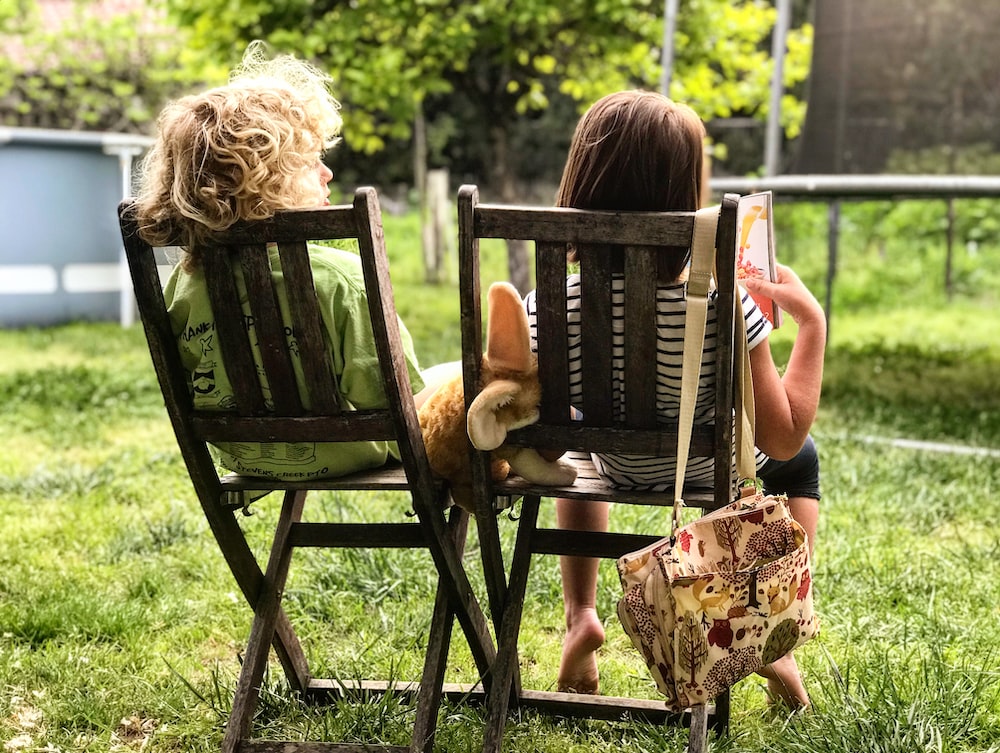
Sibling relationships play a crucial role in the lives of individuals with autism. These relationships can bring about numerous benefits for both the sibling with autism and their neurotypical siblings. Let's explore some of the key benefits that arise from strong sibling relationships.
Emotional Support and Understanding
One of the significant advantages of strong sibling relationships is the emotional support and understanding that siblings provide to each other. Siblings often share a unique bond and can offer comfort, empathy, and acceptance to their sibling with autism. This emotional support can help reduce feelings of isolation and provide a sense of belonging for individuals with autism.
Neurotypical siblings also benefit from this relationship as they develop compassion, patience, and a greater understanding of the challenges faced by their sibling with autism. They can offer a listening ear, offer guidance, and be a source of strength for their sibling.
Social Skills Development
Sibling relationships present valuable opportunities for social skills development in individuals with autism. Through interactions with their neurotypical siblings, individuals with autism can learn and practice social skills such as turn-taking, sharing, communication, and cooperation. Siblings can act as social role models, encouraging and facilitating social interactions in a safe and comfortable environment.
For neurotypical siblings, these interactions foster empathy, patience, and an understanding of diverse communication styles. They learn to adapt their communication and engage in meaningful ways with their sibling with autism, enhancing their own social skills.
Advocacy and Empowerment
Strong sibling relationships can empower individuals with autism and promote their self-advocacy skills. Siblings often become advocates for their brother or sister with autism, promoting their rights, needs, and inclusion within various settings. They can act as a supportive voice, ensuring that their sibling's needs are met and that they are included in decision-making processes.
Additionally, siblings can play a crucial role in empowering individuals with autism to reach their full potential. They can provide encouragement, motivation, and a sense of belief in their abilities. This support can have a profound impact on the self-esteem and confidence of individuals with autism.
The benefits of strong sibling relationships in the context of autism extend beyond emotional support, social skills development, and advocacy. These relationships foster a sense of belonging, promote growth, and create lasting bonds that can positively impact the lives of all siblings involved.
Challenges and Opportunities
Navigating sibling relationships when autism is in the mix can present unique challenges and opportunities for growth. It's important for parents to understand and address these challenges while also embracing the potential for positive interactions and connections between siblings.
Navigating Differences in Abilities and Needs
One of the primary challenges in sibling relationships with autism is navigating the differences in abilities and needs between the neurotypical sibling and the sibling with autism. The neurotypical sibling may sometimes feel overwhelmed or confused by their sibling's behaviors or communication difficulties. It's crucial for parents to provide education and open communication to help the neurotypical sibling understand and empathize with their sibling's experiences. This can foster acceptance and reduce feelings of frustration or resentment.
Balancing Attention and Resources
Another challenge lies in balancing attention and resources between the neurotypical sibling and the sibling with autism. It is common for parents to devote more time and energy to meeting the unique needs of the child with autism. This can create feelings of jealousy or neglect in the neurotypical sibling. It's important for parents to find ways to give attention and support to both siblings, even if it means seeking additional support from family, friends, or professionals. Balancing resources and ensuring each child feels valued and cared for is essential for maintaining a healthy sibling relationship.
Promoting Positive Interactions
While there may be challenges, there are also opportunities for promoting positive interactions between siblings. Parents can play a crucial role in creating an environment that encourages understanding, empathy, and cooperation.
By fostering shared activities and interests, both siblings can find common ground and strengthen their bond. It's important to provide opportunities for positive interactions that are enjoyable and rewarding for both siblings. This can include activities such as playing games, engaging in hobbies together, or participating in family outings.
By addressing the challenges and embracing the opportunities, parents can foster strong sibling relationships where both the neurotypical sibling and the sibling with autism can learn, grow, and support each other.
Strategies for Building Strong Sibling Relationships
When it comes to building strong sibling relationships in the context of autism, there are several strategies that can be employed to foster connection, understanding, and acceptance. These strategies include communication and education, encouraging shared activities and interests, and fostering empathy and acceptance.
Communication and Education
Effective communication plays a vital role in strengthening sibling relationships when autism is in the mix. Siblings should be encouraged to openly discuss their feelings, concerns, and experiences related to autism.
Providing age-appropriate information about autism can help siblings better understand the unique challenges and strengths of their brother or sister. This knowledge can promote empathy, patience, and a sense of shared responsibility within the sibling relationship.
Strategies for Communication and Education
- Open and honest communication
- Age-appropriate information about autism
- Encouraging questions and discussions
Encouraging Shared Activities and Interests
Engaging in shared activities and interests can create opportunities for siblings to bond and develop a deeper understanding of each other. Encourage siblings to explore activities that accommodate the unique interests and abilities of their sibling with autism. This could involve finding inclusive hobbies, games, or outings that all family members can enjoy together. By participating in shared activities, siblings can build positive memories and develop a sense of camaraderie.
Strategies for Encouraging Shared Activities and Interests
- Identifying inclusive hobbies or games
- Finding outings suitable for all family members
- Encouraging participation and involvement
Fostering Empathy and Acceptance
Promoting empathy and acceptance within the sibling relationship is crucial for building understanding and a supportive environment. Siblings should be encouraged to see beyond their brother or sister's autism diagnosis and appreciate their unique qualities.
Teaching siblings about neurodiversity and different ways of experiencing the world can help foster acceptance and reduce potential feelings of resentment or frustration. It's important to emphasize the importance of patience, kindness, and compassion towards their sibling with autism.
Strategies for Fostering Empathy and Acceptance
- Teaching about neurodiversity
- Encouraging patience and understanding
- Promoting acts of kindness and compassion
By implementing these strategies, parents can support the development of strong sibling relationships in the context of autism. Effective communication, shared activities, and fostering empathy and acceptance can create a supportive and inclusive environment for all family members. It's important to remember that each sibling relationship is unique, and adjustments may be necessary to cater to individual needs and preferences.
Promoting Well-being for Siblings
Supporting the well-being of siblings in families where autism is present is essential for fostering healthy relationships and positive outcomes. Siblings of individuals with autism may face unique challenges and experiences, which require special attention. In this section, we will explore three key strategies for promoting the well-being of siblings: self-care, seeking support and resources, and celebrating and acknowledging sibling bonds.
Self-care for Siblings
Taking care of one's own well-being is crucial for siblings of individuals with autism. It is common for siblings to experience a range of emotions, including stress, frustration, and even guilt. Engaging in self-care activities can help siblings navigate these emotions and maintain their own mental and emotional well-being.
Encouraging siblings to engage in activities they enjoy, such as hobbies or spending time with friends, can provide a much-needed break from the demands of caregiving. It's important for parents to create a supportive environment that allows siblings to express their feelings openly and validate their experiences.
Seeking Support and Resources
Siblings of individuals with autism may benefit from accessing support and resources specifically designed for their unique needs. Support groups, both online and in-person, provide safe spaces for siblings to connect with others who share similar experiences. These groups offer a platform for sharing challenges, successes, and coping strategies.
In addition to support groups, seeking professional guidance can be invaluable. Therapists or counselors who specialize in working with siblings of individuals with autism can provide guidance and help siblings navigate their emotions and challenges. Parents can also play an active role in connecting siblings with appropriate resources and services.
Celebrating and Acknowledging Sibling Bonds
Celebrating and acknowledging the unique bond between siblings is essential for fostering a positive relationship. Parents can create opportunities for siblings to engage in shared activities and interests, creating lasting memories and strengthening their connection.
Recognizing and appreciating the role of siblings in the life of an individual with autism is equally important. This can be done through open communication, where siblings are encouraged to express their feelings and share their experiences. Celebrating milestones and achievements of both the individual with autism and their sibling can help foster a sense of pride and accomplishment.
By prioritizing self-care, seeking support and resources, and celebrating sibling bonds, parents can promote the overall well-being of siblings in families affected by autism. These strategies not only benefit the siblings themselves but also contribute to a more harmonious and supportive family dynamic.
FAQs
How can I help my child feel less isolated?
One way to help your child feel less isolated is to connect them with other siblings who have similar experiences. Look for support groups or social events in your community, or consider starting a group yourself.
My child seems resentful of their sibling with autism. What can I do?
It's normal for siblings to experience a range of emotions when they have a sibling with ASD, including resentment. It's important to validate your child's feelings and provide them with opportunities to express themselves in a safe and supportive environment. Consider family therapy or counseling as an option for addressing these feelings.
Should I involve my child in their sibling's therapy sessions?
Involving siblings in therapy sessions can be beneficial, as it helps them understand their sibling's diagnosis and provides them with tools for coping with challenging behaviors. However, it's important to respect your child's boundaries and not force them to participate if they are uncomfortable.
Will having a sibling with ASD impact my child's development?
While having a sibling with ASD can certainly have an impact on a child's development, it is not necessarily negative. Siblings may develop unique strengths and interests as a result of their experiences, and may also develop strong bonds with their sibling with ASD that can be beneficial throughout their lives.
How can I support all of my children when one has autism?
It's important to recognize that each of your children will have different needs based on their age, personality, and relationship with their sibling with ASD. Be flexible and adaptable in providing support, and make sure each child feels heard, seen, and valued within the family dynamic.
Conclusion
In conclusion, sibling relationships and autism can be complex and challenging, but with the right support and resources, siblings can thrive. By providing open communication, opportunities for connection, and recognizing the unique strengths and challenges of each sibling, families can create a supportive and loving environment for everyone involved.
Sources
Get started today
Ready to talk about ABA therapy?
Apex ABA Therapy helps families in North Carolina, Maryland, and Georgia access in-home, school-based, and daycare ABA services.
Popular services
Serving families in