
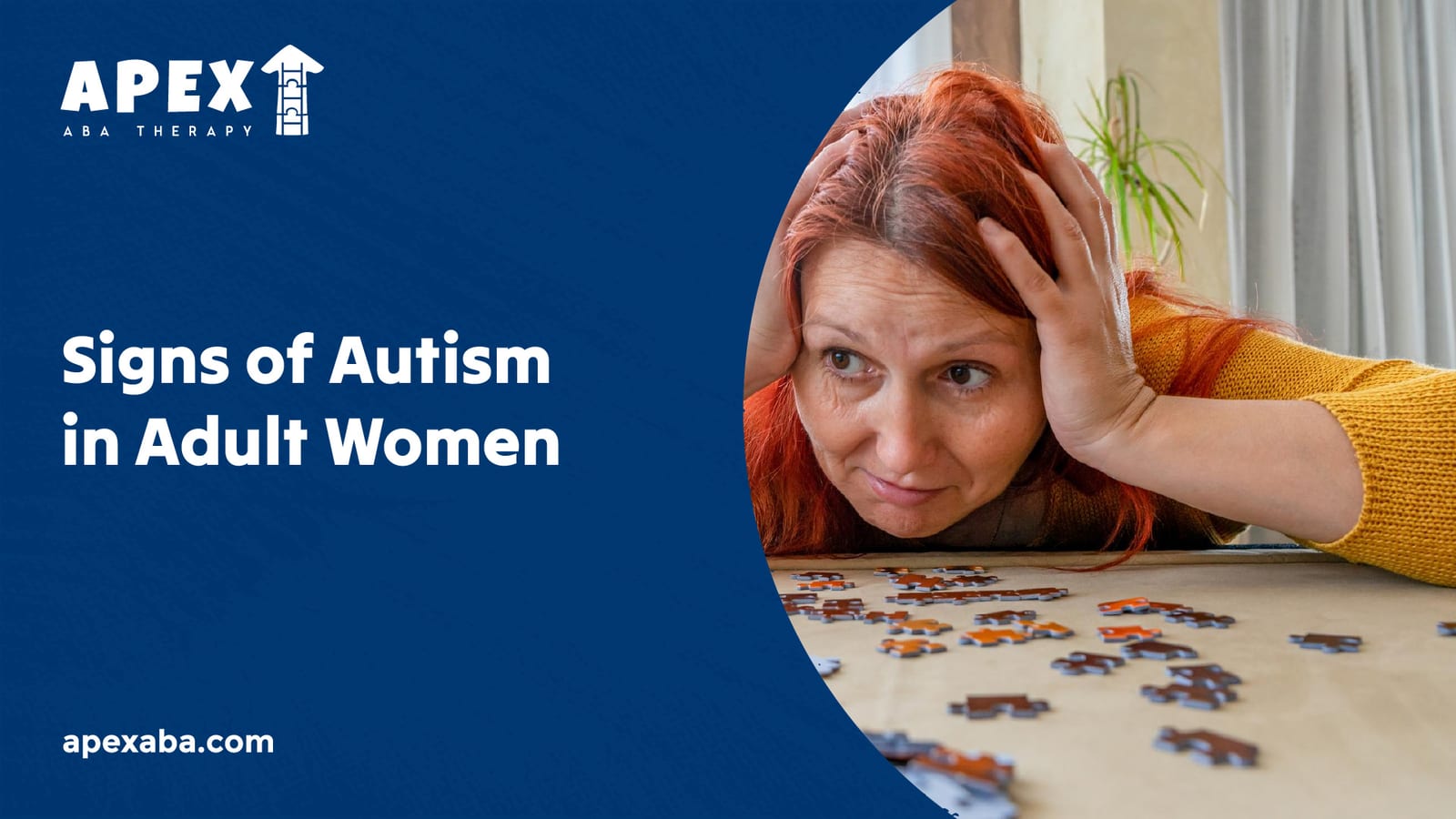
Signs of Autism in Adult Women
Many women with autism may go undiagnosed until later in life, due to the fact that the diagnostic criteria for autism have traditionally been based on male behaviors and interests. Here are some signs of autism in adult women to look out for.
.jpeg)
Autism in Adult Women
Introduction to Autism Spectrum Disorder (ASD)
Autism Spectrum Disorder (ASD) is a neurodevelopmental condition characterized by difficulties in social interaction, communication, and repetitive or restricted patterns of behavior. It is a lifelong condition that affects individuals across all genders, races, and socioeconomic backgrounds.
ASD is commonly diagnosed in childhood, but it is important to recognize that autism can also be present in adult women. Historically, autism has been more frequently diagnosed in males, leading to a misconception that it primarily affects boys and men. However, research suggests that autism in women may be underdiagnosed or misdiagnosed due to various factors, including differences in presentation and diagnostic criteria.
Unique Challenges in Recognizing Autism in Adult Women
Recognizing autism in adult women can be challenging for several reasons. First, women with autism often exhibit different behavioral patterns compared to their male counterparts. They may develop coping mechanisms, such as masking or camouflaging, to navigate social situations and mimic neurotypical behavior. This can make it more difficult to identify the signs of autism.
Additionally, the diagnostic criteria for autism have historically been based on observations of males, which may not fully capture the unique presentation of autism in women. As a result, women with autism may be overlooked or misdiagnosed with other mental health conditions, leading to delayed or inadequate support.
It is crucial to increase awareness and understanding of autism in adult women to ensure accurate diagnosis and appropriate support. By recognizing the unique challenges faced by women with autism and understanding the signs and symptoms specific to this population, we can promote early identification, access to resources, and better quality of life for individuals on the autism spectrum.
Common Signs of Autism in Adult Women
Recognizing autism in adult women can be challenging as the signs may present differently compared to men or children. However, there are common indicators that can help identify autism in adult women. It's important to note that not all women with autism will exhibit the same signs, and the severity of these signs may vary.
Social Communication Challenges
One of the key signs of autism in adult women is difficulties with social communication. They may struggle with understanding social cues, nonverbal communication, and maintaining reciprocal conversations. Some common social communication challenges include:
- Difficulties with social interactions: Adult women with autism may find it challenging to initiate and sustain social relationships. They may struggle with making eye contact, interpreting facial expressions, and understanding social norms.
- Literal interpretation of language: Women with autism may have difficulty understanding sarcasm, irony, or figurative language. They tend to interpret language more literally, which can sometimes lead to misunderstandings during conversations.
- Difficulty expressing emotions: Expressing emotions verbally or through facial expressions may be challenging for adult women with autism. They may have difficulty identifying and expressing their own emotions as well as understanding the emotions of others.
Sensory Sensitivities and Special Interests
Sensory sensitivities and intense interests are common features of autism in adult women. They may have heightened sensitivity to certain sensory stimuli or may be attracted to specific topics or activities. Some signs related to sensory sensitivities and special interests include:
- Sensory sensitivities: Women with autism may be particularly sensitive to certain sensory input, such as loud noises, bright lights, or certain textures. These sensitivities can cause discomfort or distress in certain environments.
- Special interests: Many women with autism develop intense interests in specific topics or activities. They may exhibit an in-depth knowledge or fascination in areas such as animals, art, history, or music. These interests often provide a source of comfort and fulfillment.
Difficulties with Executive Functioning
Executive functioning refers to a set of cognitive processes that help individuals plan, organize, and complete tasks. Difficulties with executive functioning are commonly observed in adult women with autism and may manifest in the following ways:
- Organization and time management: Women with autism may struggle with organizing their daily tasks, managing time effectively, and setting priorities. These difficulties can impact their ability to meet deadlines or keep track of appointments.
- Flexibility and adaptability: Individuals with autism may have difficulty adjusting to changes in routines or unexpected events. They may prefer predictability and struggle with adapting to new situations or transitions.
- Planning and problem-solving: Women with autism may have challenges in planning and breaking down complex tasks into manageable steps. Problem-solving skills, such as finding alternative solutions or thinking outside the box, may also be affected.
Recognizing these common signs of autism in adult women can help individuals seek appropriate support and resources. If you suspect that you or someone you know may be on the autism spectrum, it is recommended to seek a professional assessment to receive a formal diagnosis.
Masking and Camouflaging in Adult Women with Autism
Autism in adult women can often go unrecognized due to the phenomenon known as masking. Masking refers to the process by which individuals with autism, particularly females, learn to hide or suppress their autistic traits in order to fit into societal norms and expectations. This can make it challenging to identify autism in adult women, as they may present themselves in a way that conceals their true autistic characteristics.
What is Masking?
Masking involves consciously or unconsciously imitating or mimicking neurotypical behavior, social cues, and communication styles. Adult women with autism may observe and learn from their peers, studying their body language, tone of voice, and social interactions. They then apply these learned behaviors in social situations to appear more "typical," often at the expense of their own mental and emotional well-being.
By masking their autistic traits, women with autism may appear to be more socially adept and better at navigating social situations than they actually are. This can lead to a delay in diagnosis or misdiagnosis, as their true difficulties and challenges are hidden behind a facade.
Camouflaging Techniques and Implications
Camouflaging is a specific form of masking that involves blending in with the neurotypical population by suppressing autistic behaviors or adopting coping mechanisms to navigate social situations. Women with autism may employ various camouflaging techniques, such as:
- Mimicking social behaviors: They may imitate the social gestures, expressions, and body language of those around them to appear more socially competent.
- Masking sensory sensitivities: Women with autism may attempt to tolerate and hide their sensory sensitivities, such as noise or light sensitivity, in order to avoid drawing attention to themselves.
- Scripting conversations: They may rely on rehearsed scripts or phrases to navigate social interactions and maintain conversations.
While camouflaging can help individuals with autism navigate social environments more easily, it comes at a cost. The constant effort to mask their true autistic selves can be mentally and emotionally exhausting, leading to increased stress, anxiety, and burnout. Additionally, camouflaging may contribute to a delay in diagnosis and hinder access to appropriate support and interventions.
Recognizing and understanding the masking and camouflaging behaviors in adult women with autism is crucial for accurate diagnosis and appropriate support.
It is important for healthcare professionals, educators, and caregivers to be aware of these masking techniques and look beyond the surface presentation to identify the underlying autistic traits. Supporting women with autism in their self-advocacy and providing resources for understanding their unique challenges can help them embrace their authentic selves and thrive.
Diagnosis and Support for Adult Women with Autism
Receiving a proper diagnosis and accessing appropriate support are crucial for adult women with autism. Understanding the importance of diagnosis, seeking professional help and assessment, and accessing available support and resources can greatly contribute to their overall well-being and quality of life.
The Importance of Diagnosis
Obtaining a formal diagnosis of autism is a critical step for adult women who suspect they may be on the autism spectrum. A diagnosis provides validation and a framework for understanding their unique neurodevelopmental profile. It can help individuals make sense of their experiences and behaviors, fostering self-awareness and self-acceptance. Moreover, a diagnosis enables access to specialized support services and accommodations tailored to their specific needs.
Seeking Professional Help and Assessment
Seeking professional help is essential in obtaining a formal diagnosis of autism. Consulting with healthcare professionals, such as psychologists or psychiatrists with expertise in autism, can provide individuals with the necessary guidance and support throughout the diagnostic process.
These professionals will typically conduct a comprehensive assessment, which may include interviews, questionnaires, and observations, to evaluate the individual's developmental history and current challenges. They may also consider information from family members or close friends who have observed the individual's behavior in different contexts.
It is important to note that the diagnostic process can be complex and may require multiple appointments. Additionally, it is crucial for healthcare professionals to have experience and knowledge in diagnosing autism in adult women, as the presentation of autism can differ between males and females.
Available Support and Resources
Once a diagnosis is obtained, accessing appropriate support and resources is vital for adult women with autism. The support options available can vary depending on the individual's needs, preferences, and location. Some common forms of support include:
- Therapies and Interventions: Behavioral therapies, such as Applied Behavior Analysis (ABA), can help individuals develop social and communication skills, manage sensory sensitivities, and improve executive functioning. Occupational therapy may also be beneficial in addressing sensory and motor difficulties.
- Support Groups and Communities: Joining support groups specifically designed for women with autism can provide a sense of community and connection. These groups offer a safe space for sharing experiences, exchanging tips, and building supportive relationships with others who can relate to their unique challenges. Online communities, forums, and social media groups can also serve as valuable platforms for connecting with others.
- Advocacy and Empowerment: Self-advocacy is an important aspect for adult women with autism. Empowering individuals to advocate for themselves, express their needs, and assert their rights can help them navigate various aspects of life effectively. Resources on self-advocacy, such as workshops, books, and online resources, can provide practical guidance and strategies.
- Education and Employment Support: Accessing educational resources and workplace accommodations can greatly contribute to the success of adult women with autism. Specialized educational programs, vocational training, and career counseling can assist individuals in identifying their strengths and interests, developing necessary skills, and securing employment opportunities.
It's important for individuals and their families to research and explore the available support options in their local area. Consulting with healthcare professionals, autism organizations, and online resources can provide valuable guidance in finding the appropriate support and resources for adult women with autism.
By recognizing the importance of diagnosis, seeking professional help and assessment, and accessing available support and resources, adult women with autism can enhance their understanding of themselves, receive tailored support, and thrive in various aspects of life.
Communicating with Healthcare Professionals
If you suspect that you may have autism, it is important to communicate your concerns with a healthcare professional who can help you get a diagnosis. However, communicating effectively with healthcare professionals can be challenging for some women with autism.
Here are some tips for communicating effectively with healthcare professionals about your concerns regarding a potential autism diagnosis:
- Write down your concerns and questions ahead of time, so that you don't forget anything during the appointment.
- Be clear and concise when describing your symptoms and experiences. Avoid using figurative language or vague terms.
- Ask for clarification if you don't understand something that the healthcare professional says.
- Advocate for yourself if you feel like your concerns are not being taken seriously or if you feel like the healthcare professional is not listening to you.
- Consider bringing a trusted friend or family member with you to the appointment for support.
By following these tips, you can increase the likelihood that your concerns will be heard and addressed by healthcare professionals. Remember, getting an accurate diagnosis is an important step towards getting the support and resources that you need to live a fulfilling life.
FAQs
Can women with autism have successful careers and relationships?
Yes, absolutely. With the right support and accommodations, many women with autism are able to pursue fulfilling careers and build strong relationships.
Is it possible for a woman to have autism without any obvious signs or symptoms?
It is possible for some individuals with high-functioning autism, also known as Asperger's Syndrome, to mask their symptoms and appear "normal" in social situations. However, this can be incredibly taxing on the individual and may lead to mental health issues such as anxiety or depression.
How can I support a loved one who has recently been diagnosed with autism?
One of the most important things you can do is to educate yourself about autism and learn how it may impact your loved one. Be patient and understanding, and offer your support in whatever way your loved one needs it most.
Are there any treatments or therapies that can help women with autism?
There is no cure for autism, but there are a variety of treatments and therapies that can help individuals manage their symptoms and improve their quality of life. These may include behavioral therapy, occupational therapy, medication, or alternative therapies such as art or music therapy.
Conclusion
If you or someone you know is experiencing some of these signs, it may be worth seeking an evaluation from a healthcare professional who specializes in autism. While receiving a diagnosis of autism can be overwhelming, it can also be a relief to finally have an explanation for some of the challenges that you may have been experiencing. With the right support and resources, many women with autism are able to lead fulfilling and meaningful lives.
Sources
- https://www.healthline.com/health/autism-in-women
- https://www.nhs.uk/conditions/autism/signs/adults/
- https://www.psychologytoday.com/signs-of-autism-in-women
- https://www.uclahealth.org/undiagnosed-autism-adult-females
- https://www.verywellhealth.com/autism-in-women-5209272
- https://www.adinaaba.com/post/am-i-autistic-female
Get started today
Ready to talk about ABA therapy?
Apex ABA Therapy helps families in North Carolina, Maryland, and Georgia access in-home, school-based, and daycare ABA services.
Popular services
Serving families in