
Transitioning from ABA Therapy to School
Learn essential tips for transitioning from ABA therapy to school for your child’s smooth adjustment.

Transitioning to School from Therapy
Understanding the Milestone
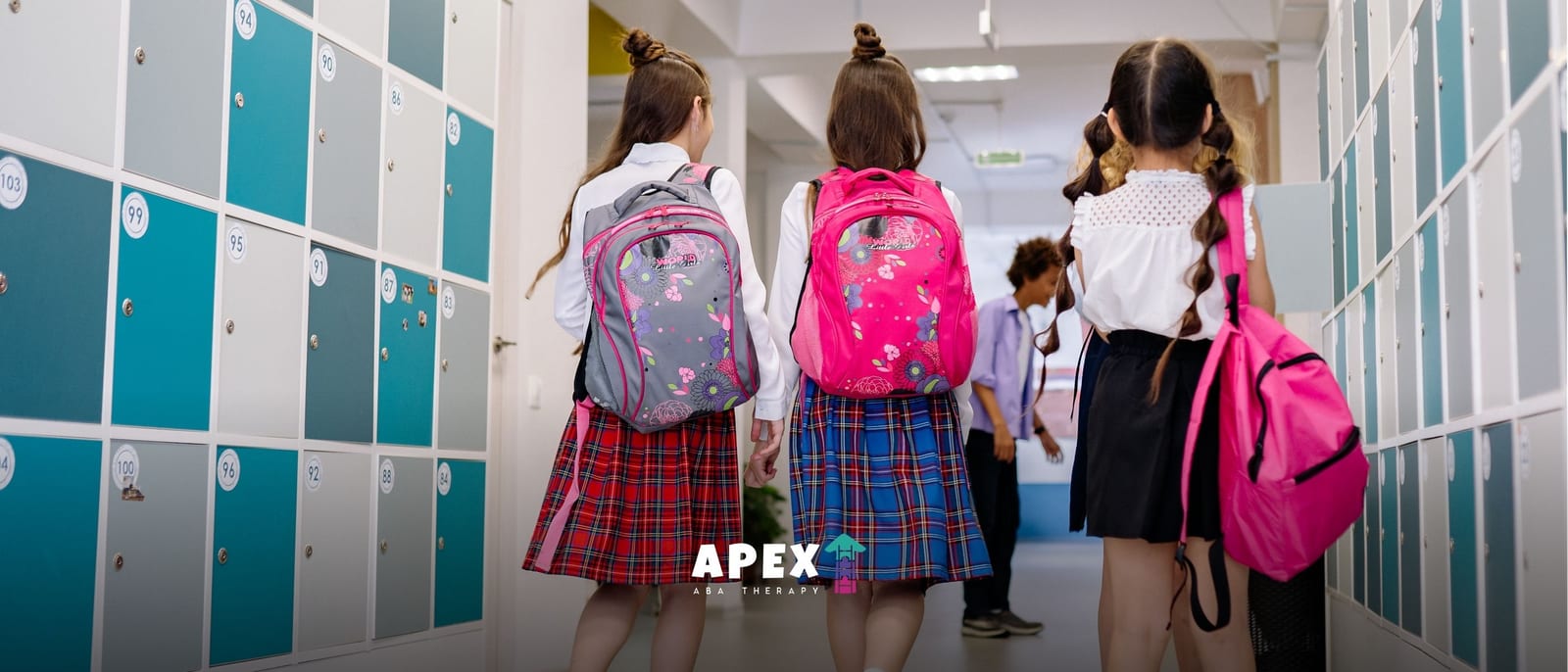
Transitioning from ABA therapy to school is a pivotal moment for children on the autism spectrum. This transition involves adapting to new routines, engaging in social interactions, and navigating unfamiliar environments, which can present unique challenges. The process requires careful consideration and planning to support the child effectively. Parents and caregivers play a vital role in recognizing and addressing the social, communication, and behavioral issues that may arise during this transition [1].
During this period, it is crucial to assess each child's specific needs and prepare them for the changes ahead. Some children may find the shift from therapy to a more structured school environment unsettling. Therefore, a well-planned approach can help facilitate a smoother transition.
Transition AspectsDescriptionNew RoutinesEstablishing daily schedulesSocial InteractionsEngaging with peers and teachersEnvironment NavigationAdjusting to a larger classroom setup
Involving Parents and Caregivers
Effective transition planning requires active involvement from parents and caregivers. Their insights about the child's strengths and challenges inform the development of a tailored transition plan. Collaboration between parents, therapists, and school staff is essential for ensuring a smooth shift from ABA therapy to school. This collaborative effort helps in preparing the child for the new educational environment by establishing clear goals and identifying necessary resources [1].
Good communication practices can foster a supportive environment where everyone involved understands the child's needs. Parents can advocate for their child during meetings and support discussions with school staff, ensuring continuity from therapy to the classroom. It may also be beneficial for therapists to attend case conference meetings to share valuable insights and strategies to facilitate this transition [2].
By discussing potential challenges and strategies in advance, parents can better equip their children for success within the school system. This partnership not only supports the child's development but also strengthens the relationship between home and school, promoting ongoing collaboration throughout the educational journey. For additional information on integration strategies, check the section on aba therapy and school integration.
Effective Transition Planning
Effective transition planning is vital for children with autism as they move from ABA therapy to school. By collaborating with parents, therapists, and school staff, the transition process can become more manageable and supportive.
Collaborative Strategies
Collaboration among parents, therapists, and school staff is essential for ensuring a successful transition. Open communication is crucial, as it allows for the exchange of information regarding the child's needs, strengths, and challenges during this significant change. According to Yellow Bus ABA, effective transition planning aids in preparing the child for a new educational environment by establishing clear goals and identifying necessary resources.
One method of fostering collaboration is through case conference meetings. These meetings can involve both ABA providers and school staff, creating a shared understanding and support system for the child. This strategic partnership aligns everyone’s efforts, allowing for a more seamless transfer of care.
Additionally, parents and caregivers should advocate for their child’s needs throughout the transition. This may include discussing specific strategies that worked in ABA therapy and sharing successful interventions that can be implemented in the school setting, ensuring individualized support for their child's unique needs.
Establishing Clear Goals
Establishing clear and measurable goals is a cornerstone of an effective transition plan. These goals serve as a roadmap for both parents and educators, guiding their efforts to support the child as they adapt to a new environment. Yellow Bus ABA emphasizes the importance of tailoring these goals to address each child's specific challenges and strengths.
Goal TypeExampleDescriptionCommunicationImprove expressive languageIncrease the number of words or phrases used to communicate needs.Social SkillsEngage in group activitiesParticipate in a specific number of social interactions with peers per day.BehavioralReducing meltdownsLower frequency of meltdowns in school settings by implementing coping strategies.
Parents should utilize the guidelines provided by the Individuals with Disabilities Education Act (IDEA), which governs IEPs and 504 Plans. These frameworks ensure that children with disabilities receive a free and appropriate public education in the least restrictive environment necessary for their success [3]. Clearly defined goals can help track progress and make necessary adjustments in teaching strategies as the child transitions to school.
The establishment of cohesive and collaborative strategies, alongside clearly defined goals, significantly enhances the experience of transitioning from ABA therapy to school. By ensuring that all parties are aligned in their approach, children can more effectively navigate their new educational environment.
School Readiness Programs
School readiness programs are designed to help children transition smoothly from ABA therapy to the classroom. These programs focus on developing essential academic skills and preparing children for the classroom environment.
Academic Skill Development
Academic skill development is a pivotal aspect of school readiness programs. Programs like those offered by Inner Circle ABA Therapy specifically aim to equip children with necessary skills for a successful start in school. This foundation supports children as they prepare for future classroom experiences, contributing to a smoother transition.
The following table outlines some academic skills commonly targeted in these programs:
Skill AreaExample ActivitiesLiteracyLetter recognition, phonics practiceNumeracyCounting, basic addition and subtractionFollowing DirectionsListening exercises, multi-step tasksFine Motor SkillsWriting tasks, cutting with scissors
Preparing for Classroom Environment
Preparing for the classroom environment is critical for children transitioning from therapy. This includes understanding classroom routines, social interactions, and how to navigate a structured setting. By familiarizing children with classroom dynamics, they can reduce anxiety and enhance their readiness for school.
Utilizing tools such as visual schedules can significantly mitigate anxiety about returning to school by providing security and predictability. These schedules allow children to anticipate daily activities, making the transition more manageable [4].
Timers can also play a key role in preparing children for a classroom setting. They help kids understand when one activity ends and when they need to switch to the next task, thus alleviating anxiety associated with sudden changes [4].
By integrating these strategies into school readiness programs, parents and caregivers can set their children up for success in the classroom while ensuring a seamless transitioning from ABA therapy to school.
Integrating ABA Practices
Transitioning from ABA therapy to the school environment requires effective integration of ABA practices to support children's academic and social development. Parents and caregivers play a crucial role in this process.
Academic and Social Preparation
Integrating ABA practices into the school curriculum helps to prepare children with autism not only academically but also socially. Research shows that employing naturalistic teaching techniques, such as practicing conversation skills through play, significantly enhances skill generalization. This approach aids children in adapting to new educational settings and social dynamics [5].
The following table outlines some effective ABA strategies that can be utilized in academic and social contexts:
Academic SkillsSocial SkillsTask completionTurn-takingFollowing directionsInitiating conversationsUnderstanding instructionsSharing and cooperation
Parents and caregivers can further support development by practicing these skills at home, allowing the child to reinforce learned behaviors in a familiar environment.
Collaboration for Continuity
Collaboration between ABA therapists, educators, and parents is vital for ensuring continuity in skill development during the transition to school. Open communication channels help to identify the specific needs of the child and establish strategies that will carry over into the classroom setting. Effective transition planning aligns goals across therapy and education [1].
Integrating ABA practices requires that all parties involved—parents, therapists, and school staff—work together. Therapists can participate in case conference meetings to convey essential information about the child's progress and specific strategies that have proven effective. This collaborative approach fosters understanding and ensures that the support system remains consistent throughout the transition. For further insights on school integration strategies, refer to our article on ABA therapy and school integration.
Empowering parents and caregivers to incorporate ABA techniques at home solidifies the effectiveness of therapy and promotes ongoing skill maintenance. By creating a strong support network, children can seamlessly adjust to their new educational environment.
Effective Transition Strategies
Transitioning from ABA therapy to school can be a significant change for children and their families. Implementing effective strategies can promote smoother transitions and better preparedness for new environments. Two important strategies include maintaining consistent routines and building positive relationships.
Consistent Routines
Establishing consistent routines helps children feel secure and understand what to expect. Familiarity with routines can reduce anxiety during the transition from therapy to a new school setting. Parents and caregivers should work with school staff to maintain similar daily schedules, such as consistent times for meals, classes, and breaks. This alignment ensures a smoother transition and minimizes disruption in the child's routine.
Routine ElementSuggested ScheduleMorning RoutineWake up, breakfast, prepare for schoolSchool ScheduleClass times, subject rotations, breaksAfternoon RoutineHomework time, leisure activitiesEvening RoutineDinner, relaxation, bedtime
Open communication with school personnel is essential. Sharing the established routines from therapy can help educators provide a more supportive environment. For more details on integrating ABA techniques into the school environment, refer to ABA therapy and school integration.
Building Positive Relationships
Fostering positive relationships between children, parents, and school staff is critical during this transitional period. Open lines of communication between parents and educators help address any concerns that arise during the transition. By setting up introductory meetings, parents can share insights from ABA therapy about their child's unique challenges, strengths, and preferred learning styles.
Parents should encourage their children to build friendships with peers and form connections with teachers. This approach not only helps children feel more comfortable in the school environment but also enhances their social skills. Advocacy for inclusive practices and familiarity with school support systems can further facilitate this relationship-building process.
Transitioning from ABA therapy to school does not have to be a daunting process. Establishing consistent routines and cultivating positive relationships are two essential strategies to make the experience positive for both children and their families. For guidance on additional support services, you may find resources about ABA therapy and family involvement and ABA therapy and occupational therapy integration helpful.
Tools for Smooth Transitions
Supporting a child during the transition from ABA therapy to school can be facilitated using effective tools. Two important resources are timers and visual schedules, both of which can provide structure and predictability for children.
Timers and Their Role
Timers serve a crucial function in helping children with autism transition more smoothly between activities. They allow children to recognize when an activity is about to end and prepare for the next one. This can significantly reduce anxiety and stress that often accompanies sudden changes during the return to school.
Timer TypePurposeVisual TimersShow elapsed time through colors or moving parts, making time comprehension easier for children.Auditory TimersProvide audible cues at set intervals to signal transitions, reinforcing the end of one activity and the start of another.
Using timers consistently can help establish routines, making it easier for children to adjust during transitions. For additional information about integrating ABA therapy with school settings, readers can explore ABA therapy and school integration.
Visual Schedules for Predictability
Visual schedules play an essential role in reducing anxiety related to the unfamiliarity of the school environment. They provide a clear representation of the day's activities, instilling a sense of security and predictability. Children can quickly grasp what to expect during the day, making transitions more manageable.
Visual Schedule TypeBenefitsPicture SchedulesUse images to depict daily tasks, allowing children to follow along visually without text.Routine ChartsOffer a timeline of activities for the day, making it easier for children to anticipate upcoming tasks.
Implementing these visual tools can contribute positively to a child's transition from therapy to school. Parents and caregivers can refer to studies on success rates of ABA therapy for further insights into the benefits of such therapeutic approaches.
Both timers and visual schedules are practical strategies known to enhance behavioral plans, ensuring a smoother transition process for children moving into a school setting.
References
[2]:
[3]:
[4]:
[5]:
[6]:
Get started today
Ready to talk about ABA therapy?
Apex ABA Therapy helps families in North Carolina, Maryland, and Georgia access in-home, school-based, and daycare ABA services.
Popular services
Serving families in