Role-Playing to Boost Social Skills for Kids with Autism
Discover role-playing activities for autism social skills training to empower your child’s social connections!

Role-Playing to Boost Social Skills for Kids with Autism
Social Skills Training for Autism

Importance of Social Skills Training
Social Skills Training (SST) for Autism is a structured intervention program designed to equip children diagnosed with autism spectrum disorder (ASD) with the essential skills needed for navigating social interactions and forming meaningful relationships. According to research, SST significantly enhances social abilities in children with autism, demonstrating improvements in total social participation and social reciprocity [1].
Individuals with autism may struggle to intuitively understand social cues and nuances. This can hinder their ability to engage with others effectively. By participating in SST, they learn the vital rules, customs, and capabilities that guide social interactions, making the social landscape more navigable.
Here’s an overview of key statistics related to the effectiveness of Social Skills Training:
OutcomeExperimental GroupControl GroupMean Score ImprovementHigherLowerSocial ParticipationImprovedStaticSocial ReciprocityEnhancedUnchanged
Components of Social Skills Training
Effective SST encompasses numerous components aimed at addressing different aspects of social interaction. Some critical components include:
Early implementation of SST can lead to significant advantages for children with autism. Research indicates that children with autism who engage in social skills training experience increased success in social situations and improved relationships with peers [1].
Additionally, personalized teaching stories that visually represent social situations help individuals with autism better understand the complexities of interactions. This approach incorporates the use of visuals, simple language, and personalized templates to create a predictable framework for social engagement.
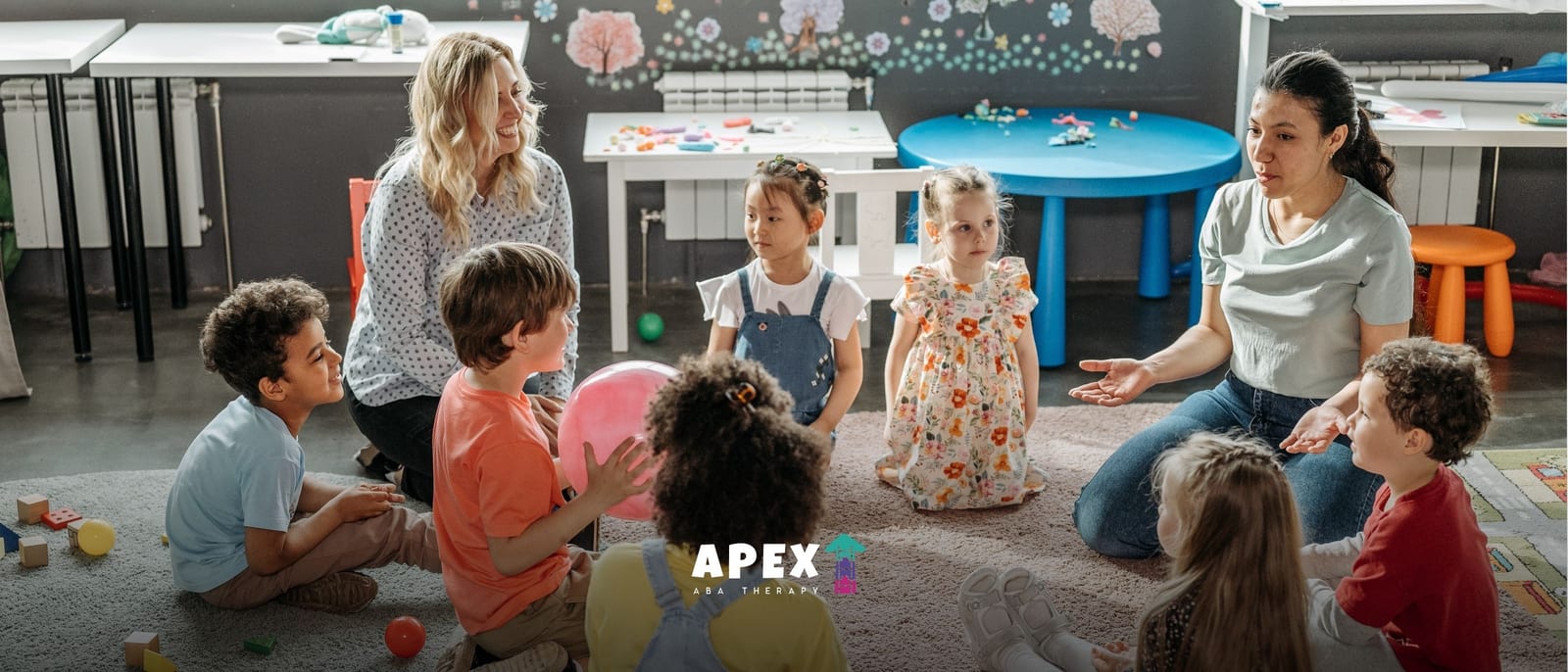
As they participate in role-playing activities for autism social skills training, children are provided opportunities to practice their newly acquired skills in a supportive environment, reinforcing their ability to succeed in social interactions.
Role-Playing Activities for Autism
Role-playing activities are an engaging method to help children with autism develop essential social skills. These structured scenarios provide opportunities for practice in a safe and supportive environment.
Benefits of Role-Playing
Role-playing activities offer numerous advantages for children on the autism spectrum. Some key benefits include:
BenefitDescriptionSocial InteractionRole-playing promotes interaction with peers, enhancing social skills and teamwork.Skill DevelopmentChildren learn what to say and do in various social situations, helping them to better navigate real-life interactions.Safe EnvironmentThese activities offer a controlled setting where children can practice social skills with guidance and coaching.Enhanced LearningUtilizing video recordings during role plays can provide visual feedback, making the experience more engaging and productive [3].Increased MotivationMany children enjoy engaging in role-plays, leading to higher levels of motivation and participation throughout social skills training.(AutismTeachingStrategies.com).
Children can benefit from the structured practice of social skills through these interactive sessions.
Techniques Used in Role-Playing
Effective role-playing for autism social skills training includes a variety of techniques aimed at enhancing learning and engagement. Some of these techniques are:
By integrating these techniques into social skills training, parents and educators can significantly enhance the social development of children with autism through engaging role-playing activities.
Sensory-Based Activities for Social Skills
Engaging children with autism in sensory-based activities can significantly enhance their social skills while allowing them to have fun. These activities not only provide opportunities for exploration but also play a crucial role in creating environments conducive to social interaction.
Engaging Sensory Exploration
Sensory exploration can help children with autism become more comfortable in social settings by stimulating their senses. Activities may include tactile play with different textures, sound games, and interactive experiences that involve sight and smell. Research indicates that participation in sensory-based activities fosters engagement in social interactions, leading to improved social skills and friendships.
Some recommended sensory activities include:
ActivityDescriptionSensory binsFill bins with different materials like rice, beans, or water beads to encourage tactile exploration.Nature walksExplore parks or nature trails to engage with natural sights, sounds, and textures while providing opportunities for conversation.Music and movementUse rhythm and music to encourage dancing and movement, enhancing social interaction and coordination.
By providing varied sensory experiences, children can express themselves and connect with their peers more easily.
Creating a Sensory-Friendly Environment
A sensory-friendly environment is essential for children with autism to thrive during social activities. Parents can create calming spaces that consider the sensory sensitivities of their children. This includes controlling noise levels, lighting, and the availability of comforting items.
Key components of a sensory-friendly environment include:
ElementConsiderationLightingUse soft, natural light when possible; avoid harsh fluorescent lights.NoiseReduce background noise and have quiet areas available for breaks.TextilesProvide comfortable and familiar textures through seating and play materials.BoundariesEnsure children know where they can go and what activities are available to feel secure.
Creating such environments promotes comfort and minimizes overwhelm, allowing children to focus on socializing rather than sensory distractions. Involvement in community activities through structured programs also has been shown to increase happiness and friendships for children with autism. For additional strategies on supporting children with autism, parents can explore resources like autism and sensory processing disorder and how to create an autism-friendly home.
Incorporating sensory-based activities into social skills training can yield positive outcomes, enhancing both social competence and engagement in a supportive way.
Visual Tools in Social Skills Training
Visual tools are vital in helping children with autism understand and develop social skills. Using effective visual aids and social stories can enhance learning experiences and facilitate communication.
Effective Use of Visual Aids
Visual aids play a crucial role in the social skills training process for children with autism. These tools can simplify complex ideas and provide clear, visual demonstrations of appropriate social behaviors. They are especially helpful in illustrating social situations and expected responses.
Common types of visual supports include:
Type of Visual AidDescriptionPicture CardsImages depicting social situations or emotionsChartsGraphical representations of social skills conceptsWritten ScriptsShort narratives explaining social interactionsGesture PromptsVisual cues to guide non-verbal communication
By incorporating these visual supports, individuals with autism can better comprehend social contexts and improve their interaction strategies. Research shows that personalized teaching stories and visuals—like pictures paired with simple text—enhance the predictability of everyday situations, enabling effective navigation of social scenarios.
Role of Social Stories
Social stories are another essential tool in social skills training. These narratives help explain social concepts and proper responses in specific situations through a simple and personalized storytelling approach. They allow children to visualize social scenarios and understand expected behaviors.
The elements of an effective social story include:
ElementDescriptionSimple LanguageClear, concise sentences explaining the situationPersonalizationStories tailored to the child's experiences and environmentsVisualsAccompanying images or illustrations that detail the narrativePredictable StructureA consistent format that children can follow easily
Social stories provide structured narratives that include description, perspective, and directive cues. This method allows children to mentally rehearse appropriate responses, leading to improved social comprehension and skills. Evidence shows that social stories, when combined with cognitive-behavioral strategies, positively influence social interactions in children with autism.
Incorporating visual aids and social stories into role-playing activities for autism social skills training allows children with autism to visualize their responses and practice in a supportive environment. These strategies ultimately aid in fostering essential social skills and enhancing communication for children on the autism spectrum.
Communication Strategies for Autism
Effective communication is crucial for individuals with autism. Unique strategies can significantly enhance the ability to express thoughts, feelings, and needs. Below are some verbal and non-verbal techniques as well as tips for tailoring communication strategies to fit individual needs.
Verbal and Non-Verbal Techniques
Utilizing both verbal and non-verbal communication can significantly improve interactions for individuals with autism.
Tailoring Strategies to Individuals
Every child with autism is unique. Therefore, customizing communication strategies based on individual strengths and challenges is vital. Consider these approaches:
By focusing on personalized communication strategies, parents can help their children with autism build stronger social connections. For more comprehensive tools and strategies, exploring role-playing activities for autism social skills training can be very beneficial.
Technology in Social Skills Development
As parents explore ways to enhance social skills for children with autism, technology offers innovative solutions. Two prominent approaches in technology-driven social skills training are Behavioral Intervention Technologies and computer-based programs.
Behavioral Intervention Technologies
Behavioral Intervention Technologies (BITs) have gained traction for training social skills. Unlike traditional face-to-face social skills training (F2F-SST), BITs leverage digital platforms, including computer-based programs and therapeutic robots. Research indicates that both F2F-SST and BIT approaches show medium to large effect sizes in improving social skills for children with autism, with no significant differences in efficacy between the two methods.
The advantages of BITs include reduced anxiety during social interactions and minimal distractions. Children can practice realistic role-play scenarios in a safe environment, making it easier for them to apply learned skills in everyday situations. These technologies have shown effect sizes ranging from trivial to large (0.29 to 1.0) in decreasing social deficits among children with Autism Spectrum Disorder.
MethodEffect Size RangeF2F-SST0.81 to 0.93BITs-SST0.29 to 1.0
Utilizing Computer-Based Programs
Computer-based programs are a versatile option for teaching social skills to children with autism. These programs integrate visual elements, interactive activities, and guided practice to help kids learn essential social cues and appropriate responses. The meta-analysis of randomized controlled trials has affirmed that the efficacy of these computer programs is comparable to traditional methods used in F2F-SST.
Programs can be tailored to each child's specific needs, allowing for personalized learning experiences that reinforce key skills. The interactive nature of these programs engages children more thoroughly than conventional methods, often leading to increased motivation and participation.
Parents interested in using technology for social skills training may find additional resources and support through online platforms. Utilizing both BITs and traditional methods can create a well-rounded approach to developing effective social skills for their children. For more insights on enhancing children's social capabilities, parents can explore role-playing activities for autism social skills training.
References
[2]:
[3]:
[4]:
[5]:
Frequently Asked Questions

Can a Child Have Autism and Still Talk Normally?

What Are the Red Flags for Autism in a 2-Year-Old?
Autism Red Flags in 2-Year-Old Children | Apex ABA

Is Autism a Lifelong Condition?
Is Autism a Lifelong Condition? Understanding The Journey

What is the Difference Between Autism and Sensory Processing Disorder?
Autism vs Sensory Processing Disorder Differences | Apex ABA

What's the Difference Between Autism and Speech Delay?
Autism vs Speech Delay & Key Differences Explained | Apex

ABA Therapy Enhancing Social Skills: A Key to Improved Communication and Interaction for Children with Autism
How ABA Therapy Helps Children Build Social Skills

Misconceptions About ABA Therapy: Clearing Up the Myths
Common Misconceptions About ABA Therapy |Apex ABA.

Best Age to Start ABA Therapy & What Parents Should Know
Best Age to Begin ABA Therapy for Children | Apex ABA

What’s the Difference Between High-Functioning Autism and Asperger’s?
Difference Between High-Functioning Autism and Asperger’s

ABA Therapy in North Carolina: A Complete Guide for Families
Learn everything about ABA therapy in North Carolina, including services, costs, insurance coverage, and how to choose the best ABA provider in North Carolina.

Life-Changing ABA Therapy Case Studies You Need to Know
Real Success Stories from ABA Therapy Journeys | Apex ABA

What Does It Mean to Be “On the Spectrum”?
What Does It Mean to Be on the Autism Spectrum? | Apex ABA

Is Autism a Mental Illness or a Developmental Disorder?
Mental Illness or Developmental Disorder Explained

Can Children “Outgrow” Autism?
Can Children Outgrow Autism? Understanding the Facts

Is Autism More Common in Boys Than Girls?
Autism in Boys vs Girls: What the Research Reveals

Understanding the Power of Functional Behavior Assessment ABA
Effective ABA Techniques for Behavioral Intervention

Discover How ABA Helps ADHD in Your Child’s Life
How ABA Therapy Helps Children with ADHD | Apex ABA

ABA Therapy vs Preschool: Making the Right Choice Explained
Learn the key differences between ABA therapy and preschool to help you choose the best option for supporting your child’s early learning and development.

Which Personality Type Is Most Likely to Be Autistic?
Which Personality Type Is Most Likely to Be Autistic? | Apex ABA

Why Consistency Matters: What Happens If ABA Therapy Ends Prematurely
What Happens If ABA Therapy Is Stopped Too Early? | Apex ABA

How Can You Gain an Autistic Person’s Attention? Tips for Meaningful Connection
How Can You Gain an Autistic Person’s Attention?

Sensory Sensitivity and Sixth Sense: What Autism Research Shows
Do Autistic People Have Sixth Sense? | Apex ABA

What Happens If Autism Is Left Untreated?
Can Autism Get Worse If Untreated? | Apex ABA

What Not To Do With An Autistic Child: Avoid These 10 Mistakes
What Not To Do With An Autistic Child? | Apex ABA

Coping with Regressive Autism: Tips for Parents
What is Regressive Autism? | Apex ABA

Do Autistic Kids Live with Parents Forever? Here’s the Reality
Do autistic kids live with parents forever? Discover the facts about independence and living arrangements in autism with expert-backed insights.

Red Flags in ABA Therapy: What Parents Must Watch For
What are the red flags in ABA therapy? Learn to identify warning signs for safe, effective autism treatment in this blog.

Can You Go from Level 3 Autism to Level 1? Is It Possible?
Can you go from level 3 autism to level 1? Learn about progress, therapy, and support options with expert help from Apex ABA.

Autism vs Introversion: How to Tell the Difference
Is it autism or just introversion? Learn the key differences and signs with expert insights from Apex ABA.

ABA for Managing Transitions: Tips to Ease Change for Kids
Learn how ABA for managing transitions helps children with autism handle change smoothly.

Understanding the 7 Dimensions of ABA for Better Outcomes
Discover the 7 Dimensions of ABA and how they can lead to better outcomes.

5 Unique Autistic Love Languages You Should Know About
Discover the 5 unique autistic love languages that can enhance your relationships.

Transforming Futures: Improving Lives of Kids with Autism
Discover how innovative strategies are focused on improving lives of kids with autism.

ABA Therapy Techniques for Addressing Repetitive Behaviors in Autism
Harnessing ABA Strategies to Tackle Repetitive Behaviors in Autism

The Role of ABA Therapy in Enhancing Communication Skills
Transforming Communication for Children with Autism Through ABA Therapy

How ABA Therapy Supports Effective Communication in Nonverbal Children
Unlocking Speech Through ABA: Transformative Paths for Nonverbal Children

How to Help Your Child Transfer Skills Learned in ABA Therapy to Real Life
Unlocking Real-World Success for Children in ABA Therapy

How ABA Therapy Helps Children Develop Better Organizational Skills
Empowering Children with ABA Therapy for Enhanced Organizational Skills

The Importance of Creating a Structured Routine in ABA Therapy
How Structured Routines Transform ABA Therapy for Autism

The Role of ABA Therapy in Developing Conflict Resolution Skills
How ABA Therapy Transforms Conflict Resolution Competence

The Importance of Generalization in ABA Therapy for Autism
Unraveling the Role of Generalization in Enhancing ABA Therapy Outcomes

Why ABA Therapy is Crucial for Parents of Children with Autism
The Transformative Impact of ABA Therapy on Families with Autistic Children

How to Involve Parents in the ABA Therapy Process
Maximize Parent Engagement in ABA Therapy for Better Outcomes

What are the Core Principles of ABA Therapy?
Exploring the Cornerstones of Applied Behavior Analysis

Why Communication is Key in ABA Therapy for Autism
The Crucial Role of Communication in ABA Therapy for Autism

Why ABA Therapy Works for Children with Autism Regardless of Severity
Effective ABA Interventions for All Levels of Autism

Why It’s Important to Maintain a Balanced Approach to ABA Therapy
Balancing Effectiveness and Ethics in ABA Therapy

The Role of ABA Therapy in Developing Adaptive Behavior Skills
Exploring How ABA Therapy Transforms Lives

The Benefits of Combining ABA Therapy with Speech Therapy
Maximizing Development with Integrated Therapy Approaches

What to Expect During an ABA Therapy Session
Demystifying ABA Therapy Sessions: A Comprehensive Overview

How ABA Therapy Enhances Cognitive Functioning in Children with Autism
Exploring the Influence of Applied Behavior Analysis on Autism Cognition

How ABA Therapy Helps Children with Autism with Transitions Between Activities
Easing Transitions for Children with Autism: The Role of ABA Therapy

How to Foster Cooperation Between Parents and Therapists in ABA Therapy
Building Effective Partnerships in ABA Therapy

The Role of Positive Reinforcement in ABA Therapy
Exploring the Impact of Positive Reinforcement in Modern ABA Therapy

Why ABA Therapy is Effective for Children of All Ages
Understanding the Reach and Impact of ABA Therapy Across Age Groups

How to Support Your Child’s Emotional Growth with ABA Therapy
Harnessing ABA Therapy for Enhancing Emotional Development in Children with Autism

The Role of ABA Therapy in Enhancing Peer Relationships for Children with Autism
Harnessing ABA Therapy to Boost Social Connections Among Autistic Children

How to Overcome Common Challenges in ABA Therapy
Navigating Hurdles in ABA Therapy: Strategies and Solutions

How to Manage Behavioral Expectations with ABA Therapy
Understanding Applied Behavior Analysis in Behavioral Management

How ABA Therapy Promotes Emotional Regulation in Children with Autism
Unlocking Emotional Balance: ABA Therapy's Role in Autism

How ABA Therapy Improves Social Skills in Children with Autism
Harnessing ABA Therapy to Enhance Social Competency in Autistic Children

The Role of ABA Therapy in Classroom Success for Children with Autism
Harnessing ABA for Academic and Social Growth in Autism

The Importance of Evaluating and Revising ABA Therapy Goals Regularly
Regular Evaluations: The Cornerstone of ABA Therapy Success

How to Choose the Right ABA Therapy Program for Your Child
Finding the Perfect ABA Therapy Fit for Your Child

The Role of Behavior Analysts in Implementing ABA Therapy
Understanding the Vital Contributions of Behavior Analysts in ABA Therapy

The Role of RBTs (Registered Behavior Technicians) in ABA Therapy
A Closer Look at the Essential Work of RBTs in ABA Therapy

What Makes ABA Therapy Effective for Different Learning Styles?
Unraveling the Flexibility and Effectiveness of ABA Therapy

Understanding the Importance of Data Collection in ABA Therapy
The Role of Data in Shaping Effective ABA Therapy

How ABA Therapy Helps with Toilet Training in Children with Autism
Unlocking Independence: ABA's Role in Autism Toilet Training

The Importance of Encouraging Natural Play in ABA Therapy
Revolutionizing ABA Therapy with Natural Play

How to Make the Most of ABA Therapy at Home
Enhancing ABA Therapy Practices Within Your Home

How to Make ABA Therapy Fun and Engaging for Children with Autism
Transforming ABA Therapy into a Fun Learning Journey

The Role of ABA Therapy in Addressing Verbal and Nonverbal Communication in Autism
Enhancing Communication Skills in Autism Through ABA Therapy

Understanding the Role of Family in ABA Therapy for Autism
The Crucial Impact of Family Engagement in Autism Therapy

How to Handle Setbacks and Challenges in ABA Therapy
Navigating Difficulties and Setbacks in ABA Therapy for Children

How ABA Therapy Can Help Children Build Stronger Relationships with Peers
Unpacking the Influence of ABA Therapy on Peer Relationships in Children

Understanding the Concept of Shaping in ABA Therapy
Demystifying Shaping Techniques in Applied Behavior Analysis

How ABA Therapy Enhances Independent Living Skills in Autism
Unlocking Independence: The Role of ABA Therapy in Autism
.jpg)
90+ Reading Statistics, Facts and Demographics
In this article, we will dive into 60 reading statistics that shed light on the importance of reading and its impact on different aspects of life.

How ABA Therapy Can Help Children with Autism Make Better Choices
Unlocking Autistic Children's Potential with ABA Therapy

How ABA Therapy Helps Children with Autism Adapt to New Environments
The Adaptive Benefits of ABA Therapy for Autism

What Does the Research Say About the Effectiveness of ABA Therapy?
Exploring the Role and Research Behind ABA Therapy

How to Create an Effective ABA Therapy Plan for Your Child
Guiding Parents Through Effective ABA Therapy Planning

The Long-Term Benefits of Consistent ABA Therapy for Children with Autism
Unlocking Potential: Consistent ABA Therapy for Autism

Why ABA Therapy Should Be Tailored to Each Child’s Unique Needs
The Necessity of Customizing ABA Therapy for Unique Child Development

What are the Different Types of ABA Therapy?
Exploring the Varieties of ABA Therapy for Autism and Beyond

How ABA Therapy Can Improve Functional Skills in Children with Autism
Unlocking the Potential: ABA Therapy for Autistic Children

How ABA Therapy Facilitates Peer Interaction for Children with Autism
Understanding the Impact of ABA Therapy on Autism and Peer Relationships

The Importance of Early Intervention in Autism Therapy
Unlocking Potential: The Crucial Role of Early Intervention in Autism

The Role of ABA Therapy in Creating Healthy Habits for Children with Autism
Understanding How ABA Therapy Shapes Daily Life for Autistic Children

How to Create a Supportive Environment for Children Undergoing ABA Therapy
Crafting a Nurturing Space for Effective ABA Therapy

The Benefits of Incorporating Technology into ABA Therapy
Harnessing Technology for Enhanced ABA Therapy Outcomes

How ABA Therapy Helps with Stereotypic Behavior in Autism
ABA Therapy: Transforming Stereotypic Behaviors into Meaningful Interactions in Autism

What to Expect in an ABA Therapy Program for Children with Autism
Understanding ABA Therapy for Kids with Autism

How to Create a Positive Home Environment for Children Under ABA Therapy
Cultivating a Therapeutic Space for ABA Success

How ABA Therapy Can Improve Safety Awareness in Children with Autism
Empowering Safety through ABA Therapy for Kids with Autism

The Link Between ABA Therapy and Improved Academic Performance in Children with Autism
Exploring the Profound Impact of ABA on Autism-Related Educational Success

The Benefits of Early ABA Intervention for Toddlers with Autism
Unveiling the Power of ABA for Toddlers with Autism

How ABA Therapy Promotes Independence and Life Skills Development
Unlocking Independence: The Role of ABA Therapy in Life Skills Development

How to Deal with the Emotional Impact of ABA Therapy on Parents
Navigating Emotions: Support Tips for Parents in ABA Therapy