Autism Facial Expressions
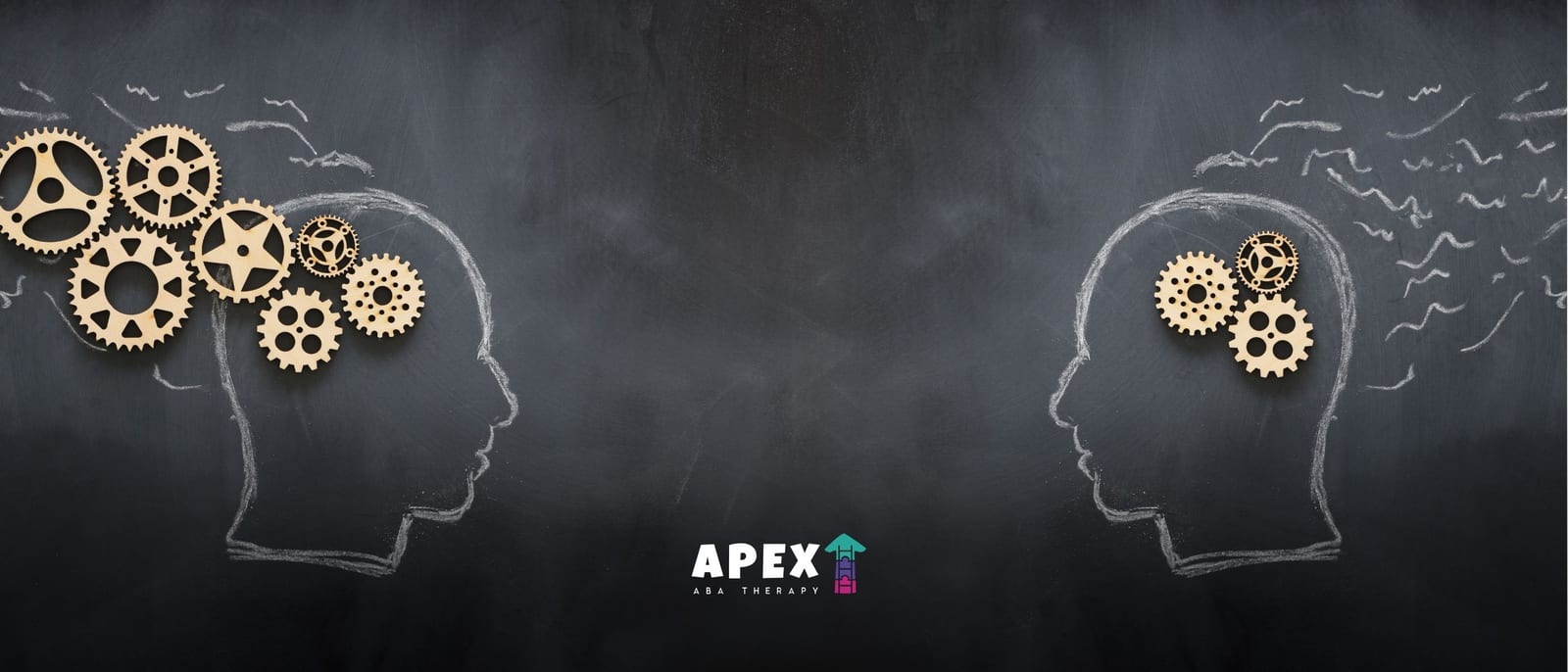
Research has shown that people with autism may have difficulty recognizing emotions in others, especially when it comes to more subtle expressions such as sarcasm or irony.
.jpeg)
Understanding Autism Facial Expressions
When we communicate with others, we often rely on facial expressions to convey our thoughts and emotions. However, for people with autism, the ability to accurately interpret and respond to facial expressions can be a challenge.
What is Autism?
Autism, or autism spectrum disorder (ASD), is a neurological condition that affects social interaction, communication, and behavior. The symptoms of autism can range from mild to severe, and can impact individuals in different ways.
Facial Expression Difficulties in Autism
One of the key challenges for people with autism is understanding and interpreting facial expressions. Research has shown that people with autism may have difficulty recognizing emotions in others, especially when it comes to more subtle expressions such as sarcasm or irony.
This can make social interactions difficult, as people with autism may struggle to understand the intentions of others based on their facial expressions. For example, someone with autism may not be able to tell if someone is being friendly or sarcastic based on their facial expression alone.
However, there are many tools and strategies that can help individuals with autism improve their ability to read facial expressions. One such tool is the use of visual aids, such as picture cards or videos that demonstrate different facial expressions and the emotions they convey.
Another strategy is social skills training, which can help individuals with autism better understand social cues and develop effective communication skills. This type of training can be done in a group setting or one-on-one with a therapist, and can be tailored to meet the specific needs of the individual.
It's important to remember that while people with autism may struggle with interpreting facial expressions, they are still capable of forming meaningful connections with others. With the right support and tools, individuals with autism can develop the skills they need to navigate social situations and build strong, fulfilling relationships.
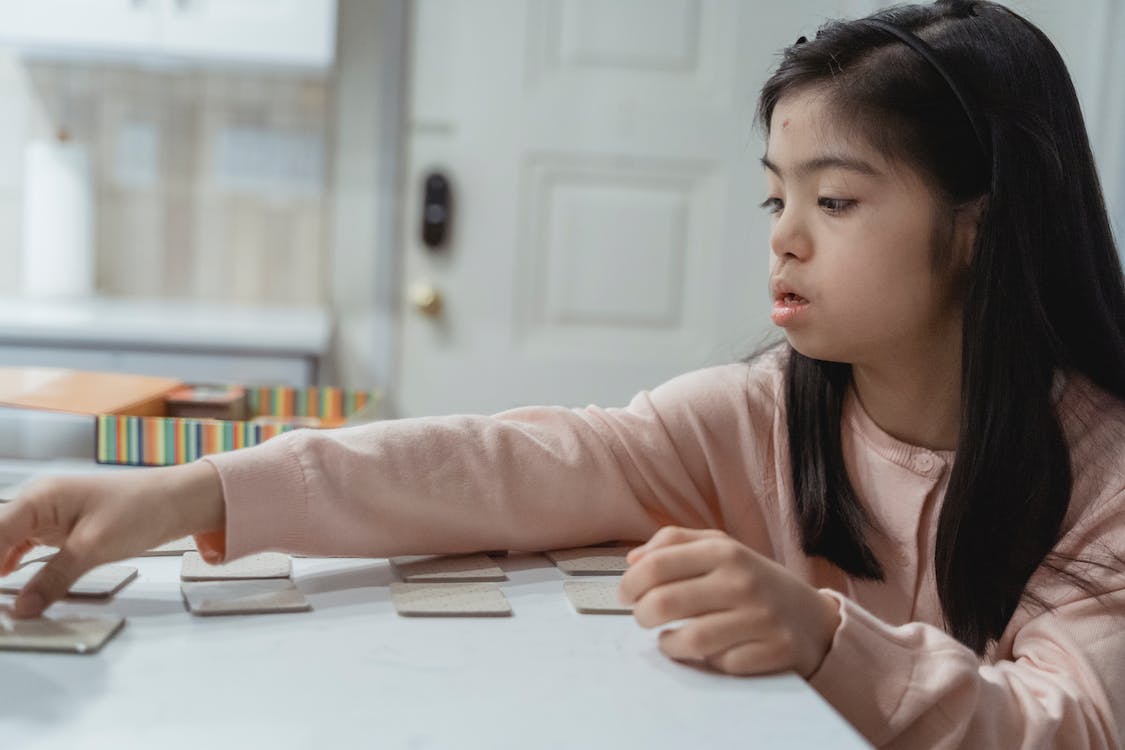
Improving Facial Expression Recognition in Autism
While recognizing facial expressions can be a challenge for people with autism, it's important to remember that there are strategies that can help individuals with autism overcome this challenge.
One approach is to use visual aids, such as pictures or videos, to help individuals with autism learn to recognize different emotions. This can be especially helpful for those who are more visually oriented. By providing visual cues, individuals with autism can begin to understand the nuances of facial expressions and the emotions they convey.
Another strategy is to practice social skills in a structured environment, such as in a therapy session or group setting. This can help individuals with autism develop the skills they need to interpret facial expressions and respond appropriately in social situations.
With practice, individuals with autism can learn to recognize the subtle cues that are often conveyed through facial expressions, and respond in ways that are appropriate and effective.
It's important to remember that every person with autism is different, and what works for one person may not work for another. However, by using these and other strategies, individuals with autism can improve their ability to recognize facial expressions and navigate social situations with greater ease and confidence.
The Impact of Facial Expression Difficulties on Daily Life for People With Autism
Facial expression difficulties for people with autism can have a significant impact on their daily lives. They may find it challenging to form friendships or relationships because they cannot accurately interpret non-verbal communication cues like smiles or frowns. This difficulty could lead them to feel isolated or left out during social situations.
In some cases, misunderstanding facial expressions could lead to social anxiety or even depression. A person with autism may become overwhelmed by the complexity of social interactions and avoid them altogether. This avoidance can limit their ability to participate in everyday activities, such as going to school or work.
Furthermore, the inability to read facial expressions accurately could also lead to misunderstandings and conflicts at home, school, or work. It's not uncommon for people with autism to misinterpret the intentions of others based on their facial expressions leading to conflict.
It's important for people with autism, their families, and caregivers to understand the impact of facial expression difficulties on daily life. By recognizing these challenges, it is possible to develop effective strategies that can help individuals with autism navigate social situations more easily and lead fulfilling lives.
How to Identify if Someone with Autism is Struggling to Interpret Facial Expressions?
Identifying if someone with autism is struggling to interpret facial expressions can be challenging, but there are some signs that can indicate difficulty. One of the most common signs is a lack of eye contact during social interactions. Individuals with autism may avoid making eye contact because they find it overwhelming or distracting.
Another sign is a limited range of facial expressions. People with autism may have difficulty expressing emotions through their own facial expressions, and may not respond appropriately to others' facial expressions.
In addition, individuals with autism may struggle in social situations that require them to interpret non-verbal cues such as body language and tone of voice. For example, they may take sarcasm or jokes literally and miss the intended meaning.
It's important to note that while these signs can indicate difficulty interpreting facial expressions, they do not necessarily mean that someone has autism. If you suspect that someone you know is struggling with interpreting facial expressions or other social cues, it's important to seek the advice of a medical professional who specializes in autism diagnosis and treatment.
The Use of Technology to Improve Facial Expression Recognition in Autism
In recent years, advances in technology have made it possible to develop innovative tools and programs that can help individuals with autism improve their ability to recognize facial expressions.
One such tool is virtual reality, which allows individuals to practice interpreting facial expressions in a realistic and immersive environment. Virtual reality programs can simulate a variety of social situations, such as job interviews or first dates, and provide immediate feedback on the accuracy of an individual's responses.
Computer-based training programs are another effective tool for improving facial expression recognition in autism. These programs use interactive exercises and games to teach individuals how to recognize different emotions based on facial expressions. Some programs even incorporate biofeedback technology, which provides real-time information about an individual's emotional state based on physiological signals like heart rate or skin conductance.
While these technologies are still relatively new, research has shown that they can be highly effective for improving facial expression recognition in individuals with autism. By providing a safe and controlled environment for practicing social skills, these tools can help individuals with autism gain confidence and develop the skills they need to navigate social situations more effectively.
It's important to note that while technology can be a valuable tool for improving facial expression recognition in autism, it should not be used as a substitute for human interaction.
Individuals with autism still need opportunities to practice their social skills in real-world settings and build meaningful connections with others. However, when used in conjunction with other therapies and strategies, technology can be a powerful tool for helping individuals with autism reach their full potential.
The Importance of Nonverbal Communication for People with Autism
Nonverbal communication plays a crucial role in social interactions, and this is especially true for people with autism. While verbal communication is important, it only makes up a small part of how we communicate with others. In fact, research has shown that as much as 90% of our communication is nonverbal.
For people with autism, difficulties in recognizing and interpreting nonverbal cues can make social interactions challenging. This can lead to misunderstandings, miscommunications, and even social isolation.
Nonverbal cues include things like facial expressions, body language, tone of voice, and gestures. These cues convey important information about a person's thoughts and emotions, and they serve as a key component of social communication.
For example, a smile can indicate happiness or friendliness, while a frown can indicate sadness or disapproval. Body language such as crossing one's arms may indicate defensiveness or discomfort while leaning forward could show interest or engagement.
When individuals with autism struggle to recognize these nonverbal cues accurately, they may miss important information about the intentions and emotions of others. This can make it difficult to form meaningful connections with others and navigate social situations effectively.
However, by developing skills in recognizing nonverbal communication cues through therapies such as social skills training or visual aids like videos or picture cards depicting different facial expressions and body language; individuals with autism can learn to interpret these cues more accurately. This will help them navigate social interactions more smoothly and build stronger relationships with others.
It's important to recognize the importance of nonverbal communication for people with autism and provide them the support they need to improve their ability to recognize these cues accurately. By doing so, we can help individuals with autism reach their full potential in all areas of their lives.
The Role of Family Members and Caregivers in Helping Individuals with Autism Improve Facial Expression Recognition Skills
Family members and caregivers play a crucial role in supporting individuals with autism to improve their facial expression recognition skills. This is especially important as individuals with autism may struggle to recognize subtle facial expressions or nonverbal cues that others take for granted.
One way family members and caregivers can help is by providing a safe and supportive environment for practicing social skills. This can include modeling appropriate social behavior, providing immediate feedback on social interactions, and helping individuals with autism develop strategies for interpreting facial expressions.
In addition, family members and caregivers can work closely with therapists or other professionals to develop personalized plans that meet the specific needs of the individual. This may include using visual aids like picture cards or videos, engaging in role-playing exercises, or participating in group therapy sessions.
It's also important for family members and caregivers to be patient and understanding when working with individuals with autism on improving their facial expression recognition skills. Learning these skills takes time and practice, and progress may not always be linear or immediate.
By working closely together, family members, caregivers, and professionals can provide the support necessary to help individuals with autism improve their ability to recognize facial expressions accurately. With patience, persistence, and a commitment to ongoing learning, individuals with autism can build strong social connections and lead fulfilling lives.
FAQs
What are some common signs that someone with autism is struggling to interpret facial expressions?
Some common signs include a lack of eye contact during social interactions, a limited range of facial expressions, and difficulty interpreting nonverbal cues such as body language or tone of voice.
How can visual aids help individuals with autism improve their ability to recognize facial expressions?
Visual aids such as picture cards or videos can provide clear and concrete examples of different facial expressions and the emotions they convey. By using these tools, individuals with autism can begin to understand the nuances of facial expressions and improve their ability to recognize them in real-life situations.
Can technology be an effective tool for improving facial expression recognition in individuals with autism?
Yes, recent advances in technology have made it possible to develop innovative tools and programs that can help individuals with autism improve their ability to recognize facial expressions. Virtual reality programs and computer-based training programs are two examples of effective tools for improving facial expression recognition in autism.
Is it possible for individuals with autism to overcome difficulties in recognizing facial expressions?
Yes, with the right support and tools, individuals with autism can develop the skills they need to navigate social situations more effectively. Strategies such as social skills training and the use of visual aids or technology can be highly effective for improving facial expression recognition in individuals with autism. It's important to remember that progress may not always be linear or immediate, but by working closely together, family members, caregivers, and professionals can provide the support necessary for individuals with autism to reach their full potential.
Conclusion
Facial expressions are an important part of communication, but for people with autism, recognizing and interpreting these expressions can be a challenge. By using visual aids and practicing social skills, individuals with autism can develop the skills they need to communicate effectively and navigate social situations with confidence.
Sources
Get started today
Ready to talk about ABA therapy?
Apex ABA Therapy helps families in North Carolina, Maryland, and Georgia access in-home, school-based, and daycare ABA services.
Popular services
Serving families in