

Autism's Effects On The Brain
Uncover the neurological aspects of autism spectrum disorder and gain insights into how it influences cognitive functions. Explore the latest research and understanding of autism's effects on the brain.
.jpeg)
What is Autism and How Does it Affect the Brain?
Autism is a neurological condition that affects individuals in different ways, but it is typically characterized by challenges with social communication and interaction, as well as repetitive behaviors and interests. Autism is often referred to as a spectrum because of the wide range of symptoms and their severity.
At its core, autism is a condition that affects the way the brain works. The brain is an incredibly complex organ that controls everything we do, from breathing and blinking to thinking and feeling. It is made up of billions of neurons that communicate with each other through electrical and chemical signals.
In individuals with autism, these signals can be disrupted or altered in ways that affect how different parts of the brain work together. This can result in differences in behavior, cognition, and perception. Understanding these differences is key to understanding autism and developing effective interventions to support individuals with autism in their daily lives.
How Brain Development Shapes Early Childhood
The human brain is a complex and dynamic organ that undergoes significant development during early childhood. During this time, neural connections are formed and strengthened, setting the foundation for future learning, behavior, and social interaction.
Typical brain development during early childhood follows a predictable sequence, with different regions of the brain developing at different rates. For example, areas of the brain responsible for language and social functioning tend to develop earlier than regions responsible for cognitive processing and executive function.
However, in some cases, this typical sequence of development may be disrupted. Autism is a neurodevelopmental disorder that can affect brain development, resulting in structural and functional differences in the brain.
For example, studies have shown that individuals with autism may have differences in the size or connectivity of certain brain regions compared to typically developing individuals. These differences may underlie some of the challenges faced by individuals with autism in areas such as social interaction, communication, and sensory processing.
By understanding how autism can impact brain development from a neurological perspective, we can begin to develop targeted interventions that support individuals with autism in their daily lives. By providing early interventions that address areas of difficulty, we can help to promote positive outcomes and enhance quality of life for individuals with autism and their families.
How Autism Affects the Brain
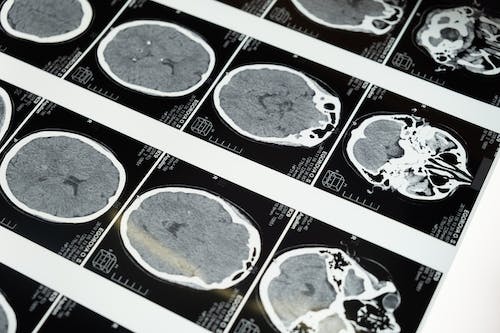
While autism is primarily characterized by differences in behavior and social interaction, these differences are rooted in the way the brain functions. Research has shown that individuals with autism often have structural and functional differences in their brains compared to neurotypical individuals.
One key difference is in how neural connections in the brain are formed and maintained. In individuals with autism, there may be fewer connections between different parts of the brain, or these connections may be weaker than in neurotypical individuals. This can result in difficulties with integrating information from different sources and making sense of complex sensory input.
These differences in neural connectivity can also affect cognitive processes such as attention, memory, and problem-solving. For example, individuals with autism may have difficulty with processing information quickly or shifting their attention between different stimuli. They may also have stronger memory for details but weaker memory for context or abstract concepts.
Understanding these differences in brain structure and function is important for developing interventions that can support individuals with autism in their daily lives. By targeting specific areas of difficulty and building on strengths, it is possible to help individuals with autism navigate the challenges they may face.
What Brain Imaging Studies Tell Us About Autism
Brain imaging techniques such as magnetic resonance imaging (MRI) and functional magnetic resonance imaging (fMRI) have provided valuable insights into the neural basis of autism. By analyzing differences in brain structure and activity between individuals with autism and neurotypical individuals, researchers have been able to identify key areas of difference that may contribute to the symptoms of autism.
One area of difference is in brain connectivity, particularly in the connections between different regions of the brain that are involved in social communication and interaction. Studies have shown that individuals with autism may have weaker connections between these regions, which could contribute to difficulties with social interaction and communication.
Another area of difference is in brain activity during social tasks. For example, research has shown that individuals with autism may show less activity than neurotypical individuals in areas of the brain associated with processing emotional and social information. This could help explain why individuals with autism may have difficulty interpreting social cues or understanding others' emotions.
Not all brain imaging studies have produced consistent results, and there is still much we don't know about how autism affects the brain. But by continuing to study these differences, we can gain a better understanding of the condition and develop more effective interventions to support individuals with autism in their daily lives.
Understanding Social Cognition and Emotional Processing in Autism
One of the hallmarks of autism is difficulty with social interaction and communication. Research has shown that this difficulty may be rooted in differences in social cognition and emotional processing.
Social cognition refers to the ability to understand and interpret social cues, such as facial expressions, tone of voice, and body language. Individuals with autism may have difficulty with this, which can make it challenging for them to pick up on subtle social cues or understand others' perspectives.
Emotional processing is another area that can be affected in individuals with autism. For example, research has shown that individuals with autism may have difficulty recognizing and responding appropriately to emotions in others or regulating their own emotions. This can lead to misunderstandings or difficulties with emotional regulation, which can contribute to behavioral challenges.
Understanding these differences in social cognition and emotional processing is important for developing interventions that can support individuals with autism in their daily lives. By providing targeted interventions that address these areas of difficulty, it is possible to help individuals with autism improve their social skills, build stronger relationships, and regulate their emotions more effectively.
How Sensory Processing Differences Affect Individuals with Autism
Sensory processing is the way that the brain receives and interprets sensory information from the environment, such as sight, sound, touch, taste, and smell. For most people, this process happens automatically and without much conscious effort. However, individuals with autism may have differences in the way that their brains process sensory information.
Research has shown that individuals with autism may be hypersensitive or hyposensitive to certain types of sensory input. For example, some individuals with autism may find certain sounds or textures overwhelming and uncomfortable, while others may seek out intense sensory experiences such as spinning or rocking.
These differences in sensory processing can have a significant impact on daily life. For example, hypersensitivity to sound may make it difficult to concentrate in a noisy environment or participate in social activities. Hyposensitivity to touch may make it difficult to feel pain or regulate body temperature.
Understanding these differences in sensory processing is important for developing interventions that can support individuals with autism in their daily lives. By providing accommodations that address these areas of difficulty, it is possible to help individuals with autism better manage sensory input and navigate the challenges they may face.
Embracing Differences in the Brain
Neurodiversity is the concept that neurological differences, including those that underlie conditions such as autism, ADHD, and dyslexia, are natural variations of the human brain. Rather than viewing these differences as deficits or disorders, the neurodiversity movement seeks to promote acceptance and appreciation for the unique strengths and perspectives of neurodiverse individuals.
Understanding the neuroscience of autism can play an important role in promoting neurodiversity. By recognizing that autism is a natural variation of the brain, we can begin to move away from stigmatizing language and attitudes towards acceptance and appreciation for the diverse ways that humans experience the world.
For example, research has shown that individuals with autism may have enhanced perceptual abilities or an exceptional memory for detail. By recognizing and valuing these strengths, we can create environments that support neurodiverse individuals and allow them to thrive.
By embracing neurodiversity, we can promote a more inclusive and compassionate society that celebrates the unique strengths and perspectives of all individuals, regardless of their neurological differences.
The Future of Autism Research
Research into autism and the brain is a rapidly evolving field, with new discoveries and breakthroughs emerging all the time. Current areas of research include investigating the genetic and environmental factors that contribute to autism, exploring the neurobiology of autism, and developing interventions and treatments that can support individuals with autism in their daily lives.
One exciting area of research is the development of personalized interventions and treatments for individuals with autism. By taking into account an individual's unique strengths, challenges, and characteristics, researchers are working towards developing targeted interventions that can help individuals with autism better manage their daily challenges and improve their overall quality of life.
For example, some researchers are exploring the use of virtual reality technology as a tool for social skills training, while others are investigating the potential benefits of cognitive-behavioral therapy or mindfulness meditation for individuals with autism.
In addition to personalized interventions, there is also ongoing research into pharmacological treatments for autism. While there is currently no cure for autism, medications such as antipsychotics or antidepressants may be used to manage specific symptoms or co-occurring conditions.
Looking to the future, there is great potential for further research into personalized interventions and treatments for autism. By continuing to explore the underlying biology of autism and taking a personalized approach to treatment, we can work towards improving outcomes and enhancing quality of life for individuals with autism and their families.
FAQs
What causes autism?
The exact cause of autism is still not fully understood, but research suggests that both genetic and environmental factors may play a role. Studies have identified several genes that are associated with increased risk for autism, but these genetic factors are only part of the picture. Environmental factors such as prenatal exposure to certain chemicals or infections may also contribute to the development of autism.
Is there a cure for autism?
There is currently no cure for autism, but early intervention and targeted therapies can help individuals with autism manage their symptoms and improve their quality of life. The goal of treatment is to address areas of difficulty while building on individual strengths and promoting independence.
Can brain imaging be used to diagnose autism?
While brain imaging can provide valuable insights into the neural basis of autism, it is not currently used as a diagnostic tool. Diagnosis is typically based on behavioral observations and assessments by healthcare professionals who specialize in working with individuals with autism.
Are all individuals with autism the same?
No, every individual with autism is unique, and symptoms can vary widely from person to person. Autism is often referred to as a spectrum because it encompasses a wide range of symptoms and severity levels.
Can individuals with autism lead successful lives?
Absolutely! With the right support and interventions, individuals with autism can lead fulfilling lives and achieve their goals. Many individuals with autism have gone on to pursue successful careers in fields such as science, technology, engineering, and mathematics (STEM), among others.
Summary
In this article, we have explored the neuroscience of autism and how differences in the brain can impact social interaction, emotional processing, sensory perception, and other areas of daily life. We have also discussed the concept of neurodiversity and the importance of embracing differences in the brain.
By understanding autism from a neurological perspective, we can move away from harmful stereotypes and stigmatizing attitudes towards acceptance and appreciation for the unique strengths and perspectives of neurodiverse individuals. By providing targeted interventions that address areas of difficulty, we can help individuals with autism better manage their daily challenges and thrive in their environments.
It is important to remember that every individual with autism is unique, with their own strengths, challenges, and experiences. By recognizing and valuing these differences, we can create a more inclusive and compassionate society that celebrates neurodiversity and embraces the full spectrum of human diversity.
In conclusion, our understanding of the neuroscience of autism is continually evolving, but one thing remains clear: by working towards greater understanding and acceptance of neurodiverse individuals, we can build a brighter future for all.
Sources
Get started today
Ready to talk about ABA therapy?
Apex ABA Therapy helps families in North Carolina, Maryland, and Georgia access in-home, school-based, and daycare ABA services.

.jpeg)