
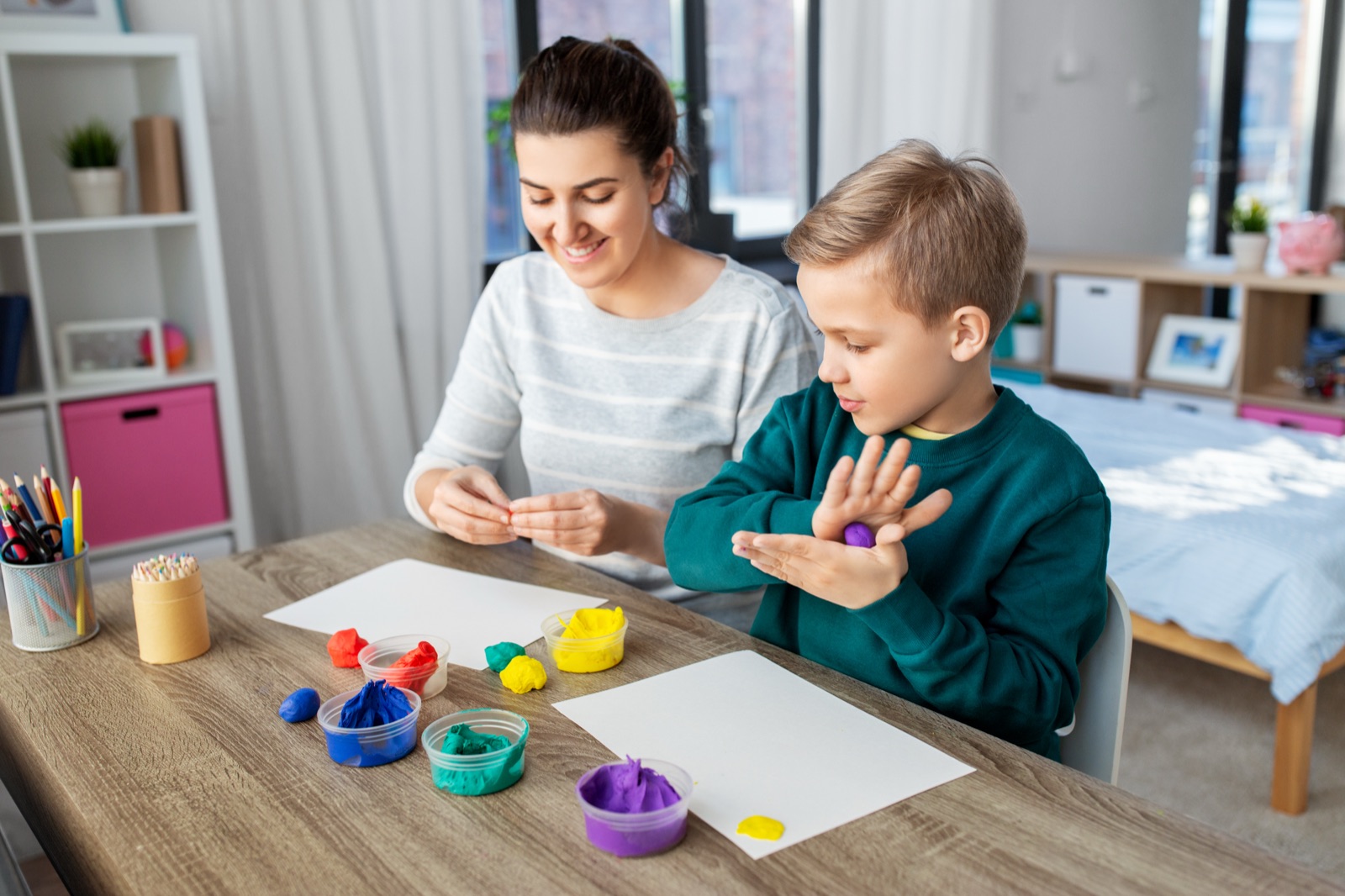
Benefits of Outdoor Play for Autism
Discover the benefits of outdoor play for autism. Boost motor skills, sensory integration, and social connections.
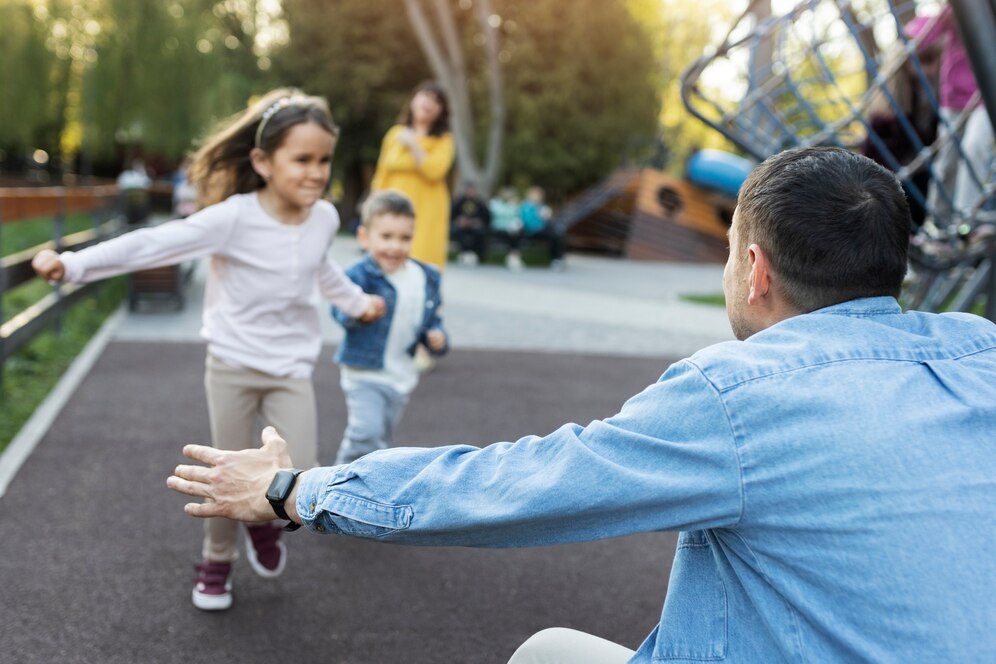
Benefits of Outdoor Play for Autism
Outdoor play provides a multitude of benefits for individuals with autism spectrum disorder (ASD). It offers unique opportunities for self-discovery, communication, self-confidence, friendships, and independence, contributing to their overall development [1]. Let's explore the importance of outdoor play for individuals with autism and how it can enhance their overall experience.
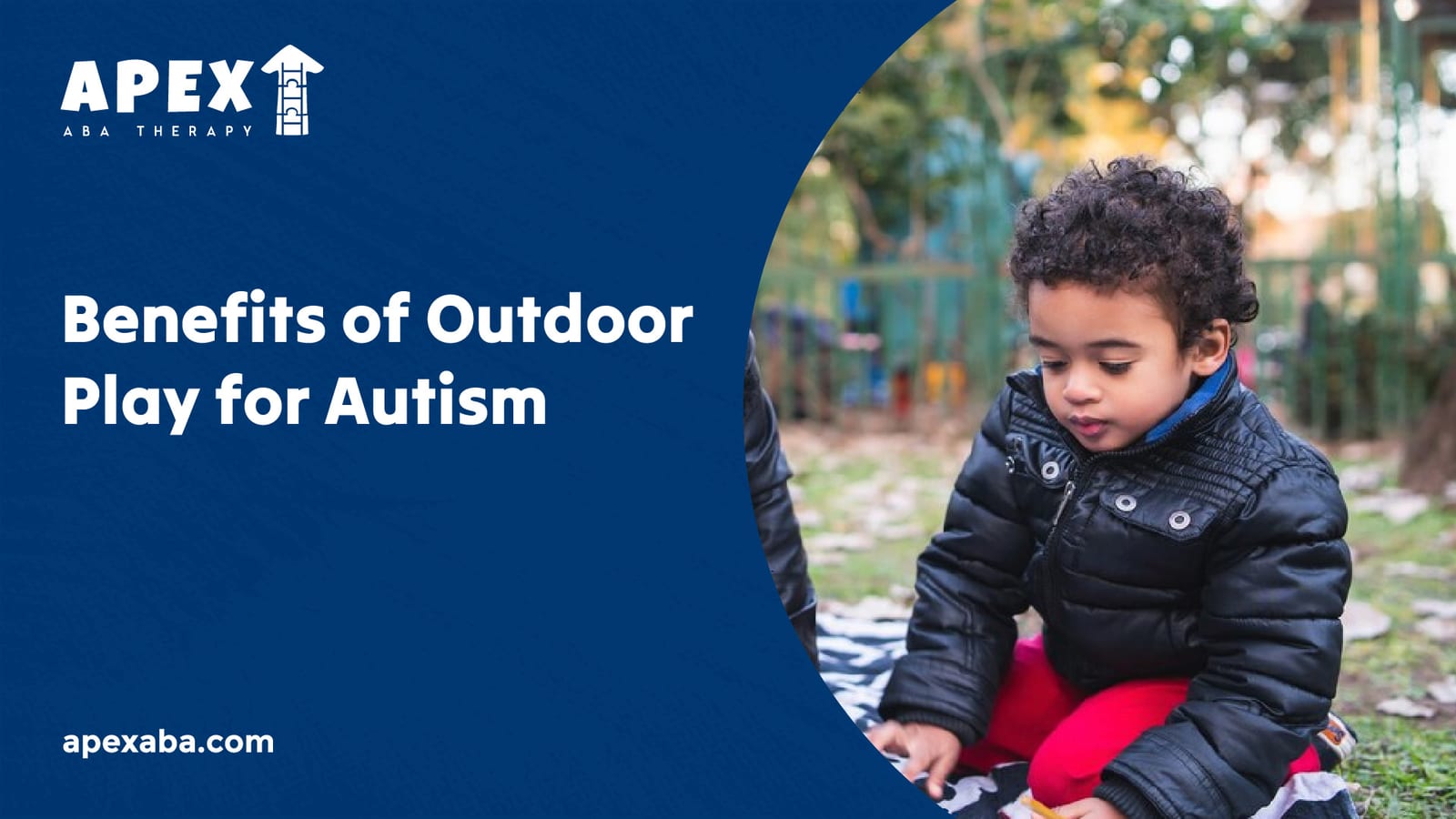
Importance of Outdoor Play
Enjoying time outdoors, regardless of the season, can be a valuable experience for individuals with autism. It offers a range of learning opportunities and sensory experiences that can positively impact their development. Outdoor play encourages exploration and self-discovery, allowing individuals with autism to engage with their surroundings and interact with nature.
Being in nature can provide a calming and soothing effect, reducing stress and anxiety levels. The natural environment offers a sensory-rich experience, stimulating the senses and promoting sensory integration. This can be particularly beneficial for individuals with sensory processing difficulties commonly associated with autism.
In addition, outdoor play promotes physical activity, which is essential for overall health and well-being. Engaging in physical activities outdoors helps develop motor skills, coordination, balance, and spatial awareness. Research shows that exercise and outdoor play have positive effects on children with autism, enhancing their physical development and overall cognitive functioning [2].
Enhancing the Outdoor Experience
To ensure that outdoor play is enjoyable and beneficial for individuals with autism, there are various ways to enhance the overall experience. One approach is to create a supportive and structured environment. This can be achieved by establishing routines and providing clear expectations and guidelines. Predictability and consistency can help individuals with autism feel more comfortable and confident in their outdoor play experiences.
Another way to enhance the outdoor experience is by participating in local family-friendly events, such as festivals and concerts. These events can provide opportunities for individuals with autism to engage with others and enjoy the community atmosphere. Having the support of extra adults around can also help make the experience more enjoyable and stress-free for everyone.
By embracing outdoor play, individuals with autism can reap the numerous benefits it offers. From promoting physical development and sensory integration to fostering self-confidence and social connections, spending time outdoors can be a transformative experience for individuals with autism.
Preparing for Outdoor Adventures
Before embarking on outdoor adventures with children with autism, proper preparation is key to ensure a positive and stress-free experience. This section focuses on two essential aspects of preparation: creating a picture schedule and choosing suitable activities.
Creating a Picture Schedule
Creating a visual schedule can greatly benefit children with autism, providing them with a clear understanding of the sequence of activities during the outdoor adventure. A picture schedule visually represents each step of the plan, helping the child anticipate what comes next and reducing anxiety. This step-by-step visual guide can be created using pictures, symbols, or words, depending on the child's preferences and communication abilities.
By involving the child in the creation of the picture schedule, you can encourage their participation and sense of ownership. Discussing the schedule ahead of time allows them to feel prepared, easing their transition into the outdoor environment. Visual schedules are particularly useful for children who thrive on routine and benefit from visual supports.
Choosing Suitable Activities
When planning outdoor adventures for children with autism, it's important to choose activities that align with their preferences and comfort levels. By considering their interests, sensory sensitivities, and individual needs, you can ensure that the activities are enjoyable and engaging for them.
Some children with autism may have specific interests or sensory preferences, such as water play, nature walks, or playground activities. Tailoring the outdoor experience to incorporate these interests can enhance their enjoyment and overall engagement. It's also important to consider their comfort levels with various stimuli, such as noise, crowds, or certain textures, and select activities that accommodate their sensitivities.
By choosing suitable activities, you create an environment where children with autism can thrive and fully participate. This can contribute to their overall well-being and promote positive outcomes in behavior and social-emotional development.
Remember, outdoor play for children with autism offers numerous benefits, including improved physical health, concentration levels, social connections, and communication skills. It also stimulates the development of fine and gross motor skills [3]. To explore these benefits further, continue reading our sections on Health Benefits of Outdoor Activities and Social and Emotional Development.
Ensuring Safety Outdoors
When engaging in outdoor play, ensuring the safety of children with autism is of utmost importance. It is essential to take precautions that consider their unique needs and characteristics. By providing a safe space and maintaining routines, we can create an environment where they can enjoy outdoor adventures with confidence and peace of mind.
Providing a Safe Space
Creating a safe space in the outdoors is crucial for children with autism. This space should be away from excessive activity and noise, providing them with a quiet and comforting spot to relax if they feel overwhelmed or overexcited during the adventure. This designated area can serve as a retreat where they can take breaks, regroup, and regain a sense of calmness.
When establishing a safe space, consider the following:
- Choose a secluded area away from crowds and loud noises.
- Provide sensory-friendly elements, such as comfortable seating or a cozy corner.
- Ensure the space is easily accessible and visible to caregivers or supervisors.
- Have calming activities or materials available, such as fidget toys or headphones.
By having a safe space readily available, children with autism can feel secure and supported, allowing them to fully enjoy their outdoor experience.
Maintaining Routines
Children with autism thrive on routine and predictability. Maintaining routines similar to those at home during outdoor adventures can help them feel more at ease and comfortable [4]. By incorporating familiar activities, breaks, and snacks, you can provide a sense of continuity and reduce anxiety.
Consider the following tips for maintaining routines outdoors:
- Plan the day's activities with familiar structures and schedules in mind.
- Provide visual schedules or picture supports to help children understand and anticipate what will happen next.
- Allow for breaks and downtime to prevent sensory overload or fatigue.
- Bring familiar items, such as favorite toys or comfort objects, to provide a sense of security.
By adhering to familiar routines, children with autism can navigate the outdoor environment with greater ease and confidence. This predictability helps them feel more in control and reduces stress or meltdowns that may arise due to unexpected changes.
Remember that safety should always be a top priority when children with autism participate in outdoor activities. Supervision should be provided at all times, and extra precautions should be taken to prevent wandering, drowning, and accidental injury [2]. Communicating water safety rules, ensuring they can be identified if lost, and keeping a first aid kit on hand are important strategies to ensure their safety during outdoor activities [5].
By providing a safe space and maintaining routines, we can facilitate a positive and enjoyable outdoor experience for children with autism, allowing them to reap the numerous benefits that outdoor play offers for their overall well-being.
Involving Children in Planning
To make outdoor adventures more enjoyable and engaging for children with autism, involving them in the planning process can be highly beneficial. This collaborative approach not only empowers children but also allows them to share their preferences and thoughts, creating a more positive and inclusive atmosphere during outdoor play [4].
Encouraging Preferences Sharing
When planning outdoor activities for children with autism, it's important to encourage them to share their preferences and interests. This can be done through open and supportive communication. By actively listening to their ideas, parents, caregivers, and educators can gain insight into the specific activities, environments, or themes that children find most appealing.
For example, if a child expresses a fondness for animals, incorporating a visit to a petting zoo or a nature trail where they can observe wildlife may be an exciting and engaging option. By tailoring the outdoor experience to their preferences, children are more likely to feel motivated and enthusiastic about participating in the activities.
Positive Collaboration Atmosphere
Creating a positive and collaborative atmosphere during the planning process is essential. Allowing children to participate in decision-making fosters a sense of control, autonomy, and excitement. This can be achieved by presenting them with choices and involving them in discussions about the activities, locations, or even the timing of the outdoor adventures.
Parents, caregivers, and educators can guide the planning process by offering suggestions and options while also valuing and respecting the input provided by the child. It's important to maintain a non-judgmental and supportive environment, where all ideas are considered and appreciated.
By involving children with autism in the planning stage, their interests and preferences are acknowledged, and they feel valued as active contributors to the outdoor experience. This collaborative approach enhances their sense of ownership, which can lead to a more enjoyable and enriching time outdoors.
In the next section, we will explore the health benefits of outdoor activities for children with autism, focusing on motor skills development and sensory integration improvement. Stay tuned!
Internal links:
- supporting autism during the holidays
- self-care for parents of children with autism
- using social media with children with autism
- preparing for a new school year with autism
- cognitive behavioral therapy in autism
- supporting autism during family gatherings
- addressing picky eating in autism
- supporting autism during potty training
- technology-assisted interventions in autism
- addressing hyperactivity in autism
- developing coping skills in autism
- benefits of peer support programs for autism
- supporting autism during a hospital stay
- virtual reality in autism therapy
Health Benefits of Outdoor Activities
Engaging in outdoor activities offers several health benefits for individuals with autism. These activities promote the development of motor skills and sensory integration, contributing to overall well-being.
Motor Skills Development
Physical activity plays a remarkable role in promoting motor skills and cognitive development in individuals with autism. Outdoor exercise helps improve balance, coordination, and spatial awareness, which are essential for everyday movements and activities [6]. By participating in outdoor play, individuals with autism have the opportunity to engage in activities that enhance their motor skills, such as running, jumping, climbing, and throwing.
Outdoor play also fosters confidence, achievement, and self-belief. As individuals with autism explore their surroundings and engage in various physical activities, they gain a sense of accomplishment and develop a positive self-image. These experiences can contribute to improved overall motor skills and a greater sense of physical competence.
Sensory Integration Improvement
Outdoor physical activities offer valuable opportunities for individuals with autism to improve sensory integration and emotional regulation. Interacting with nature and the outdoors can have a calming effect and enhance overall well-being. The sensory-rich environment of the outdoors provides individuals with autism with diverse stimuli that can help them process sensory information more effectively [6].
Outdoor play allows individuals with autism to engage with different textures, sounds, sights, and smells, which can help improve sensory processing skills. The exposure to natural elements like grass, sand, and water provides sensory experiences that can contribute to better sensory integration. These experiences may lead to an increased sense of calm, improved emotional regulation, and a greater sense of well-being.
Research suggests that exercise interventions, including outdoor play, can lead to improvements in communication, social skills, motor skills, cognitive abilities, and overall well-being for children with autism [2]. Despite the immense benefits of physical activity, it is important to note that rates of physical activity tend to be lower in children with autism compared to their neurotypical peers. Encouraging and facilitating outdoor play can help bridge this gap and provide individuals with autism with the opportunity to enjoy the numerous benefits of exercise.
By engaging in outdoor activities, individuals with autism can improve their motor skills and sensory integration, leading to enhanced physical and emotional well-being. Outdoor play provides a supportive environment for individuals with autism to develop and refine their motor skills while enjoying the benefits of being in nature.
Social and Emotional Development
Engaging in outdoor play provides valuable opportunities for children with autism to develop social connections and enhance their communication skills. The outdoor environment offers a space for interaction with peers and fosters a sense of belonging within a supportive community.
Building Social Connections
Outdoor play allows children with autism to socialize with their peers in an unstructured environment. This informal setting provides opportunities for spontaneous interactions, shared experiences, and collaboration. By engaging in play activities together, children can develop social connections and build relationships.
During outdoor play, children with autism have the chance to practice important social skills such as active listening, turn-taking, and cooperation. They learn to navigate social cues and understand the dynamics of social interactions. These experiences contribute to their social-emotional development and help them develop a sense of belonging and inclusion.
Enhancing Communication Skills
Outdoor play also plays a significant role in enhancing communication skills for children with autism. The less structured nature of outdoor environments encourages children to engage in natural and authentic communication. They have the opportunity to initiate and respond to conversations, use non-verbal communication, and express their needs and preferences.
Outdoor play can also stimulate imaginative play, which promotes language development and creativity. Children with autism can engage in pretend play scenarios, storytelling, and role-playing, offering them opportunities to practice verbal and non-verbal communication skills in a relaxed and enjoyable setting.
By engaging in outdoor play, children with autism can develop their social connections, enhance their communication skills, and build confidence in their interactions with others. The benefits of outdoor play extend beyond physical activity and contribute to their overall social-emotional development. To learn more about the benefits of outdoor play for children with autism, explore our article on outdoor play for autism.
References
Get started today
Ready to talk about ABA therapy?
Apex ABA Therapy helps families in North Carolina, Maryland, and Georgia access in-home, school-based, and daycare ABA services.