

Can You Join The Military With Autism?
Explore this guide to understand the factors that may contribute to autism risk in a relatable way. Gain insights into the complexities of neurodiversity and make informed decisions with a compassionate perspective.
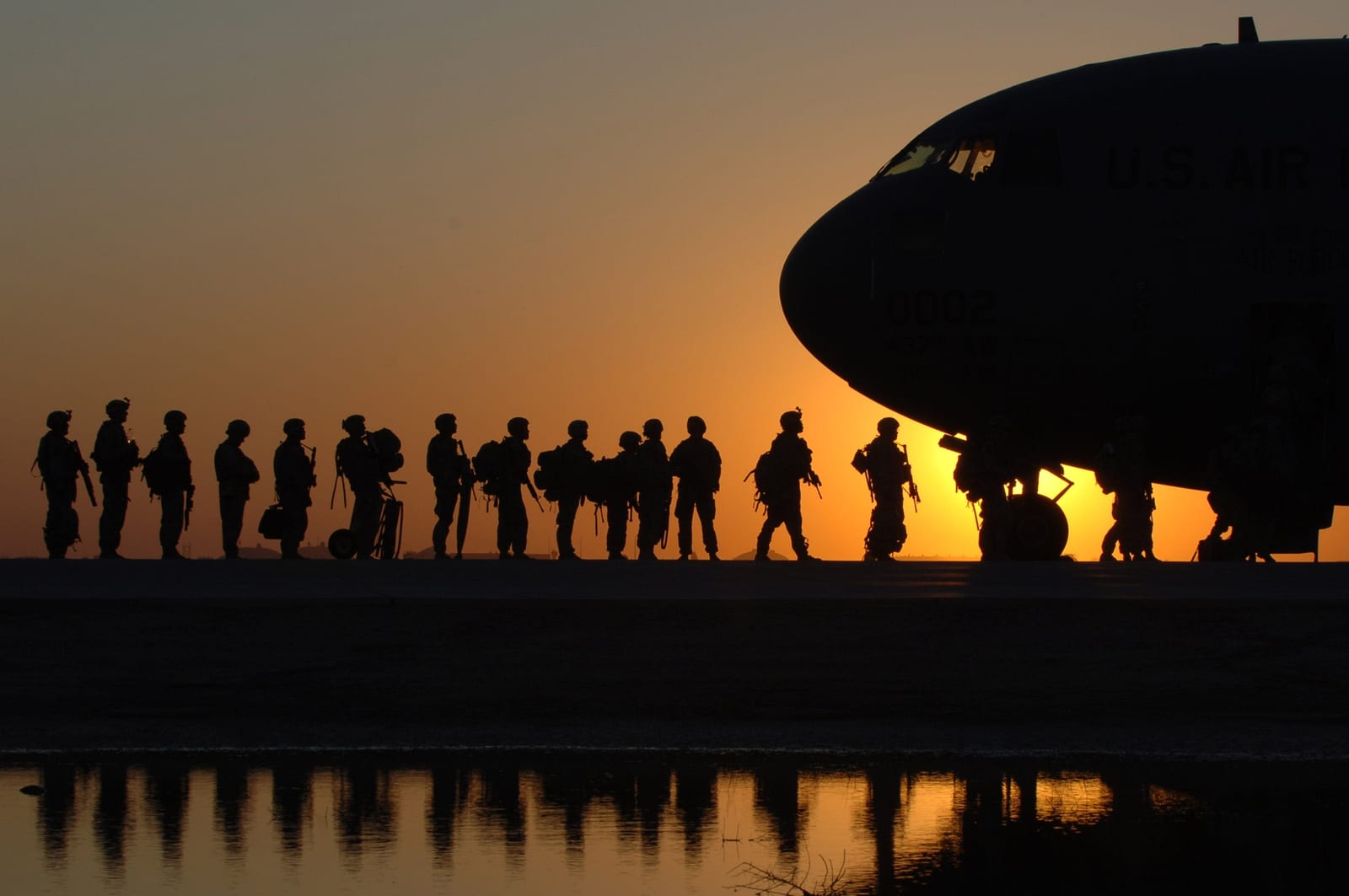
Autism and Military Service
For individuals with autism who have a desire to serve in the military, it is important to understand the relationship between autism spectrum disorder (ASD) and military service eligibility. This section will provide an overview of autism spectrum disorder and delve into the topic of military service eligibility for individuals with autism.
Understanding Autism Spectrum Disorder
Autism spectrum disorder (ASD) is a neurodevelopmental disorder that affects social interaction, communication, and behavior. It is characterized by a wide range of symptoms and challenges, which can vary greatly from person to person. Individuals with autism may have difficulties with social interaction, sensory sensitivities, repetitive behaviors, and communication.
Autism is a spectrum, meaning that individuals can have varying degrees of impairment and strengths. While some individuals with autism may face significant challenges in certain areas, others may have exceptional abilities in different aspects.
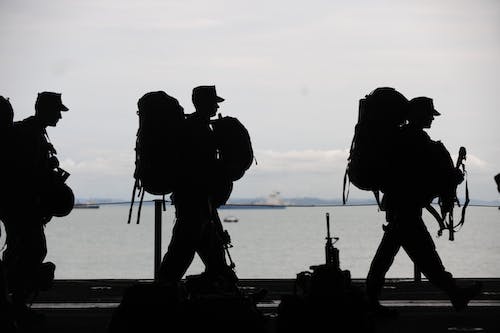
Military Service Eligibility and Autism
When it comes to military service eligibility, the policies and guidelines regarding individuals with autism have evolved over time. The current policy takes into consideration the unique characteristics and challenges associated with autism spectrum disorder.
To join the military, individuals must meet certain medical and psychological standards. Previously, a diagnosis of autism was generally disqualifying. However, the military has recognized that individuals with autism can possess valuable skills and abilities that can contribute to military service. As a result, the policy has been adjusted to allow for case-by-case evaluations for individuals with autism who wish to serve.
It's important to understand that each branch of the military has its own specific guidelines and criteria for evaluating individuals with autism. These guidelines may consider factors such as the severity of symptoms, functional abilities, and the need for accommodations. The decision to grant a waiver for military service eligibility for individuals with autism is made on a case-by-case basis, taking into account the individual's unique circumstances.
Understanding the relationship between autism and military service eligibility is crucial for individuals with autism who aspire to serve in the military. By staying informed about the current policies and guidelines, individuals and their caregivers can make informed decisions and explore the possibilities available.
The Current Policy
To understand the possibilities and considerations regarding autism and military service, it is important to examine the current military policy in relation to individuals with autism. This section provides an overview of the current military policy as well as the requirements and restrictions that exist for individuals with autism.
Overview of the Current Military Policy
The current military policy regarding individuals with autism is designed to ensure the safety and well-being of all service members. The policy takes into account the unique challenges and needs associated with autism spectrum disorder (ASD) while considering the requirements of military service.
Under the current policy, individuals with autism are generally considered ineligible for military service due to the potential impact of their condition on their ability to meet the demands and responsibilities of military duties. Each branch of the military may have its own specific guidelines and criteria, which may vary slightly.
Requirements and Restrictions for Individuals with Autism
The requirements and restrictions for individuals with autism in relation to military service are based on several factors, including the severity of the condition and the functional limitations it may present. While the specific criteria may vary by branch, the general considerations include:
- Diagnosis: A formal diagnosis of autism spectrum disorder is typically required for individuals seeking to join the military. This diagnosis needs to be made by a qualified healthcare professional.
- Functional Limitations: The military assesses an individual's ability to meet certain physical, cognitive, and behavioral standards. Individuals with autism may face challenges in areas such as communication, social interaction, and adapting to changes, which could impact their ability to meet these standards.
- Medical and Behavioral History: The military evaluates an individual's medical and behavioral history to assess their overall health and potential risks. Any history of significant behavioral or psychological issues related to autism may be considered as a factor in determining eligibility.
- Medication and Treatment: The use of certain medications or ongoing treatment for autism may also be taken into consideration during the evaluation process. The impact of medication on an individual's physical and cognitive abilities is carefully assessed.
The military's policy regarding autism and eligibility is subject to change, and there have been discussions and proposals for potential alterations to the policy. In the next section, we will explore these proposed changes and the advocacy efforts surrounding inclusion for individuals with autism in military service.
Potential Changes and Considerations
As our understanding of autism spectrum disorder (ASD) continues to evolve, there have been discussions and proposals for potential changes to the policy regarding military service eligibility for individuals with autism. These proposed changes aim to promote inclusion and provide opportunities for individuals with autism to serve in the military.
Proposed Changes to the Policy
Advocacy groups and experts have put forth several proposed changes to the existing military policy on autism and service eligibility. These proposals are based on research, personal experiences, and a growing recognition of the unique abilities and strengths that individuals with autism can bring to the military.
One proposed change is the revision of the current medical screening process. Advocates argue that the screening should focus more on an individual's specific abilities, skills, and overall suitability for military service rather than solely relying on a diagnosis of autism. This would involve a more comprehensive evaluation that takes into account an individual's functional capabilities, cognitive abilities, and adaptability.
Another proposed change is the implementation of autism-specific training programs for military personnel. These programs would provide education and awareness about autism, helping service members understand and support their colleagues with autism. By promoting a more inclusive and supportive environment, these training programs would create opportunities for individuals with autism to thrive in the military.
Advocacy Efforts for Inclusion
Advocacy efforts for inclusion play a crucial role in driving potential changes to the military policy regarding autism and service eligibility. Various organizations and individuals are working tirelessly to raise awareness, challenge stereotypes, and advocate for the rights and opportunities of individuals with autism who aspire to serve in the military.
These advocacy efforts involve collaboration with military officials, policymakers, and community leaders to foster a better understanding of autism and its potential impact on military service. By sharing personal stories, research findings, and success stories of individuals with autism in other fields, advocates aim to dispel misconceptions and demonstrate the valuable contributions that individuals with autism can make to the military.
Through ongoing advocacy, the hope is to create a more inclusive military that recognizes the diverse talents and strengths of individuals with autism. This would not only provide opportunities for individuals with autism to pursue their military aspirations but also enrich the military community with their unique perspectives and abilities.
While there are potential changes on the horizon, the current military policy regarding autism and service eligibility remains in effect.
In the following section, we will delve deeper into the abilities and skills that individuals with autism possess and how these factors can be considered in assessing their suitability for military service.
Abilities and Skills
Individuals with autism possess unique abilities and strengths that can contribute to various aspects of society, including military service. It is important to highlight these strengths and consider how they can be assessed when evaluating suitability for military service.
Highlighting the Strengths of Individuals with Autism
Autism is a neurodevelopmental disorder that affects individuals in different ways. While some challenges may be present, individuals with autism also possess a range of strengths and abilities that can be valuable in different contexts, including the military.
- Attention to Detail: Many individuals with autism have a keen eye for detail and a strong ability to focus on specific tasks. This attention to detail can be beneficial in roles that require precision and thoroughness, such as intelligence analysis or technical support.
- Memory Skills: Some individuals with autism have exceptional memory skills, enabling them to retain and recall large amounts of information. This can be advantageous in roles that involve memorization of protocols, codes, or procedures.
- Pattern Recognition: People with autism often excel in recognizing patterns and identifying anomalies. This skill can be valuable in roles that require identifying trends, analyzing data, or detecting potential threats.
- Logical and Analytical Thinking: Many individuals with autism possess strong logical and analytical thinking abilities. These skills can be beneficial in problem-solving, strategic planning, and decision-making tasks.
- Dedication and Focus: Individuals with autism often exhibit high levels of dedication and commitment to tasks they find meaningful. This level of focus and determination can contribute to success in military training and the completion of assigned duties.
Assessing Suitability for Military Service
While individuals with autism have unique strengths, it is important to assess their suitability for military service on an individual basis. The evaluation process should consider the specific needs and abilities of each person.
Assessment for military service typically includes medical and psychological evaluations, physical fitness tests, and interviews. During these assessments, the focus should be on determining an individual's ability to meet the physical, cognitive, and emotional demands of military service.
It is crucial to approach the assessment process with an understanding of autism and its potential impact on various aspects of military service. This requires knowledgeable professionals who can evaluate an individual's abilities and limitations accurately.
The military may also consider reasonable accommodations to support individuals with autism in meeting the requirements of military service. These accommodations could include tailored training programs, modifications to the recruitment process, or support from specialized personnel.
By recognizing and considering the unique abilities and strengths of individuals with autism, while also assessing their suitability for military service in a fair and informed manner, we can ensure a more inclusive approach to recruitment and create opportunities for those who can contribute meaningfully to the military community.
Support and Resources
Individuals with autism who are interested in pursuing a military career or exploring military service options can benefit from various support and resources. These resources aim to provide guidance, assistance, and opportunities for individuals with autism to navigate the challenges and find suitable pathways.
Available Support for Individuals with Autism
Support for individuals with autism considering military service is available through various organizations and programs. These resources offer valuable information, guidance, and assistance to help individuals with autism make informed decisions and explore their options. Some of the available support includes:
Organization/Program and Description
- Autism Speaks: Provides resources, advocacy efforts, and community support for individuals with autism and their families.
- Autism Society: Offers information, support groups, and resources to individuals with autism and their families.
- Military Families Learning Network: Provides webinars, resources, and support for military families, including those with individuals on the autism spectrum.
- Department of Defense Exceptional Family Member Program (EFMP): Offers support and resources for military families with special needs, including autism. The EFMP provides assistance in navigating the military system, accessing services, and connecting with appropriate resources.
- Autism Waiver for Military: Provides information on the autism waiver process for military service, which may allow individuals with autism to join the military under certain circumstances.
These resources can provide valuable information, support, and connections for individuals with autism who are interested in pursuing a military career. It's important to research and reach out to these organizations to access the specific support and resources they offer.
Transitioning to Civilian Careers
While military service may not be an option for everyone with autism, there are various opportunities available for transitioning to civilian careers. Many organizations and programs focus on providing vocational training, employment support, and career development for individuals with autism. These resources can assist in finding meaningful employment and achieving independence. Some programs and initiatives include:
Organization/Program and Description
- Autism at Work: Collaborates with employers to create inclusive workplaces and provides resources for individuals with autism seeking employment.
- The Spectrum Careers: Offers job training, career coaching, and employment opportunities specifically tailored to individuals on the autism spectrum.
- Autism Speaks Employment Tool Kit: Provides resources, tips, and guidance for individuals with autism and their families on finding and maintaining employment.
- Job Accommodation Network (JAN): Offers guidance and resources on workplace accommodations and employment rights for individuals with disabilities, including autism.
These resources can assist individuals with autism in finding suitable career paths, developing necessary skills, and accessing employment opportunities. Exploring these programs and organizations can provide valuable support and guidance for individuals with autism transitioning to civilian careers.
By utilizing the available support and resources, individuals with autism can explore their options, access guidance, and connect with communities that understand their unique needs and challenges. These resources aim to empower individuals with autism to pursue their goals and find meaningful pathways in both military and civilian contexts.
Abilities and Skills
Individuals with autism possess unique abilities and skills that can be valuable in various contexts, including military service. It is important to recognize and highlight these strengths when considering the eligibility of individuals with autism for military service.
Highlighting the Strengths of Individuals with Autism
Autism Spectrum Disorder (ASD) is a neurodevelopmental condition characterized by differences in social communication and interaction, as well as restricted and repetitive behaviors. While individuals with autism may face certain challenges, they also possess many strengths that can contribute to the military community.
- Attention to Detail: Individuals with autism often have a remarkable ability to focus on details and exhibit heightened attention to specific tasks. This attention to detail can be advantageous in roles that require precision and careful observation.
- Logical Thinking: Many individuals with autism excel in logical and analytical thinking. They often possess exceptional problem-solving skills and can approach tasks in a systematic and methodical manner.
- Memorization and Recall: Some individuals with autism have an exceptional memory and recall abilities. This can be beneficial in roles that involve memorizing and recalling important information, such as codes, procedures, or maps.
- Dedication and Loyalty: Individuals with autism often demonstrate high levels of dedication and loyalty. Once committed to a task or goal, they tend to be highly motivated and persistent, making them reliable and dependable team members.
- Specialized Knowledge and Interests: People with autism often develop intense interests in specific subjects. This focused knowledge and expertise can be harnessed in roles that require specialized skills, such as technical or scientific fields.
Assessing Suitability for Military Service
When considering the suitability of individuals with autism for military service, it is important to assess their individual abilities, strengths, and challenges. A comprehensive evaluation, including assessments of cognitive abilities, physical fitness, and social skills, can provide a clearer understanding of an individual's potential for success in the military.
The military may have specific criteria and requirements for individuals with autism to ensure they can meet the demands of the service. These criteria may involve considerations such as communication skills, adaptability, and the ability to work in a team. It is important to review the current military policy and any proposed changes to stay informed about eligibility criteria and potential waivers for individuals with autism.
Support and resources are available for individuals with autism who are interested in pursuing military service. These resources can provide guidance on navigating the recruitment process, accessing accommodations and support services, and transitioning to civilian careers if military service is not an option.
By recognizing and appreciating the abilities and strengths of individuals with autism, we can foster a more inclusive society that values the unique contributions of all individuals, including those who may have autism.
Summary
As we conclude our exploration of the Autism Risk Calculator, it's important to recognize the human dimensions involved. This tool offers insights into the factors that may contribute to autism risk, providing valuable information for families and individuals.
However, it's crucial to approach this knowledge with sensitivity, understanding that each person's journey is unique. The calculator serves as a guide, but it's not a crystal ball. Let's remember the human touch in navigating these considerations, embracing diversity, and fostering a supportive environment for those on every part of the neurodiversity spectrum. In this shared journey, compassion and understanding play pivotal roles.
Sources
Get started today
Ready to talk about ABA therapy?
Apex ABA Therapy helps families in North Carolina, Maryland, and Georgia access in-home, school-based, and daycare ABA services.
Popular services
Serving families in