Sibling Responsibilities and Autism: How to Support a Brother or Sister?
Having a sibling with autism can be both challenging and rewarding. As a sibling, you may feel a sense of responsibility to help and support your brother or sister with autism.
.jpeg)
The Importance of Sibling Support
When it comes to autism, the support and understanding of siblings play a vital role in nurturing healthy relationships within the family. Siblings of individuals with autism face unique challenges and experiences that require attention and support. In this section, we will explore the importance of sibling support by understanding the impact of autism on siblings and the role they play in supporting individuals with autism.
Understanding the Impact of Autism on Siblings
Growing up with a sibling who has autism can have a profound impact on the lives of other siblings. Siblings may experience a range of emotions, including love, compassion, frustration, and even confusion. They may witness their sibling facing challenges in communication, social interaction, and behavior, which can sometimes be difficult to understand.
It is important to recognize that siblings of individuals with autism may have different experiences and needs compared to their peers. They may assume additional responsibilities, experience feelings of isolation or resentment, or have concerns about their future role in the family. By acknowledging and addressing these emotions and challenges, parents and caregivers can create an environment that fosters open communication and support.
The Role of Siblings in Supporting Individuals with Autism
Siblings often play a crucial role in supporting individuals with autism. They can be a source of comfort, companionship, and understanding. Siblings may develop a deep bond with their brother or sister with autism, which can positively impact their overall development and social skills.
By engaging in activities together, siblings can promote social interaction and communication skills in individuals with autism. They can act as a bridge between their sibling and the outside world, helping them navigate social situations and fostering a sense of inclusion.
In addition, siblings can serve as advocates for their brother or sister with autism. They can help educate others about autism, promote acceptance, and challenge misconceptions. By providing support and understanding, siblings can contribute to the well-being and overall development of their sibling with autism.
It is essential for parents and caregivers to create an environment that encourages positive sibling interactions and facilitates open communication. By seeking professional support and guidance, such as sibling support groups and programs, families can access resources and strategies to help siblings navigate their unique experiences and develop healthy relationships.
By recognizing the importance of sibling support, parents and caregivers can foster an inclusive and supportive environment for all family members, promoting the well-being and growth of individuals with autism and their siblings alike.

Nurturing Relationships with Autism
When it comes to supporting individuals with autism, siblings play a significant role in fostering understanding, empathy, and connection. Nurturing these relationships is essential for creating a supportive and inclusive environment. In this section, we will explore two key aspects of nurturing relationships with autism: building understanding and empathy, and encouraging communication and connection.
Building Understanding and Empathy
Building understanding and empathy is crucial in helping siblings develop a deeper appreciation and acceptance of their sibling with autism. Here are some strategies to promote understanding and empathy:
- Education and Awareness: Encourage siblings to learn about autism by providing age-appropriate resources, such as books or videos, that explain the characteristics of autism. This can help them gain insight into their sibling's unique experiences and challenges.
- Open Communication: Create a safe and open environment for siblings to ask questions and express their feelings. Encourage open dialogue by actively listening and validating their emotions. This can help them process their own experiences and develop empathy towards their sibling.
- Shared Experiences: Engage siblings in activities that promote shared experiences and bonding. Encourage them to participate in activities that their sibling with autism enjoys, such as playing sensory games or engaging in special interests. This can foster a sense of connection and strengthen their relationship.
Encouraging Communication and Connection
Effective communication and connection are essential for building strong sibling relationships when autism is present. Here are some strategies to promote communication and connection:
- Visual Supports: Utilize visual supports, such as visual schedules or social stories, to enhance communication and understanding. These tools can help siblings better comprehend their sibling's needs and routines, promoting smoother interactions and reducing misunderstandings.
- Social Skills Training: Provide siblings with opportunities to develop social skills and communication strategies specific to interacting with individuals with autism. This can include teaching them to use clear and concise language, practicing patience, and understanding non-verbal cues.
- Sibling Bonding Activities: Encourage siblings to engage in activities that foster bonding and create opportunities for shared interests. This can involve engaging in hobbies together, going on outings, or participating in sibling support groups or programs. These activities can strengthen their connection and provide a supportive network.
By focusing on building understanding and empathy, as well as encouraging communication and connection, siblings can develop strong and supportive relationships with their sibling with autism. It is important for parents and caregivers to facilitate these interactions and provide ongoing support to both siblings. Remember, each sibling's experience will be unique, and it's important to tailor strategies to their individual needs.
Supporting Siblings in Daily Life
When it comes to supporting siblings of individuals with autism, creating a structured and inclusive environment is key. It's important to recognize the unique challenges and needs that siblings may face and provide them with the necessary support and resources. Additionally, finding a balance between individual needs and responsibilities is essential for fostering a healthy and harmonious family dynamic.
Creating a Structured and Inclusive Environment
A structured environment can provide stability and predictability for both individuals with autism and their siblings. Establishing daily routines and schedules can help siblings understand what to expect and navigate their responsibilities effectively. Visual supports, such as visual schedules and social stories, can be beneficial in promoting understanding and reducing anxiety. These tools can be particularly helpful for siblings who may struggle with adapting to unexpected changes.
In addition to structure, it is important to create an inclusive environment where all family members feel valued and understood. Encouraging open communication and fostering a sense of acceptance can help siblings develop empathy and strengthen their bond with their sibling with autism. Providing opportunities for shared experiences and quality time can also promote positive sibling interactions.
Balancing Individual Needs and Responsibilities
Finding a balance between individual needs and responsibilities is crucial for supporting siblings in daily life. It's important to recognize that siblings of individuals with autism may have unique challenges and may require additional support and attention. Allocating one-on-one time with each sibling can help them feel heard and valued.
At the same time, siblings should be encouraged to take on age-appropriate responsibilities within the family. This can help foster a sense of competence and contribute to the overall well-being of the family unit. However, it's important to strike a balance and avoid placing excessive expectations or burdens on siblings. Regular check-ins and open communication can help ensure that responsibilities are manageable and adjusted as needed.
Remember, supporting siblings in daily life goes beyond the immediate family. Seeking additional resources, such as professional support and guidance, can provide valuable insights and strategies. Sibling support groups and programs can also offer a sense of community and a platform for siblings to share their experiences.
By creating a structured and inclusive environment while balancing individual needs and responsibilities, siblings of individuals with autism can feel supported and empowered. The journey of navigating life with autism is a collective effort, and by providing the necessary support, siblings can develop resilience and strengthen their relationships with their sibling with autism.
Strategies for Sibling Support
When it comes to supporting siblings of individuals with autism, there are several strategies that can help foster a positive and nurturing relationship. Understanding the unique challenges and needs of siblings can go a long way in creating a supportive environment. In this section, we will explore two important strategies for sibling support: promoting positive interactions and play, and teaching coping skills and emotional regulation.
Promoting Positive Interactions and Play
Encouraging positive interactions and play between siblings is essential for building a strong bond and nurturing a healthy relationship. Here are some strategies to promote positive interactions:
- Communication: Encourage open and honest communication between siblings. Help them express their feelings, thoughts, and concerns about autism and their sibling's needs. This can foster understanding and empathy.
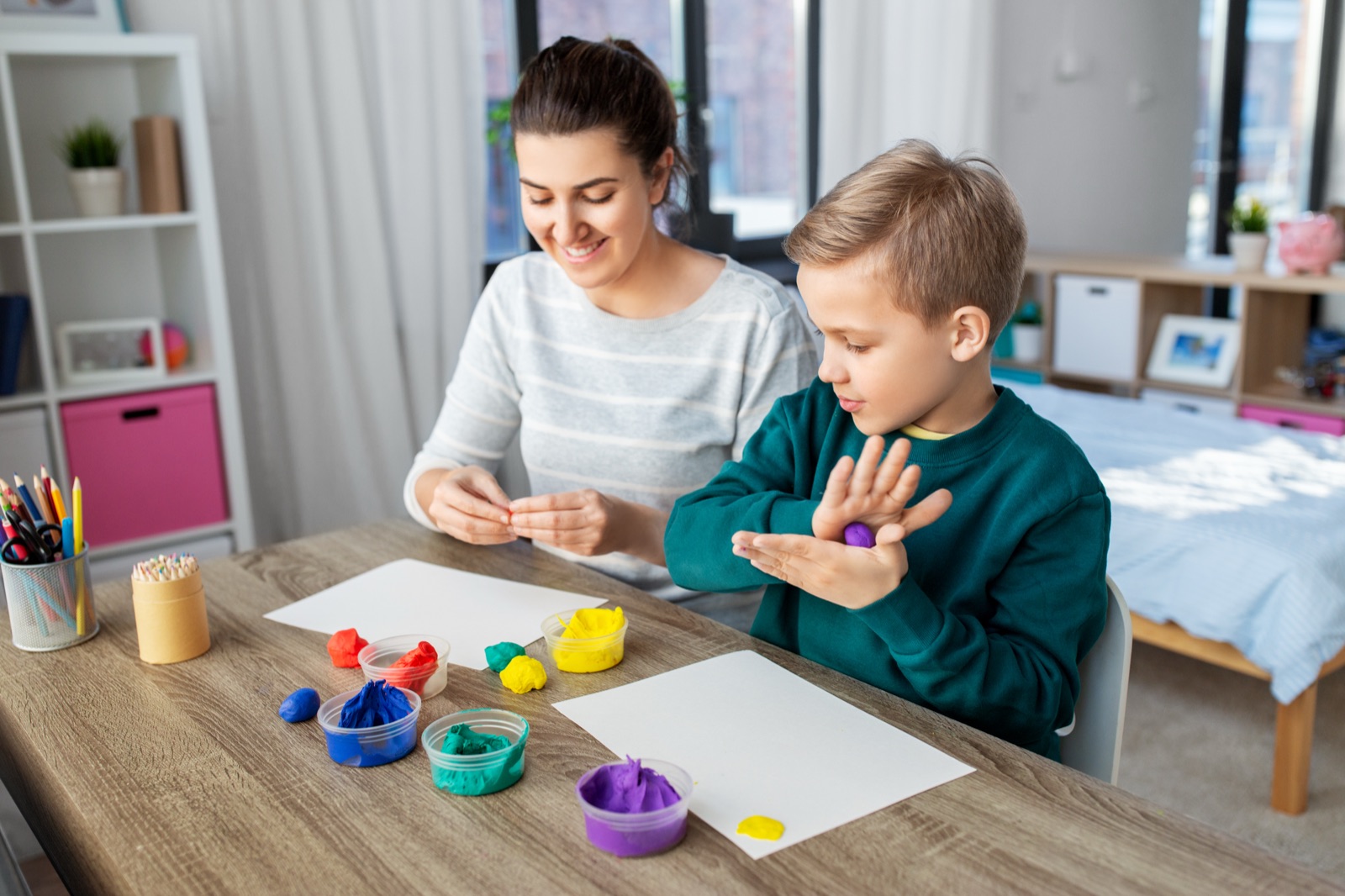
- Shared Activities: Encourage siblings to engage in shared activities and hobbies. Find common interests that allow them to bond and have fun together. This can be as simple as playing board games, going for walks, or engaging in creative arts and crafts.
- Structured Playtime: Establish structured playtime that includes both siblings. This can involve taking turns, sharing toys, and engaging in cooperative play. Structured play helps siblings develop social skills, problem-solving abilities, and enhances their relationship.
- Positive Reinforcement: Provide praise and positive reinforcement when siblings engage in positive interactions and play. This motivates and encourages their continued efforts to develop a strong sibling bond.
Teaching Coping Skills and Emotional Regulation
Siblings of individuals with autism may experience a range of emotions and challenges. Teaching coping skills and emotional regulation techniques can assist them in navigating these experiences. Here are some strategies to consider:
- Education: Help siblings understand autism by providing age-appropriate information about the condition. This can help them make sense of their sibling's behaviors and develop empathy and patience.
- Emotional Expression: Encourage siblings to express their emotions in a healthy and constructive manner. Teach them techniques such as deep breathing, journaling, or engaging in physical activities to release any pent-up emotions.
- Problem-Solving: Teach siblings problem-solving skills to address any challenges that may arise. Encourage them to brainstorm solutions together, consider different perspectives, and find compromises. This empowers siblings to take an active role in resolving conflicts and finding common ground.
- Self-Care: Emphasize the importance of self-care for siblings. Encourage them to engage in activities that bring them joy and relaxation. This helps them recharge and maintain their own well-being while supporting their sibling with autism.
Remember, seeking additional resources such as professional support and guidance or joining sibling support groups and programs can provide siblings with additional tools and support. By implementing these strategies and providing ongoing support, you can help siblings develop a meaningful and supportive relationship with their sibling with autism.
Seeking Additional Resources
When it comes to supporting siblings of individuals with autism, seeking additional resources can be immensely helpful in navigating the unique challenges and experiences that may arise. These resources provide professional guidance, support, and opportunities for siblings to connect with others who share similar experiences. Here are two valuable resources to consider: professional support and guidance, as well as sibling support groups and programs.
Professional Support and Guidance
Professional support and guidance can play a crucial role in assisting siblings of individuals with autism. Seeking the expertise of professionals such as therapists, counselors, or psychologists can provide valuable insights and strategies for coping with the challenges that may arise within the sibling relationship.
These professionals can offer a safe space for siblings to express their thoughts, feelings, and concerns, while also providing guidance on how to foster a positive and supportive relationship with their sibling with autism. They can help siblings understand the unique characteristics and needs of individuals with autism, equipping them with the knowledge and tools to navigate various situations.
In addition to individual counseling, family therapy sessions may also be beneficial. These sessions can involve the whole family, providing an opportunity for open communication, problem-solving, and building stronger bonds. By working together with professionals, siblings can gain a deeper understanding of autism and develop effective strategies for supporting their sibling.
Sibling Support Groups and Programs
Sibling support groups and programs offer a sense of community and understanding for siblings of individuals with autism. These groups provide a safe and supportive environment where siblings can share their experiences, challenges, and successes with others who can relate. Connecting with peers who understand the unique dynamics of having a sibling with autism can be incredibly empowering and validating.
In sibling support groups, siblings can engage in discussions, activities, and workshops that focus on various aspects of sibling relationships and autism. They can learn from one another, exchange strategies, and develop coping skills to navigate their specific situations. These groups often foster a sense of belonging and provide a platform for siblings to express themselves freely.
Additionally, some organizations offer programs specifically designed for siblings of individuals with autism. These programs provide a range of services, including educational workshops, recreational activities, and social events. They aim to enhance siblings' overall well-being and provide them with the tools and support needed to thrive in their unique sibling role.
By accessing professional support and guidance, as well as participating in sibling support groups and programs, siblings of individuals with autism can find the support they need to navigate their unique experiences. These resources can empower siblings, enhance their understanding of autism, and foster stronger, more resilient sibling relationships.
FAQs
Is it common for siblings to have responsibilities when they have a brother or sister with autism?
Yes, it is common for siblings to have responsibilities when they have a brother or sister with autism. These responsibilities can vary depending on the needs of the individual with autism and the family dynamics.
How can parents ensure that siblings feel valued and supported in their role as a sibling of an individual with autism?
Parents can ensure that siblings feel valued and supported by acknowledging their contributions and expressing gratitude for their assistance. They can also make sure to spend one-on-one time with each child and provide opportunities for siblings to engage in activities that they enjoy.
What should siblings do if they feel overwhelmed or unable to cope with their responsibilities?
If siblings feel overwhelmed or unable to cope with their responsibilities, it is important for them to seek support. This may include talking to a trusted friend or family member, joining a support group, or seeking counseling.
Can sibling responsibilities change over time?
Yes, sibling responsibilities can change over time as the individual with autism grows and develops new skills. It is important for parents to reassess sibling responsibilities regularly and adjust them as needed based on the individual's needs.
Conclusion
Having a sibling with autism can be a challenging and rewarding experience. As a sibling, you may feel a sense of responsibility to help and support your brother or sister. Remember that it is okay to seek support when needed and to take care of yourself. With patience, understanding, and education, you can be a great sibling to your brother or sister with autism.
Sources
- https://raisingchildren.net.au/family-relationships/siblings-asd
- https://iidc.indiana.edu/siblings-perspectives-some-guidelines
- https://www.verywellhealth.com/challenges-of-having-a-sibling-on-the-autism
Get started today
Ready to talk about ABA therapy?
Apex ABA Therapy helps families in North Carolina, Maryland, and Georgia access in-home, school-based, and daycare ABA services.