


The Early Warning Signs: Detecting Autism in Toddlers
Detecting autism in toddlers: Learn the early warning signs and how to seek support for your child's development.
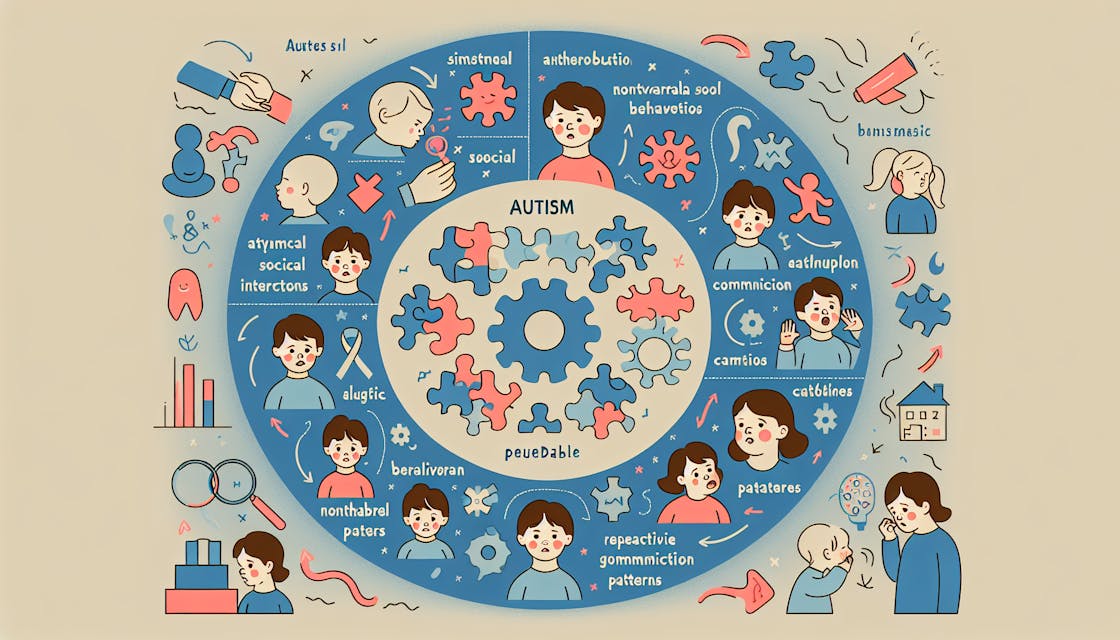
The Early Warning Signs: Detecting Autism in Toddlers

Understanding Autism in Toddlers
Autism Spectrum Disorder (ASD) is a neurodevelopmental disorder that affects communication, social interaction, and behavior. It is typically diagnosed in early childhood, with signs and symptoms often appearing during the toddler years. Understanding the early signs of autism in toddlers is crucial for early detection and intervention, which can significantly impact long-term outcomes.

What is Autism Spectrum Disorder?
Autism Spectrum Disorder (ASD) is a complex developmental condition characterized by challenges in social interaction, communication, and restricted and repetitive behaviors. It is a spectrum disorder, which means that individuals with ASD can exhibit a wide range of symptoms and abilities.
ASD affects individuals differently, and the severity of symptoms can vary. Some individuals with ASD may have exceptional abilities in certain areas, such as music, mathematics, or visual skills. However, they may struggle with social interaction, understanding nonverbal cues, and adapting to changes in routine.
Early Signs of Autism in Toddlers
Recognizing the early signs of autism in toddlers is crucial for early intervention and support. While every child develops at their own pace, there are some red flags that may indicate a potential risk for ASD. These signs include:
- Lack of Social Interaction and Engagement: Toddlers with autism may have difficulty engaging in social interactions. They may avoid eye contact, not respond to their name being called, and show limited interest in playing or interacting with others.
- Repetitive Behaviors and Stimming: Repetitive behaviors and self-stimulatory behaviors, known as stimming, are common characteristics of autism in toddlers. These behaviors can include hand-waving, rocking, spinning, or repetitive movements. They may serve as coping mechanisms for overwhelming sensory experiences or a way to seek sensory stimulation.
- Language and Communication Difficulties: Delayed speech and language development are often early signs of autism in toddlers. They may have difficulty babbling or using gestures to communicate. Some toddlers with autism may also exhibit echolalia, repeating words or phrases without understanding their meaning [3].
It's important to note that these signs alone are not definitive proof of autism. However, if you observe these behaviors consistently, it may be beneficial to consult with a healthcare professional for further evaluation and guidance.
Understanding the early signs of autism in toddlers allows for timely intervention and support, which can significantly improve outcomes for children with ASD. Early detection and intervention provide opportunities for tailored therapies and strategies that can help individuals with autism reach their full potential.
Red Flags and Behavioral Patterns
When it comes to identifying signs of autism in toddlers, certain red flags and behavioral patterns may serve as indicators of autism spectrum disorder. These behaviors include a lack of social interaction and engagement, repetitive behaviors and stimming, as well as language and communication difficulties.
Lack of Social Interaction and Engagement
One of the early signs of autism in toddlers is a lack of social interaction and engagement. This can manifest as a difficulty in making eye contact, not responding to their name, or a preference for being alone. By 12 months, most toddlers start responding to their name, and by 14 months, they typically point at objects to show interest. However, toddlers with autism may not display these behaviors [1].
Repetitive Behaviors and Stimming
Repetitive behaviors and stimming are common features of autism spectrum disorder. These behaviors can manifest in various ways, such as hand-flapping, rocking, spinning, or echolalia (repeating words or phrases) [2]. These repetitive behaviors play an essential role in the diagnosis of autism, with about 70% of individuals with autism displaying repetitive and ritualistic behaviors.
Stimming, which is short for self-stimulatory behavior, is a mechanism often used by individuals with autism to cope with overwhelming sensory experiences or to seek sensory stimulation. It can involve repetitive movements, such as hand-waving, or repetitive sounds or words. Researchers have identified two main types of repetitive behavior: repetitive motor movements or actions and repetitive manipulations or activities involving objects [4].
Language and Communication Difficulties
Language and communication difficulties are another hallmark of autism in toddlers. Delayed speech or lack of speech altogether, difficulty understanding and using gestures, and limited social communication skills can be signs of autism. By 18 months, most toddlers start engaging in pretend play, but children with autism may struggle in this area.
Recognizing these red flags and behavioral patterns is crucial for early detection and intervention for autism spectrum disorder. Identifying them early on can lead to better outcomes and support for toddlers with autism as they grow. It is important for parents and caregivers to observe and stay informed about these behaviors so that appropriate interventions can be sought.
Recognizing Autism in Toddlers
Early recognition of autism in toddlers is crucial for ensuring timely intervention and support. By being aware of the signs and utilizing appropriate screening and diagnostic tools, parents and caregivers can take proactive steps to help their child.
Screening and Diagnostic Tools
Various screening tools and tutorials are available to aid in the recognition of early warning signs of autism in toddlers. These tools provide guidance on assessing social attention, communication behaviors, and ASD behavioral signs in young children. Some notable screening tools include ASDetect and tutorials offered by the Kennedy Krieger Institute.
It is important to note that screening tools are not diagnostic tools but serve as indicators for further evaluation. The American Academy of Pediatrics (AAP) recommends that all children be screened for autism at their 18- and 24-month well-child check-ups. These screenings often involve questionnaires and observations that help identify potential red flags and behaviors associated with autism spectrum disorder (ASD). If concerns arise during the screening process, a comprehensive evaluation by a healthcare professional specializing in developmental disorders may be recommended.
Importance of Early Detection and Intervention
Early diagnosis and intervention for autism spectrum disorder can significantly improve outcomes for children and their families. It's crucial for parents and caregivers to be vigilant in recognizing early signs of autism in toddlers to facilitate early intervention and support [3]. By identifying and addressing developmental delays and challenges at an early stage, children with autism can receive the necessary therapies, educational support, and interventions tailored to their needs.
Research has shown that early intervention programs can lead to significant improvements in communication skills, social interactions, and overall development. These programs may include speech therapy, occupational therapy, applied behavior analysis (ABA), and other evidence-based interventions. The earlier these interventions are initiated, the greater the potential for positive outcomes in areas such as language development, social engagement, and adaptive behaviors.
Parents and caregivers should remember that early intervention plays a vital role in improving outcomes for children with autism. By recognizing signs early and seeking help, families can access the necessary resources and support to assist their child's development and well-being.
As parents and caregivers become aware of the signs of autism in toddlers and take advantage of screening tools and professional evaluations, they can ensure that their child receives the appropriate interventions and support needed to thrive.
Developmental Trajectories in ASD
Understanding the developmental patterns and trajectories in Autism Spectrum Disorder (ASD) is crucial to recognize the early signs and provide timely intervention. Research indicates that there are different onset patterns and behavioral trajectories within the ASD population. This section will explore two key aspects: onset patterns and regression, as well as prospective studies and longitudinal data.
Onset Patterns and Regression
Retrospective studies have identified two major classes of ASD onset: early and later, after a period of relatively healthy development. In some cases, children with ASD experience an early course of typical development or mild delays, followed by a loss of language or social skills along with the emergence of ASD-related atypical behaviors. On the other hand, some children exhibit early signs of impairment and ASD without regression.
It is important to note that regression in ASD does not occur in all cases, and there is mixed evidence regarding its prognostic implications. Some studies suggest worse outcomes for children with regression, while others report no significant differences compared to children without regression. The developmental status of children with ASD prior to the onset of regression remains a topic of debate, with conflicting findings from retrospective studies.
Prospective Studies and Longitudinal Data
Prospective, longitudinal studies offer valuable insights into the developmental trajectory of infants later diagnosed with ASD, without the confounds of recall bias. These studies provide a comprehensive understanding of the developmental patterns and milestones in various domains.
According to five published prospective studies, infants with ASD and those without ASD have similar developmental profiles until around 6 months of age. However, around the first birthday, there is a noticeable slowing in the development of children later diagnosed with ASD. By preschool age, motor delays are often observed in children with ASD.
These findings highlight the importance of longitudinal research in understanding the early behavioral developmental trajectory of children with ASD. It aids in advancing theories of neurobiology, plasticity, and early intervention strategies. By detecting and monitoring developmental changes from infancy, healthcare professionals and caregivers can intervene early and provide appropriate support to optimize outcomes for children with ASD.
Understanding the developmental trajectories in ASD helps professionals and caregivers recognize the signs early, enabling early detection and intervention for improved long-term outcomes.
Seeking Support and Assistance
When parents and caregivers notice potential signs of autism in toddlers, it is important to seek support and assistance to ensure the best outcomes for the child. Understanding available resources and the benefits of early intervention can make a significant difference in the child's development and overall well-being.
Resources for Parents and Caregivers
Parents and caregivers play a crucial role in supporting children with autism. It is important to be proactive in seeking resources and information to better understand and navigate the challenges associated with autism spectrum disorder (ASD). Here are some valuable resources to consider:
- Autism Navigator: Autism Navigator provides a comprehensive online resource for parents and caregivers. It offers red flags of autism, screening tools, and access to professionals who can provide guidance and support.
- NICHD: The National Institute of Child Health and Human Development (NICHD) offers information on the symptoms and signs of autism. Their website provides resources for parents, including information on early intervention programs and support networks.
- Autism Speaks: Autism Speaks is a well-known organization dedicated to autism advocacy. Their website offers resources for parents and caregivers, such as toolkits, guides, and access to support groups. They emphasize the importance of early intervention and provide information on available treatment options.
- Spectrum News: Spectrum News provides valuable insights into repetitive behaviors and stimming in individuals with autism. Understanding these behaviors can help parents and caregivers provide appropriate support and intervention strategies.
- HealthyChildren.org: HealthyChildren.org offers a wealth of information for parents seeking guidance on early signs of autism spectrum disorders. Their website provides resources on early intervention strategies, therapies, and support services.
Early Intervention and Positive Outcomes
Early detection and intervention are crucial for children with autism. Research indicates that early intervention can significantly improve outcomes for both children and their families. By identifying signs of autism in toddlers and seeking help promptly, parents and caregivers can access the support and resources necessary to address the child's unique needs.
Early intervention often involves a multidisciplinary approach, which may include speech therapy, occupational therapy, behavioral therapy, and educational support. These interventions focus on improving communication skills, social interactions, and daily living skills. The goal is to help children with autism reach their full potential and improve their quality of life.
It is important for parents and caregivers to remember that each child with autism is unique, and their intervention plan should be tailored to their specific needs. By seeking support and assistance early on, parents can access the necessary tools and strategies to help their child thrive.
Remember, you are not alone on this journey. Reach out to the resources available, connect with support networks, and work closely with professionals who can guide you through the process. With early intervention and support, children with autism can lead fulfilling lives and achieve their full potential.
References
- https://www.goldencaretherapy.com/normal-toddler-behavior-vs-autism/
- https://www.spectrumnews.org/news/repetitive-behaviors-and-stimming-in-autism-explained/
- https://autismnavigator.com/red-flags-of-autism/https://www.verywellhealth.com/repetitive-behaviors-in-autism-260582
- https://www.autismawareness.com.au/understanding-autism/signs-children
- https://www.autismspeaks.org/signs-autism
- https://www.nichd.nih.gov/health/topics/autism/conditioninfo/symptoms-appear
- https://www.ncbi.nlm.nih.gov/pmc/articles/PMC4105265/
Frequently Asked Questions

More posts you’ll enjoy

Back to School Anxiety in Autistic Children: What the Research Actually Shows
Back to school anxiety affects up to 40% of autistic children. See the research-backed signs, causes, and what actually helps now.

Extended School Year for Autistic Children: What Every Parent Should Know
Learn how extended school year services protect autistic kids from summer regression, plus IEP eligibility steps and real examples.

Back to School Tips for Parents: How to Prep an Autistic Child for Day One
Research-backed back to school tips for parents of autistic children: visual schedules, social stories, IEP prep, and sensory packs.