

ABA Therapy and Self-Help Skills
Discover how ABA therapy and self-help skills promote independence and long-term success for individuals with autism.

Importance of ABA Therapy
ABA therapy plays a pivotal role in fostering independence through the development of self-help skills among individuals with autism spectrum disorder (ASD). This therapy is particularly impactful when initiated during infancy and early childhood.
Enhancing Independence with Self-Help Skills
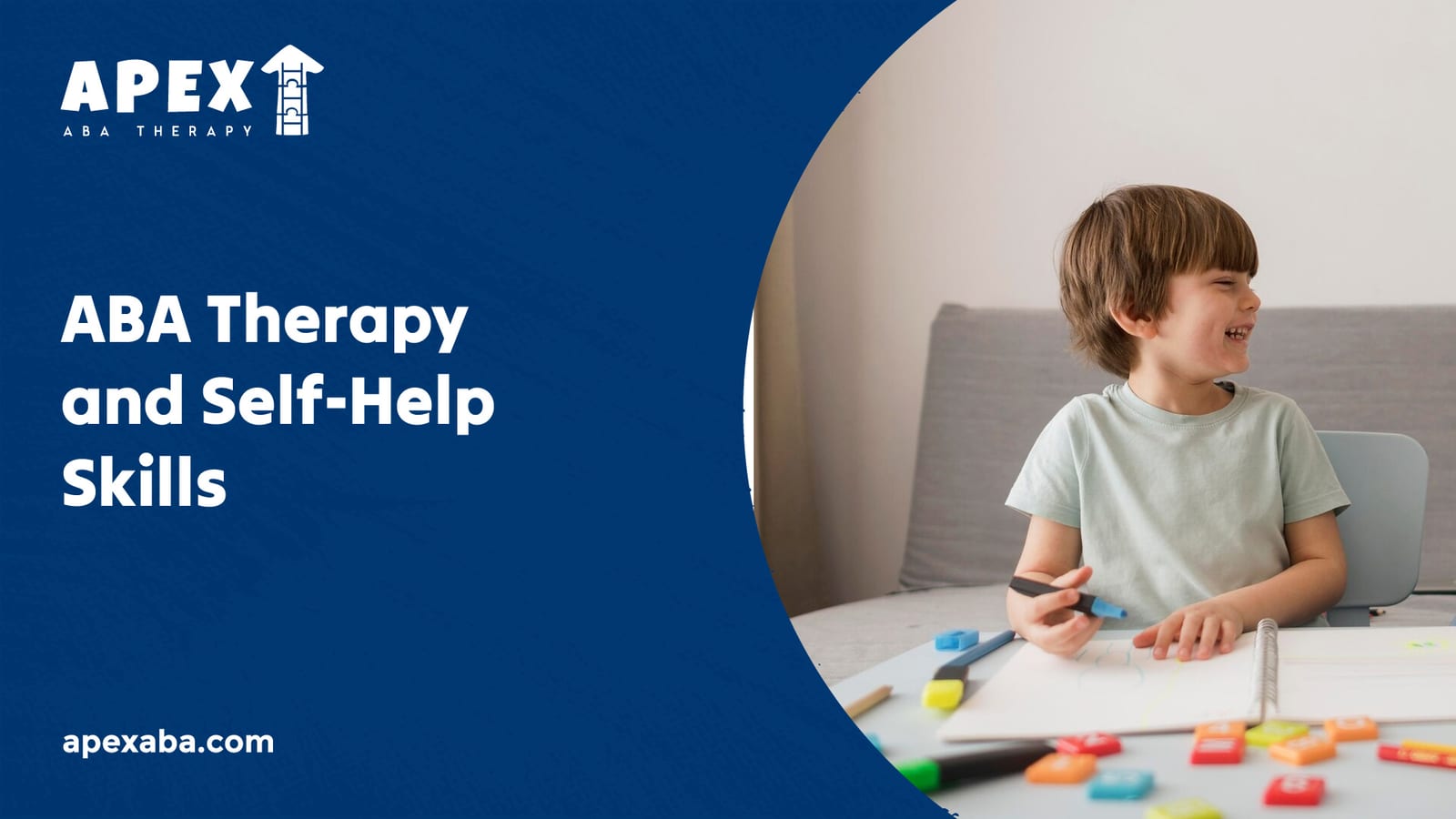
Engaging in ABA therapy during formative years allows for substantial developmental advancements. The brain's high adaptability at this stage makes children more receptive to learning and behavioral changes. Skills such as dressing, grooming, and feeding are often targeted, leading to greater autonomy in daily tasks.
Self-Help SkillsBenefitsDressingIncreases independence and self-esteemGroomingDevelops personal care habitsFeedingEnhances fine motor skills and self-sufficiency
Children who undergo structured interventions focused on specific self-help skills typically enjoy better cognitive, social, and behavioral outcomes as they progress through life [1].
Early Intervention and Long-Term Outcomes
Starting ABA therapy shortly after a diagnosis of ASD can lead to remarkable long-term benefits. The practice of early intervention is essential, as it facilitates growth and learning during critical developmental periods. Research shows that children who receive early ABA therapy demonstrate improved behavioral and social skills over time.
Individuals who undergo early intervention are more likely to achieve key milestones in various areas, which contributes positively to their overall quality of life. Early cumulative experiences with ABA techniques can cultivate a foundation for future success in both educational and social environments.
For families interested in enhancing cognitive skills, consider exploring aba therapy for cognitive skills development. If helping to improve attention and focus is of concern, review aba therapy for attention and focus as well as aba therapy for impulse control methods.
Adaptability of ABA Therapy
ABA therapy is designed to meet the needs of individuals with autism spectrum disorder (ASD) throughout various life stages, ensuring that treatment is effective no matter what age the individual is. Its flexibility allows for targeted interventions that cater to changing requirements as one grows.
Impact at Different Life Stages
ABA therapy provides significant benefits at every stage of life. Early intervention, particularly during infancy and early childhood, has shown to yield the most impactful results. Starting therapy as soon as a child is diagnosed with ASD can lead to substantial improvements in cognitive, social, and behavioral outcomes [1].
Life StageBenefits of ABA TherapyInfancyEarly detection and intervention can improve social skills and minimize future challengesEarly ChildhoodIntensive and structured interventions targeting specific skills enhance learningMiddle ChildhoodFocus on social interactions and peer relationships to build confidenceAdolescencePreparation for adulthood, including self-help and community skills
Each life stage presents unique challenges and opportunities for growth, making the adaptability of ABA therapy crucial for minimizing barriers and maximizing independence.
Customized Therapy Techniques
One of the key strengths of ABA therapy is its customized approach. Based on the individual's needs and developmental stage, different techniques are applied. BCBAs (Board Certified Behavior Analysts) assess the individual’s current skills and behaviors to create tailored therapy plans that address specific goals. This customization ensures that therapy remains relevant and effective.
Some techniques used in ABA therapy include:
These techniques not only help in the development of self-help skills but also promote independence in various aspects of life, such as dressing, grooming, and managing daily routines.
For more on how ABA therapy can aid in cognitive skills development, visit aba therapy for cognitive skills development. To understand its impact on attention and focus, check aba therapy for attention and focus and for impulse control strategies, see aba therapy for impulse control.
Role of BCBAs in ABA Therapy
Board Certified Behavior Analysts (BCBAs) play a vital role in the application of ABA therapy, focusing on enhancing self-help skills and customizing the therapy process for each individual client. Their expertise ensures that clients with autism spectrum disorder (ASD) receive tailored support that meets their developmental needs.
Promoting Self-Help Skills
Teaching self-help skills is an essential component of ABA therapy as it fosters independence in daily living activities. BCBAs are equipped with the tools and knowledge to develop effective strategies that promote these skills, significantly impacting the quality of life for individuals with ASD [2]. For instance, common self-help skills may include dressing, grooming, feeding, and personal hygiene.
Self-Help SkillsDescriptionDressingLearning to put on and take off clothing independently.GroomingUnderstanding personal care routines, such as brushing teeth and combing hair.FeedingDeveloping skills for eating, including the use of utensils.HygieneEmphasizing the importance of regular bathing and handwashing.
Tailoring Goals for Clients
Each client with ASD is unique, and BCBAs customize therapy goals to suit individual needs and capabilities. This approach ensures that therapy focuses on realistic and achievable outcomes, enhancing the effectiveness of the treatment process. By assessing each client's strengths and challenges, BCBAs can set specific, measurable, attainable, relevant, and time-bound (SMART) goals that align with the client’s developmental profile.
For example, a BCBA might create a goal for a client to independently dress themselves within a certain timeframe or focus on improving grooming techniques with visual aids and prompts.
BCBAs also utilize early intervention strategies, as starting ABA therapy soon after a child is diagnosed with ASD can lead to significant improvements in long-term outcomes [1]. This adaptability enables BCBAs to implement effective self-help strategies at various developmental stages.
Through their specialized training and commitment to individualized care, BCBAs significantly contribute to the growth and independence of individuals with ASD, paving the way for a better quality of life. For more insights into how ABA therapy helps with various skills, consider visiting our sections on ABA therapy for cognitive skills development, ABA therapy for attention and focus, and ABA therapy for impulse control.
Incorporating Self-Help Skills
The development of self-help skills through ABA therapy is critical for fostering independence in individuals with autism. To achieve this, therapists employ various strategies tailored to the unique needs of the clients.
Individualized Approaches
BCBAs (Board Certified Behavior Analysts) play a vital role in incorporating self-help skill goals into ABA therapy. They can individualize approaches based on the client's needs, whether structured or natural, to assist the learner in generalizing new skills to their natural environment [2]. This customization ensures that therapy aligns with each individual’s capabilities and daily life scenarios.
Here's a table outlining some common individualized approaches in ABA therapy:
Approach TypeDescriptionStructured TrainingDirect teaching of tasks in a controlled setting.Natural EnvironmentLearning self-help skills within everyday activities.
By tailoring these approaches, BCBAs help clients gain practical skills necessary for day-to-day living, promoting overall independence.
Involving Parents in Training
Engaging parents in the training process is vital for the success of self-help skills development. BCBAs can provide parent training services that equip parents with effective strategies to reinforce skills at home. These sessions encompass various concepts, including task analysis and the use of visual supports. Visual supports, such as pictures or written cues, are particularly effective in helping children learn self-help skills and can be integrated into their daily routines [3].
By involving parents in training, the skills learned during therapy sessions can be reinforced consistently in the home environment, significantly enhancing the learners' ability to apply these skills independently.
In summary, the integration of personalized therapy techniques and active parental involvement forms a robust foundation for developing essential self-help skills through ABA therapy. For more insights on how ABA can aid cognitive development, visit our article on aba therapy for cognitive skills development, or learn more about its role in improving focus and impulse control by checking our articles on aba therapy for attention and focus and aba therapy for impulse control.
Tools for Self-Help Skills Development
Developing self-help skills in individuals with autism is an essential component of ABA therapy. Various tools can facilitate this process, including task analysis and visual supports.
Task Analysis in Therapy
Task analysis is a method that breaks down larger activities into specific, manageable steps. This approach can be particularly valuable in teaching self-help skills. By segmenting a task into its component parts, practitioners can monitor progress, identify areas of struggle, and adjust treatment plans accordingly.
For example, the task of brushing teeth might be analyzed into the following steps:
StepDescription1Gather toothbrush and toothpaste.2Apply toothpaste to the brush.3Wet the toothbrush under water.4Start brushing teeth.5Rinse mouth with water.6Clean the toothbrush.
This method ensures that individuals are not overwhelmed by the complexity of tasks, making it easier to learn and master each step. It aids in developing structured goals that are measurable and tailored to the unique needs of the child with autism spectrum disorder Blue ABA Therapy.
Importance of Visual Supports
Visual supports play a critical role in helping individuals with autism acquire self-help skills and promote independence in daily activities. These supports may include pictures, diagrams, or written cues that clarify the steps involved in each task. Integrating visual aids into everyday life can dramatically improve the quality of life for individuals with autism by facilitating learning in a clear and effective manner.
Using visual supports can enhance understanding and recall, particularly for tasks that may not be intuitive. For example, a chart depicting the steps for getting dressed or preparing a simple meal can help individuals recall each action without needing prompts from caregivers.
Type of Visual SupportExamplePicture SchedulesImages showing each step of an activity like getting ready for school.Task CardsCards detailing a specific self-help task, like washing hands.Social StoriesShort narratives explaining social situations and expected behaviors.
Visual supports can be integrated seamlessly into ABA therapy sessions, encouraging individuals to generalize these skills to their everyday environments. Collectively, task analysis and visual supports serve as foundational tools in the pursuit of effective self-help skills within ABA therapy programs. For additional strategies on developing cognitive skills, consider exploring aba therapy for cognitive skills development or aba therapy for attention and focus.
ABA Therapy Goals and Benefits
ABA therapy is designed to support individuals with autism in developing essential skills, particularly focusing on self-help capabilities. The benefits of this approach are broad and impactful.
Concrete Behavioral Steps
ABA therapy employs specific, measurable goals that are customized to meet the individual needs of a child with autism spectrum disorder. Collaborating with a Board Certified Behavior Analyst (BCBA), families can identify areas for improvement and establish clear objectives.
These goals may include:
Goal CategoryExample GoalsCommunicationUse of words or gestures to request itemsDaily Living SkillsBrushing teeth, dressing independentlySocial SkillsTaking turns in conversation, making eye contactSafety SkillsUnderstanding personal space and interacting with strangers safely
Using ABA techniques, the focus remains on positive reinforcement. By encouraging the child to repeat desired behaviors, the probability of these skills being retained increases over time [4]. Regular tracking of progress facilitates adjustments in goals and strategies, ensuring effective learning experiences.
Community Skill Development
An important aspect of ABA therapy is its emphasis on community skill development. Therapy targets skills necessary for navigating everyday public environments, which includes performing tasks such as:
Community SkillDescriptionResponding to CashiersInteracting appropriately when making purchasesManaging MoneyUnderstanding currency and making transactionsGrocery ShoppingSelecting items and understanding the shopping processSafe InteractionsKnowing how to greet strangers and maintain personal safety
The skills learned through ABA therapy enable individuals to interact confidently and effectively within their communities, improving overall quality of life. Research indicates that initiating ABA interventions early on, ideally before the age of four, significantly enhances language development, adaptive behaviors, and social skills [5].
To maximize these benefits, at least 15 hours of therapy per week is often recommended, with some children attending up to 40 hours [5]. The strategies developed in therapy can be seamlessly integrated into daily routines, reinforcing essential skills learned during sessions. For further insights on skill development through ABA therapy, consider exploring aba therapy for cognitive skills development and aba therapy for impulse control as complementary topics.
Get started today
Ready to talk about ABA therapy?
Apex ABA Therapy helps families in North Carolina, Maryland, and Georgia access in-home, school-based, and daycare ABA services.
Popular services
Serving families in