

ABA Therapy for Non-Verbal Children
Discover effective ABA therapy for non-verbal children to boost communication and social skills development.
Understanding ABA Therapy
Basics of ABA Therapy
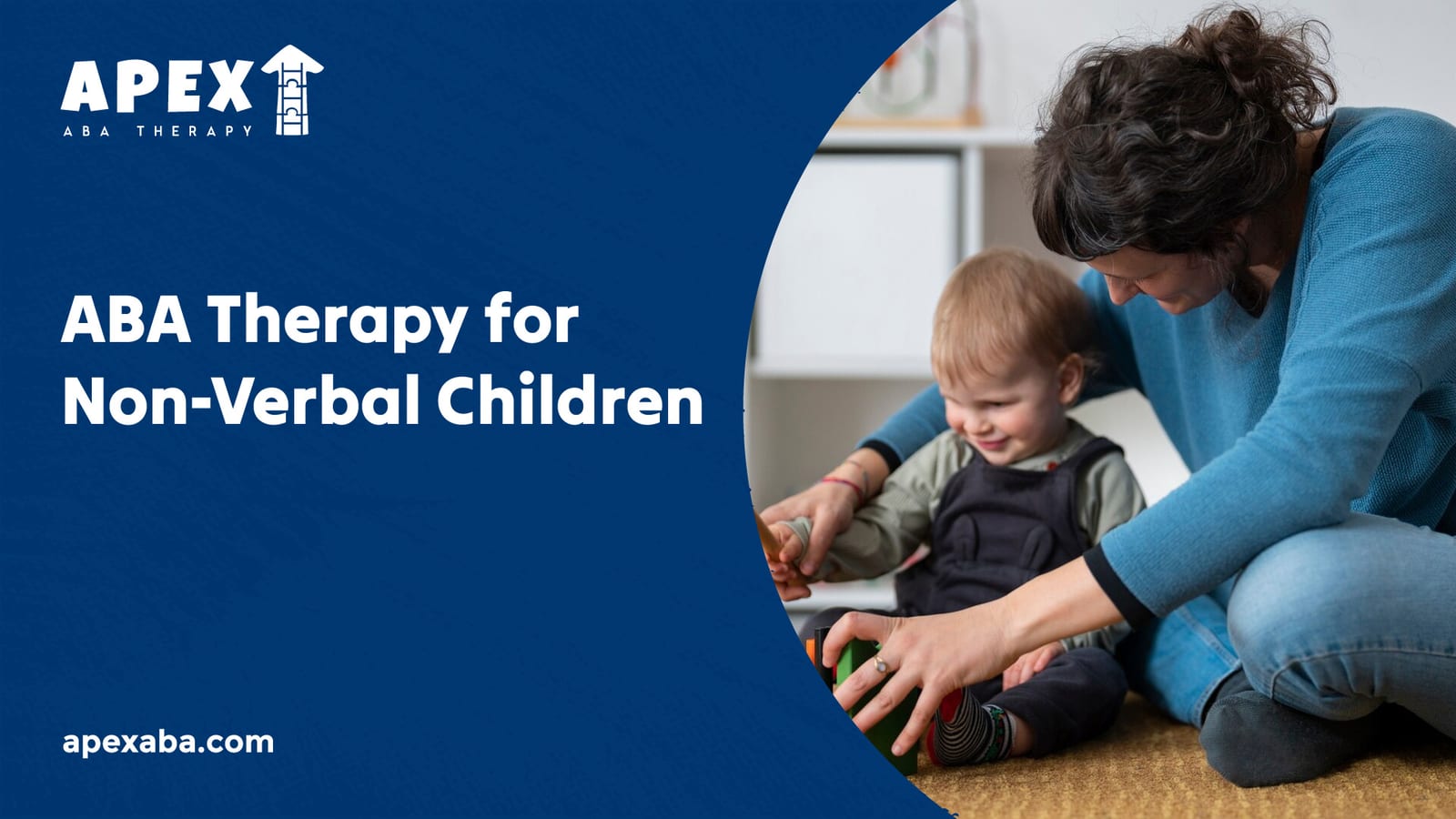
Applied Behavior Analysis (ABA) therapy is a scientifically validated approach used to cultivate meaningful behaviors and reduce challenges in individuals, especially those with autism spectrum disorder (ASD). ABA focuses on understanding how behavior works, how it is affected by the environment, and how learning occurs. The therapy employs a systematic approach to improve communication, social skills, and daily living competencies.
ABA therapy utilizes various techniques that apply the principles of behavior analysis. These techniques may include shaping, discrete trial training, and functional communication training. Through tailored interventions, therapists design programs specific to individual needs, fostering the development of essential skills that support independence and better interactions with others.
Families seeking to understand the nuances of specific programs for their children may explore aba individualized programs that cater specifically to the strengths and challenges of the child.
History of ABA Therapy
The roots of ABA therapy can be traced back to the 1960s when therapists began implementing behavior analytic principles to assist children with autism and related developmental disorders [1]. As the field has evolved, a substantial body of literature has emerged demonstrating the effectiveness of various interventions based on these principles over the past 50 years. Studies have evaluated multiple strategies, including shaping and pivotal response training (PRT), confirming that ABA therapy can produce significant and positive changes in behavior [2].
With its collaborative nature, ABA therapy fosters partnerships between parents and therapists to create a supportive environment that encourages learning. Many families have reported positive transformation through ABA practices, leading to shared experiences in aba therapy success stories.
As ABA therapy continues to grow, so do the methods and techniques, ensuring that they remain relevant to modern needs in addressing communication and social interaction skills for non-verbal children. For those interested in implementing these strategies at home, resources are available on the implementation of aba therapy at home.
Through a clear understanding of ABA therapy's foundations and history, parents and caregivers can effectively navigate the options available to support their children. For more information about the structure and process of therapy, consult the details regarding aba therapy sessions and the potential aba therapy results achieved.
Implementing ABA Therapy for Non-Verbal Children
Effective implementation of ABA therapy for non-verbal children involves tailored communication strategies and structured programs that meet their unique needs.
Individualized Communication Approaches
Individualized communication approaches are essential for non-verbal children. Each child's communication style should be assessed and addressed through specific interventions. It's important to progress from teaching simple one-word requests, known as "mands," to more complex forms of communication, such as requesting attention, aversive event removal, actions, or information [3]. This progression should be frequent and intensive, ensuring consistent practice in developing communication skills.
Another key aspect involves teaching rejection responses, which are equally as significant as requests. This helps prevent behavioral issues by empowering children to express their needs effectively.
Communication StrategyDescriptionSimple MandsTeaching one-word requests for needs.Complex RequestsTransitioning to multi-word phrases for various types of requests.Rejection TrainingHelping children learn to communicate when they want to refuse something.
Components of A Successful ABA Program
To establish a successful ABA program for non-verbal children, several critical components must be included.
By incorporating these components into an ABA program, parents and caregivers can enhance the effectiveness of therapy for non-verbal children, leading to positive outcomes and skill development. For more insights into implementing therapy routines at home, consider exploring our guide on implementation of aba therapy at home.
The Role of Behavior Analysts in ABA Therapy
Behavior analysts play a crucial role in the implementation and success of ABA therapy for non-verbal children. Their expertise ensures that each child's unique needs are effectively addressed through tailored programs.
BCBA Responsibilities
A Board Certified Behavior Analyst (BCBA) is responsible for designing and overseeing the ABA program. The BCBA customizes the program to align with each learner’s skills, needs, interests, preferences, and family circumstances [1]. The following are key responsibilities of a BCBA:
ResponsibilityDescriptionAssessmentConducting assessments to determine the child's needs and strengths.Program DesignCreating individualized programs that target specific goals.Data AnalysisAnalyzing data collected during sessions to track progress and make adjustments.SupervisionOverseeing therapists or registered behavior technicians (RBTs) who work directly with children.CollaborationWorking with families and other professionals to ensure cohesive support.
Therapists in ABA Therapy
Therapists, often registered behavior technicians (RBTs), implement the strategies developed by the BCBA during therapy sessions. They work directly with children and adults to practice skills aimed at achieving individual goals set in the ABA programs. The following are considerations regarding therapists:
Therapist FocusImportanceImplementationApplying ABA techniques in one-on-one settings for effective learning.Skill DevelopmentHelping children practice and refine communication and social skills.Feedback LoopProviding feedback to the BCBA to facilitate ongoing adjustments to the program.EnvironmentCreating a supportive and conducive learning environment to foster positive outcomes.
Effective therapists utilize behavior analytic principles, even if they are not BCBAs, to enhance the learning experience. This includes assessments of skills, establishing effective learning environments, breaking down tasks into manageable parts, and recognizing achievements to further motivate children. For more insights on the implementation of programs at home, visit our article on implementation of aba therapy at home.
The evolving landscape of ABA services has resulted in more funding options and trained professionals applying ABA principles, making therapy more accessible to families. Parents now have a wider array of choices compared to previous decades, which has significantly improved the accessibility of services for children with autism.
Parents interested in the outcomes of ABA therapy can explore aba therapy results for further information.
Benefits of ABA Therapy for Non-Verbal Children
ABA therapy offers a range of benefits for non-verbal children, particularly those on the autism spectrum. The primary advantages include improved communication skills and development in social interactions.
Improved Communication Skills
One of the key goals of ABA therapy is to enhance communication abilities in non-verbal children. This therapeutic approach focuses on using rewards to encourage desired behaviors, such as vocal communication instead of relying on non-verbal cues like sounds or gestures [6].
Research has consistently demonstrated the effectiveness of ABA therapy in improving various aspects of communication. A 2011 research review involving over 20 studies found that children who participated in ABA therapy exhibited successful development in language skills, demonstrating the potential for substantial improvement.
Measure of ImprovementPercentage of Children AffectedEnhanced Communication Skills75%Reduction in Communication-Related Challenges65%Improved Overall Cognitive Function80%
Social Interaction Development
ABA therapy also promotes social interaction development, which is crucial for the overall well-being of non-verbal children. By teaching essential skills through systematic instruction and reinforcement, children learn how to engage with peers and develop social skills that enhance their interactions.
The focus of ABA therapy extends beyond merely addressing challenging behaviors; it encourages the acquisition of life skills that are vital for effective communication and socialization. Improvements in social interaction can lead to better relationships with family, peers, and educators. Parents and caregivers may notice enhancements in their child’s ability to express needs, respond to social cues, and engage in age-appropriate social behaviors.
Social Interaction SkillsPercentage of ImprovementEngagement with Peers70%Ability to Respond to Social Cues60%Enhanced Family Interaction75%
Tailored ABA therapy programs can lead to profound long-term effects on communication and social interaction for non-verbal children. For more information on creating individualized approaches, explore our article on aba individualized programs.
ABA Therapy Techniques for Non-Verbal Children
Effective strategies in Applied Behavior Analysis (ABA) therapy play a vital role in facilitating communication and learning for non-verbal children. Among these techniques, Discrete Trial Training (DTT) and positive reinforcement are particularly impactful.
Discrete Trial Training (DTT)
Discrete Trial Training (DTT) is a structured teaching technique tailored to the needs of non-verbal children. This approach breaks down learning into smaller, manageable components. Each 'trial' consists of a clear instruction or question, a response from the child, and a consequence, which can either be positive or corrective.
In practice, DTT helps children associate words with images or objects. For instance, a child can learn to vocalize the word "cat" by matching it with a picture of their pet. This technique utilizes repetition, which reinforces learning and encourages verbal communication [6]. The following table outlines the key components of DTT:
ComponentDescriptionInstructionClear prompt given to the child (e.g., "What is this?")ResponseChild's reaction, which can be verbal or non-verbalReinforcementPositive feedback or reward for correct answers, encouraging future attemptsEvaluationAssessment of the effectiveness of responses and adjustments in subsequent trials
DTT has demonstrated effectiveness in teaching non-verbal children essential communication skills by consistently reinforcing their efforts.
Utilizing Positive Reinforcement
Positive reinforcement is a cornerstone of ABA therapy that enhances learning and behavior. This method involves rewarding a child for exhibiting desired behaviors, thereby increasing the likelihood of that behavior recurring in the future.
In the context of non-verbal children, rewards may include verbal praise, tokens, or preferred items, which encourage them to engage in communication attempts. By providing rewards upon successful use of a word or sound, therapists can motivate non-verbal children to express themselves more frequently [6].
The table below illustrates various forms of positive reinforcement that can be utilized during ABA therapy:
Type of ReinforcementDescriptionVerbal PraiseCompliments expressing approval (e.g., "Good job!")Stickers or TokensTangible items that children can collect and exchangePreferred ActivitiesEngaging in a fun or desired activity (e.g., playtime)Snack RewardsOffering small treats after successful attempts
By consistently applying positive reinforcement, caregivers can enhance a child's motivation to communicate, ultimately leading to improved interaction and skill development.
These techniques are essential components of the individualized programs used in ABA therapy sessions and can contribute significantly to the learning and development of non-verbal children. For more insights on how to implement these methods effectively, consider exploring implementation of ABA therapy at home or reviewing ABA therapy success stories.
Evidence-Based Success of ABA Therapy
Extensive research supports the efficacy of ABA therapy, particularly for non-verbal children with autism. These studies demonstrate significant progress and skill development in several key areas through structured ABA interventions.
Research Studies on ABA Therapy
Numerous studies validate the effectiveness of ABA therapy for children diagnosed with autism spectrum disorder (ASD). More than 20 studies have confirmed that intensive, long-term therapy utilizing ABA principles contributes to substantial improvements in various developmental domains, such as intellectual functioning and language skills. A comprehensive meta-analytic study concluded that ABA interventions have over an 89% success rate in enhancing IQ scores, communication skills, and language abilities in children with ASD [8].
Moreover, in 2005, a study conducted by Swallows and Graupner indicated that 48% of individuals on the autism spectrum exhibited rapid improvements in learning and classroom behavior after engaging in ABA therapy. Additionally, a 2011 review encompassing over 20 studies demonstrated that children receiving ABA therapy experienced advancements in language development, behavior adaptation, decreased aggression, and overall cognitive function.
Impact of ABA Therapy on Skills Development
The implementation of ABA therapy has a profound impact on skills development for non-verbal children. The structured nature of ABA promotes the acquisition of essential skills across various dimensions of functioning.
Skill AreaImpact of ABA TherapyLanguage DevelopmentImproved communication skills and language proficiency.Social SkillsEnhanced social interaction capabilities and relationship-building skills.Daily Living SkillsDevelopment of practical life skills, leading to greater independence.Behavioral AdaptationsReduction in challenging behaviors and improved emotional regulation.
Applied Behavior Analysis methods are recognized as evidence-based practices for individuals with ASD, endorsed by reputable organizations such as Autism Speaks and The Association for Behavior Analysis International [2]. For parents and caregivers, understanding the evidence-based success of ABA therapy for non-verbal children underscores the potential for positive outcomes when these techniques are effectively implemented in therapy sessions and home environments. Further details on personalized ABA approaches can be found in our section on aba individualized programs.
References
[2]:
[3]:
[4]:
[5]:
[6]:
[7]:
[8]:
Get started today
Ready to talk about ABA therapy?
Apex ABA Therapy helps families in North Carolina, Maryland, and Georgia access in-home, school-based, and daycare ABA services.
Popular services
Serving families in