
Exploring the Best BCBA Programs & Schools
Discover the best BCBA programs & schools to map your path towards a successful career in behavior analysis. Uncover criteria, costs, and more!

Understanding BCBA Programs
To embark on a career as a Board Certified Behavior Analyst (BCBA), it is essential to understand the nature and significance of BCBA programs. Let's explore what a BCBA program entails and the importance of BCBA certification.
What is a BCBA Program?
A BCBA program refers to an educational program designed to provide individuals with the knowledge and skills required to become a Board Certified Behavior Analyst. BCBA programs typically offer coursework and practical training in behavior analysis principles, research methodology, data collection, and intervention strategies.
These programs are designed to equip aspiring behavior analysts with the necessary competencies to assess, analyze, and intervene effectively in various behavioral challenges across different populations. The curriculum of BCBA programs often covers topics such as applied behavior analysis (ABA), ethics, behavioral assessments, and behavior change procedures.
Importance of BCBA Certification
Obtaining BCBA certification is a critical step for professionals seeking to establish themselves in the field of behavior analysis. BCBA certification is recognized as the gold standard in the industry, highlighting an individual's expertise and commitment to ethical and evidence-based practice.
BCBA certification demonstrates that an individual has met the rigorous requirements set forth by the Behavior Analyst Certification Board (BACB). These requirements include completing a BCBA program, acquiring supervised fieldwork experience, and passing the BCBA certification exam.
The significance of BCBA certification extends beyond professional recognition. It opens up a world of opportunities for individuals, ranging from career advancement to increased earning potential. Many organizations and employers specifically seek out BCBA-certified professionals to lead behavior intervention programs and provide expert guidance in the field of behavior analysis.
By completing a BCBA program and obtaining certification, individuals position themselves as qualified and competent behavior analysts, equipped to make a positive impact on the lives of individuals with behavioral challenges.
Understanding the essence of BCBA programs and the importance of BCBA certification is crucial for individuals aspiring to pursue a career in behavior analysis. These programs serve as a foundation for gaining the necessary knowledge and skills, while certification validates one's expertise and enhances professional prospects.
Choosing the Right BCBA School
When embarking on the journey to become a Board Certified Behavior Analyst (BCBA), choosing the right school is a critical decision. The quality of the BCBA program and the education it provides can significantly impact your career prospects and professional development. In this section, we will explore three key factors to consider when choosing a BCBA school: accreditation criteria, program curriculum, and faculty expertise.
Accreditation Criteria
One of the first aspects to consider when selecting a BCBA school is accreditation. Accreditation ensures that the program meets specific standards of quality and rigor set by accrediting bodies. It is essential to choose a school that is accredited by the Behavior Analyst Certification Board (BACB), the organization responsible for certifying behavior analysts.
By enrolling in an accredited BCBA program, you can have confidence in the program's adherence to the highest educational standards and the alignment of its curriculum with the requirements set by the BACB. This accreditation ensures that the program provides the necessary coursework and fieldwork experience required to sit for the BCBA certification exam.
Program Curriculum
The curriculum offered by a BCBA program is another crucial factor to consider. A well-designed curriculum should cover a wide range of behavior analysis topics, including principles of behavior, assessment techniques, intervention strategies, ethical considerations, and research methods. The curriculum should also align with the BACB's Fourth Edition Task List, which outlines the knowledge and skills necessary for BCBA certification.
When evaluating a program's curriculum, it is beneficial to review course descriptions, syllabi, and any available information on practical training opportunities. Look for programs that offer a balanced mix of theoretical foundations and practical applications. Additionally, consider whether the program provides specialized coursework or concentration options that align with your professional interests and goals.
Faculty Expertise
The expertise and qualifications of the faculty members within a BCBA program are crucial to your learning experience. Faculty members should possess extensive knowledge and experience in the field of behavior analysis. They should have relevant academic credentials, such as advanced degrees in behavior analysis or related disciplines, and hold BCBA certifications themselves.
When researching BCBA schools, take the time to review faculty profiles and biographies. Look for faculty members who have a diverse range of expertise, including both academic and practical experience. Faculty members who are actively engaged in research and professional practice can provide valuable insights and mentorship throughout your journey.
By considering accreditation criteria, program curriculum, and faculty expertise, you can make an informed decision when choosing a BCBA school. Remember that the right school will provide the necessary foundation for your future career as a behavior analyst. Take the time to research and evaluate different options to ensure that you select a program that aligns with your goals and offers the education and support you need to succeed.
BCBA Program Admission Requirements
To pursue a career as a Board Certified Behavior Analyst (BCBA), individuals must meet specific admission requirements for BCBA programs. These requirements typically encompass educational background, fieldwork experience, and exam preparation.
Educational Background
BCBA programs require candidates to possess a minimum educational background to ensure they have a solid foundation in the field of behavior analysis. Most programs require applicants to hold a bachelor's degree, preferably in a related field such as psychology, education, or applied behavior analysis. Some programs may also accept degrees from other disciplines, provided the applicant has completed relevant coursework in behavior analysis or a related area.
Fieldwork Experience
Fieldwork experience is a crucial component of BCBA programs as it allows students to gain practical skills and apply the theoretical knowledge they acquire in the classroom. Most programs require applicants to have completed a certain number of supervised fieldwork hours in behavior analysis or a related field. The specific number of required hours can vary between programs, but it is typically around 1,500 hours.
Fieldwork experience can be obtained through various settings, such as clinics, schools, or residential facilities, where individuals have the opportunity to work directly with individuals with behavioral challenges under the supervision of a qualified professional. It's important for prospective BCBA students to demonstrate their commitment to gaining hands-on experience in the field of behavior analysis.
Exam Preparation
BCBA programs prepare students for the Board Certified Behavior Analyst examination, which is administered by the Behavior Analyst Certification Board (BACB). Admission requirements may include specific coursework designed to cover the content areas of the exam. Programs often provide students with comprehensive exam preparation materials, study guides, and practice exams to help them succeed in their certification journey.
Additionally, some BCBA programs may require students to complete specific courses or modules dedicated to exam preparation. These courses typically cover topics such as ethical considerations, assessment and intervention strategies, and behavior change procedures. By integrating exam preparation into the program curriculum, students are better equipped to navigate the certification process.
Meeting the admission requirements for a BCBA program is a crucial step toward becoming a certified behavior analyst. By ensuring the necessary educational background, fieldwork experience, and exam preparation, individuals can embark on a rewarding journey to enhance their understanding of behavior analysis and make a positive impact on the lives of those they serve.
Benefits of Completing a BCBA Program
Completing a BCBA (Board Certified Behavior Analyst) program can open doors to a range of rewarding career opportunities and offer attractive salary potential. Let's explore the benefits that come with obtaining a BCBA certification.
Career Opportunities
Obtaining a BCBA certification can significantly expand your career opportunities in the field of behavior analysis. As a BCBA, you can work in various settings, including schools, clinics, hospitals, research institutions, and private practice. The demand for behavior analysts is growing, providing a stable and fulfilling career path.
Behavior analysts play a crucial role in working with individuals with behavioral challenges, such as those with autism spectrum disorder, developmental disabilities, or mental health conditions. They develop and implement behavior intervention plans, conduct assessments, and provide guidance to individuals, families, and other professionals involved in their care.
By completing a BCBA program, you gain the necessary skills and knowledge to make a positive impact on the lives of individuals and their communities. You become equipped to address behavioral issues and help individuals achieve meaningful and lasting behavior change.
Salary Potential
A BCBA certification can also lead to attractive salary potential. According to the Behavior Analyst Certification Board (BACB), BCBA-certified professionals tend to earn higher salaries than those without certification. The exact salary can vary based on factors such as experience, location, and work setting.
To provide a general idea of salary ranges, the table below showcases the average annual salaries for behavior analysts in different work settings, based on data from the BACB:
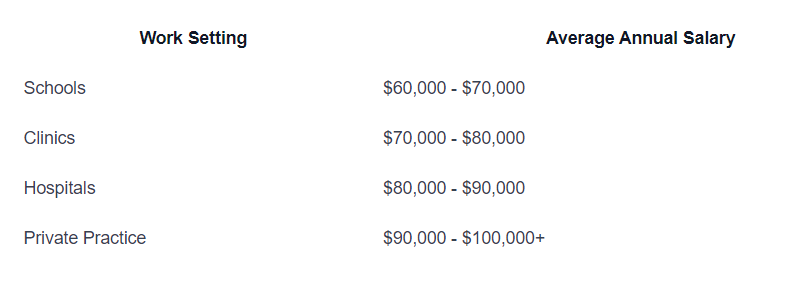
It's important to note that these figures are approximate and can vary depending on various factors. However, they highlight the earning potential that can come with a BCBA certification. With experience and continued professional development, behavior analysts can further increase their earning potential.
Completing a BCBA program not only equips you with the necessary skills and knowledge but also provides the opportunity to explore a fulfilling career with attractive remuneration. By helping individuals overcome behavioral challenges and facilitating positive change, you can make a significant difference in the lives of others while building a rewarding and financially stable career.
BCBA Program Cost Considerations
When considering pursuing a BCBA program, it's important to take into account the associated costs. This section will explore two key aspects of cost considerations: tuition fees and additional expenses.
Tuition Fees
Tuition fees can vary depending on the institution and program you choose. It's essential to research and compare the costs of different BCBA programs to find one that aligns with your budget. The table below provides a general overview of the average tuition fees for BCBA programs:
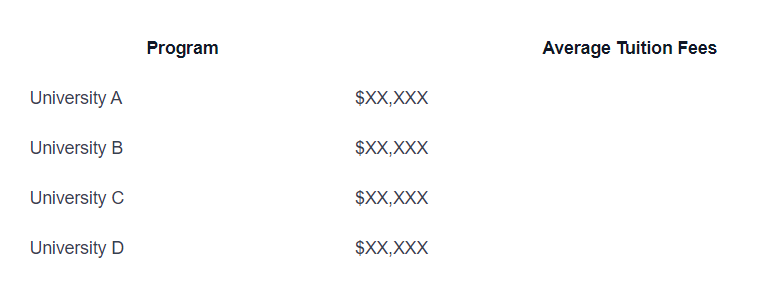
Please note that these figures are approximate and can vary based on factors such as the program duration and whether it is offered online or in-person. It's recommended to visit the respective program websites or contact the schools directly for the most up-to-date and accurate tuition fee information.
Additional Expenses
In addition to tuition fees, there are other expenses to consider when pursuing a BCBA program. These additional expenses can vary depending on factors such as the location of the program and individual circumstances. Some common additional expenses to be mindful of include:
- Books and Materials: BCBA programs often require students to purchase textbooks, reference materials, and other resources. The cost of these materials can add up, so it's important to budget for them accordingly.
- Supervision and Fieldwork: BCBA programs typically require students to complete a specified number of supervised fieldwork hours. These hours may involve additional costs, such as supervision fees or travel expenses if the fieldwork placement is not local.
- Exam Fees: To become a certified BCBA, you will need to pass the Board Certified Behavior Analyst (BCBA) exam. There are exam fees associated with registering for and taking the exam. It's important to factor in these costs when planning for your BCBA program.
- Membership and Certification Fees: Once you become a BCBA, there may be annual membership fees for maintaining your certification and access to professional resources. These fees can vary depending on the certifying organization.
- Living Expenses: If you are pursuing an in-person BCBA program, you will need to consider the cost of living in the area where the program is located. This includes expenses such as housing, utilities, transportation, and meals.
It's crucial to research and budget for these additional expenses to ensure you have a comprehensive understanding of the overall cost of completing a BCBA program. By accounting for both tuition fees and additional expenses, you can make an informed decision about the financial aspects of pursuing your BCBA certification.
BCBA Program FAQs
If you're considering pursuing a BCBA program, you may have some questions about the process and requirements. In this section, we address some common questions that individuals have regarding BCBA programs. Additionally, we provide resources where you can find further information and assistance.
Common Questions
Here are answers to some frequently asked questions about BCBA programs:
1. What does BCBA stand for? BCBA stands for Board Certified Behavior Analyst. It is a professional certification in the field of applied behavior analysis, indicating that an individual has met the education, fieldwork, and examination requirements set by the Behavior Analyst Certification Board (BACB).
2. What is the purpose of a BCBA program? A BCBA program is designed to provide individuals with the knowledge and skills necessary to become effective behavior analysts. These programs cover topics such as behavior assessment, intervention strategies, ethical considerations, and data analysis.
3. How long does it take to complete a BCBA program? The duration of BCBA programs can vary depending on the format (full-time, part-time, online) and the specific program requirements. On average, a BCBA program may take around 1 to 2 years to complete.
4. Can I pursue a BCBA program online? Yes, there are many accredited BCBA programs available online. Online programs offer flexibility and convenience, allowing students to balance their studies with other commitments. However, it's important to ensure that the online program you choose is accredited by the BACB.
5. What are the prerequisites for a BCBA program? Most BCBA programs require applicants to have a bachelor's degree in a related field, such as psychology or education. Some programs may also require relevant work experience or coursework in behavior analysis. It's important to review the specific admission requirements of each program you are considering.
Resources for Further Information
If you have additional questions or need more information about BCBA programs, the following resources can be helpful:
- Behavior Analyst Certification Board (BACB): The official website of the BACB provides detailed information about BCBA programs, certification requirements, and guidelines. Visit bacb.com for more information.
- Association for Behavior Analysis International (ABAI): ABAI is a professional organization that promotes the field of behavior analysis. Their website, abainternational.org, offers resources, publications, and events related to behavior analysis and BCBA programs.
- Individual BCBA Program Websites: Each BCBA program has its own website with specific information about curriculum, faculty, admission requirements, and contact details. Visiting the websites of the programs you are interested in can provide you with more in-depth information.
Remember, it's important to thoroughly research and evaluate various BCBA programs to find the one that aligns with your career goals and educational needs. Reach out to program coordinators and professionals in the field to gather more insights and make an informed decision.
References
- https://www.appliedbehavioranalysisedu.org/how-to-become-a-bcba/
- https://www.verywellmind.com/what-is-a-bcba-board-certified-behavior-analyst-2798368
- https://www.appliedbehavioralstrategies.com/what-is-aba/bcba-salary-and-career-outlook/
- https://www.autismspeaks.org/tool-kit/atnair-p-parents-guide-applied-behavior-analysis
- https://www.bacb.com/wp-content/uploads/2020/05/Coursework-Requirements_190801.pdf
- https://www.behaviors.org/bcba-certification-requirements/
- https://www.psychologytoday.com/us/therapy-types/applied-behavior-analysis
- https://www.indeed.com/career-advice/finding-a-job/bcba-certification
- https://www.ncbi.nlm.nih.gov/pmc/articles/PMC2686987/
Get started today
Ready to talk about ABA therapy?
Apex ABA Therapy helps families in North Carolina, Maryland, and Georgia access in-home, school-based, and daycare ABA services.
Popular services
Serving families in
.jpeg)