


Key Facts About Autism Spectrum Disorder
Unveil key facts about autism spectrum disorder and empower your knowledge on diagnosis, treatment, and living with ASD.
Key Facts About Autism Spectrum Disorder

Understanding Autism Spectrum Disorder
Autism Spectrum Disorder (ASD) is a developmental disability that can cause significant social, communication, and behavioral challenges. It is characterized by a range of conditions that can impact individuals differently. The learning, thinking, and problem-solving abilities of people with ASD can range from gifted to severely challenged.

What is Autism Spectrum Disorder?
ASD is a complex developmental condition that affects communication and behavior, with symptoms typically appearing in early childhood. It can affect the individual's ability to communicate and interact with others. The term "spectrum" refers to the wide range of symptoms, skills, and levels of impairment that people with ASD can have.
Prevalence of Autism Spectrum Disorder
ASD is fairly common, with a significant number of individuals being diagnosed. According to a study conducted by the Centers for Disease Control and Prevention (CDC), it is estimated that 1 in 44 children in the United States have ASD. The prevalence of ASD has been increasing over the years, and it is important to raise awareness and understanding of this condition.
Signs and Symptoms of Autism Spectrum Disorder
The signs and symptoms of ASD can vary widely from person to person. Some common characteristics include challenges with social skills, repetitive behaviors, speech, and nonverbal communication. Individuals with ASD may have difficulty with social interactions, understanding and using gestures, maintaining eye contact, and engaging in reciprocal conversations. They may also exhibit repetitive movements or have specific interests or routine.
It is important to note that the signs and symptoms of ASD can manifest differently in each individual. Early recognition and intervention are key factors in supporting individuals with ASD and helping them thrive in their daily lives.
By understanding what ASD is, its prevalence, and the signs and symptoms associated with it, we can create a more inclusive and supportive environment for individuals with ASD. Continued research and advancements in this field are crucial to improving diagnosis, intervention, and overall understanding of this complex developmental condition.
Diagnosis and Early Intervention
When it comes to autism spectrum disorder (ASD), early diagnosis and intervention play a crucial role in improving outcomes for individuals. In this section, we will explore the diagnosis process, the importance of early intervention, and the screening and monitoring procedures for ASD.
Diagnosis of Autism Spectrum Disorder
ASD can be reliably diagnosed as early as age 2, though it is possible to diagnose it even earlier in some cases. The diagnosis of ASD involves a comprehensive evaluation conducted by healthcare professionals, such as pediatricians, developmental pediatricians, or child psychologists. During the evaluation, the professionals assess the child's behavior, communication skills, and social interactions to determine if they meet the criteria for ASD.
Parents' observations and concerns are crucial in the screening and diagnosis process, as they provide valuable insights into the child's behavior and development. It is essential for parents to share any concerns they may have with their healthcare provider, as early recognition of potential symptoms can lead to timely interventions.
Importance of Early Intervention
Early intervention can significantly impact the lives of individuals with ASD. According to the American Academy of Pediatrics, screening for ASD should be conducted at the 18 and 24-month well-child visits. Early intervention services can help children with ASD learn important skills and improve their overall development.
Through early intervention, children with ASD can receive appropriate therapies and support tailored to their individual needs. These interventions may include behavioral therapies, educational interventions, and family support services. Early identification and intervention can lead to improved outcomes, such as enhanced communication skills, social interactions, and overall quality of life.
Screening and Monitoring for Autism Spectrum Disorder
Monitoring child development and acting early if there are concerns about ASD is crucial. The American Academy of Pediatrics recommends routine developmental surveillance during well-child visits. Additionally, the AAP recommends formal ASD-specific screening at the 18 and 24-month visits. These screenings help identify children who may need further evaluation for ASD.
Screening tools, such as the Modified Checklist for Autism in Toddlers (M-CHAT), are commonly used to assess a child's behavior and development. These tools rely on parents' responses regarding their child's behaviors and interactions. If the screening indicates a potential risk for ASD, further evaluation by a healthcare professional is necessary for a formal diagnosis.
Early identification and intervention are key to supporting individuals with ASD. While there is no known cure for ASD, early diagnosis and intervention can significantly improve outcomes and help individuals with ASD thrive. By monitoring developmental milestones and seeking professional evaluation when necessary, parents and clinicians can play a vital role in identifying and supporting individuals with ASD at all stages of life.
Treatment and Support for Autism Spectrum Disorder
When it comes to autism spectrum disorder (ASD), there are various treatment and support options available to help individuals manage symptoms and improve their quality of life. These interventions aim to address the unique needs and challenges faced by individuals with ASD. In this section, we will explore three key approaches: behavioral and educational therapies, medications, and support services.
Behavioral and Educational Therapies
Behavioral and educational therapies play a crucial role in the treatment of ASD. These therapies focus on teaching individuals with ASD important skills and strategies to enhance their development and improve their daily functioning. They are evidence-based and designed to target specific areas of difficulty, such as social interaction, communication, and behavior management.
Some common behavioral and educational therapies for individuals with ASD include:
- Applied Behavior Analysis (ABA): ABA is a widely recognized therapy that focuses on teaching new skills and reducing challenging behaviors. It uses positive reinforcement to encourage desired behaviors and can be tailored to the individual's needs.
- Speech Therapy: Speech therapy helps individuals with ASD develop their communication skills, including verbal and nonverbal communication. It may involve techniques such as language development, articulation therapy, and social communication skills training.
- Occupational Therapy: Occupational therapy aims to improve an individual's ability to participate in daily activities and enhance their motor skills, sensory integration, and self-care abilities. It can address challenges related to fine motor skills, sensory sensitivities, and adaptive behaviors.
Medications for Autism Spectrum Disorder
Medications may be prescribed to individuals with ASD to manage specific symptoms or co-occurring conditions. While there is no medication that can cure ASD, certain medications can help address associated symptoms or conditions that may be present. The decision to use medication is typically based on an individual's specific needs and should be carefully evaluated and monitored by a healthcare professional.
Some medications that may be prescribed for individuals with ASD include:
- Antipsychotics: These medications can help manage symptoms such as aggression, self-injury, and irritability.
- Selective Serotonin Reuptake Inhibitors (SSRIs): SSRIs may be prescribed to address symptoms of anxiety, depression, or obsessive-compulsive behaviors.
- Stimulants: Stimulant medications can be used to manage symptoms of attention deficit hyperactivity disorder (ADHD) that may co-occur with ASD.
It's important to note that medication should always be used under the guidance and supervision of a healthcare professional who specializes in ASD.
Support Services for Individuals with Autism Spectrum Disorder
Support services are essential for individuals with ASD and their families. These services aim to provide assistance, resources, and guidance to help individuals with ASD reach their fullest potential. Support services can be tailored to the unique needs of each individual and may involve a multidisciplinary approach.
Some common support services for individuals with ASD include:
- Educational Support: Special education programs and individualized education plans (IEPs) can help address the educational needs of individuals with ASD. These programs focus on providing appropriate accommodations, therapies, and support within the educational setting.
- Therapy and Intervention Services: In addition to behavioral and educational therapies, individuals with ASD may benefit from other specialized interventions such as social skills training, cognitive-behavioral therapy, and parent-mediated interventions. These services help individuals develop important skills and enhance their overall well-being.
- Community Resources: Various community resources, support groups, and advocacy organizations are available to provide information, assistance, and community connections for individuals with ASD and their families. These resources can offer emotional support, access to helpful tools and strategies, and opportunities for social interaction and inclusion.
By combining behavioral and educational therapies, appropriate medications, and support services, individuals with ASD can receive the comprehensive care they need to thrive and reach their fullest potential. It's important to work closely with healthcare professionals, educators, and support networks to tailor interventions to each individual's unique strengths and challenges.
Living with Autism Spectrum Disorder
Living with Autism Spectrum Disorder (ASD) presents unique challenges and strengths for individuals affected by this developmental disability. It is important to promote understanding and inclusion in society while actively participating in autism research to improve support and outcomes for those with ASD.
Challenges and Strengths of Individuals with Autism Spectrum Disorder
ASD can cause significant social, communication, and behavioral challenges. The severity of these challenges varies, as the learning, thinking, and problem-solving abilities of individuals with ASD can range from gifted to severely challenge. Some common challenges faced by individuals with ASD include difficulty with social interactions, sensory sensitivities, repetitive behaviors, and difficulties with verbal and nonverbal communication.
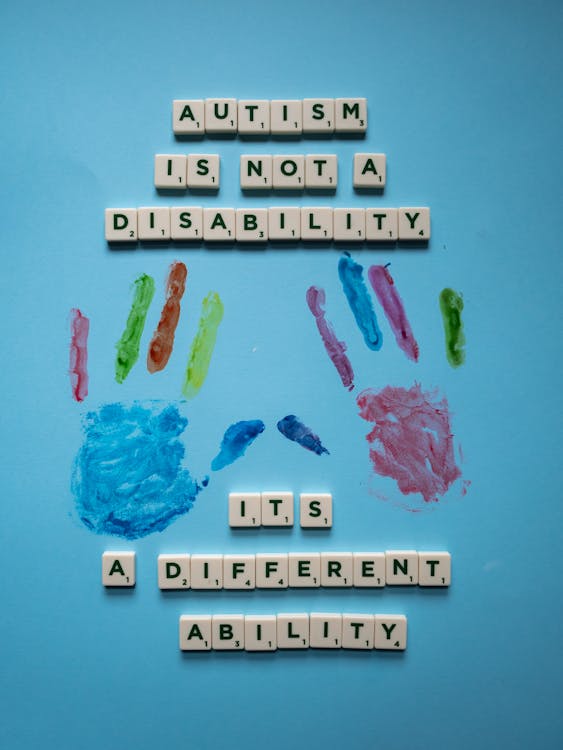
However, it is important to recognize and appreciate the unique strengths and abilities that individuals with ASD possess. Many individuals with ASD have exceptional attention to detail, strong memory, and an affinity for specific subjects or activities. Their different perspectives and ways of thinking can contribute to innovative problem-solving and creativity.
Promoting Understanding and Inclusion
Promoting understanding and inclusion is crucial in creating a supportive and accepting environment for individuals with ASD. It begins with raising awareness about autism and dispelling misconceptions. Educating the public, schools, workplaces, and communities about the characteristics and needs of individuals with ASD can foster empathy and acceptance.
Inclusion involves creating accessible environments that accommodate the diverse needs of individuals with ASD. This includes providing reasonable accommodations, such as sensory-friendly spaces, clear communication strategies, and support systems. By embracing neurodiversity, society can appreciate the unique strengths and contributions of individuals with ASD.
Participating in Autism Research
Active participation in autism research is essential for advancing knowledge, understanding, and support for individuals with ASD. Research helps identify risk factors, improve diagnostic methods, and develop effective interventions. It is through research that new treatments, therapies, and support services are developed to enhance the lives of individuals with ASD.
Parents, caregivers, and individuals with ASD can contribute to research efforts by participating in studies, providing data, and sharing their experiences. Their involvement helps researchers gain valuable insights and perspectives, leading to more comprehensive and impactful outcomes.
In recent years, the increased focus on community involvement and government funding has led to significant advancements in autism research. The pivot to telehealth during the COVID-19 pandemic has also facilitated online diagnoses, mental health support, and interventions, improving access to crucial services and resources for individuals with ASD worldwide.
By actively engaging in autism research, individuals and families affected by ASD contribute to the collective effort of understanding and supporting those with the condition. Their involvement paves the way for advancements that can positively impact the lives of individuals with ASD and their families.
Living with ASD comes with its challenges, but it is important to recognize and support the strengths and abilities of individuals with ASD. Through understanding, inclusion, and active participation in research, we can create a more inclusive society that celebrates the uniqueness of every individual, regardless of their neurodiversity.
Factors and Causes of Autism Spectrum Disorder
Autism Spectrum Disorder (ASD) is a complex developmental condition that involves persistent challenges in social interaction, speech, communication, and restricted/repetitive behaviors. While the exact cause of ASD is not yet known, research suggests that it involves a combination of genetic and environmental factors. Let's explore the factors and causes associated with ASD.
Genetic and Environmental Factors
Genetics and environment are believed to play significant roles in the development of Autism Spectrum Disorder. Although the specific genes and environmental factors involved are not entirely clear, research suggests that there are complex interactions between them that influence the manifestation of the disorder.
Genetic factors: Studies have shown that certain genes may contribute to the risk of developing ASD. However, it's important to note that no single gene has been identified as the sole cause of autism. Instead, there are likely multiple genes involved, each with a small effect.
Environmental factors: Environmental factors, such as prenatal and perinatal factors, may also contribute to the risk of developing ASD. These factors include advanced parental age at the time of conception, maternal prenatal medication use, exposure to certain chemicals, and complications during pregnancy or delivery.
Risk Factors for Autism Spectrum Disorder
In addition to genetic and environmental factors, certain risk factors have been identified that may increase the likelihood of developing Autism Spectrum Disorder. These risk factors include:
- Family history: Having a family member with ASD increases the risk of developing the disorder.
- Sex: Boys are more likely to be diagnosed with ASD than girls.
- Certain genetic conditions: Individuals with certain genetic conditions, such as fragile X syndrome or tuberous sclerosis, have a higher risk of having ASD.
It's important to remember that these risk factors do not guarantee the development of ASD. Many individuals with ASD do not have any known risk factors.
Ongoing Research and Advancements
Research studies continue to enhance our understanding of Autism Spectrum Disorder, including its causes, risk factors, and effective treatments. The field of autism research is constantly evolving, with ongoing efforts to uncover additional genetic and environmental factors that contribute to the development of ASD.
Advancements in technology, such as genetic sequencing and neuroimaging, are providing researchers with new tools to explore the intricate complexities of ASD. These advancements aim to improve early detection, intervention strategies, and support services for individuals with Autism Spectrum Disorder.
As our understanding of ASD continues to grow, it is hoped that further research will lead to more effective interventions, improved outcomes, and increased understanding of this complex disorder.
References
- https://www.mayoclinic.org/diseases-conditions/autism-spectrum-disorder/diagnosis-treatment/drc-20352934
- https://www.psychiatry.org/patients-families/autism/what-is-autism-spectrum-disorder
- https://autismsciencefoundation.org/autism-research-in-2022/
- https://www.mayoclinic.org/diseases-conditions/autism-spectrum-disorder/symptoms-causes/syc-20352928
- https://www.chconline.org/resourcelibrary/what-is-the-latest-research-on-autism/
Frequently Asked Questions

More posts you’ll enjoy

Back to School Anxiety in Autistic Children: What the Research Actually Shows
Back to school anxiety affects up to 40% of autistic children. See the research-backed signs, causes, and what actually helps now.

Extended School Year for Autistic Children: What Every Parent Should Know
Learn how extended school year services protect autistic kids from summer regression, plus IEP eligibility steps and real examples.

Back to School Tips for Parents: How to Prep an Autistic Child for Day One
Research-backed back to school tips for parents of autistic children: visual schedules, social stories, IEP prep, and sensory packs.