

Fostering Independence in Autism
Unlocking independence in autism: Empower individuals with tailored support programs and essential life skills for a brighter future.

Building Independence in Autism
When it comes to fostering independence in individuals with autism, early intervention strategies and tailored support programs play a crucial role. These approaches aim to provide the necessary tools and skills for individuals with autism to navigate various aspects of their lives and promote their overall development.
Early Intervention Strategies
Research has shown that early intervention strategies for autism can have significant positive impacts on a child's development. Children who receive early intervention experience improvements in motor and language skills, as well as an average increase of 17.6 IQ points compared to those who do not receive early intervention. Early intervention allows children with autism to develop essential communication and social skills, enabling them to better navigate social interactions and build meaningful connections with others.
Tailored support through early intervention programs is key to maximizing the effectiveness of interventions for autism. Applied Behavior Analysis (ABA), social stories, and sign language are some examples of interventions that can be customized to address the unique needs of each child with autism. These interventions focus on promoting skill development and reducing challenging behaviors, setting a strong foundation for independence and growth. Parent-mediated intervention programs have also shown effectiveness and cost-efficiency in early intervention, resulting in significant improvements in communication and overall development in children with autism.
Tailored Support Programs
Tailored support programs are designed to meet the specific needs of individuals with autism, recognizing that each person's journey towards independence is unique. These programs encompass a range of interventions and therapies that focus on developing essential skills in various areas.
One crucial aspect of building independence in autism is the development of communication and social skills. Strengthening these skills, including the use of Alternative/Augmentative Communication (AAC) and visual supports, is crucial for increasing independence in children with autism [2]. By equipping individuals with effective communication strategies, they can express their needs, understand others, and engage in social interactions more confidently.
In addition to communication and social skills, self-care and daily living activities are also important areas of focus. Tailored support programs aim to teach individuals with autism how to independently perform tasks such as personal hygiene, dressing, eating, and managing their own routines. By developing these self-care skills, individuals with autism can gain greater autonomy and participate more fully in their daily lives.
By utilizing early intervention strategies and tailored support programs, individuals with autism can build a foundation for independence at an early age. These interventions provide them with the necessary skills and support to navigate various aspects of their lives, promoting their overall development and enhancing their quality of life.
Developing Essential Skills
To foster independence in individuals with autism, it is essential to focus on developing their communication and social skills, as well as their self-care and daily living activities.
Communication and Social Skills
Early intervention plays a crucial role in helping children with autism develop essential communication and social skills. By providing targeted support and interventions, children can learn to navigate social interactions and build meaningful connections with others. Interventions may include therapies like Applied Behavior Analysis (ABA), speech therapy, and play therapy, among others.
Strengthening communication skills is key to increasing independence in individuals with autism. This may involve the use of alternative and augmentative communication (AAC) methods, such as picture exchange communication systems (PECS) or speech-generating devices. Visual supports, such as visual schedules and social stories, can also aid in improving communication and social understanding.
Self-Care and Daily Living Activities
Teaching self-care and daily living activities is another vital aspect of fostering independence in individuals with autism. By introducing these skills at an early age, children can master tasks such as brushing teeth, combing hair, dressing themselves, and other activities of daily living (ADLs). This helps them become more independent and confident in taking care of themselves [2].
Implementing visual supports, such as visual schedules and task analysis charts, can assist individuals with autism in understanding and completing self-care tasks more independently. Visual schedules provide a visual representation of the steps involved in a task or routine, helping individuals follow the sequence and transition between activities with less prompting. Task analysis charts break down complex tasks into smaller, manageable steps, making it easier for individuals with autism to learn and perform self-care activities.
By focusing on developing communication and social skills, as well as self-care and daily living activities, individuals with autism can gain the necessary skills to navigate social interactions, express their needs, and take care of themselves more independently. These skills set the foundation for building greater independence and enhancing their overall quality of life. To learn more about fostering independence in individuals with autism, continue reading our articles on vocational skills and individualized education programs (IEP).
Promoting Independence in Education
Education plays a crucial role in fostering independence for individuals with autism. By providing appropriate support and tailored programs, autistic individuals can develop the necessary skills to navigate their educational journey. In this section, we will explore two key aspects of promoting independence in education: vocational skills and the Individualized Education Program (IEP).
Vocational Skills
Starting at age 14, it is important for children with autism to have vocational skills included in their Individualized Education Program (IEP) to guide future planning and foster independence. Vocational skills focus on preparing individuals for employment and equipping them with the necessary tools to succeed in the workforce.
Vocational training programs for individuals with autism are designed to develop skills that match their interests and abilities. These programs often include a combination of classroom instruction, hands-on training, and community-based experiences. They cover various aspects of job readiness, such as communication skills, problem-solving abilities, time management, and workplace etiquette.
By acquiring vocational skills, individuals with autism gain the confidence and independence required to pursue meaningful employment opportunities. These skills empower them to contribute to society, enhance their self-esteem, and lead fulfilling lives.
Individualized Education Program (IEP)
The Individualized Education Program (IEP) is a critical tool in promoting independence in education for individuals with autism. An IEP is a personalized plan developed collaboratively by educators, parents, and other professionals to address the unique educational needs of the individual.
Within the IEP, specific goals and objectives are set to support the development of essential skills. For individuals with autism, these goals often focus on communication and social skills, as well as academic milestones. The IEP provides a roadmap for educators and support staff to guide the individual's educational journey and ensure that appropriate strategies and accommodations are implemented.
The IEP also serves as a platform for fostering collaboration between parents, teachers, and other professionals involved in the individual's education. Regular meetings and progress evaluations allow for continuous monitoring and adjustments to the plan as needed. This collaborative approach enhances the effectiveness of interventions and supports the individual's overall growth and independence.
By prioritizing vocational skills within the IEP and tailoring the education plan to the unique needs of the individual, schools can play a pivotal role in preparing autistic individuals for successful transition into adulthood.
Community Inclusion for Autistic Individuals
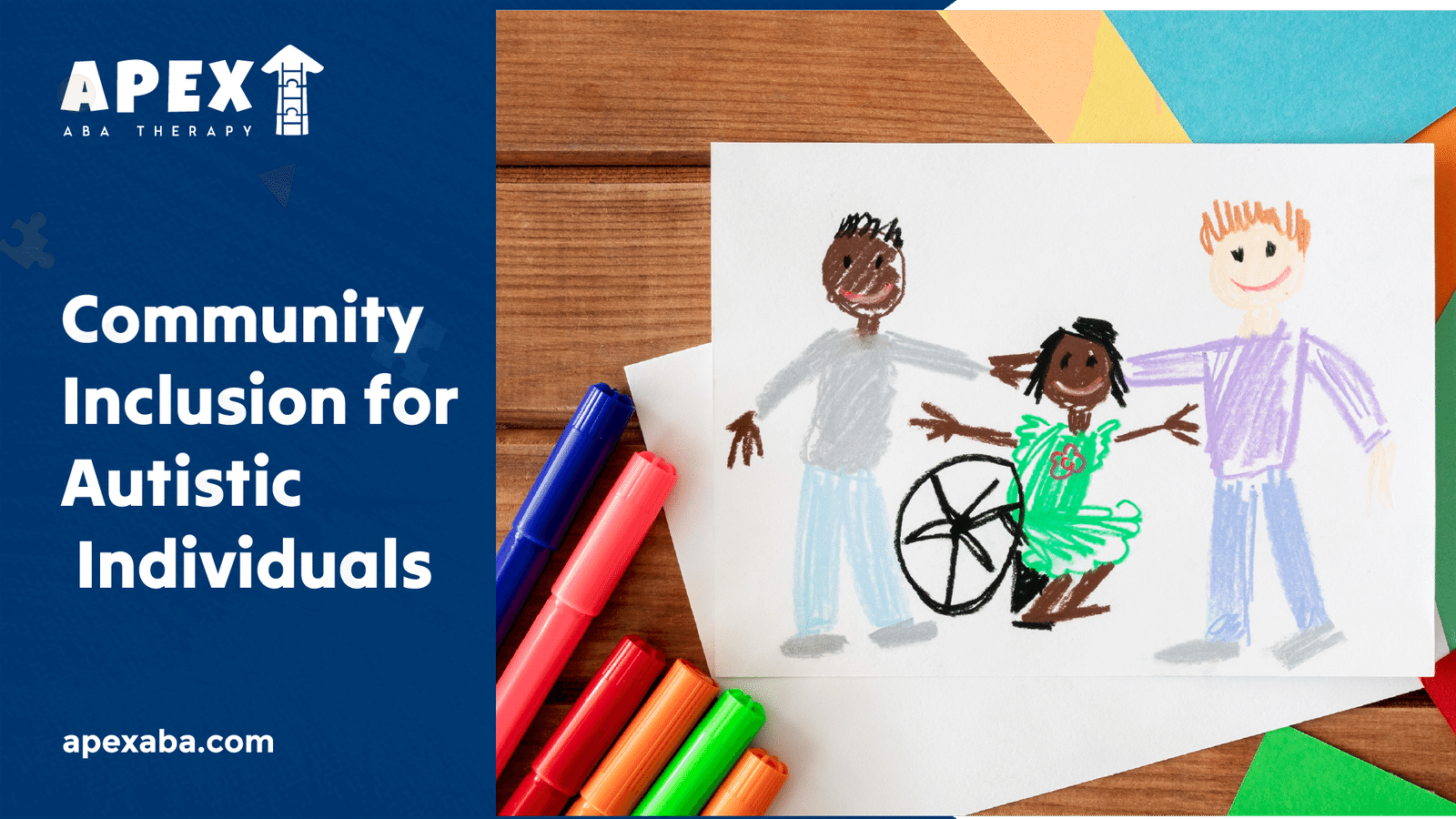
Community inclusion plays a vital role in enhancing the quality of life for autistic individuals. It goes beyond mere participation and aims to foster a sense of belonging, acceptance, and social integration. By promoting community inclusion, we can provide opportunities for personal growth, independence, and self-advocacy, ultimately improving the overall well-being of individuals with autism.
Enhancing Quality of Life
Community inclusion offers numerous benefits that contribute to the overall quality of life for autistic individuals. By fostering a sense of belonging, it helps to build social skills, develop meaningful relationships, and establish a sense of identity and purpose. Autistic individuals who are included in their communities have the opportunity to engage in activities that align with their interests and strengths, leading to a more fulfilling and satisfying life.
Inclusive communities also provide a platform for personal growth and development. Autistic individuals can learn from and contribute to the diverse experiences and perspectives of others, expanding their knowledge, skills, and understanding of the world around them. Furthermore, community inclusion promotes self-advocacy, empowering individuals with autism to express their needs and preferences, make informed decisions, and actively participate in shaping their own lives.
Overcoming Barriers to Inclusion
Despite the importance of community inclusion, there are several barriers that need to be addressed to create a more inclusive and supportive society for autistic individuals. Lack of awareness and understanding about autism, stigma and discrimination, and accessibility challenges are key barriers that hinder community inclusion.
To overcome these barriers, education and awareness programs are crucial. By promoting understanding, acceptance, and empathy within the community, these programs challenge misconceptions and stereotypes about autism. They create opportunities for open dialogue and provide accurate information about autism, fostering inclusive attitudes and behaviors.
Advocacy and support organizations also play a significant role in ensuring community inclusion for autistic individuals. They advocate for inclusive policies, legislation, and community initiatives that promote participation and well-being. These organizations provide resources, guidance, and support to individuals with autism and their families, helping them navigate the path towards community inclusion.
Creating inclusive spaces and opportunities is essential for community inclusion of autistic individuals. Sensory-friendly environments, clear communication strategies, and inclusive programs can accommodate diverse sensory, social, and communication needs. By incorporating these elements, communities can foster interaction, acceptance, and understanding among individuals of all abilities.
By recognizing the benefits of community inclusion and addressing the barriers to inclusion, we can create a society that values and embraces the diverse contributions of autistic individuals. Together, we can build communities that are inclusive, supportive, and empowering for everyone.
Supporting Caregivers of Autistic Individuals
Taking care of individuals with autism can be both rewarding and challenging. It is crucial for caregivers to prioritize their own well-being and seek support to effectively care for their loved ones. In this section, we will explore two important aspects of supporting caregivers: prioritizing self-care and building a support network.
For more information on autism and related topics, feel free to explore our articles on benefits of ABA therapy, importance of play therapy for autism, preparing for an autism assessment, and navigating autism healthcare services.
Prioritizing Self-Care
Caregivers of individuals with autism must prioritize self-care as it directly impacts their ability to provide care. Neglecting personal needs can lead to burnout and health problems [3]. Here are some ways caregivers can prioritize self-care:
- Physical Health: Maintaining a balanced diet, engaging in regular exercise, getting sufficient sleep, and scheduling regular check-ups with healthcare providers are essential. Taking care of physical health significantly influences mental and emotional well-being.
- Stress Management: Caregivers should practice stress management techniques such as mindfulness meditation, deep breathing exercises, and engaging in hobbies or activities that bring joy. These techniques can help reduce stress levels and provide much-needed mental breaks.
- Education: Educating oneself about autism is important for caregivers to feel more competent and confident in their roles. Attending workshops, reading books, and participating in training sessions can provide valuable insights and practical strategies for managing daily challenges.
Building a Support Network
Building a support network is crucial for caregivers of individuals with autism. Having a strong support system can provide emotional relief, practical advice, and an opportunity to share responsibilities. Here are some ways caregivers can build a support network:
- Family and Friends: Reach out to family members and friends who can provide understanding and support. They can offer a helping hand or lend an empathetic ear when needed.
- Support Groups: Joining support groups specifically for caregivers of individuals with autism can be beneficial. These groups provide a space to connect with others who share similar experiences, discuss challenges, and exchange valuable advice.
- Professional Counselors: Seeking professional counseling or therapy can offer additional support. Counselors can provide guidance, help caregivers navigate complex emotions, and offer coping strategies for the unique challenges they face.
By prioritizing self-care and building a support network, caregivers of individuals with autism can enhance their well-being and effectively care for their loved ones. Remember, taking care of oneself is not selfish but essential for providing the best possible care.
Transition to Independent Living
As individuals with autism progress into adulthood, the transition to independent living becomes a significant milestone. Transitioning to independent living involves a range of considerations and support services to ensure a smooth and successful transition. In this section, we will explore the factors influencing independent living for individuals with autism and the support services available to facilitate this transition.
Factors Influencing Independent Living
Various factors can influence the ability of individuals with autism to live independently. Research indicates that age, gender, and self-reported IQ are among the factors that can impact independent living outcomes. Older individuals, women, and those with higher self-reported IQs tend to have higher rates of independent living. However, it is important to note that each individual's journey towards independent living is unique and influenced by a combination of factors.
Other factors that play a role in independent living for individuals with autism include psychophysical stability, daily living skills, financial management, and access to integrated community living and housing. These factors highlight the multifaceted nature of independent living and the need for comprehensive support in various domains.
Support Services for Independent Living
To facilitate the transition to independent living for individuals with autism, a range of support services are available. These services aim to provide the necessary assistance and resources to promote independence and well-being.
- Assistance with Daily Living Skills: Programs and services are available to help individuals with autism develop essential life skills, such as cooking, cleaning, personal hygiene, and managing household tasks. These programs focus on building independence in activities of daily living.
- Employment Opportunities: Support services help individuals with autism explore employment opportunities that align with their skills and interests. Job training programs and vocational support can assist in developing job-related skills, preparing for interviews, and securing employment.
- Social Integration: Social integration programs promote community involvement and social connections for individuals with autism. These programs provide opportunities to participate in recreational activities, join clubs or groups, and build social skills.
- Access to Healthcare Services: Access to healthcare services is crucial for individuals with autism living independently. Support services can help navigate healthcare systems, find appropriate medical providers, and ensure ongoing access to necessary healthcare resources.
- Housing Options for Independent Living: Services are available to assist individuals with autism in finding suitable housing options that meet their specific needs. These services may include housing with support and/or care, independent living arrangements, or transitional housing programs.
Several organizations, such as Easterseals and the Adult Autism Center, provide comprehensive services tailored to support individuals with autism in their journey towards greater independence. These services encompass employment assistance, college navigation, housing exploration, financial management, transportation solutions, and participation in community and recreational activities.
By addressing the factors influencing independent living and utilizing available support services, individuals with autism can navigate the transition to independent living with confidence and success. It is essential to recognize the diverse needs and capabilities of individuals with autism and provide tailored support to empower their journey towards greater independence.
References
Get started today
Ready to talk about ABA therapy?
Apex ABA Therapy helps families in North Carolina, Maryland, and Georgia access in-home, school-based, and daycare ABA services.
Popular services
Serving families in