Importance of Play for Autism Development
Discover the importance of play for autism development and how it fosters growth and social skills in children.
Importance of Play for Autism Development
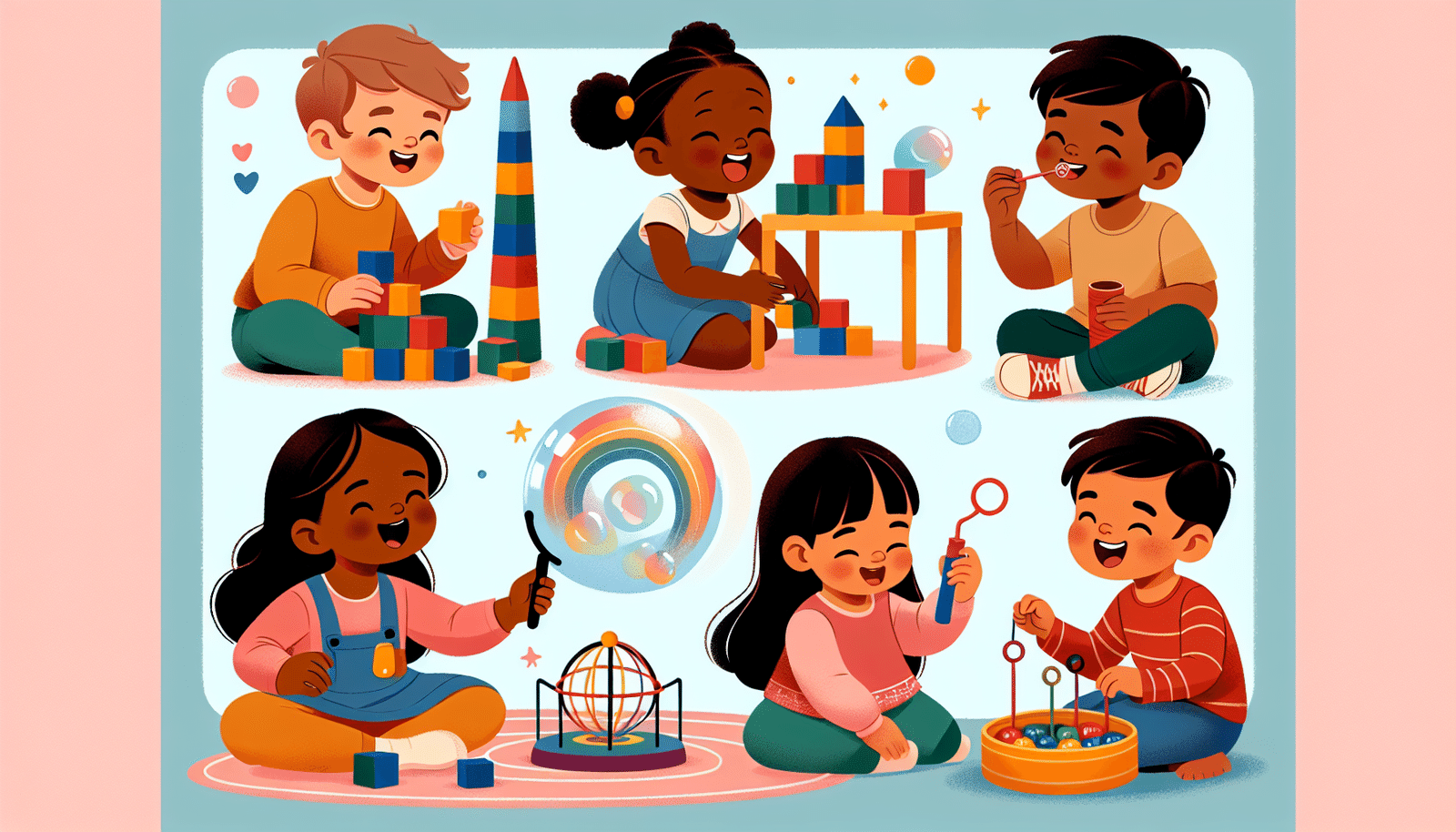
Play is a crucial aspect of child development, particularly for children with Autism Spectrum Disorder (ASD). Engaging in play not only fosters creativity and imagination but also plays a significant role in the development of social skills and communication.
Impact of Play Skills on Autism
Children with autism often face unique challenges in their play skills. Research shows that these children spend more time unengaged and less time engaged in symbolic play and joint attention compared to their typically developing peers, as well as those with other developmental delays in educational settings [1]. This lack of engagement can hinder their overall developmental progress.
Specific deficits in symbolic play and joint attention behaviors distinguish children with autism from other children, including those with intellectual disabilities. These skills are fundamental, as they not only foster creativity but also support language and social development. Teaching these play skills has shown to produce positive outcomes, including improved language skills, which can significantly enhance academic and social achievements.
Type of Play SkillEngagement in ASDEngagement in Other Developmental DelaysSymbolic PlayReducedIncreasedJoint AttentionLimitedMore Frequent
Relationship Between Play and Socialization
The relationship between play and socialization is profound. Play serves as a natural medium for children to interact and connect with their peers. For children with autism, engaging in play can promote social interactions, helping them develop relationships with others. However, children with ASD often experience delays in developing spontaneous functional and pretend play, leading to isolation during play activities.
School professionals play a vital role in supporting play and social skills. By guiding and facilitating play development, professionals can encourage peer engagement, helping children with autism to better integrate into social settings. Evidence-based practices related to play-based interventions have been identified to assist in fostering social skills and successful interactions among children with ASD.
Understanding the importance of play for autism development not only highlights the need for enhanced play interventions but also reinforces the value of supportive environments that foster social connections and communication development for children with ASD.
Deficits in Play Among Children with Autism
Understanding the unique challenges faced by children with autism can provide valuable insights for parents and caregivers. Deficits in play are particularly pronounced, impacting socialization, communication, and overall development.
Symbolic Play Challenges
Children with autism often experience significant difficulties in symbolic play, which involves using objects to represent something else. For instance, a child may use a block as a car or pretend a doll is a baby. Research shows that children with autism spend more time unengaged and engage less in symbolic play compared to their peers with other developmental delays [1].
This challenge can be attributed to specific deficits in their ability to create imaginary scenarios, hindering their overall cognitive and social development. Teachers frequently emphasize functional play over symbolic play within structured activities, inadvertently limiting the opportunities for children with autism to practice and develop these crucial skills.
Type of PlayChildren with Autism (Time Engaged)Typically Developing Children (Time Engaged)Symbolic PlayLowHighFunctional PlayModerateHigh
Joint Attention Issues
Another critical area where deficits are observed is in joint attention, which refers to the ability to share focus on an object or event with another person. Children with autism initiate and participate in fewer social interactions than those with other disabilities, tending to play in isolation instead.
The lack of joint attention can severely limit their ability to engage with peers and participate in collaborative play, which is essential for building social skills and emotional understanding. Children with autism often miss out on opportunities for shared experiences that facilitate social learning and relationship-building with others.
Representing potential differences in social play interactions:
Interaction TypeChildren with AutismChildren with Other DisabilitiesPeer InitiationsLowModerateSocial ParticipationIsolatedEngaged
Addressing these deficits in play is vital for improving social skills and overall development. Strategies that focus on enhancing symbolic play and joint attention can help children with autism engage more fully with their peers. Effective interventions can include structured play sessions aimed at teaching these skills. For insights into promoting play, refer to our article on importance of play for autism development.
Strategies to Enhance Play for Children with Autism
Enhancing play skills for children with autism is crucial for their overall development. Effective strategies can help children improve their social interactions and language skills. Here are two main strategies: teaching play and joint attention, and promoting social interactions.
Teaching Play and Joint Attention
Teaching play skills, along with the ability to maintain joint attention, has proven to lead to improved communication outcomes. Research shows that structured interventions can significantly enhance these skills for children with autism.
To support this development, caregivers can implement various techniques:
- Engaging in Play: Parents can initiate play activities that include turn-taking and shared focus, which reinforces joint attention.
- Using Visual Aids: Incorporating visual schedules and pictures can help children understand the steps in play, making it easier for them to engage.
- Modeling Play: Demonstrating how to use toys and games can serve as a guide for children, allowing them to learn through observation.
Tools like the Hanen Centre's booklet "Make Play Rock" provide additional guidance for fostering these skills effectively. Caregivers can find practical, research-based techniques to make play more enjoyable and instructive for children with autism.
Promoting Social Interactions
Social interactions can be nurtured through various strategies and interventions aimed at enhancing the overall play experience. Fostering these connections leads to better social skills and engagement in children with autism. Some effective methods include:
- Peer-Mediated Interventions: Structured activities that encourage interaction between peers can significantly help children develop social skills in a supportive environment. These interventions can create opportunities for children to engage in play with their classmates, enhancing both play and social skills.
- Integrated Play Group Model: This approach focuses on creating situations where children with autism can practice play and social skills. By arranging environments that maximize play competency and guiding participation, children can increase their functional and symbolic play.
- Greenspan's Floor Time Model: This model emphasizes emotional engagement and transitions repetitive play into more meaningful interactions. Evidence shows improvements in various domains such as creativity and cognitive skills after participating in this intervention [5].
Implementing these strategies will not only encourage play but will also boost social interaction capabilities, enhancing the overall developmental journey for children with autism. For further insights on co-occurring challenges, visit our article on co-occurring disorders in autism.
Sensory Processing in Autism Play
Understanding sensory processing is vital in supporting the development of children with autism. Sensory processing work is closely tied to how children engage in play, as it significantly impacts their ability to interact with their surroundings and peers.
Sensory Processing Disorder
Sensory Processing Disorder (SPD) is prevalent among children with autism spectrum disorders (ASD), with literature reporting its occurrence in 42% to 88% of affected children PubMed Central. Children experiencing sensory processing dysfunction often struggle to regulate responses to various sensations and specific stimuli.
The impact of SPD extends to play activities. If a child is overwhelmed by sensory input—such as noise, texture, or visual stimuli—they may withdraw from play or display challenging behaviors. This makes it essential for parents and caregivers to recognize sensory preferences and aversions, allowing for adjustments to play environments that accommodate the child's sensory needs.
SPD ChallengesPotential Impact on PlayOverreacting to soundsAvoidance of noisy play areasDiscomfort with texturesReluctance to engage with tactile toysSensitivity to lightDifficulty focusing in brightly lit spaces
Sensory Integration Interventions
Sensory Integration (SI) interventions focus on enhancing the neurological processing of sensory information. These interventions are designed to improve various skills, including sensory modulation, social interactions, academic abilities, and overall independence in children with ASD through controlled sensory experiences that elicit adaptive responses PubMed Central.
Research indicates that SI therapy can significantly decrease autistic mannerisms in children and lead to positive changes in functional behaviors related to play and interaction. Studies have shown promising effects of SI therapy in reducing self-stimulating behaviors while simultaneously increasing playful interactions and effectiveness in social contexts PubMed Central.
Implementing SI interventions can involve activities that stimulate the senses through play, aiming to develop better responses to different stimuli. It's vital to customize these interventions, ensuring they align with the child's individual sensory experiences.
SI Intervention BenefitsOutcomesImproved sensory modulationEnhanced engagement in playIncreased social interactionsBetter peer connectionsGreater independence in activitiesImproved confidence in social settings
By understanding the role of sensory processing and integrating appropriate interventions, caregivers can play a crucial part in enhancing play opportunities for children with autism, ultimately fostering development and socialization. For more information on sensory diets that can support these efforts, explore our article on autism and sensory diets.
Play-Based Interventions for Autism
Play-based interventions are critical in fostering social skills and enhancing play development for children with autism. Two notable approaches are peer-mediated interventions and direct play instruction.
Peer-Mediated Interventions
Peer-mediated interventions utilize the natural interactions between peers to foster social engagement and play skills. These interventions involve training typically developing peers to interact with children on the autism spectrum, creating a more inclusive environment. Research indicates that these strategies significantly promote social skills and have been proven effective in enhancing play development.
This approach leverages the following elements:
- Natural Opportunities for Interaction: Peers provide spontaneous play opportunities that may not occur in adult-led scenarios.
- Modeling Behavior: Typically developing peers can model appropriate play behaviors and communication skills, providing a reference for children with autism.
- Increased Engagement: By incorporating common interests, peer-mediated strategies often lead to higher levels of active participation and engagement in play.
Direct Play Instruction
Direct play instruction focuses on teaching specific play skills directly to children with autism. Therapists or educators break down play activities into manageable components, providing clear instructions and support at every step. This method is especially beneficial for enhancing both symbolic play and joint attention skills.
Key characteristics of direct play instruction include:
- Structured Learning: Activities are designed to systematically teach children about turn-taking, sharing, and cooperative play.
- Use of Interests: Incorporating a child's unique interests into the structured play helps maintain engagement.
- Feedback and Reinforcement: Positive reinforcement is used consistently to encourage desired behaviors and boost confidence.
Both peer-mediated interventions and direct play instruction play a vital role in the importance of play for autism development, enhancing not only play skills but also social interactions among children with autism. Through these methods, children can develop foundational skills that support their overall growth and integration into social settings.
Role of School Professionals in Play Development
School professionals play a crucial role in enhancing play skills and facilitating peer interactions for children with Autism Spectrum Disorder (ASD). By implementing effective strategies and interventions, they contribute significantly to the social engagement and developmental progress of students with autism.
Supporting Play Skills
Educators are essential in guiding play development through various evidence-based practices (EBPs). Interventions such as direct play instruction and packaged play-based programs have been shown to effectively enhance play skills for students with ASD. By providing structured play opportunities, professionals can teach essential skills such as turn-taking, sharing, and imaginative play. This foundational support not only aids children's play development but also strengthens their confidence and ability to engage with peers.
A study by the Frank Porter Graham Child Development Institute found that targeted interventions focusing on enhancing play skills significantly benefit children with ASD:
Intervention TypeBenefitsPeer-mediated interventionsPromotes social skills and engagement with peers.Direct play instructionImproves play interactions and self-initiations.Packaged play-based interventionsEnhances overall developmental progress.
Facilitating Peer Interactions
In educational settings, school professionals must facilitate opportunities for peer interactions among students with autism. Encouraging collaborative play and social interaction helps children with ASD build relationships and develop essential social skills. Educators can create a structured environment that fosters teamwork and cooperation during play activities, ensuring that children have multiple opportunities to practice and enhance their social skills.
Research shows that effective peer interactions lead to increased social competence and improved communication skills among children with ASD [2]. Facilitating these interactions is vital in creating inclusive classroom environments and nurturing the importance of play for autism development.
By providing support and guidance in play development and peer engagement, school professionals are instrumental in fostering social skills and confidence in children with autism. They help create a positive educational atmosphere where every child can thrive. For additional information on building confidence in autistic kids, consider checking out our article on build confidence in autistic kids.
References
[1]: https://pmc.ncbi.nlm.nih.gov/articles/PMC4205103/[2]: https://fpg.unc.edu/publications/role-play-social-development-children-autism-spectrum-disorder[3]: /using-visual-aids-in-autism-therapy[4]: https://autismlittlelearners.com/play-based-learning/[5]: https://iidc.indiana.edu/irca/articles/play-time-an-examination-of-play-intervention-strategies-for-children-with-autism-spectrum-disorders.html
Get started today
Ready to talk about ABA therapy?
Apex ABA Therapy helps families in North Carolina, Maryland, and Georgia access in-home, school-based, and daycare ABA services.
Popular services
Serving families in