


Is In-Home ABA the Right Fit for Your Child? Here’s What You Need to Know
In-home ABA therapy offers a tailored approach to support your child’s development. Learn how it can improve key skills like communication, social interaction, and more.
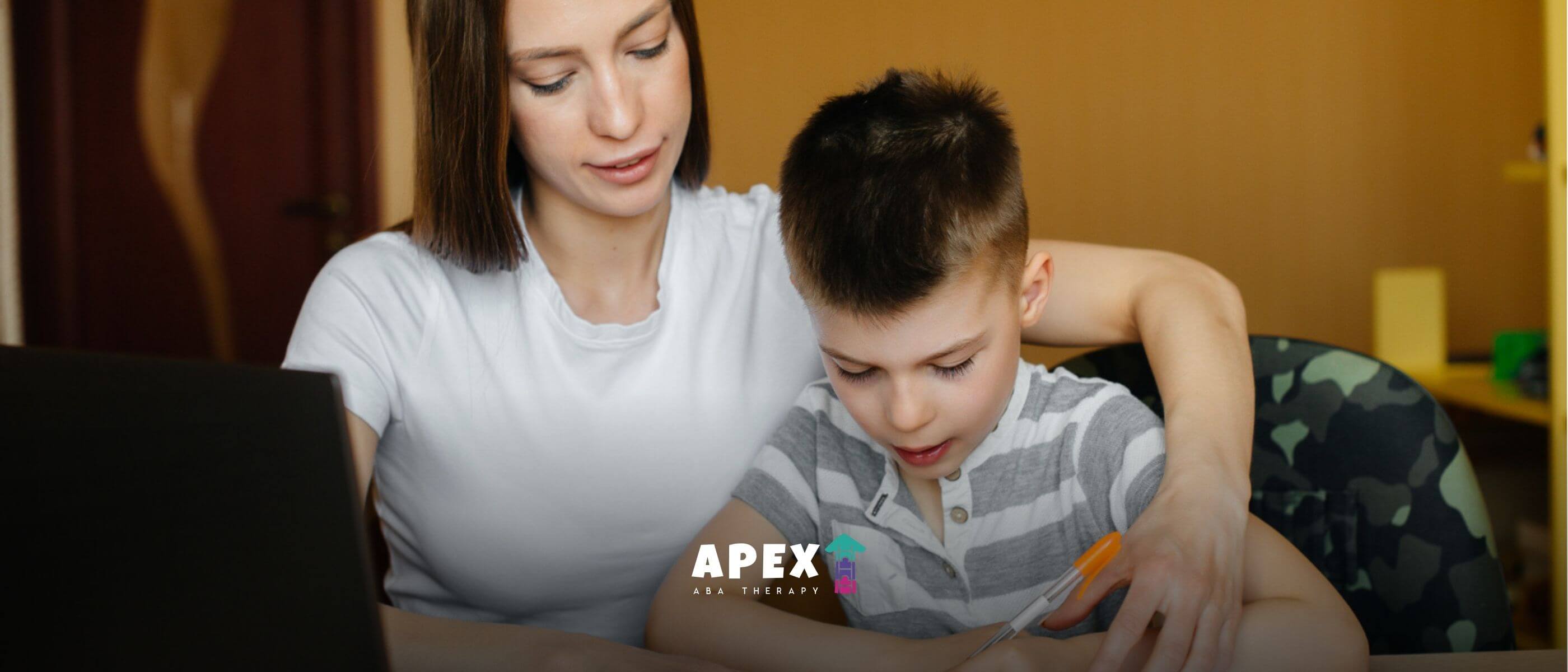
Is In-Home ABA the Right Fit for Your Child? Here’s What You Need to Know

Yes, in-home ABA therapy can be very effective! The comfort of being at home helps autistic children feel relaxed, making it easier for them to engage in learning. In-home therapy is personalized, flexible, and integrates seamlessly into everyday routines.
Plus, with parents actively involved, the consistency and support help reinforce progress.
- Familiar Environment: Children feel comfortable at home, which makes learning easier.
- Personalized Approach: Therapy is tailored to your child’s needs and daily life.
- Family Involvement: Parents can actively participate, reinforcing skills outside therapy sessions.
- Research Backed: Studies show that ABA, including in-home therapy, is effective in improving key skills.
Things to Consider:
- Distractions: At home, there may be more distractions compared to a center.
- Therapist’s Expertise: The quality of the therapist is key to success.
- Combined Approach: Sometimes, combining in-home therapy with other services works best.
At Apex ABA Therapy, we are dedicated to providing top-notch in-home ABA services that make a real difference in your child’s development. Our team of skilled therapists works closely with families to create personalized plans that fit seamlessly into your child’s daily routine.
With our in-home services, your child can learn in a familiar environment, helping to build lasting skills.
We proudly serve families in the following locations:
Reach out to us today to see how we can help your child thrive with in-home ABA therapy.
Sources:
- https://pmc.ncbi.nlm.nih.gov/articles/PMC5621997/
- https://bmcpsychiatry.biomedcentral.com/articles/10.1186/s12888-022-04412-1
- https://www.appliedbehavioranalysisedu.org/in-home-care/
- https://www.autismspeaks.org/applied-behavior-analysis
- https://pmc.ncbi.nlm.nih.gov/articles/PMC7265021/
Frequently Asked Questions
Is in-home ABA as effective as center-based ABA?
Yes, in-home ABA is just as effective for many children, as it takes place in a familiar, comfortable setting.
What skills improve most with in-home ABA?
Communication, daily living, and social skills are often the biggest areas of improvement.
How can I make in-home ABA work best?
Consistency, a skilled therapist, and active involvement from parents make in-home ABA most effective.

More posts you’ll enjoy
ABA vs. ABAB Design in Applied Behavior Analysis: The Real Difference
Discover the differences: ABA vs. ABAB design in applied behavior analysis. Unveiling the methods behind effective interventions.
ABA Strategies for Teens' Social Skills: A Complete Guide for Parents
Discover how ABA in teen social skills enhances communication and builds lasting relationships for youth.
Social Validity in ABA: What It Is and Why It Matters
If you're familiar with Applied Behavior Analysis (ABA), you may have heard the term "social validity" before. But what exactly does it mean, and why is it important in ABA?