Natural Environment Teaching: Simple and Effective Ways to Teach Your Child at Home
Natural Environment Teaching (NET) makes learning fun! Learn how to use daily tasks and routines to teach your child essential life skills at home.

Natural Environment Teaching (NET) is an effective way to teach skills by using everyday activities in a child's natural environment. For parents, this means turning routine tasks into learning moments that are fun and engaging.
Here are some simple ways to incorporate NET into your daily life.
Mealtime Learning
Mealtime is a great chance to teach a variety of skills, including:
- Requesting: Encourage your child to ask for items like "more milk" or "pass the spoon."
- Following directions: Ask your child to help set the table with simple tasks, like placing the napkin.
- Self-help skills: Teach them how to use utensils or open a drink independently.
Playtime Skills
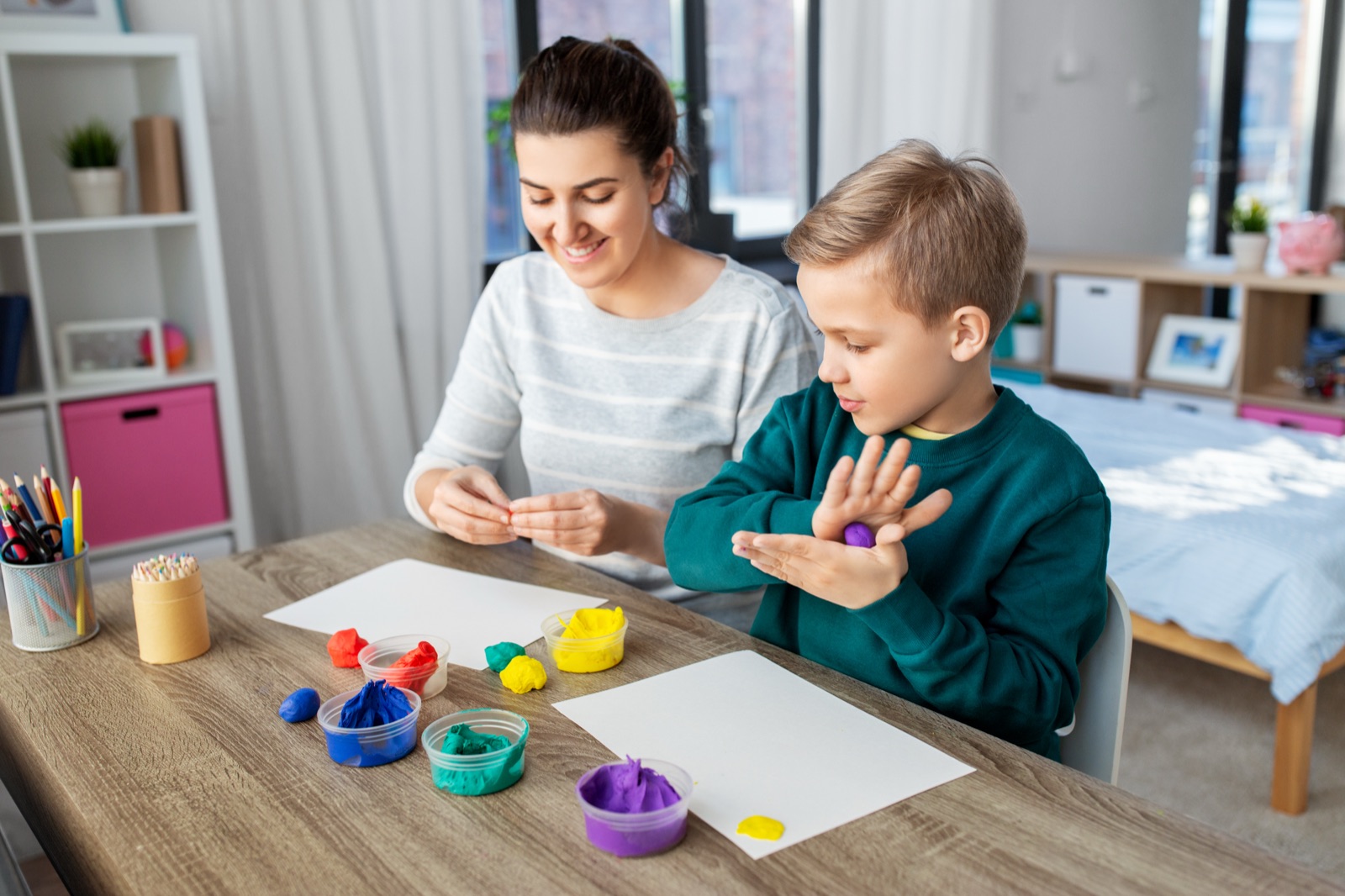
Playtime is ideal for working on social, communication, and motor skills:
- Turn-taking: Practice taking turns while playing games or with toys.
- Language development: Use play to teach new words, like colors or shapes.
- Problem-solving: Present small challenges during play, like building a tower with a set number of blocks.
Chores and Daily Tasks
Incorporate learning into everyday chores:
- Sequencing: Teach the steps involved in tasks like sorting laundry or folding towels.
- Independence: Encourage your child to do as much as they can on their own, boosting their confidence.
Grocery Shopping as a Learning Tool
Turn grocery shopping into a teaching moment:
- Choice-making: Let your child choose between options, like fruits or snacks.
- Counting: Have your child count items like cans or apples as you shop.
- Functional labels: Teach them to recognize common food labels.
Technology and Media
You can also use technology for learning:
- Apps: Use educational apps to teach skills like colors, shapes, or numbers.
- TV time: Discuss what’s happening on TV or a video, asking your child questions to reinforce understanding.
Family Routines
Daily routines, like getting ready for bed, are great learning opportunities:
- Morning routine: Use a visual schedule to guide your child through tasks like brushing teeth and getting dressed.
- Bedtime: Practice calming skills like reading together or turning off lights.
Conclusion
NET allows parents to teach their children valuable skills using everyday tasks. By incorporating learning into routines like meals, playtime, and chores, you can help your child build independence and confidence.
At Apex ABA Therapy, we use evidence-based methods to support children in developing life skills. Learn more about our ABA services here, and explore our locations in North Carolina, Georgia, and Maryland.
Want more ideas for teaching your child? Contact Apex ABA Therapy today to learn how we can support your child’s development at home.
Sources:
- https://www.nu.edu/blog/what-is-natural-environment-teaching/
- https://pubmed.ncbi.nlm.nih.gov/38917993/
- https://www.researchgate.net/publication/287645905_Utilizing_Teaching_Interactions_to_Facilitate_Social_Skills_in_the_Natural_Environment
- https://link.springer.com/chapter/10.1007/978-1-4939-0401-3_13
Frequently Asked Questions
What is Natural Environment Teaching?
NET uses real-life activities to teach children essential life skills in natural settings.
Can I use NET at home for all ages?
Yes! NET is adaptable for children of all ages and developmental levels.
How can grocery shopping be a learning experience?
Involve your child in making choices, counting items, and recognizing labels, turning shopping into a fun, interactive lesson.
Get started today
Ready to talk about ABA therapy?
Apex ABA Therapy helps families in North Carolina, Maryland, and Georgia access in-home, school-based, and daycare ABA services.
Popular services
Serving families in