

ABA Therapy and Functional Behavior Assessments
Explore the benefits of ABA therapy and functional behavior assessments for effective behavioral change.

Understanding ABA Therapy
ABA Therapy Overview
ABA therapy, or applied behavior analysis, is designed to assist children on the autism spectrum in developing social and emotional skills through one-on-one therapy sessions. These sessions are grounded in principles of learning theory, aiming to modify behaviors and enhance communication [1]. It focuses on promoting positive behavior pathways while reducing challenging behaviors.
The therapy encompasses various techniques aimed at teaching specific skills or behaviors that are relevant to the individual. By using reinforcement and reward systems, ABA helps build essential life skills. For those interested in specific applications, ABA can support areas such as community skills, social interaction skills, and more.
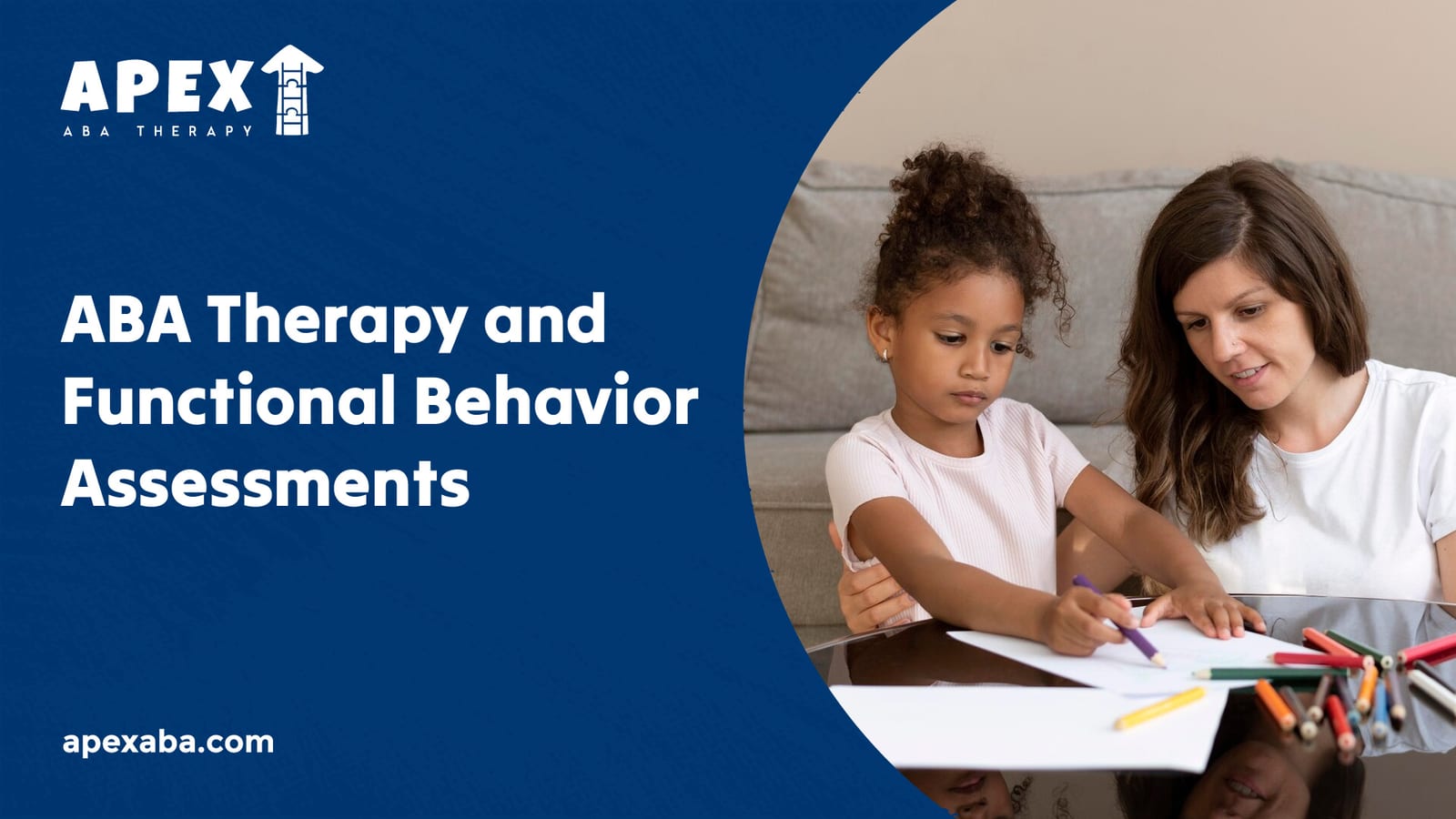
Individualized ABA Programs
ABA programs are personalized to address each learner's unique needs, skills, preferences, and family context. This individualized approach emphasizes fostering independence, enabling learners to navigate their environments successfully, and preparing for future challenges.
In creating an individualized program, assessments are conducted to determine the starting point and objectives for each child. Treatment plans are then developed to ensure that the strategies employed are both relevant and effective. These programs highlight various techniques, including discrete trial training, incidental teaching, and natural environment teaching.
Key Features of Individualized ABA ProgramsTailored to learner's specific needsFocuses on fostering independenceInvolves family in planningUses evidence-based strategiesSets measurable goals
Such a comprehensive framework ensures that learners can thrive in their personal growth while providing families with strategies to support their children.
Key Components of ABA Therapy
In the context of ABA therapy, understanding the key components is essential for effective implementation and positive outcomes. This section discusses the role of behavior analysts and the various techniques used in this therapeutic approach.
Behavior Analyst Role
A board-certified behavior analyst (BCBA) plays a crucial role in designing and overseeing ABA programs. The BCBA conducts thorough assessments, sets personalized treatment goals based on the individual's age and ability level, and continuously monitors progress through data collection. Regular reviews with family members and staff help ensure that the treatment remains on track.
The Behavior Analyst Certification Board (BACB) has established an Ethics Code that emphasizes providing services based on research literature. This code also highlights the need to adapt interventions to meet diverse client needs and utilize ongoing progress monitoring to evaluate treatment effects in ABA therapy.
Techniques in ABA Therapy
ABA therapy incorporates a wide array of techniques aimed at promoting positive behavioral outcomes. Here are some key techniques commonly employed:
By understanding the roles involved and the techniques utilized in ABA therapy, individuals can appreciate the comprehensive approach taken toward behavioral interventions. For additional insights into specific applications such as aba therapy for behavioral interventions or aba therapy for social interaction skills, further exploration is recommended.
Ethical Considerations in ABA Therapy
In the realm of ABA therapy, ethical considerations are paramount to ensure that clients receive appropriate and respectful treatment. Two fundamental aspects include individualized treatment rights and privacy and confidentiality.
Individualized Treatment Rights
Individualized treatment rights are essential in ABA. ABA programs are tailored specifically to meet the unique needs, skills, interests, and preferences of each learner. This customization highlights the importance of independence and promotes future success in various settings.
Another key ethical principle involves informed consent. Clients must receive comprehensive information regarding their treatment options, potential risks, benefits, and alternatives. This process ensures that clients are actively involved in decision-making about their interventions, fostering a sense of autonomy and trust in the therapeutic relationship [3].
Privacy and Confidentiality
Privacy and confidentiality are critical ethical considerations in ABA therapy. Protecting clients’ personal information is vital to treating them with dignity and respect. It is important to ensure that clients' information remains confidential while also honoring their autonomy and valuing their individual preferences and cultural backgrounds.
The Behavior Analyst Certification Board (BACB) has established an Ethics Code that underscores the necessity of providing services based on credible research literature, adapting interventions to meet diverse client needs, and implementing ongoing progress monitoring to assess the effectiveness of treatments. This commitment to ethical practice ensures that clients benefit from evidence-based approaches while their rights and privacy are upheld.
For more in-depth information about the various aspects of ABA therapy, including ABA therapy for self-management skills and ABA therapy for behavioral interventions, explore our related articles.
Effectiveness of ABA Therapy
Applying the principles of Applied Behavior Analysis (ABA) therapy has been widely recognized for its effectiveness, particularly for individuals with autism. The utilization of evidence-based practices and the resulting benefits form the core of ABA therapy’s success.
Evidence-Based Practices
ABA therapy has garnered recognition from the US Surgeon General and the American Psychological Association as an evidence-based best practice treatment. Numerous studies demonstrate the efficacy of intensive and long-term ABA programs. These findings indicate significant improvements in areas such as intellectual functioning, language development, daily living skills, and social functioning for many individuals with autism.
Research shows that children involved in intensive, long-term ABA therapy programs (25 to 40 hours per week for one to three years) experience positive outcomes. Many participants make notable gains in communication, social skills, and adaptive behavior. These gains stem from structured methods that support the development of functional behaviors essential for navigating everyday life.
Study FindingsDescriptionSustained ImprovementsLong-term engagement in ABA leads to better communication and social skills.Diverse Skill DevelopmentABA enhances daily living skills across various settings.Individualized InterventionsTailored approaches minimize challenges and support positive adaptations.
Benefits of ABA Therapy
The benefits of ABA therapy extend beyond immediate learning goals. By offering individuals strategies to obtain desired outcomes effectively, ABA emphasizes promoting functional behaviors. These behaviors allow individuals to meet their needs while minimizing risks to themselves or others.
Additionally, ABA therapy supports parents and caregivers even as the direct services fade, ensuring that the strategies learned can continue to benefit the individual and their family over time. This support enhances the overall quality of life for individuals receiving ABA services.
As demonstrated, ABA therapy provides a comprehensive approach to skill development and behavioral improvement. Through consistent application of evidence-based practices and tailored interventions, it fosters independence and promotes meaningful outcomes for individuals with unique challenges. For more on how ABA can assist in specific areas, explore resources on ABA therapy for social interaction skills and ABA therapy for behavioral interventions.
Functional Behavior Assessment (FBA)
Purpose of FBA
The Functional Behavior Assessment (FBA) is a systematic strategy aimed at identifying the purposes or functions that a problem behavior serves for an individual. The primary goal is to uncover the variables that maintain the problem behavior, offering insight into its underlying causes and contributing factors. Understanding these elements is crucial for developing effective interventions tailored to the individual's specific needs [6].
FBA Process Steps
The process of conducting an FBA involves various systematic steps, including data collection, functional analysis, and hypothesis development. Below are the primary steps taken during an FBA:
StepDescriptionData CollectionTools such as checklists, behavior logs, and structured interviews are used to define target behaviors and gather relevant information. This data helps in understanding the behavior's context and the factors influencing it [7].Functional AnalysisProfessionals analyze the data to identify patterns, determine the function of the behavior, and pinpoint the triggers and consequences associated with it. This step is vital for understanding the purpose behind the behavior.Hypothesis DevelopmentBased on the collected data and analysis, a hypothesis is formed about the relationship between the behavior and the identified triggers. This assists in creating tailored action plans for effective interventions.
The gathering of information through tools and techniques like functional analysis, ABC observation, and interviews or surveys allows professionals to develop a deeper understanding of the behavior, its function, and the factors that may influence it. This detailed knowledge is essential for creating effective behavioral interventions [6]. For tailored strategies, consider exploring aba therapy and behavior intervention plans.
Implementing Interventions Post-FBA
Intervention Development
The process of implementing interventions following a Functional Behavior Assessment (FBA) is crucial for addressing specific behavioral needs. The FBA assists professionals in understanding the underlying reasons for a student's actions, whether it is seeking attention, avoiding tasks, or fulfilling a sensory need. This understanding leads to tailored interventions that focus on effective behaviors and helps in developing practical behavior intervention plans (BIPs).
Intervention development also involves creating strategies that target the identified issues. These strategies should be designed to promote positive behavior changes while addressing the root causes of challenging behaviors. A comprehensive action plan includes measurable goals and objectives, ensuring that the interventions are both effective and achievable.
Key Components of Intervention DevelopmentDescriptionUnderstanding BehaviorAssess the reasons behind the behaviorTailored StrategiesDevelop specific plans addressing individual needsMeasurable ObjectivesSet clear, achievable goals to evaluate progress
Collaborative Team Approach
A collaborative team approach is essential in the development and implementation of effective interventions post-FBA. This process involves a combination of professionals, including behavior analysts, school counselors, special educators, and caregivers. Their collaboration allows for a thorough gathering of data and analysis of behavior patterns, ultimately enhancing the overall effectiveness of interventions.
By working together, these professionals can share insights and resources, ensuring that interventions are comprehensive and catered to the unique needs of each individual. Continuous communication and collaboration among team members are vital for monitoring progress and adapting strategies as needed. This team effort fosters a supportive environment, making it more likely for students to achieve positive behavioral outcomes.
Roles in Collaborative TeamContributionsBehavior AnalystsAnalyze data and develop effective interventionsEducatorsImplement strategies in the classroomCaregiversProvide insights and support at homeSpecialistsOffer expertise in specific areas of need
The integration of various perspectives enhances the development of effective interventions while ensuring that everyone involved is invested in the success of the student. The focus on both intervention development and teamwork underscores the importance of a comprehensive approach in ABA therapy and functional behavior assessments. For more insights on improving social skills, consider exploring aba therapy for social interaction skills and aba therapy for community skills.
Get started today
Ready to talk about ABA therapy?
Apex ABA Therapy helps families in North Carolina, Maryland, and Georgia access in-home, school-based, and daycare ABA services.
Popular services
Serving families in