

ABA Therapy and Verbal Behavior Therapy
Discover the differences between ABA therapy and verbal behavior therapy to unlock your child's potential today!
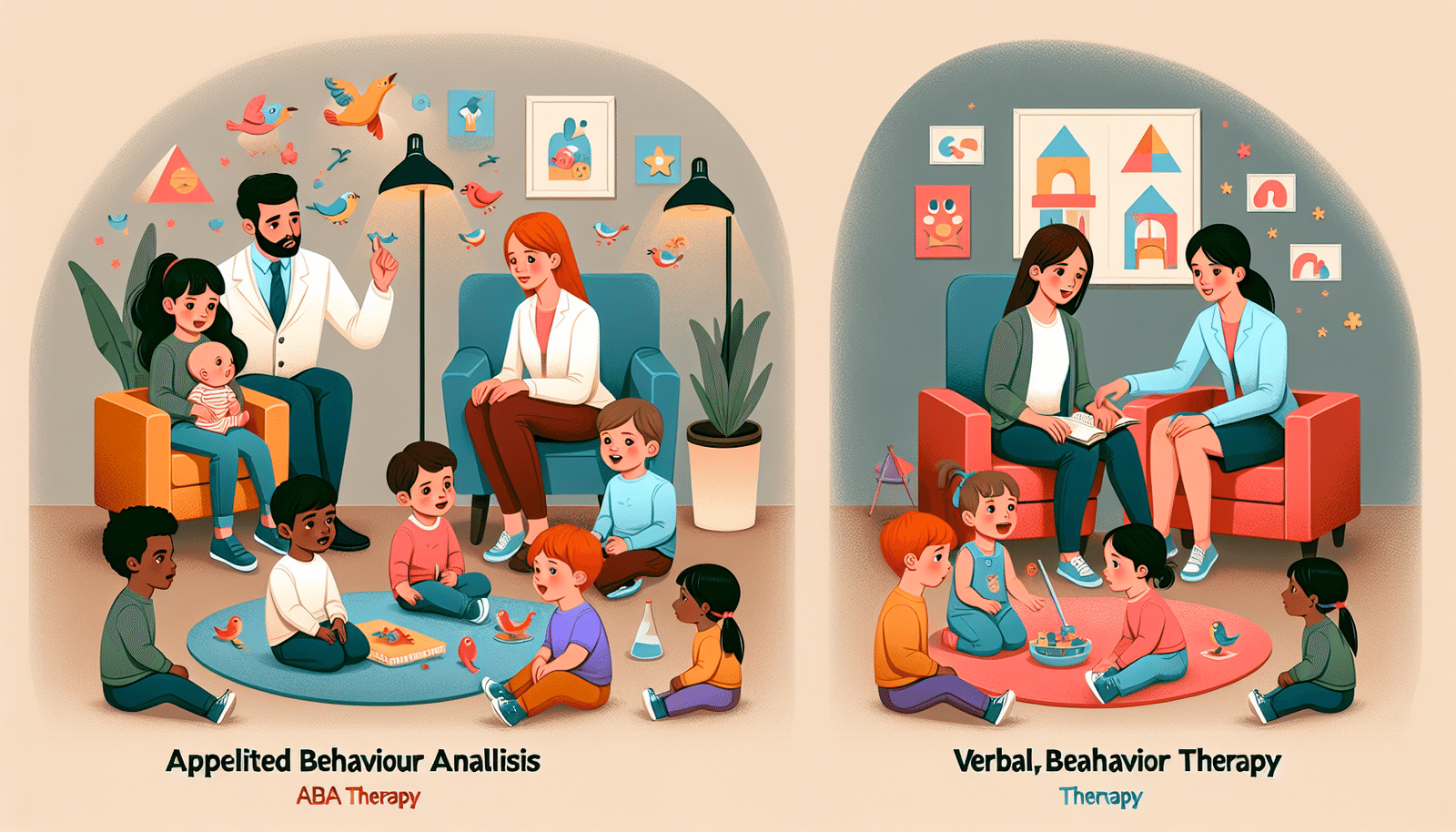
Understanding ABA Therapy
Applied Behavior Analysis (ABA) therapy is a structured approach aimed at improving specific behaviors in individuals, particularly those with Autism Spectrum Disorder (ASD). This therapy is rooted in the principles of behaviorism, primarily influenced by the work of psychologist B.F. Skinner.
Techniques in ABA Therapy
ABA therapy employs various techniques to foster behavior change. Some of the primary strategies include:
These techniques are essential in establishing a tailored approach that meets the individual needs of children with autism. For further details on specific applications, consider exploring ABA therapy for discrete trial training and functional behavior assessments.
ABA Therapy for Autism
ABA therapy has been utilized since the 1960s to support children with autism and related developmental disorders. The therapy is delivered by board-certified behavior analysts (BCBAs), who oversee the overall therapeutic process. Registered Behavior Technicians (RBTs) are also involved, working under the supervision of BCBAs.
The comprehensive nature of ABA therapy means it can address various behavioral challenges while also promoting skill development in areas such as social skills, communication, and self-management. By employing these techniques, ABA therapy strives to enhance the quality of life for individuals on the autism spectrum. To learn more about how ABA is implemented in social contexts, view our article on ABA therapy for social interaction skills.
Benefits of ABA Therapy
ABA therapy, or Applied Behavior Analysis, offers a variety of benefits for individuals, particularly those with autism spectrum disorders. Among its many strategies, positive reinforcement stands out as a critical element in promoting behavioral change. Furthermore, research continues to support the effectiveness of this therapy in various settings.
Positive Reinforcement in ABA
Positive reinforcement is a primary strategy used in ABA therapy. It encourages behavior change by rewarding individuals with something they value when they exhibit a desired behavior. This technique is pivotal in motivating individuals and promoting ongoing skill development. For example, a child may receive praise or a small reward for completing a task, thereby reinforcing the behavior and making it more likely to occur in the future [1].
Benefits of Positive Reinforcement
BenefitDescriptionIncreases Desired BehaviorsReinforcing positive behavior often leads to a higher occurrence of those behaviors over time.Builds Self-EsteemWhen individuals receive rewards or praise, it boosts their confidence and encourages them to engage further.Maintains EngagementPositive reinforcement keeps individuals motivated during therapy sessions, enhancing their learning experience.
Research Backing ABA
The effectiveness of ABA therapy is well-documented in the literature. Various studies have demonstrated its impact on improving social skills, communication, and adaptive behaviors, which are especially beneficial for individuals with autism. One key principle of ABA is "Generality," which emphasizes ensuring that skills learned in clinical settings are continued and generalized to other environments, including the home [2].
Research reveals the substantial positive outcomes associated with ABA therapy, including:
OutcomeDescriptionImprovement in Communication SkillsMany participants show enhanced language and communication abilities.Decreased Challenging BehaviorsA reduction in undesirable behaviors has been consistently observed in individuals receiving ABA therapy.Enhanced Social SkillsIndividuals demonstrate better social interactions and relationships as a result of skill-building efforts.
The strong foundation of data supporting ABA therapy underscores its importance as a therapeutic approach. For those interested in specific applications of ABA, such as ABA therapy for social interaction skills or ABA therapy for community skills, there are numerous resources available.
The benefits of ABA therapy extend beyond the immediate efforts within therapy sessions, as the skills learned often lead to long-term positive behavioral changes in various aspects of life. The integration of evidence-based strategies like positive reinforcement, supported by robust research findings, further solidifies ABA as a beneficial intervention for individuals seeking to improve their behavioral and social outcomes.
Role of BCBA in ABA Therapy
The role of a Board Certified Behavior Analyst (BCBA) is crucial in the implementation of ABA therapy. BCBAs are trained professionals who specialize in behavior analysis and work directly with children to address behavioral issues while promoting positive behavioral changes.
BCBA in ABA Programs
A BCBA is responsible for designing and overseeing ABA programs tailored to each learner's specific skills, needs, interests, preferences, and family situation [1]. This customized approach is vital for effective behavior modification and skill acquisition, ensuring that the therapy is relevant and impactful for the individual child. BCBAs also conduct assessments to develop intervention plans and monitor progress regularly, making adjustments as necessary to optimize outcomes.
The effectiveness of an ABA program heavily relies on the qualifications and experience of the supervising BCBA. Parents and caregivers are encouraged to select programs that adhere to ABA principles, provide ongoing staff training and supervision, and are led by certified professionals with specific expertise in autism treatment [2].
RoleKey ResponsibilitiesBCBADesign and oversee ABA programs; customize interventions; conduct assessments; monitor progress; ensure staff training and supervision.
RBTs in ABA Therapy
Registered Behavior Technicians (RBTs) play a significant role in the implementation of ABA therapy, working under the supervision of BCBAs. They are trained to deliver the interventions prescribed by the BCBA and assist in the direct application of behavior analysis techniques with children. RBTs provide ongoing support, documenting progress and responding to behavioral needs as they arise.
RBTs often engage with children during therapy sessions to reinforce positive behaviors and apply specific behavior strategies laid out in the treatment plan. The collaboration between the BCBA and RBT is essential for effective service delivery in ABA therapy. As a best practice, it is recommended that RBTs receive continuous training and supervision to ensure quality therapy for individuals receiving services.
For more targeted strategies, resources are available on ABA therapy for self-management skills and ABA therapy for behavioral interventions.
RoleKey ResponsibilitiesRBTImplement ABA interventions; document progress; provide direct support; work under BCBA supervision.
Together, the collaboration between BCBAs and RBTs forms a comprehensive support system for children undergoing ABA therapy, fostering a structured and tailored approach to meet their unique development needs.
Verbal Behavior Approach
Overview of Verbal Behavior Approach
The Verbal Behavior Approach is a specialized technique within the framework of Applied Behavior Analysis (ABA). It emphasizes the teaching of language and communication skills by focusing on the functions of language and different linguistic components. The approach is grounded in the theories of behaviorist B.F. Skinner, who posited that language is a form of behavior [3]. Verbal Behavior Therapy (VB) aims to connect words with their purposes, allowing individuals, particularly those with autism, to learn that they can use words to attain desired outcomes.
Key aspects of the Verbal Behavior Approach include the identification and teaching of different types of language, referred to as "verbal operants." These operants are crucial for facilitating effective communication. Additionally, a significant technique utilized in VB is errorless learning, which provides immediate prompts to encourage correct responses, gradually reducing these prompts as the individual progresses.
Comparison to ABA
While both the Verbal Behavior Approach and standard ABA share foundational principles, they differ primarily in focus and application. Traditional ABA encompasses a broader range of behaviors and interventions, targeting various skills beyond language, such as social interactions and functional skills. Conversely, the Verbal Behavior Approach centers specifically on language acquisition and communication.
Here’s a quick comparison of some key differences:
AspectABA TherapyVerbal Behavior ApproachFocusBroad behavior modificationEmphasis on language and communicationFoundational TheoryBehavioral principles (various theories)B.F. Skinner's behaviorist theoriesLanguage ApproachAddresses language as part of broader skillsFocused solely on language and communicationTechniques UsedVarious behavioral techniquesErrorless learning, teaching verbal operantsApplicationSocial skills, community skills, etc.Primarily communication skills
The choice between ABA and Verbal Behavior Therapy should be personalized based on the unique needs and strengths of the individual. Both approaches can be advantageous for helping individuals with autism achieve their communication and behavioral goals and can be effectively combined for optimal outcomes [4]. For additional information on ABA techniques, check out our articles on aba therapy for social interaction skills and aba therapy for behavioral interventions.
Implementing Verbal Behavior Therapy
Verbal Behavior Therapy (VB) is an essential method derived from Applied Behavior Analysis (ABA) that targets communication and language development. By utilizing the principles of ABA, VB emphasizes teaching individuals to recognize and use language effectively.
Teaching Language in VB
The core of Verbal Behavior therapy is to teach language through various operants connected to four primary word types: manding (requests), tacts (labels), listener responding, and echoics. This method focuses on helping individuals understand how language serves different functions, enabling them to use words to achieve desired outcomes. For instance, by teaching the meaning behind words, individuals can learn to communicate their needs more effectively.
A notable technique used in VB is errorless learning. This approach provides immediate and frequent prompts to ensure that the individual gives the correct response while minimizing errors. As their skills improve, the prompts are gradually reduced until the individual can respond independently [3].
Operant TypeDescriptionMandingMaking requests for items or actionsTactingNaming or labeling objects, actions, or eventsListener RespondingFollowing instructions or responding to questionsEchoicsRepeating what is said by another individual
Success with Verbal Behavior Therapy
Research shows that individuals with Autism Spectrum Disorder (ASD) who engage in Verbal Behavior therapy combined with ABA interventions experience significant improvements in communication skills. Studies indicate enhancements in manding, tacts, and listener responding [5].
The effectiveness of VB therapy lies in its structured approach, which leverages the principles of ABA therapy for tangible outcomes in communication development. By focusing on the practical use of language, VB therapy helps individuals connect words to their purposes, fostering greater independence and social interaction.
Integrating VB therapy into an individualized treatment plan can be highly beneficial. It encourages active participation and engagement in language acquisition, facilitating progress in various communication contexts. For those interested in broader applications of ABA, resources on ABA therapy for social interaction skills and ABA therapy and inclusion strategies are available to explore its diverse methodologies.
Individualized Therapy Approach
A personalized approach is crucial in maximizing the effectiveness of both ABA and Verbal Behavior Therapy. Each child possesses unique strengths and challenges, necessitating tailored strategies to support their development.
Tailoring ABA to Each Child
Tailoring ABA therapy to each child involves a comprehensive assessment of their individual needs, behaviors, and learning styles. This process begins with conducting functional behavior assessments to identify specific behaviors that require intervention and the contexts in which they occur.
Personalized programs may include a variety of techniques such as task analysis, differential reinforcement, and incidental teaching. The intervention can be adjusted based on ongoing observations, making it critical that therapists remain flexible and responsive to the child's progress.
Research shows that children with a prior history of receiving autism services, such as speech therapy and special education, are more likely to remain in ABA programs for longer durations. Such continuity suggests that individualized approaches not only help improve specific skills but also sustain engagement with therapy.
Progress Monitoring in Therapy
Effective progress monitoring is essential in individualized therapy. This entails regular assessments to evaluate each child's advancement towards set goals. Therapists often utilize tools like the Verbal Behavior Milestones Assessment and Placement Program (VBMAPP) and the Assessment of Basic Language and Learning Skills (ABLLS) to track verbal and developmental progress.
In one study, significant improvements were observed in verbal behaviors after implementing ABA treatments, with effect sizes ranging from moderate to high within various assessment scales. Children with the lowest adaptive levels at baseline showed notable gains, emphasizing the importance of closely monitoring progress and adjusting interventions accordingly [5].
Regular check-ins not only assess skill development but also foster communication between therapists and caregivers, allowing for a collaborative approach. Effective progress monitoring can help guide adjustments to treatment plans, ensuring they remain aligned with the child's evolving needs.
In summary, both the individualized tailoring of ABA therapy and rigorous progress monitoring are vital components that contribute to successful outcomes in therapy for children with Autism Spectrum Disorder and related challenges. Such approaches enhance the overall effectiveness and relevance of ABA and Verbal Behavior Therapy in supporting children’s growth. For further insights on specific methods used in ABA, check out our articles on ABA therapy for behavioral interventions and ABA therapy and functional behavior assessments.
References
[2]:
[3]:
[4]:
[5]:
[6]:
Get started today
Ready to talk about ABA therapy?
Apex ABA Therapy helps families in North Carolina, Maryland, and Georgia access in-home, school-based, and daycare ABA services.
Popular services
Serving families in