ABA Therapy in Strengthening Parent-Child Communication: How It Works and Why It Matters
Explore how ABA therapy strengthens parent-child communication with research-backed strategies and real clinical practice examples.

ABA Therapy in Strengthening Parent-Child Communication: How It Works and Why It Matters
ABA therapy in strengthening parent-child communication uses structured behavioral techniques to help children develop communication skills and to support parents in using effective interaction strategies.
Research shows that ABA’s systematic teaching improves verbal and nonverbal communication, increases social engagement, and helps families build stronger, more positive communication patterns together. When parents are actively involved, both child social skills and family relationships improve.
What Is ABA Therapy and Why It Matters for Communication
ABA therapy (Applied Behavior Analysis) is a science-based approach that examines how behavior works, how behavior is affected by the environment, and how learning takes place. It breaks skills into teachable components, uses positive reinforcement, and measures progress over time. Studies show that ABA improves social and communication abilities across a range of skill levels in children with autism.
When parents participate in ABA strategies, they can reinforce communication teaching outside of therapy sessions. Research indicates that preparing caregivers with ABA tools improves outcomes for the child and strengthens parent-child interactions overall.
How ABA Therapy Supports Parent-Child Communication
1. Teaching Functional Communication
ABA includes tailored interventions that focus on teaching communication skills — both verbal and non-verbal. Techniques such as prompting, modeling, and reinforcement help children express needs, emotions, and intentions more clearly.
For instance, in our sessions at Apex ABA, we’ve used verbal behavior approaches to support children in initiating greetings, requesting desired objects, and responding to parents’ questions. Over time, these skills reduce frustration and increase reciprocal interaction during everyday routines.
2. Parent Training for Everyday Interaction
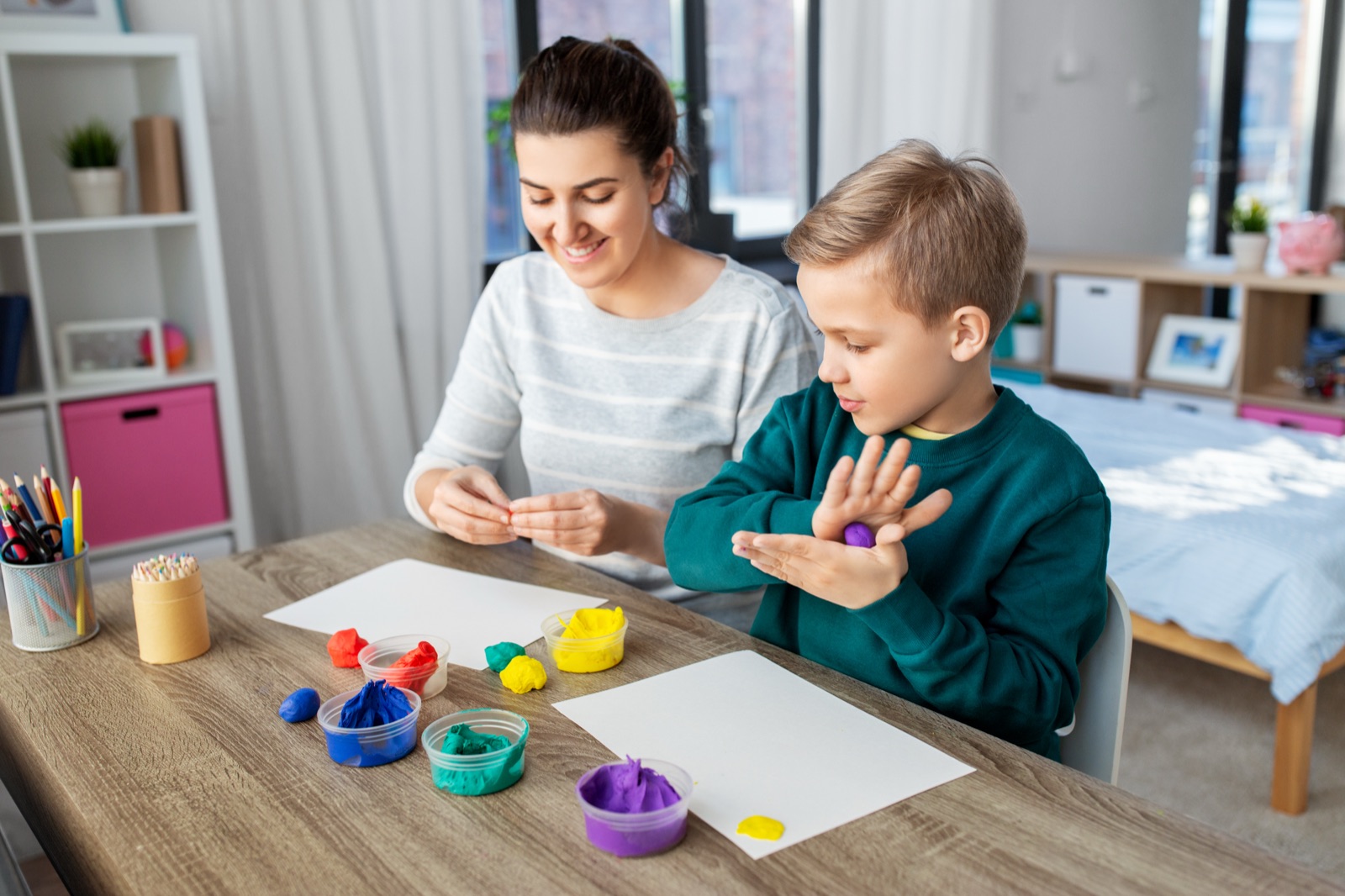
Parent training is a core component of ABA therapy. It equips caregivers with strategies to support communication goals during natural moments at home, such as meals, playtime, or transitions.
In practice, we’ve observed parents become more confident in responding to their child’s communication attempts. For example, when a child looks toward a toy and reaches, parents learn to model appropriate words or gestures. This leads to more turn-taking — a foundational communication skill.
3. Structured Reinforcement That Encourages Engagement
ABA therapy methods use positive reinforcement — rewarding communicative attempts with praise, attention, or preferred items. This encourages repeated use of communication skills. Studies show that consistent reinforcement builds not only skill but also positive emotional connection.
In our families’ sessions, simple reinforcement strategies have helped children shift from non-responsive behavior to active engagement — like eye contact during conversation or using simple words to ask for help.
4. Parent-Led ABA Models Reduce Barriers
Research on parent-led or caregiver-based ABA models — where trained parents help implement programs — shows significant improvements in adaptive and communication behaviors. These models help families carry therapy lessons into daily life, bridging the gap between clinical sessions and home interactions.
Research Evidence on ABA and Parent-Child Interaction
Studies support ABA therapy’s role in enhancing communication and social skills:
- A behavior analytic program significantly improved social and communicative skills in children with ASD in controlled research settings, confirming ABA’s positive impact on emotional-social development.
- Parent training integrated with ABA increases skilled responses and consistency in reinforcement, leading to higher progress rates in communication goals.
- ABA techniques that involve parents can strengthen adaptive behaviors and reduce interfering behaviors, showing how caregiver involvement supports better interaction outcomes.
Case Examples from Practice — What We’ve Seen at Apex ABA
Example 1: Early Request Communication
A 4-year-old child initially used limited vocalization and often became frustrated during play. At first, communication attempts were few and inconsistent. In our sessions, we introduced ABA techniques such as prompting and positive reinforcement paired with parent coaching.
Over several months, the child began using simple words like “please” and “more,” especially when parents consistently followed ABA guidance at home. This shift strengthened both the child’s communication and the parent’s understanding of reinforcement patterns.
Example 2: Play-Based Communication
A school-age child resisted structured tasks but showed interest in toy trains. We used this interest as a communication motivator — designing activities where the child had to communicate needs to receive train cars.
Parents learned to ask open-ended questions and reinforce communication attempts. Soon, the child began initiating comments like “want train” and took turns responding to parents — improving back-and-forth conversation skills during playtime.
Practical Strategies to Support Parent-Child Communication With ABA
Use Everyday Moments
Parents can embed communication teaching into routines like snack time or chores. Encouraging children to ask for items or help strengthens functional communication.
Reinforce All Attempts
Even partial attempts deserve attention. Reinforcement for effort increases the child’s confidence and willingness to communicate more.
Model Clear, Simple Language
Parents can match their child’s level of communication (words, gestures, pictures) and gradually expand complexity as skills develop.
Track Progress Together
Recording small gains — like new words used or increased eye contact — helps families see progress and adjust strategies as needed.
These practices align with established ABA methods and research evidence demonstrating the value of reinforcement and structured teaching for communication skills.
Conclusion — Strengthen Communication Together
ABA therapy in strengthening parent-child communication is rooted in science and validated through research and clinical practice. By teaching functional communication, coaching parents on effective interaction strategies, and using positive reinforcement, ABA supports not only skill development in children but also deeper connection and understanding within families.
At Apex ABA, we help families integrate communication goals into everyday life. We work closely with parents to apply ABA strategies consistently and meaningfully — at home, in therapy sessions, and in community interactions.
Ready to enhance communication with your child?
Contact Apex ABA to schedule a comprehensive assessment and start a tailored plan focused on strengthening your parent-child communication and building lasting interaction skills.
Frequently Asked Questions
Can ABA therapy really improve parent-child communication?
Yes. Research shows that ABA therapy enhances communication skills in children with autism and supports parents in applying strategies that improve everyday interactions.
How does parent involvement make a difference?
Active parent involvement in ABA reinforces skills outside of clinical sessions, increases consistency, and helps generalize communication gains to home routines.
Will ABA help both verbal and non-verbal communication?
Yes. ABA techniques address both verbal communication and alternative forms like gestures, picture exchange, and assistive devices to match each child’s needs.
What kind of communication changes can families expect?
Families often see improvements like increased requests, better social responses, clearer expressions of needs, and more reciprocal interaction over time.
What role do parents have during ABA therapy?
Parents learn strategies to prompt communication, reinforce positive behaviors, and embed teaching in daily routines, strengthening communication beyond therapy sessions.
More posts you’ll enjoy

ABA Therapy in Strengthening Parent-Child Communication: How It Works and Why It Matters
Explore how ABA therapy strengthens parent-child communication with research-backed strategies and real clinical practice examples.

Breaking Down Autism in Minority Communities — Access, Diagnosis, and Outcomes
Explore autism in minority communities — disparities in diagnosis, access to services, and how tailored support can improve outcomes for families.

Understanding Autism vs BPD: Symptoms, Onset, and Overlap
Understand differences, overlaps, diagnosis, and clinical features of Autism and BPD.