Accommodations For Students With Autism
In order to create a supportive learning environment for students with autism, accommodations need to be made to help them succeed. In this article, we'll discuss some of the accommodations that can be made for students with autism.
.jpeg)
Understanding Autism and Inclusion
In order to create inclusive environments for students with autism, it is important to have a clear understanding of what autism is and why inclusion is crucial for their development and well-being.
What is Autism?
Autism, also known as Autism Spectrum Disorder (ASD), is a neurodevelopmental disorder that affects how individuals perceive and interact with the world around them. It is characterized by challenges in social communication, repetitive behaviors, and a range of strengths and differences in cognitive abilities.
Autism is a spectrum disorder, which means that it manifests differently in each individual. Some individuals with autism may have exceptional abilities in areas such as music, art, or mathematics, while others may face significant challenges in communication and social interaction.
Importance of Inclusion for Students with Autism
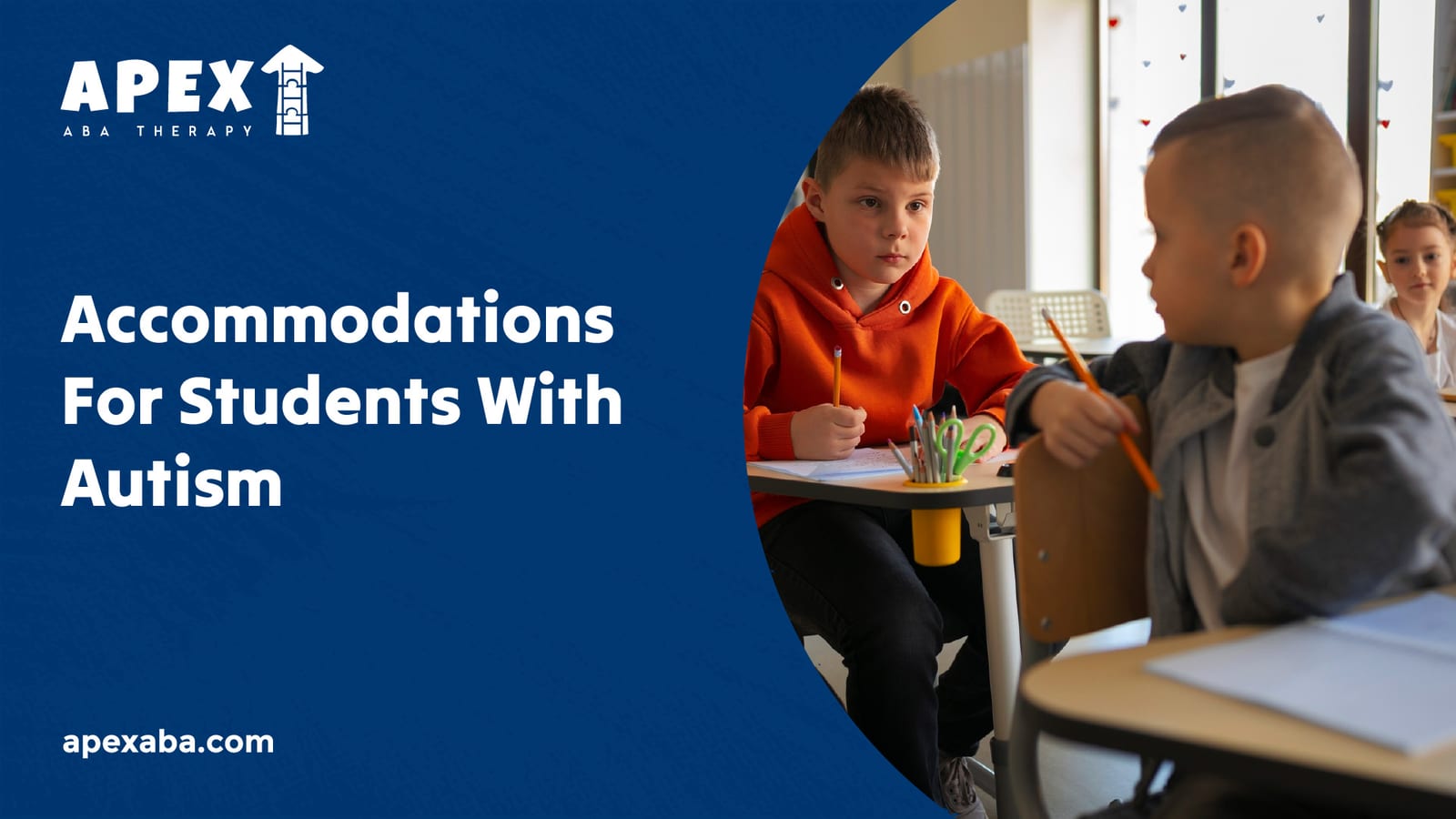
Inclusion refers to the practice of providing students with disabilities, including those with autism, the opportunity to participate fully in educational and social activities alongside their peers without disabilities. It is based on the belief that all students, regardless of their abilities, have the right to access quality education and be included in all aspects of school life.
For students with autism, inclusion is of paramount importance. It promotes their academic, social, and emotional growth by providing opportunities for meaningful interactions with their peers.
By being included in general education classrooms, students with autism have the chance to develop important social skills, foster friendships, and gain a sense of belonging within the school community. Inclusive environments also allow students with autism to benefit from the academic curriculum and receive appropriate support tailored to their individual needs.
Creating inclusive environments for students with autism requires the implementation of various accommodations and strategies. These accommodations include the use of individualized education plans (IEPs), sensory-friendly environments, visual supports and communication tools, and more.
By embracing inclusion and providing the necessary accommodations, schools can ensure that students with autism receive the support they need to thrive academically, socially, and emotionally. It is through inclusion that we can build bridges and foster a society that celebrates the unique strengths and contributions of all individuals, including those with autism.
Accommodations for Students with Autism
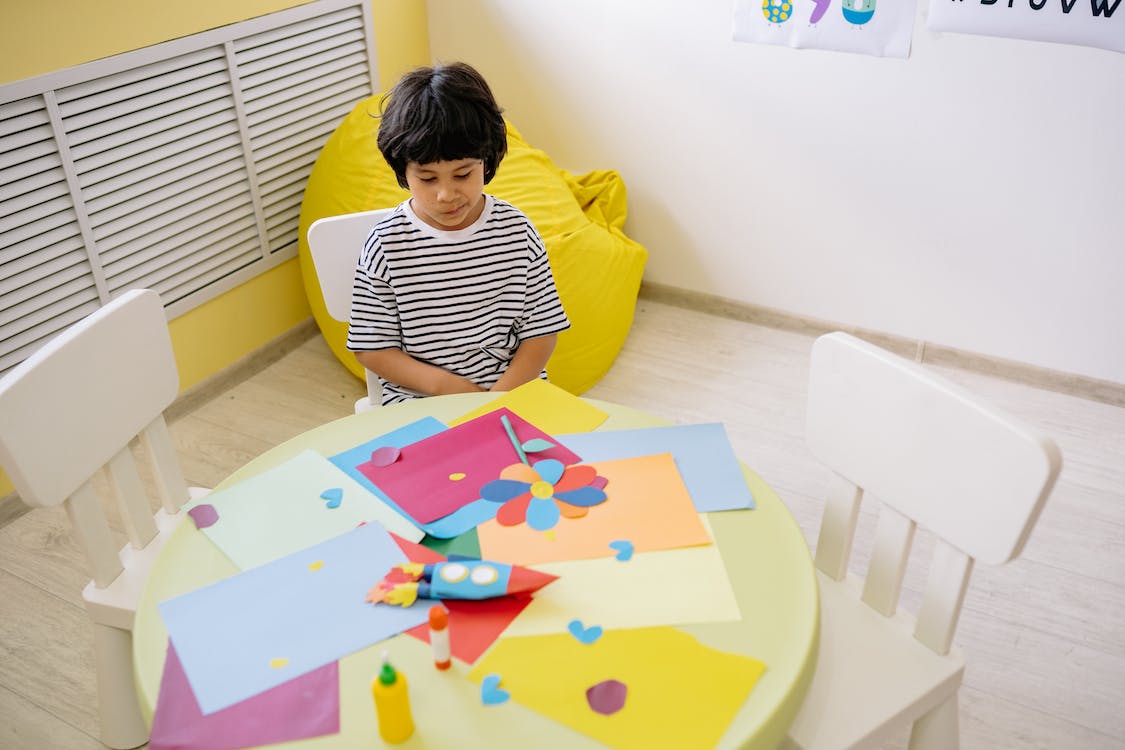
To create an inclusive learning environment for students with autism, it is essential to provide appropriate accommodations that address their unique needs. In this section, we will explore three key accommodations that can greatly support students with autism: Individualized Education Plans (IEPs), sensory-friendly environments, and visual supports and communication tools.
Individualized Education Plans (IEPs)
Individualized Education Plans (IEPs) play a crucial role in meeting the specific educational needs of students with autism. An IEP is a personalized document that outlines the student's goals, accommodations, and services required to support their learning. It is developed collaboratively by a team that includes parents, teachers, special education professionals, and relevant specialists.
IEPs provide a framework for tailoring instruction and support to meet the unique needs of each student. They may include accommodations such as modified assignments, extended time for assessments, or the use of assistive technology. By individualizing the educational experience, IEPs help students with autism thrive in the academic setting.
Sensory-Friendly Environments
Creating sensory-friendly environments is crucial for students with autism, as they may have heightened sensory sensitivities. Sensory-friendly classrooms aim to reduce sensory overload and create a calm learning space. This can be achieved by considering factors such as lighting, noise levels, and classroom layout.
In a sensory-friendly environment, lighting is often adjusted to minimize glare and harsh fluorescent lights. Noise levels are managed by using soft background music or providing noise-canceling headphones. Additionally, the classroom layout is structured to minimize distractions and create clear boundaries.
By creating a sensory-friendly environment, students with autism can better focus on their learning and feel more comfortable in the classroom.
Visual Supports and Communication Tools
Visual supports and communication tools are valuable resources for students with autism to enhance understanding and promote effective communication. These tools can include visual schedules, social stories, and visual cues.
Visual schedules provide a visual representation of daily routines and activities, helping students with autism anticipate and understand what comes next. Social stories are visual narratives that explain social situations, relationships, or behavioral expectations in a clear and structured manner. Visual cues, such as pictorial symbols or gestures, can assist in communication and comprehension.
By incorporating visual supports and communication tools, educators can facilitate effective communication, reduce anxiety, and support independence for students with autism.
By implementing individualized education plans, creating sensory-friendly environments, and utilizing visual supports and communication tools, educators can foster an inclusive and supportive learning environment for students with autism. These accommodations empower students with the necessary tools and resources to succeed academically and promote their overall well-being.
Social and Emotional Supports
In addition to academic accommodations, providing social and emotional supports is crucial for fostering inclusion and supporting the well-being of students with autism. These supports help students develop essential social skills, build connections with peers, and regulate their emotions effectively. Here are some strategies that can be implemented:
Social Skills Training
Social skills training is a structured approach that helps students with autism develop appropriate social behaviors and interactions. It focuses on teaching skills such as initiating conversations, making eye contact, taking turns, and understanding nonverbal cues.
Social skills training can be facilitated through individual or group sessions, where students engage in role-playing activities and receive feedback and reinforcement. By enhancing their social skills, students with autism can feel more confident and engage more effectively with their peers.
Peer Buddies and Mentors
Pairing students with autism with peer buddies and mentors can foster social connections and provide additional support. Peer buddies are typically students without disabilities who are trained to engage and assist their peers with autism in various social and academic settings.
They can help students with autism navigate social situations, engage in cooperative activities, and develop friendships. Peer mentors, on the other hand, are older students or volunteers who provide guidance and support to students with autism. The presence of peer buddies and mentors can create a more inclusive environment and promote positive social interactions.
Emotional Regulation Strategies
Students with autism may experience challenges in managing their emotions and self-regulation. Providing emotional regulation strategies can help them navigate these difficulties. These strategies may include teaching students relaxation techniques, such as deep breathing exercises or mindfulness practices, to help them calm themselves during moments of stress or anxiety.
Visual supports, like emotion charts or visual schedules, can also assist students in recognizing and expressing their emotions effectively. By equipping students with these tools, they can better regulate their emotions and cope with the demands of the classroom environment.
By implementing social and emotional supports, educators can create a supportive and inclusive environment for students with autism. These accommodations, alongside other accommodations such as visual supports and communication tools, can help students with autism thrive academically and socially.
It's important to collaborate with parents, specialists, and other educators to ensure these accommodations are tailored to the individual needs of each student. Together, we can celebrate the unique strengths and abilities of students with autism while fostering a sense of belonging and acceptance in the school community.
Academic Accommodations
Students with autism often benefit from academic accommodations that cater to their unique needs and help them thrive in the classroom.
By implementing these accommodations, educators can create an inclusive learning environment that supports the academic success of students with autism. In this section, we will explore three key academic accommodations: modified assignments and assessments, structured and predictable routines, and assistive technology and tools.
Modified Assignments and Assessments
To ensure that students with autism can fully participate and demonstrate their knowledge, it is important to provide them with modified assignments and assessments. These modifications may include simplifying instructions, breaking down tasks into smaller steps, or adjusting the format of assignments and assessments. By individualizing the learning experience, students with autism can better engage with the material and showcase their abilities.
When modifying assignments and assessments, it is crucial to consider the specific strengths and challenges of each student. This may involve providing additional visual supports, using alternative methods of communication, or adjusting expectations to accommodate learning differences. Collaborating with the student's support team, including parents and specialists, can help identify the most appropriate modifications for each student.
Structured and Predictable Routines
Establishing structured and predictable routines is essential for students with autism. These routines provide a sense of stability and help students navigate the school day more effectively. By creating consistent schedules and clearly communicating expectations, educators can support students with autism in understanding what to expect and reduce anxiety.
Incorporating visual schedules and timers can be especially beneficial for students with autism. Visual schedules help students understand the sequence of activities throughout the day, while timers provide a visual representation of time passing. These tools promote independence and help students transition between tasks more smoothly.
Assistive Technology and Tools
Assistive technology and tools can greatly enhance the learning experience for students with autism. These tools can range from simple aids, such as visual timers and communication boards, to more advanced technologies, like speech-to-text software or apps designed for academic support. By leveraging assistive technology, students with autism can overcome challenges and actively participate in classroom activities.
To determine the most appropriate assistive technology and tools for each student, it is important to consider their individual needs and preferences. Collaborating with specialists, such as speech therapists or occupational therapists, can provide valuable insights and recommendations. Additionally, regular training and support for both educators and students in using assistive technology are essential for maximizing its benefits.
By implementing these academic accommodations, educators can create an inclusive learning environment where students with autism can develop their full potential. It is important to remember that accommodations should be tailored to the individual needs of each student.
Collaboration and Training
In order to provide effective accommodations for students with autism and foster inclusion, collaboration and training are essential for all stakeholders involved. This includes collaboration between teachers, parents, and specialists, professional development and training for educators, and creating a supportive school culture.
Collaboration between Teachers, Parents, and Specialists
Collaboration between teachers, parents, and specialists plays a crucial role in supporting students with autism. By working together, they can share valuable insights, strategies, and resources to create a comprehensive plan that meets the unique needs of each student. This collaboration ensures that everyone is on the same page and working towards common goals.
Teachers can provide valuable information about the student's strengths, challenges, and learning styles, while parents can offer insights into their child's preferences, interests, and home routines.
Specialists, such as speech therapists, occupational therapists, and behavior analysts, can provide expertise in specific areas and help develop tailored interventions. Regular communication and collaboration between all parties involved helps to create a cohesive and supportive team.
Professional Development and Training for Educators
Professional development and training are essential for educators to build their knowledge and skills in supporting students with autism. This training should cover topics such as understanding autism, effective instructional strategies, behavior management techniques, and creating inclusive classrooms. By staying up to date with the latest research and best practices, educators can provide high-quality instruction and support to students with autism.
Training programs can be provided by autism specialists, educational consultants, or organizations specializing in autism education. These programs should be ongoing and include opportunities for educators to apply what they have learned in their classrooms. By investing in professional development, schools can ensure that educators have the necessary tools and strategies to meet the individual needs of students with autism.
Creating a Supportive School Culture
Creating a supportive school culture is vital for promoting inclusion and acceptance of students with autism. This involves fostering an environment where all students are valued, respected, and understood. Schools can achieve this by promoting empathy and understanding among students, teachers, and staff.
Some strategies for creating a supportive school culture include implementing anti-bullying programs, organizing awareness campaigns about autism, and providing training on disability awareness for students and staff.
It is essential to educate peers about autism and provide opportunities for meaningful interactions between students with and without autism. By celebrating differences and embracing neurodiversity, schools can create an environment where all students feel welcomed and included.
By prioritizing collaboration and training, schools can ensure that accommodations for students with autism are implemented effectively. This collaborative approach, along with ongoing professional development and a supportive school culture, allows schools to create inclusive and empowering learning environments for all students.
Promoting Inclusion and Acceptance
Creating a truly inclusive environment for students with autism goes beyond providing accommodations; it requires promoting acceptance and understanding among their peers. By educating peers about autism, celebrating differences and neurodiversity, and fostering a welcoming and inclusive school environment, we can build bridges of understanding and support for students with autism.
Educating Peers about Autism
One of the most effective ways to promote inclusion is by educating peers about autism. By providing information and raising awareness, we can help dispel misconceptions and foster empathy and understanding.
Teachers, with the support of professionals and resources, can incorporate lessons and activities that teach students about autism, its characteristics, and the unique strengths and challenges of individuals on the spectrum. This education helps break down barriers and encourages acceptance and support.
Celebrating Differences and Neurodiversity
In an inclusive school environment, it is important to celebrate and embrace the diversity of all students, including those with autism. Encouraging a culture of acceptance and celebrating differences helps create an environment where everyone feels valued and respected.
Schools can organize events that highlight neurodiversity, such as Autism Awareness Month, where students can learn about the strengths and talents of individuals with autism. By fostering a positive and inclusive mindset, we can create a sense of belonging for all students.
Fostering a Welcoming and Inclusive School Environment
To promote inclusion, it is essential to create a school environment that welcomes and supports students with autism. This can be achieved by implementing strategies such as:
- Peer support programs: Establishing peer buddy systems or mentorship programs where students without autism can support and befriend their peers on the spectrum. This promotes social connections and provides a sense of belonging.
- Inclusive activities: Encouraging inclusive activities during recess, lunch breaks, and extracurricular activities can help students with autism engage with their peers and develop meaningful relationships.
- Physical environment: Creating sensory-friendly spaces within the school can provide a comfortable and calming environment for students with autism. This may include quiet areas, sensory rooms, or designated zones that cater to different sensory needs.
By fostering a welcoming and inclusive school environment, we can create a sense of community where all students feel valued and supported.
Promoting inclusion and acceptance requires the collaborative efforts of educators, parents, and the larger school community. By educating peers about autism, celebrating differences and neurodiversity, and fostering a welcoming and inclusive school environment, we can build a supportive network that empowers students with autism to thrive. Together, we can create a world where every student feels accepted, understood, and valued for who they are.
Conclusion
Accommodating students with autism in the classroom is essential to help them succeed. By creating a sensory-friendly environment, using visual supports, offering positive reinforcement, and supporting communication, students with autism can thrive in the classroom. As educators, it's our responsibility to ensure that all students have the support they need to succeed.
Sources
Get started today
Ready to talk about ABA therapy?
Apex ABA Therapy helps families in North Carolina, Maryland, and Georgia access in-home, school-based, and daycare ABA services.

.jpeg)