

Autism Therapy Adaptations
Discover effective autism therapy adaptations that empower growth and support emotional well-being for children with autism.

Behavioral Therapies for Autism
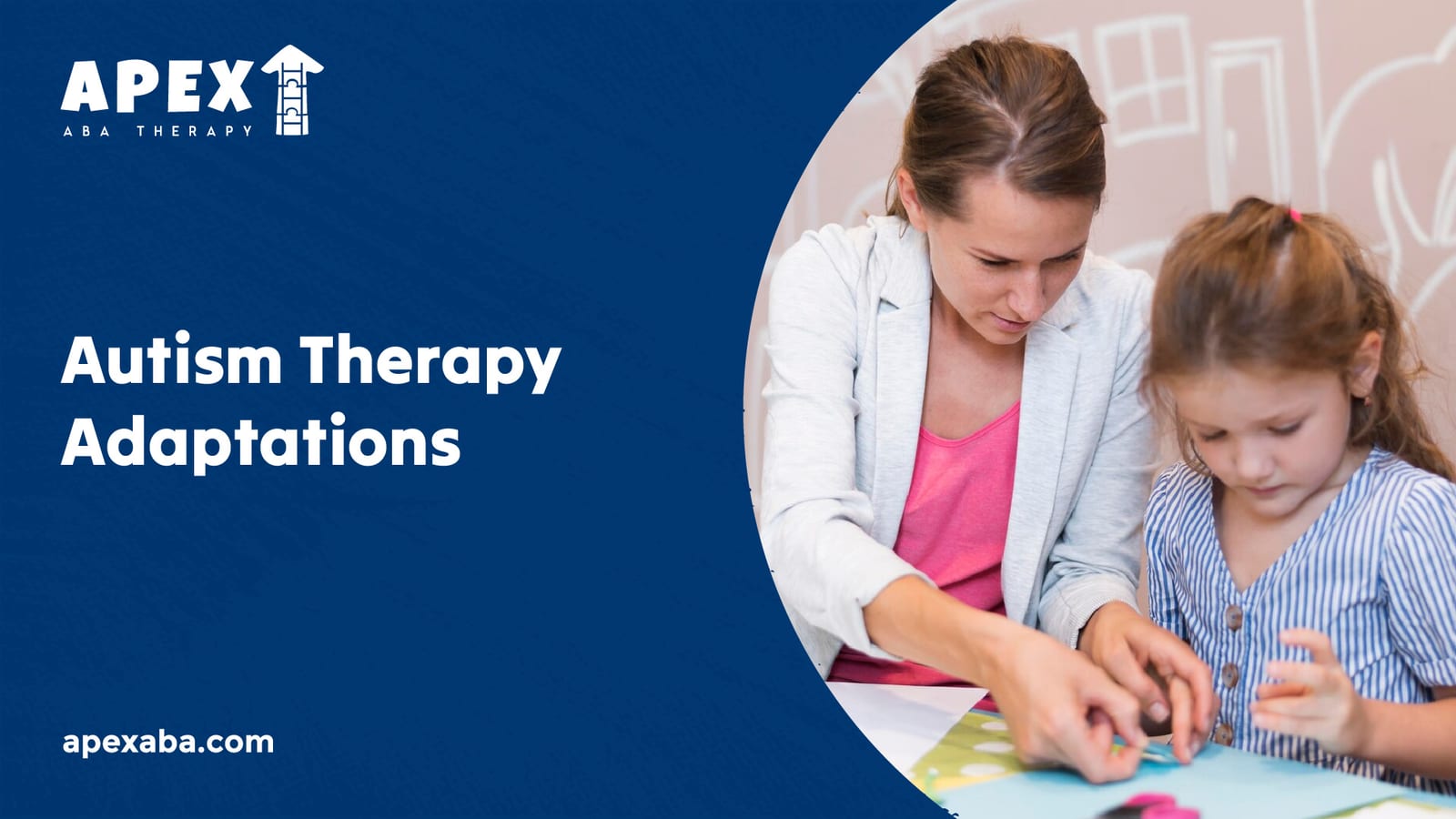
When it comes to addressing the unique needs of individuals with Autism Spectrum Disorder (ASD), behavioral therapies play a crucial role in promoting growth and development. Early interventions and behavioral therapies, particularly during preschool or earlier, can have significant positive effects on symptoms and later skills for individuals with ASD. One of the most effective approaches for children with ASD is Applied Behavior Analysis (ABA) therapy.
Importance of Early Interventions
Early interventions are essential in supporting children with ASD. Research has shown that early behavioral interventions can lead to significant improvements in intellectual functioning, language development, acquisition of daily living skills, and social functioning for children with ASD. By providing targeted interventions at a young age, children have a better chance of reaching their full potential and improving their overall quality of life.
Applied Behavior Analysis (ABA) Therapy
Applied Behavior Analysis (ABA) therapy is widely recognized as one of the most effective therapeutic approaches for individuals with ASD. ABA therapy focuses on understanding and modifying behavior through the application of scientific principles and techniques. It addresses a broad range of skills, from communication and socialization to reducing challenging behaviors.
ABA therapy is highly individualized, as it tailors interventions to meet the specific needs of each individual. It involves conducting comprehensive assessments, such as the behavioral assessment, to identify target behaviors and develop appropriate intervention strategies. These strategies may include reinforcement methods, discrete trial training, token economies, and verbal behavioral therapy, among others.
The therapy sessions are structured and goal-oriented, aiming to increase desired behaviors and decrease challenging behaviors. ABA therapists work closely with individuals with ASD, providing guidance, instruction, and reinforcement to promote skill development and independence. They also collaborate with families and other professionals to ensure a comprehensive and consistent approach to therapy.
It's important to note that ABA therapy is a long-term commitment, typically requiring intensive and ongoing interventions. The duration and intensity of therapy depend on the individual's needs and can vary. Many factors, such as the severity of ASD symptoms and the individual's response to therapy, influence the therapy's duration and outcomes.
Insurance coverage for ABA therapy varies, and it's essential for families to explore their options and understand their benefits [2]. Additionally, seeking qualified and experienced autism therapists (autism therapist qualifications) is crucial to ensure the effectiveness and safety of the therapy.
In summary, early interventions and ABA therapy have proven to be highly effective in supporting the growth and development of individuals with ASD. By providing personalized interventions and addressing a wide range of skills, ABA therapy empowers individuals with ASD to reach their full potential and improve their overall quality of life.
Occupational Therapy for Autism
Occupational therapy is a vital component of comprehensive autism therapy, as it addresses various areas of difficulty that individuals with autism may experience. The primary focus of occupational therapy for autism is to enhance independence and overall quality of life by targeting sensory processing and daily living skills.
Addressing Sensory Processing
Many individuals with autism struggle with sensory processing disorder, which affects their ability to effectively interpret and respond to sensory input. Occupational therapists work closely with individuals to help them develop strategies and coping mechanisms to manage sensory overload or sensitivity. Through sensory integration techniques, individuals learn to regulate their responses to sensory stimuli, improving their overall sensory processing abilities.
Occupational therapists may use a variety of activities and interventions to address sensory processing difficulties. These may include sensory diets, which involve incorporating activities and exercises that provide the right amount and type of sensory input to help individuals regulate their sensory responses. Therapy may also involve the use of sensory tools and equipment, such as weighted blankets, sensory swings, or tactile toys, to promote sensory exploration and regulation.
Enhancing Daily Living Skills
Another crucial aspect of occupational therapy for autism is the enhancement of daily living skills. Occupational therapists work with individuals to develop and improve skills necessary for independent living and meaningful participation in daily activities. These skills include self-care tasks, such as dressing, grooming, and feeding, as well as household chores, time management, and organization.
Occupational therapists employ various strategies and interventions to target daily living skills. These may include task analysis, breaking down complex tasks into smaller, manageable steps to facilitate learning and independence. Visual supports, such as schedules, checklists, and visual cues, are often used to provide structure and support during daily activities. By incorporating these strategies, occupational therapists empower individuals with autism to develop the skills needed to navigate their daily routines with greater independence and confidence.
Occupational therapy for autism is a dynamic and individualized approach that aims to address the unique needs and challenges of each individual. By targeting sensory processing and daily living skills, occupational therapists play a vital role in promoting independence, improving overall functioning, and enhancing the overall quality of life for individuals with autism.
Therapeutic Approaches for Autism
When it comes to addressing the unique needs of individuals with autism, several therapeutic approaches have shown great promise. Applied Behavior Analysis (ABA) therapy, Cognitive Behavioral Therapy (CBT), and Occupational Therapy are key therapeutic approaches that have proven effective in helping individuals with Autism Spectrum Disorder (ASD) develop essential skills and improve their overall quality of life [1].
ABA, CBT, and Occupational Therapy
These therapeutic approaches work synergistically to address different aspects of autism. ABA therapy provides structured behavioral interventions, CBT focuses on emotional well-being, and occupational therapy addresses sensory processing and daily living skills. By tailoring therapies to individual needs, individuals with autism can receive comprehensive support and achieve meaningful progress in various areas of their lives.
To ensure the effectiveness of these therapeutic approaches, it is crucial to involve the family in the treatment process. Empowering and supporting families through education and counseling can greatly enhance the outcomes of therapy and promote a supportive environment at home. Additionally, ongoing progress tracking is essential to monitor the effectiveness of interventions and make necessary adaptations to the treatment plan.
By utilizing a combination of ABA therapy, CBT, and occupational therapy, tailored to meet the individual needs of individuals with autism, therapists and families can empower growth and foster positive developmental outcomes.
Emotional Well-being in Autism
When addressing the well-being of individuals with autism, it is important to recognize the prevalence of mood and anxiety disorders in this population. Studies have reported that 53% of autistic individuals experience a mood disorder, and over 50% experience an anxiety disorder at some point in their lives. These co-occurring emotional challenges highlight the need for effective psychological interventions tailored to the unique needs of autistic individuals.
Prevalence of Mood and Anxiety Disorders
The higher rates of mood and anxiety disorders among autistic individuals necessitate interventions that take into account the specific challenges they may face. Psychological interventions informed by cognitive-behavioral theory have shown efficacy in treating mild to moderate anxiety and depression. However, it is important to adapt these therapies to ensure their effectiveness for autistic children and adults.
Psychological Interventions
Cognitive-behavioral therapy (CBT) and other evidence-based talking therapies can be valuable tools in addressing anxiety and low mood in autistic individuals. These therapies aim to help individuals identify and challenge negative thoughts, develop coping strategies, and build resilience. However, it is essential to adapt these interventions to meet the specific needs of autistic individuals.
To enhance engagement and confidence in therapy, it is crucial to understand each autistic person as an individual, validating their preferences, needs, thoughts, and experiences. This person-centered approach ensures that therapy is tailored to their unique strengths and challenges. By incorporating their special interests and utilizing visual supports or social stories, therapists can create a supportive and inclusive environment that promotes effective communication and engagement.
In addition to traditional therapy approaches, other strategies such as mindfulness techniques, social skills training, and relaxation exercises can also be beneficial in promoting emotional well-being in autistic individuals. These interventions can help individuals manage stress, regulate emotions, and develop effective coping mechanisms.
By recognizing and addressing the emotional well-being of individuals with autism, therapists can support their overall development and quality of life. Collaboration between therapists, families, and other professionals involved in the individual's care is essential to ensure a comprehensive and holistic approach to therapy.
Family Involvement in Therapy
When it comes to autism therapy, family involvement plays a crucial role in empowering individuals with autism and creating a supportive environment for growth and understanding. Family-focused therapy strategies are designed to strengthen family bonds and equip both individuals with autism and their family members with the necessary skills and tools to navigate challenges and embrace strengths. This collaborative approach fosters empathy, improves communication within the household, and ultimately enhances the effectiveness of therapy sessions.
Empowering and Supporting Families
Empowering and supporting families is a fundamental aspect of autism therapy. By educating family members about autism, therapy aims to foster empathy and understanding. This education helps family members gain insight into the unique strengths and differences of individuals with autism, enabling them to provide the necessary support and create an inclusive environment. Understanding the challenges faced by individuals with autism and their families allows for the implementation of strategies that cater to individual needs and promote positive outcomes.
Clear communication is another essential component of family-involved autism therapy. Establishing clear communication goals within therapy sessions ensures purposeful outcomes tailored to meet the individual's specific needs. Effective communication strategies not only facilitate progress in therapy but also enhance daily interactions and understanding within the family. By working together as a team, families can actively participate in the therapy process and contribute to the overall growth and development of the individual with autism.
Benefits of Family Counseling
Family counseling is a valuable resource for families with children who have autism spectrum disorder (ASD). It offers a safe space for families to address unique challenges and provides support in coping with the stress associated with raising a child with autism. Through family counseling, parents can learn effective strategies to recognize triggers, manage their own needs, and reduce stress levels. This, in turn, enhances their ability to support their child's therapy and overall well-being.
In addition to supporting parents, family counseling also strengthens marital bonds. Effective communication is a key focus of family counseling, enabling parents to learn different methods of enhancing relationships and fostering open dialogue. By improving communication and understanding within the family unit, family counseling helps create a harmonious and supportive environment for individuals with autism to thrive [5].
Through family involvement in therapy, individuals with autism receive support not only during therapy sessions but also in their day-to-day lives. The collaborative efforts of therapists and families empower individuals with autism to reach their full potential and navigate the challenges they may encounter. By fostering empathy, understanding, and effective communication, family involvement in therapy creates a strong foundation for growth and development.
Progress Tracking in Autism Therapy
Tracking the progress of individuals with autism is a fundamental aspect of effective therapy. By consistently monitoring and evaluating their developmental advancements, therapists and caregivers can gather objective data to assess the effectiveness of interventions and tailor treatment plans to individual needs. Progress tracking enhances the overall success and outcomes of autism therapy.
Importance of Monitoring Progress
Progress tracking in autism therapy plays a crucial role in several ways. Firstly, it allows therapists to assess the effectiveness of specific strategies and interventions. By systematically collecting data on the progress of individuals with autism, therapists can identify what is working well and make necessary adjustments to enhance the effectiveness of therapy. This data-driven approach ensures that interventions are tailored to the unique needs of each individual.
Secondly, progress tracking enables the development of individualized treatment plans. By collecting objective data on the progress of individuals with autism, therapists can identify their strengths and areas that require improvement. This information guides the development of personalized goals and treatment plans that address the specific needs of each individual, promoting targeted growth and development [6].
Methods for Tracking Development
Several methods are employed to track progress effectively in autism therapy. These methods provide valuable information about the progress made in different areas of development, such as communication, social skills, and adaptive behavior. Here are some common methods used for progress tracking:
By employing these methods, therapists can gather valuable data to evaluate the effectiveness of interventions, measure developmental advancements, and make informed decisions about the direction of therapy. Progress tracking serves as a vital tool in ensuring that individuals with autism receive the most effective and tailored treatment plans to support their growth and development.
To learn more about the best practices in autism therapy and the various therapeutic approaches, refer to our previous sections on ABA, CBT, and Occupational Therapy and Occupational Therapy for Autism.
References
[2]:
[3]:
[4]:
[5]:
[6]:
Get started today
Ready to talk about ABA therapy?
Apex ABA Therapy helps families in North Carolina, Maryland, and Georgia access in-home, school-based, and daycare ABA services.
Popular services
Serving families in