


The Autistic Stare: What It Is, Why It Happens, and What It Means
Learn what the autistic stare is, why it happens, and how sensory and eye-gaze patterns differ in autism. Evidence-based explanation and support.
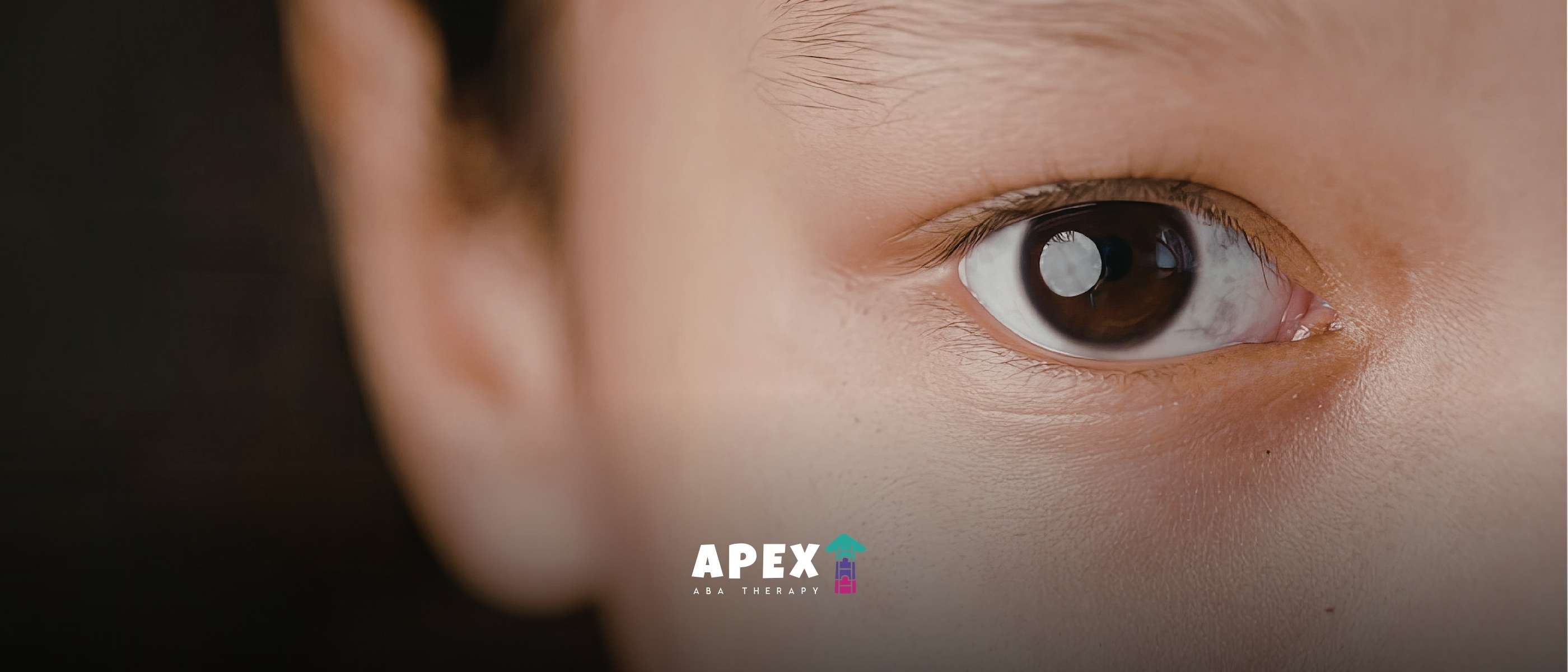
The Autistic Stare: What It Is, Why It Happens, and What It Means

- The autistic stare is a pattern of gaze that differs from typical social eye contact, seen in many autistic individuals.
- It may include intense focus or brief eye contact, depending on the person.
- The behavior is linked to sensory processing and cognitive differences, not disrespect.
- Research shows varied gaze patterns in autism, including gaze avoidance or altered attention to faces and eyes.
- Understanding these differences improves communication and reduces misunderstanding.
The autistic stare refers to a gaze pattern seen in some autistic individuals that differs from typical social eye contact. It can include prolonged focus, avoidance of direct eye contact, or unique patterns of gaze during interaction. This behavior stems from sensory processing differences and how autistic brains interpret social and visual information, not from rudeness or disinterest.
What Does “The Autistic Stare” Look Like?
The autistic stare may appear in different ways:
- Intense or prolonged gaze on objects, faces, or in the environment.
- Avoidance or brief eye contact that isn’t sustained.
- Looking near the eyes rather than directly into them.
These gaze patterns differ from typical expectations of eye contact during conversation and social interaction. They are not uniform — some autistic individuals may gaze longer than expected, others may look away quickly.
Why Does the Autistic Stare Happen?
Sensory Processing and Overload
Many autistic individuals have sensory processing differences. What seems like a simple social cue to others — eye contact, facial expression, or moving visual information — can feel overwhelming. The autistic stare may serve as a way to manage sensory input by focusing in a way that feels less threatening or more predictable.
Direct eye contact can sometimes require intense processing of social and visual cues simultaneously. Research shows that some autistic individuals may avoid looking at eyes to reduce sensory overload and to focus cognitive resources elsewhere, like listening or thinking.
Neurological and Cognitive Differences
Studies on visual attention show that autistic gaze patterns differ from neurotypical patterns. Autistic individuals often show reduced or altered attention to socially relevant regions like eyes and faces, preferring to look at nonsocial or peripheral areas instead. This difference reflects how the social brain responds and may contribute to what is observed as the autistic stare.
Neuroimaging research also indicates that brain regions involved in eye contact processing work differently during face-to-face interaction for autistic individuals, supporting the idea that the autistic stare is rooted in brain-based differences in sensory and social processing.
How the Autistic Stare Appears in Everyday Situations
During Social Interaction
When talking with others, some autistic individuals may not maintain typical eye contact. They might look at other parts of a person’s face or environment, or they might hold gaze in a way that seems unusual. This does not mean they are disengaged; it often reflects how they balance sensory and social input.
Some autistic people might also fixate briefly on a speaker’s eye before looking away — a pattern seen in research exploring gaze dynamics during interaction.
When Processing Visual or Emotional Information
The autistic stare can appear when someone is deeply focused. For example, an autistic child might hold gaze on a toy, pattern, or person not out of social intent but because their attention system is engaged in processing details.
In some cases, the autistic stare emerges during conversation as a way for the brain to limit extraneous visual stimuli while focusing on auditory or cognitive information.
Common Misconceptions About the Autistic Stare
It Doesn’t Mean Lack of Interest
One of the biggest misunderstandings about the autistic stare is that it reflects disinterest or disengagement. In reality, it often reflects a different mode of sensory attention. Autistic individuals may be fully engaged — but their brain processes gaze and social signals differently.
It’s Not Rudeness
Because social norms in most cultures emphasize eye contact, atypical gaze patterns are sometimes misread as rude or inattentive. Evidence shows that autistic gaze differences are neurological, not intentionally disrespectful.
What Research Says About Eye Contact and Autism
Studies using eye tracking have documented that many autistic individuals show reduced gaze to eye and face regions compared with neurotypical peers. These patterns are part of broader differences in how social information is processed visually.
However, research also shows there is variety — not all autistic individuals avoid eye contact. Some may engage in prolonged gaze at certain moments or for specific reasons, like processing social information differently.
Meta-analyses of gaze behavior indicate that reduced eye contact or altered attention to facial regions is statistically more common in autistic populations but can vary widely among individuals.
Case Example: The Autistic Stare in Practice
A child in a classroom may seem to “stare” at a teacher when listening because it helps the child manage sensory input and focus on auditory information rather than visual complexity.
Another student might look away when being spoken to, not out of disinterest, but because direct eye contact adds cognitive load that makes processing speech harder. These patterns reflect sensory-cognitive trade-offs rather than social avoidance.
Navigating the Autistic Stare in Social Situations
Understanding the autistic stare helps caregivers, educators, and peers respond more effectively:
- Give space during conversation rather than insisting on eye contact.
- Focus on clear communication cues beyond gaze, such as tone and verbal content.
- Use alternative engagement tools, like visual schedules or gestures, to support understanding.
- Respect comfort levels — forcing eye contact may increase stress or sensory overload.
Practical Communication Tips
Professionals working with autistic individuals often recommend:
- Natural pauses in conversation, allowing processing time.
- Supporting joint attention through activities where gaze is shared for a purpose (e.g., pointing at an object together).
- Reinforcing comprehension through verbal check-ins, not just eye contact.
Conclusion
Understanding the autistic stare helps families and educators see gaze patterns as differences in sensory and social processing — not rudeness or lack of engagement. Recognizing these patterns allows for more supportive communication strategies that honor individual comfort and reduce stress.
If behaviors like the autistic stare or other social communication differences are affecting your child’s daily life, reach out to Apex ABA for a professional evaluation. Our clinicians specialize in evidence-based assessments and individualized strategies designed to support sensory, communication, and social development in meaningful, real-world ways.
Sources:
Frequently Asked Questions
What does an autism stare look like?
An autism stare can vary but often shows up as either an intense, focused gaze on objects or parts of a person’s face, or atypical eye contact where someone doesn’t maintain typical social eye contact. This can be due to differences in sensory processing or attention patterns, not lack of engagement.
What is the autistic gaze?
The autistic gaze refers to the way some autistic individuals look at people or things differently during social interaction. It can include prolonged staring, avoiding direct eye contact, or focusing on less socially salient parts of the face. These patterns relate to how autistic brains process visual and social information.
What is 90% of autism caused by?
Research estimates that genetic factors play a major role in autism, with heritability – the amount of variation explained by genetics – often reported between about 70 % to 90 %. This doesn’t mean autism is caused by one gene; instead, many genetic variants together influence risk.
Is excessive staring a symptom of autism?
Excessive staring can be associated with autism, but it is not a standalone symptom. People with autism may stare intensely due to sensory processing differences, deep focus, or ways of regulating sensory input. Staring alone doesn’t diagnose autism without other social communication and behavior patterns.

More posts you’ll enjoy

Is Young Sheldon Autistic? What the Creators Won't Say (And What His Behavior Shows)
Young Sheldon's creators have refused to confirm an autism diagnosis on screen — but his behaviors match the DSM-5 criteria for ASD.

Food List for Autism: A Practical Guide to Feeding Challenges and Picky Eating
"Skip the fad diets. This practical food list for autism covers nutrition, sensory-friendly foods, and proven ways to ease picky eating.
ABA Therapy for Picky Eaters: Food Selectivity, ARFID, and What Gentle Support Looks Like
Food selectivity and ARFID need different support. Here's when ABA helps, when a feeding therapist should lead, and what gentle protocols look like.