

Child Led ABA: Encouraging Growth Through Play and Fun
Discover how child led aba promotes growth through play and fun.
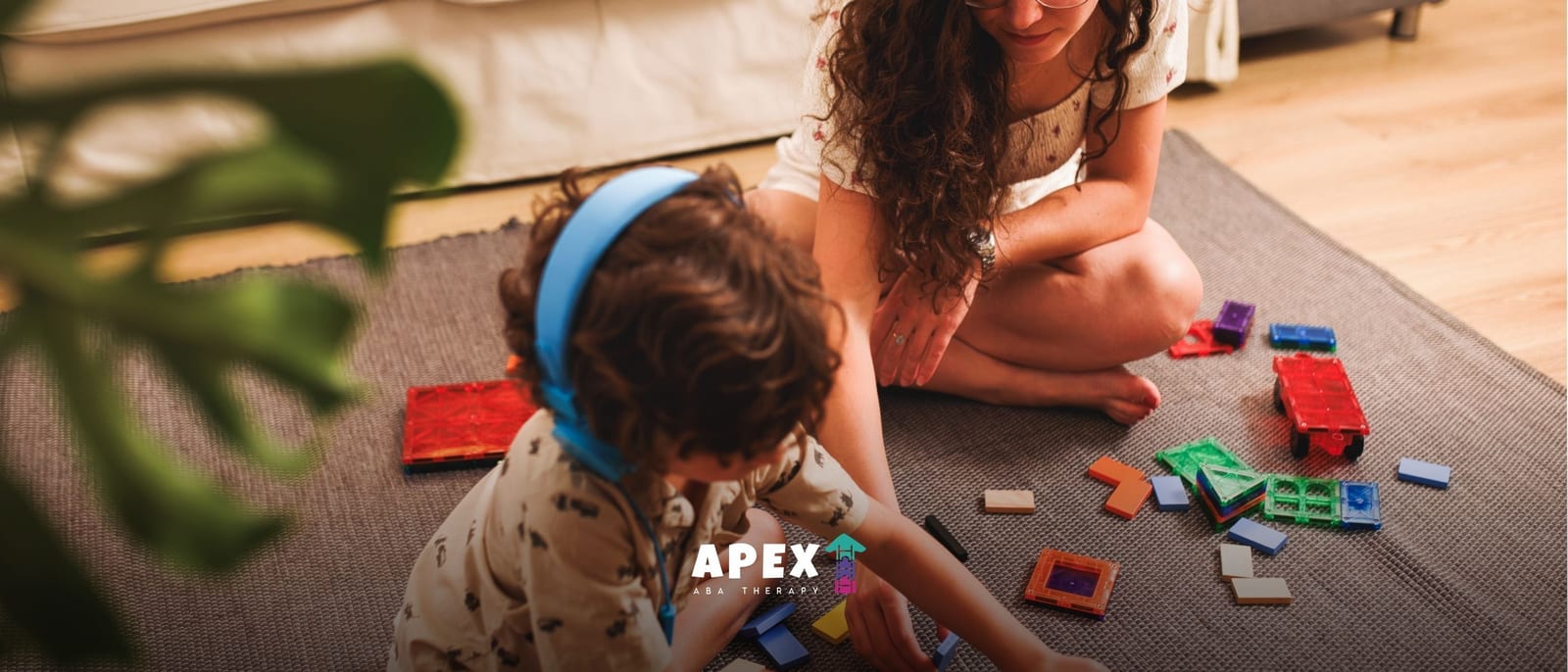
Key Highlights
- Child-led ABA therapy centers on your child’s interests to make learning more engaging and effective.
- This approach uses play-based activities to teach new skills in a fun and natural way.
- It emphasizes positive reinforcement to motivate children and build a love for learning.
- The therapy helps improve essential social skills and communication through genuine interaction.
- By following the child's lead, this method helps them reach their full potential.
- It fosters independence, confidence, and self-esteem by making the child an active participant.
Applied Behavior Analysis (ABA) therapy is a highly effective, evidence-based approach for supporting children with autism spectrum disorder. While traditional methods are often structured, a more flexible style is gaining traction: child-led ABA.
This innovative approach is transforming early intervention by shifting the focus to the child’s natural interests. Instead of rigid routines, this method uses a child's curiosity to create an environment where learning feels like play, making therapy more motivating and enjoyable for everyone involved.
Exploring Child-Led ABA Therapy
Child-led ABA, also known as naturalistic or play-based ABA, integrates the principles of behavior analysis with a flexible, individualized approach. Rather than having a therapist direct every activity, this method follows the child's lead. It weaves learning opportunities into moments of natural curiosity and exploration, turning playtime into a powerful teaching tool.
This approach is still goal-oriented and data-driven, but it uses your child’s intrinsic motivation to drive progress in a positive learning environment. By embracing your child's interests, Applied Behavior Analysis becomes a collaborative journey. Let’s explore the principles that make this method so effective and how it differs from more traditional styles.
Key Principles of Child-Led ABA
A core principle of this approach is the focus on your child’s unique interests. When therapy activities align with what your child loves, their intrinsic motivation soars. For example, if a child is fascinated by space, a therapist might use planet toys to teach counting or colors. This strategy makes learning an effective learning experience that feels less like a task and more like an adventure.
Positive reinforcement is another key element. Therapists and parents use praise, high-fives, and other rewards to encourage desired behaviors and build positive associations with learning. By focusing on your child's passions, sessions become naturally rewarding, reducing the need for external motivators. This fosters a genuine enjoyment of the learning process.
This method encourages therapists to be keen observers, paying close attention to what motivates a child and tailoring ABA treatment accordingly. It builds a supportive community around the child, where their choices are respected and their voice is heard, creating a foundation for lifelong growth.
Differences Between Child-Led and Traditional ABA Approaches
While both child-led and traditional ABA aim to teach new skills, their methodologies are quite different. Traditional ABA therapy is often highly structured and therapist-directed, using repetition and drills to teach specific behaviors. The sessions are predictable, which can be beneficial for some children.
In contrast, child-led ABA prioritizes flexibility and adaptability. The therapist follows the child’s signals and interests, embedding learning opportunities into natural play. This approach values the child's role as an active participant in their own therapy sessions, making the experience more collaborative and engaging.
Below is a table that highlights the key differences between these two approaches. Understanding them can help you decide which style is the best fit for your child.
Child-Led ABA
Flexible, Child-Centered Approach
Key Differences & Considerations
Traditional ABA Strengths
Effective for establishing basic learning skills, clear measurement of progress, and structured skill-building in controlled environments.
Child-Led ABA Strengths
Promotes natural learning, increases intrinsic motivation, enhances generalization of skills, and respects the child's autonomy.
Modern Best Practice
Many practitioners now use a blended approach, combining structure from traditional methods with child-led principles to create individualized programs.
© 2023 ABA Therapy Infographic | Visual comparison of Traditional vs. Child-Led ABA approaches
Applied Behavior Analysis (ABA) is an evidence-based therapy for autism spectrum disorder and other developmental conditions.
Benefits of Child-Led ABA for Children with Autism
Using a child-led approach in ABA therapy offers numerous benefits for children with autism. By centering therapy around your child's interests, you create a space where they feel motivated and excited to learn. This engagement is one of the key building blocks for meaningful skill development, from improving social interaction to enhancing communication skills.
When children are having fun, they are more likely to participate actively, which helps them acquire new abilities more easily. This method empowers children to reach their full potential by making them partners in their own progress. The following sections will explain how this approach fosters independence and supports crucial areas of development.
Fostering Independence and Confidence
Child-led ABA therapy is incredibly powerful for fostering independence and confidence. By allowing your child to make choices during sessions—like which game to play or which toy to use—the therapy validates their preferences and respects their voice. This simple act of choice empowers them, helping them see themselves as capable individuals who have control over their environment.
As your child becomes an active participant in their learning journey, they develop a sense of ownership. They are not just receiving instruction; they are guiding the process. This newfound autonomy helps build self-esteem, as each successfully completed activity or learned skill becomes a personal milestone they helped achieve.
This growing confidence extends far beyond the therapy room. A child who feels heard and respected is more likely to advocate for their needs in other settings, whether at school or in social situations. This approach equips them with the skills and self-assurance needed to navigate the world with greater independence.
Supporting Communication and Social Skills Development
One of the most significant advantages of child-led ABA is its natural ability to support communication and social skills development. Play-based sessions create organic opportunities for social interaction that structured drills often miss. When a child is engaged in a fun activity with a therapist or peer, they are more motivated to communicate their wants and needs.
For example, during a game, a therapist can naturally prompt turn-taking, sharing, and joint attention. These essential social skills are learned in a context that is meaningful and enjoyable for the child. This approach helps improve language skills by encouraging children to express themselves, ask questions, and engage in back-and-forth conversations.
Open communication is at the heart of this method. By following the child's lead, therapists create a safe and supportive space where children feel comfortable expressing themselves. This not only builds stronger communication skills but also fosters positive relationships based on trust and mutual respect.
Harnessing Play in Child-Led ABA Sessions
Play is the driving force behind child-led ABA. Instead of viewing playtime as a break from learning, this approach sees it as the primary vehicle for teaching new skills. By harnessing the power of play, therapists can create an enjoyable learning experience where children are motivated, engaged, and receptive to new ideas.
During therapy sessions, your child's favorite toys and activities become the tools for teaching. This ensures that learning is always relevant and exciting. The joy of play transforms therapy from a chore into an adventure, setting the stage for meaningful progress. Let's look at how play shapes these sessions and some examples of what it looks like in action.
How Play Shapes Learning Experiences
In child-led ABA, play is not just for fun—it is the foundation of the entire learning process. By embedding therapeutic goals into natural settings like playtime, therapists can make learning feel seamless and enjoyable.
The joy of play helps children stay engaged for longer periods and makes them more receptive to mastering new skills. This approach requires the therapist to pay close attention to the child's cues and interests.
The therapist’s role is to observe and skillfully guide the play to incorporate learning objectives. This could mean introducing new vocabulary while building with blocks or practicing social skills during a pretend tea party. The focus is on creating a dynamic learning environment that adapts to the child’s needs and preferences in real-time, often within their daily routines.
To effectively harness play, therapists focus on several key areas to identify a child's interests:
- Observe their play: What toys and activities do they naturally choose?
- Listen attentively: Pay close attention to their verbal and non-verbal communication to understand what excites them.
- Consider sensory preferences: Identify what types of sensory input they enjoy or avoid.
Examples of Play-Based Activities in ABA
So, what does a typical child-led ABA session look like? It looks a lot like play, because that’s exactly what it is. The therapeutic activities are woven into enjoyable, child-directed moments. For instance, if a child loves dinosaurs, a therapist might use dinosaur toys to teach counting, colors, or social stories about sharing.
The key is to use the child's favorite toys and interests as the bridge to learning new skills. These play-based activities are designed to be motivating and fun, which helps children generalize the skills they learn to other areas of their lives. A session is flexible and flows with the child's energy and focus, ensuring it's always a positive experience.
Here are a few examples of play-based activities in ABA:
- Building with blocks: A therapist can encourage a child to request specific colors or shapes, practice counting, or take turns building a tower.
- Playing with trains: This can be used to teach concepts like "stop" and "go," practice prepositions like "in" and "out," or work on social turn-taking.
- Pretend play: Activities like a pretend picnic or caring for a doll can help teach social sequences, empathy, and language skills.
Conclusion
In conclusion, Child-Led ABA is a transformative approach that emphasizes the importance of play in fostering growth and development in children with autism. By prioritizing the child’s interests and natural inclinations, this method not only enhances learning experiences but also builds confidence and essential communication skills.
Parents and caregivers play a crucial role in supporting this therapeutic model, ensuring that children engage in meaningful play-based activities that promote independence and social interaction. The journey of understanding and implementing Child-Led ABA can be incredibly rewarding, and we encourage you to explore how it can benefit your child.
If you have any questions or would like more guidance, feel free to reach out to Apex ABA for further support!
Sources:
Get started today
Ready to talk about ABA therapy?
Apex ABA Therapy helps families in North Carolina, Maryland, and Georgia access in-home, school-based, and daycare ABA services.
Popular services
Serving families in