
Choosing the Right School for Autism
Find the perfect school for autism! Discover effective IEPs, therapy services, and collaborative partnerships for your child's success.
Understanding Special Education
Special education plays a crucial role in supporting students with autism and ensuring they receive appropriate educational opportunities. In this section, we will explore the special class staffing ratios, individualized education programs (IEPs), and the role of autism support teachers.
Special Class Staffing Ratios
Special classes cater to students with varying levels of academic and management needs. The staffing ratios in special classes differ based on the intensity of a student's needs. The maximum class size ranges from six to 15 students, with one teacher and up to four paraprofessionals providing support.
For students with very high needs across academic, social, physical, and management areas, the 6:1:1 staffing ratio is utilized. This ratio addresses the needs of students with aggressive, self-abusive, or extremely withdrawn behaviors. These students require intense individual programming, continual adult supervision, specific behavior management programs, and speech/language therapy.
Individualized Education Programs (IEPs)
Individualized Education Programs (IEPs) are essential in providing support and accommodations for students with autism. These plans are collaboratively designed by parents, teachers, therapists, and other professionals to address the individual needs of students with autism spectrum disorder (ASD).
IEPs are legally binding documents that outline specific educational goals, objectives, and services for students with autism. They are reviewed and updated annually to reflect the child's progress and evolving requirements, ensuring that their educational needs are met. To learn more about IEPs, visit our article on preparing for doctor visits with autism.
Role of Autism Support Teachers
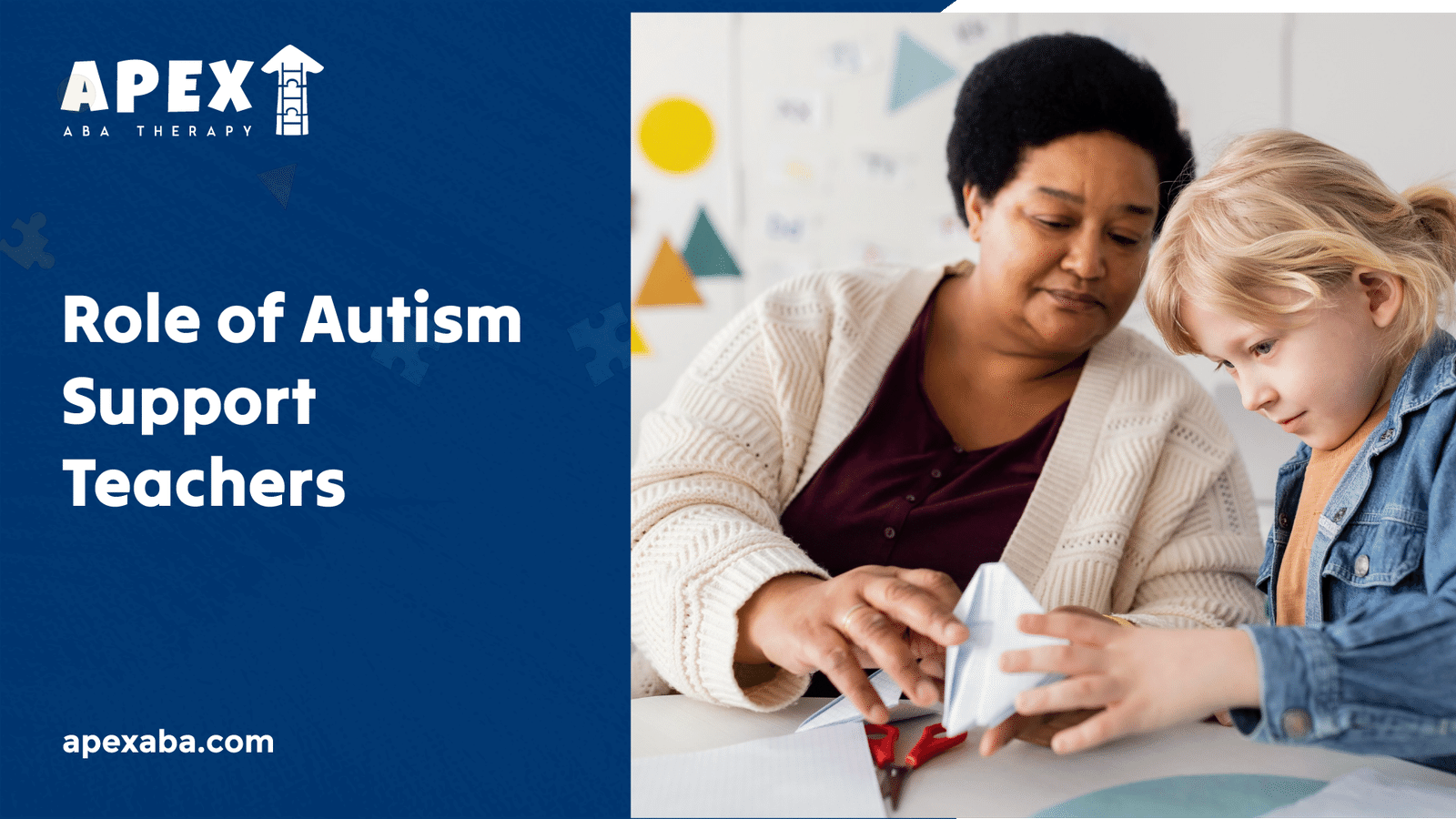
Autism support teachers play a vital role in the education and support of students with autism spectrum disorder (ASD). They provide specialized instruction and individualized support to help students succeed academically, socially, and emotionally.
To become an autism support teacher, individuals typically need a bachelor's degree in education or a related field, classroom experience working with individuals with autism, and completion of specialized training programs or courses focused on autism education and intervention. These professionals work closely with other members of the educational team to create a supportive and inclusive learning environment for students with autism.
Understanding the staffing ratios, the importance of IEPs, and the role of autism support teachers is vital when choosing the right school for a child with autism. By considering these factors, parents can ensure their child receives the necessary support and resources to thrive academically and socially.
Creating Effective IEPs
Individualized Education Programs (IEPs) play a crucial role in providing appropriate support and educational services for students with autism. Creating effective IEPs involves setting meaningful goals, implementing those goals, and fostering collaboration and communication among the IEP team.
Setting Meaningful Goals
Setting meaningful goals is the foundation of an effective IEP for children with autism. This process involves collaborating with parents and professionals, identifying the child's strengths and needs, and utilizing the SMART goal-setting framework (Specific, Measurable, Achievable, Relevant, Time-bound). Examples of impactful IEP goals for autism cover areas such as communication and language skills, social and emotional skills, academic and cognitive skills, and adaptive and functional skills [2].
It is important to ensure that the goals are tailored to the individual needs of the student and reflect realistic expectations for their progress. By setting specific and measurable goals, educators can effectively track the student's progress and make necessary adjustments to the instructional strategies.
Implementing IEP Goals
Implementing IEP goals for children with autism requires a comprehensive approach that includes individualized instruction, accommodations, data collection, progress monitoring, and collaboration with the IEP team. Individualized instruction involves tailoring teaching methods and techniques to meet the unique learning needs of the student. Accommodations, such as visual supports or sensory breaks, can be implemented to support the student's participation and engagement in the learning environment.
Data collection and progress monitoring are essential components of implementing IEP goals. Regularly collecting data allows educators to objectively assess the student's progress towards their goals. This data-driven approach enables the IEP team to make informed decisions about instructional strategies and interventions, ensuring that the student receives the necessary support to thrive.
Collaboration and communication among the IEP team are vital to successful implementation. Regular meetings and open communication channels help facilitate the exchange of information, discuss progress, address concerns, and make adjustments to the IEP as needed. This collaborative approach ensures that everyone involved is working together towards the student's success.
Collaboration and Communication
Building a strong partnership with parents is foundational for successful collaboration in supporting students with autism. Open communication and trust are key elements in this partnership. Understanding parents' feelings, experiences, and home situations is crucial for providing effective support in the educational setting. Effective communication between school and home is crucial, with consistency and frequency being key factors. Various communication tools such as back-and-forth communication notebooks, apps, emails, texting, and phone calls can be utilized to cater to parents' preferences and needs.
Building a good relationship with parents through regular communication can lead to better collaboration and outcomes for students. Sharing positive information along with concerns, using clear language, and explaining strategies employed can help foster trust and understanding between teachers and parents [5]. By working together and maintaining open lines of communication, the IEP team can ensure that the student's needs are met, progress is monitored, and adjustments are made when necessary.
By focusing on setting meaningful goals, implementing those goals with individualized instruction and accommodations, and fostering collaboration and communication among the IEP team, educators can create effective IEPs that provide the necessary support for students with autism to thrive in their educational journey.
Choosing the Right School
When it comes to choosing the right school for children with autism, there are several important factors to consider. These include early intervention services, special education services, and educational methodologies.
Early Intervention Services
Early intervention (EI) services, provided under the Individuals with Disabilities Education Act (IDEA), play a crucial role in minimizing the impact of disabilities on a child's development. These services aim to provide support and assistance to children with autism from a young age. EI services may include speech and language instruction, occupational therapy, physical therapy, Applied Behavior Analysis (ABA), and psychological evaluation.
By starting early intervention services as soon as possible, children with autism can receive the necessary support to enhance their development and prepare them for future educational experiences. It is important to work closely with professionals to create an individualized plan that addresses the specific needs of the child.
Special Education Services
Special education services, provided through the local school district's special education department, are a vital component of supporting children with autism in their educational journey. These services focus on providing an education tailored to the needs of each child, as outlined in their Individualized Education Program (IEP). Special education services typically begin at age 3, following early intervention services.
Under IDEA, each state is mandated to provide eligible children, including those with autism, with a public education that meets their individual needs. The IEP is a legal document that outlines the specific services, accommodations, and goals for the child. It is developed in collaboration with parents, educators, and other professionals to ensure the child's educational needs are met.
When choosing a school, it is important to consider the quality and availability of special education services. Look for schools that have experienced special education teachers, a supportive learning environment, and a proven track record of successfully implementing IEPs.
Educational Methodologies
Different educational methodologies can be used to educate individuals with autism. The most commonly used methodologies include Applied Behavior Analysis (ABA), Developmental, Individual-Difference, Relationship-Based (DIR), and The Education of ASD and Related Communication Handicapped Children (TEACCH) [7]. These methodologies provide structured approaches to teaching and supporting individuals with autism.
When selecting a school, it is essential to understand the educational methodologies they employ and determine if they align with the needs and preferences of your child. Some schools may focus more on ABA, while others may incorporate a combination of methodologies. Consider reaching out to schools and asking about their approach to education and their experience in supporting students with autism.
By considering early intervention services, special education services, and the educational methodologies utilized by a school, you can make an informed decision when choosing the right school for your child with autism. It is important to prioritize their individual needs, ensuring they receive the appropriate support and resources for their educational journey.
Supporting Students with Autism
When choosing the right school for a child with autism, it's essential to consider the support services available to meet their unique needs. Here are some key areas of support to consider: therapy services, communication and socialization, and recreational programs.
Therapy Services
Therapy services play a crucial role in supporting the development and progress of students with autism. These services focus on addressing specific challenges and enhancing skills in various areas. Some common therapies include speech and language therapy, occupational therapy, and Applied Behavior Analysis (ABA). These therapies help improve communication, fine motor skills, social interaction, and behavioral management.
It's important to select a school that provides a comprehensive range of therapy services tailored to meet the individual needs of students with autism. Access to these therapies within the school setting can greatly benefit the students, as it promotes consistency and integration of therapy goals into the academic environment. For more information on the benefits of art therapy for autism, check out our article on benefits of art therapy for autism.
Communication and Socialization
Communication and socialization are core challenges for students with autism. Finding a school that prioritizes the development of these skills is crucial for their overall growth and success. Look for schools that offer specialized programs and interventions to enhance communication abilities, including speech and language therapy, social skills training, and peer support programs.
A supportive school environment should provide opportunities for students with autism to interact and engage with their peers. This can include structured activities, group projects, and inclusive classroom settings. Supporting peer relationships in autism is important for fostering social connections and creating a sense of belonging. For more information on this topic, you can refer to our article on supporting peer relationships in autism.
Recreational Programs
Recreational programs are an important aspect of a well-rounded education for students with autism. These programs offer opportunities for students to engage in enjoyable activities, develop new skills, and build friendships. Look for schools that offer a variety of recreational programs, including evenings out, summer camps, and after-school activities.
Easterseals, for example, provides a wide range of recreational programs for children and teens with autism, including camping, recreation, and respite programs. These programs create inclusive environments where participants can have fun, learn new skills, and build meaningful connections with peers. For more information, you can visit the Easterseals website.
By choosing a school that offers comprehensive therapy services, prioritizes communication and socialization, and provides recreational programs, you can ensure that your child with autism receives the support they need to thrive academically, socially, and emotionally. Remember to consider the individual needs of your child and collaborate with the school to create an educational plan that best suits their requirements.
Building Collaborative Partnerships
When it comes to supporting students with autism, building collaborative partnerships between educators and parents is crucial for ensuring positive outcomes. In this section, we will explore the concepts of advocacy versus collaboration, emphasize the importance of parental engagement, and discuss effective communication strategies.
Advocacy vs. Collaboration
Advocacy and collaboration are distinct concepts, each playing a vital role in supporting students with autism. Advocacy involves defending the rights of children to receive services and accommodations, ensuring that their needs are met. On the other hand, collaboration focuses on working together with parents to make informed decisions regarding the placement and services for their children. Collaboration is child-centered, giving parents a voice in the decision-making process.
By combining advocacy and collaboration, educators and parents can work together to create a supportive and inclusive educational environment for students with autism. This partnership ensures that the needs of the child are met while fostering a sense of belonging and empowerment.
Importance of Parental Engagement
Parental engagement is a critical component of supporting students with autism. Research shows that students with active parental involvement are more likely to succeed in school, impacting their grades, confidence, involvement, and attitude. Building a strong partnership with parents based on open communication and trust is foundational for successful collaboration in supporting autistic students.
Educators should take the time to understand parents' feelings, experiences, and home situations. This understanding provides valuable insights into the child's needs and helps educators provide effective support in the educational setting. Encouraging parental involvement in the classroom activities, events, and communication can enhance their connection to their child's schooling and create a supportive school community.
Effective Communication Strategies
Effective communication between schools and parents is crucial for building collaborative partnerships. Consistency and frequency are key factors in maintaining productive communication. Educators should utilize various communication tools such as back-and-forth communication notebooks, apps, emails, texting, and phone calls to cater to parents' preferences and needs.
When communicating with parents, it is important to share positive information along with concerns and to use language that parents can easily understand. Providing clear guidelines on parent involvement, setting expectations, and finding ways for parents to contribute can further foster trust and understanding between teachers and parents. Additionally, educators should emphasize the importance of reinforcing desired behaviors at home and provide support and materials to facilitate the carryover of skills from school to home [5].
By establishing effective communication strategies, educators can build strong relationships with parents, which in turn enhances collaboration and outcomes for students with autism. Consistent communication helps ensure that interventions and strategies are consistent between home and school environments, promoting the success and progress of students with autism.
In conclusion, building collaborative partnerships between educators and parents is essential in supporting students with autism. By understanding the distinctions between advocacy and collaboration, fostering parental engagement, and employing effective communication strategies, educators can create a supportive and inclusive educational environment for students with autism.
References
Get started today
Ready to talk about ABA therapy?
Apex ABA Therapy helps families in North Carolina, Maryland, and Georgia access in-home, school-based, and daycare ABA services.
Popular services
Serving families in