Family Involvement in ABA: Do Parents Attend ABA With Siblings?

Learn how siblings may be included and how family participation supports ABA therapy success.

Published on
February 12, 2026
Family Involvement in ABA: Do Parents Attend ABA With Siblings?

Family Involvement in ABA: Do Parents Attend ABA With Siblings?

Do parents attend ABA with siblings? Yes. Parents are often involved in ABA sessions to learn strategies, reinforce skills at home, and help generalize behaviors across environments. Sibling involvement depends on goals, settings, and what best supports the child’s progress. Parent participation is common, while siblings may be included when it supports therapy targets. 

Parent Attendance in ABA

Parents typically attend ABA sessions to:

  • Observe how therapists teach skills.
  • Learn strategies to use at home.
  • Help generalize skills across settings.

Research shows that parent implementation of ABA strategies supports skill carry-over and long-term outcomes. 

What About Siblings?

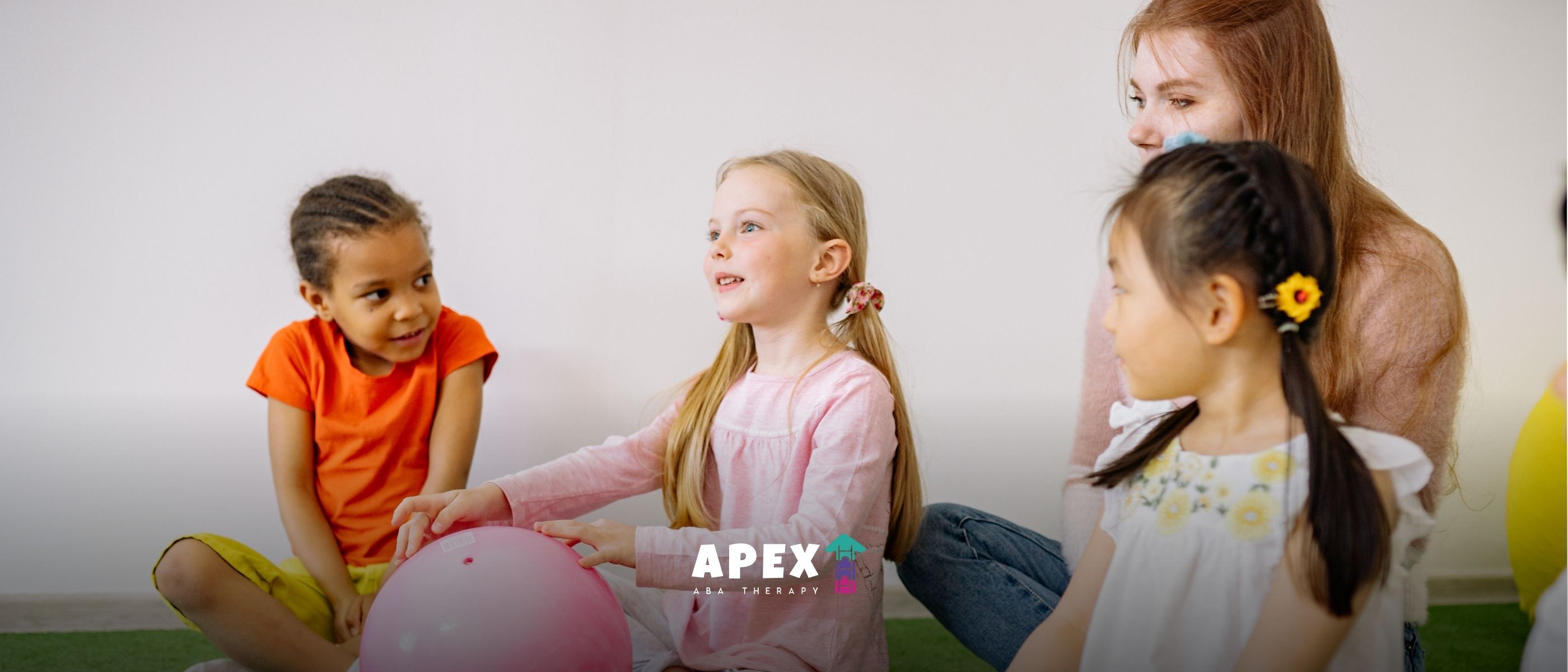
Siblings are not usually active participants in every ABA session. ABA therapy is individualized, and extra people can distract from targeted instruction. 

However, siblings may be included in structured parts of therapy:

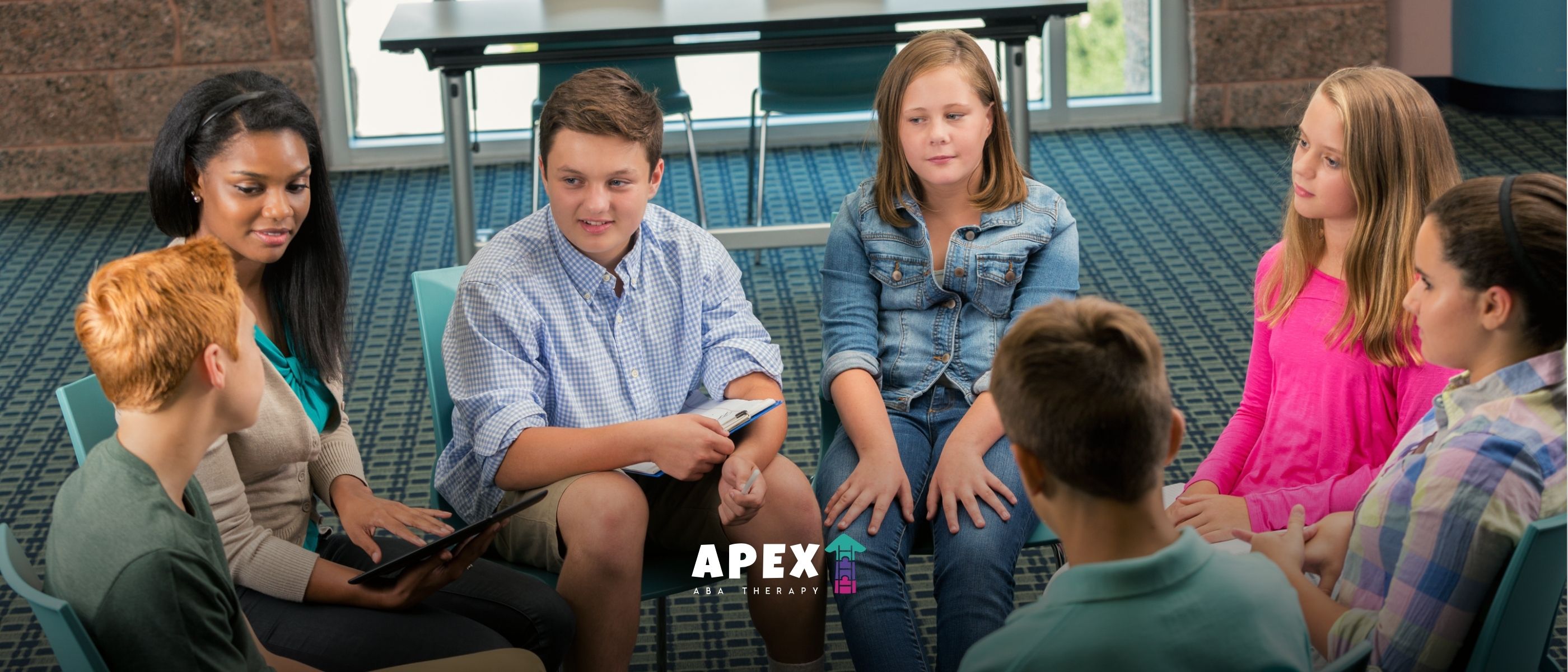
  • Social skills practice with turn-taking or communication.
  • Play-based activities where peer interaction is a goal.
  • Family routines like meals or shared tasks.

In these cases, siblings join under therapist guidance, often for limited and goal-specific portions of sessions.

Why Family Participation Matters

Training parents and siblings expands learning beyond scheduled sessions. When family members practice ABA strategies at home, children often show faster generalization of communication and social skills. 

At Apex ABA, many families report that when parents attend sessions and occasionally include siblings in structured activities, the whole family gains a shared language for support and greater understanding of autism.

Involving Siblings in ABA – Apex ABA Therapy
Apex ABA Therapy

Involving Siblings in ABA

Parents attend sessions – siblings join when it supports therapy goals. Use this visual checklist to decide if, when, and how to include siblings in ABA.
Family involvement readiness
0%
Parent Involvement (Always)
I observe sessions to learn how therapists teach skills.
Watching live instruction helps you understand prompting, reinforcement, and shaping.
I practice ABA strategies at home between sessions.
Parent implementation = stronger skill carry‑over (research shows).
I communicate regularly with the BCBA about goals and progress.
Collaboration keeps everyone aligned.
Is Sibling Involvement Appropriate?
There is a specific social, communication, or play‑related goal that could benefit from peer practice.
Turn‑taking, sharing, conversation, or cooperative play are common targets.
The BCBA or therapist has recommended sibling participation.
Never include siblings without clinical guidance.
The sibling is willing and able to participate positively.
Siblings should never feel pressured; their comfort matters.
The session can remain focused—sibling involvement will be brief and structured.
Extra people can be distracting; keep it short and goal‑specific.
Goal‑Specific Activities (Therapist‑guided)
Turn‑taking games (board games, rolling a ball).
Great for practicing waiting, following rules, and sharing.
Cooperative play (building blocks, puzzles, pretend play).
Encourages joint attention and collaboration.
Family routines (snack time, setting the table, chores).
Natural opportunities to practice communication and daily living skills.
Peer‑mediated social scripts or buddy activities.
Sibling models appropriate language and responses.
Success Guidelines
Sibling joins only for the portion of session related to the goal (5–15 minutes).
Limited, purposeful involvement.
Therapist clearly explains the sibling’s role and provides real‑time coaching.
Siblings should know what to do and receive positive feedback.
Both children receive reinforcement for participation and effort.
Praise or small rewards keep it positive for everyone.
Debrief with the therapist after the activity to discuss what worked.
Continuous improvement and learning.
Why Family Involvement Matters
I understand that training family members accelerates generalization of skills.
Skills practiced with siblings are more likely to transfer to home and community.
Our family is building a shared language around support and autism understanding.
Apex ABA families report this as a key benefit.
I will talk with my child’s BCBA about when and how to involve siblings.
Every family’s plan should be individualized.

What the research says: Parent implementation of ABA strategies supports long‑term outcomes. Siblings are not routine participants—they are included only when it directly targets therapy goals, under therapist guidance, and for limited, structured portions of sessions. (Blossom ABA, Inclusive ABA)

“When parents attend sessions and we occasionally include siblings in structured activities, the whole family gains a shared language for support and greater understanding of autism.” — Apex ABA family feedback
Your Family Involvement Profile
0/19 items checked
Start checking items to see personalized guidance.

Ready to build your family participation plan?

Every child’s ABA program is unique. Our team at Apex ABA specializes in tailoring parent and sibling involvement to fit your family’s goals. Schedule a family participation planning session today.

Connect with Apex ABA

Conclusion — What This Means for Your Family

Do parents attend ABA with siblings? Yes — parents usually participate regularly in sessions, while siblings may join when it aligns with therapy goals and learning needs. Family involvement strengthens continuity of care and skill use across home environments.

To discuss how parent and sibling involvement can fit into your child’s ABA program, contact Apex ABA today to schedule a family participation planning session that meets your unique needs. Responding to your questions together helps your child thrive.

Frequently Asked Questions

a little girl sitting at a table with a woman

More posts you’ll enjoy

What Do Autistic Routines Look Like? Common Traits and Examples

February 12, 2026

Learn what autistic routines look like in daily life with clear traits, examples, and why routines matter for autistic children.

Family Involvement in ABA: Do Parents Attend ABA With Siblings?

February 12, 2026

Learn how siblings may be included and how family participation supports ABA therapy success.

Inclusion Explained: Should Kids With Autism Go to Public School?

February 12, 2026

Learn about inclusion, supports, and how to choose the best school setting for your child.