


Understanding Speech and Autism: Does Saying Inappropriate Things Mean You're Autistic?
Get clear facts on social communication, cues, and when to seek assessment.

Understanding Speech and Autism: Does Saying Inappropriate Things Mean You're Autistic?

Does saying inappropriate things mean you're autistic? No. Making socially inappropriate comments alone does not mean someone is autistic. Autism diagnosis is based on a broad pattern of developmental and social differences, not just one behavior.
Why People Say Inappropriate Things
Some autistic individuals may say things others find unexpected because they can have challenges with social communication. This can include difficulty interpreting nonverbal cues, unwritten social rules, tone, or context. These communication differences can sometimes make comments sound blunt or out of place.
Inappropriate Speech Isn’t Exclusive to Autism
Many people without autism also say inappropriate things. Moments like stress, distraction, impulsivity, fatigue, ADHD, anxiety, or limited social experience all can lead to comments that seem out of context. Speech that feels inappropriate on its own isn’t a reliable sign of autism.
Social Communication in Autism
Autism spectrum disorder involves persistent social communication and interaction differences. These can include challenges with back-and-forth conversation, understanding social norms, and interpreting invisible social rules. Diagnosis requires a pattern of traits across development, not a single behavior.
What This Means for You
Does saying inappropriate things mean you're autistic? Occasional off-topic or awkward comments do not mean autism. It simply highlights a moment of miscommunication or lack of social awareness. Only a full evaluation by a qualified professional can determine whether autism spectrum disorder is present.
Conclusion & Next Step
Understanding communication differences helps families and educators support children and teens more effectively. If questions about autism traits come up for you, we can help.
Call Apex ABA today to start a completed autism screening and get personalized guidance you can trust.
Sources:
- https://iidc.indiana.edu/irca/articles/social-communication-and-language-characteristics.html
- https://autismspectrumnews.org/inappropriate-behaviors-in-adult-autistics-we-mean-no-harm/
- https://www.authenticallyemily.uk/blog/am-i-being-rude-or-is-my-autism-not-being-understood-and-accommodated-for
- https://medium.com/@wjb2580/autistic-or-inappropriate-187a6f45cebb
Frequently Asked Questions

More posts you’ll enjoy
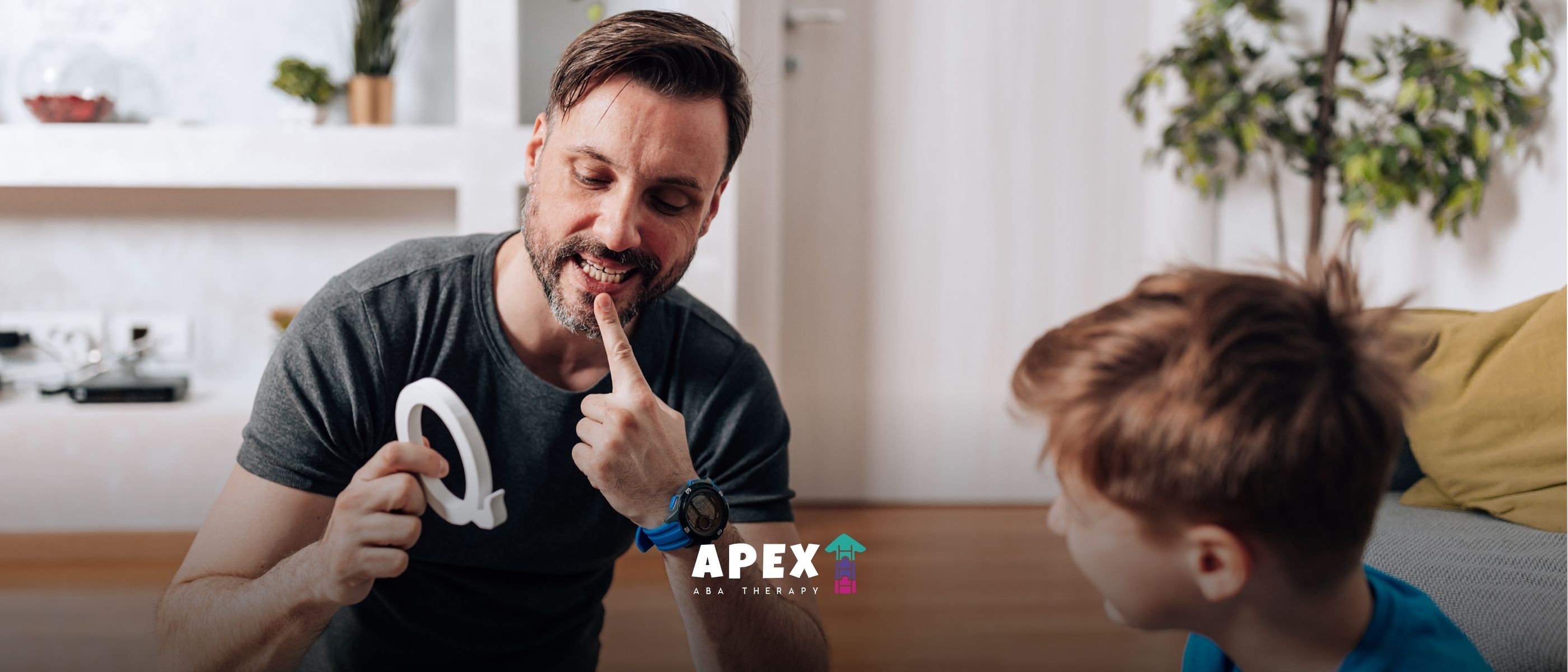
Echoic ABA: How Repeating Words Builds a Child's First Language
Exploring the Role of Echoic Behavior in Autism Therapy

Overcorrection in ABA Therapy: What It Is, and Why Modern ABA Has Moved On
While ABA therapy has been effective for many children, there are some concerns about overcorrection in ABA therapy, which can have negative consequences for children.
Behavior Contracts in ABA: The Ultimate Guide (With a Real Example)
Behavior contracts are a powerful tool for addressing challenging or problematic behaviors, and can be an effective way to help children with autism learn new skills and behaviors.