How Do You Get An Autistic Child To Keep Their Shoes On?
In this blog, we will discuss some of the best ways to help your child keep their shoes on, so you can both enjoy your time outside without any worries.
.jpeg)
How Do You Get An Autistic Child To Keep Their Shoes On?
As a parent or caregiver of an autistic child, you may have faced the challenge of getting them to keep their shoes on.
This can be a frustrating experience, especially when you're in a hurry to leave the house or need to walk a long distance. However, with some patience and understanding, there are strategies you can use to encourage your child to wear their shoes.
Understanding Sensory Processing Disorder
One of the reasons why autistic children may struggle with wearing shoes is because of sensory processing disorder (SPD). SPD is a condition that affects how the brain processes sensory information.
Children with SPD may be hypersensitive to certain sensations, such as the feeling of shoes on their feet. They may find it uncomfortable or even painful to wear shoes.
Why Do Children With Autism Struggle With Wearing Shoes?
Some autistic children may struggle with wearing shoes due to the texture or tightness of the material. They may also feel discomfort from the seams or tags inside the shoe.
Additionally, some children with autism have difficulty with fine motor skills, making it challenging for them to put on their shoes independently. The process of tying shoelaces can also be overwhelming and frustrating for some children with autism.
Finally, some autistic children may simply prefer to go barefoot as it provides a sense of freedom and comfort that they don't experience when wearing shoes.
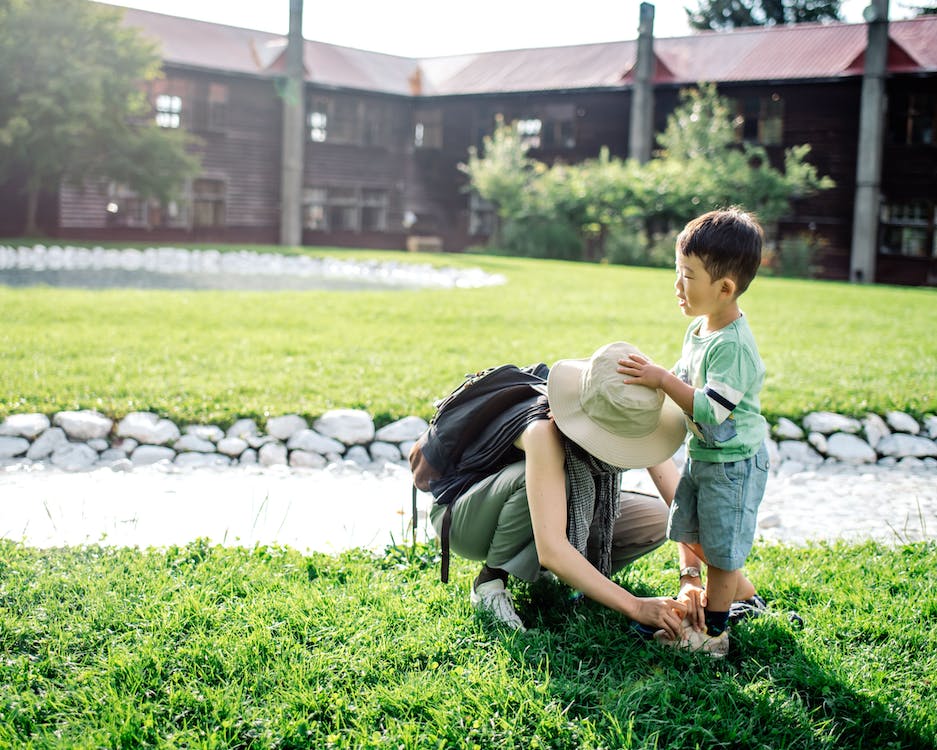
Tips for Getting Your Autistic Child to Keep Their Shoes On
1. Choose the Right Shoes
When it comes to shoes, it's important to choose the right kind for your child. Look for shoes that are comfortable, lightweight, and made from soft materials. Avoid shoes with hard soles or seams that may irritate your child's feet. You may also want to try shoes with Velcro straps, as these can be easier for your child to put on and take off.
2. Gradual Exposure
If your child is particularly sensitive to wearing shoes, it can be helpful to introduce them gradually. Start by having them wear their shoes for short periods of time, such as 5-10 minutes. Gradually increase the amount of time they wear their shoes each day. This can help them get used to the sensation and make it less uncomfortable over time.
3. Provide Sensory Input
For some children with SPD, providing additional sensory input can make wearing shoes more tolerable. This can include using a soft brush to massage their feet before putting on their shoes, or providing them with a sensory toy to hold while wearing their shoes. You may also want to try using compression socks or weighted shoes, as these can provide a calming sensation for some children.
4. Use Positive Reinforcement
Positive reinforcement can be a powerful tool for encouraging your child to wear their shoes. Offer praise and rewards when they keep their shoes on for longer periods of time, such as stickers or a small treat. You can also create a visual chart to track their progress and provide a sense of accomplishment.
5. Visual Schedules
To create a schedule, simply outline the steps of putting on shoes, like putting on socks first, tying laces, and so on. You can even use pictures or symbols to represent each step, which is particularly useful for nonverbal children. This can help break down the process into smaller, more manageable steps and make it easier for your child to follow.
6. Social Stories
These stories are written in a simple, step-by-step format and use pictures to illustrate the point. You can create your own story or use a pre-made one that explains why shoes are important for safety, comfort, and providing support while walking. By reading the story with your child, they can gain a better understanding of why they need to keep their shoes on.
Teach Your Child to Tie Their Shoes
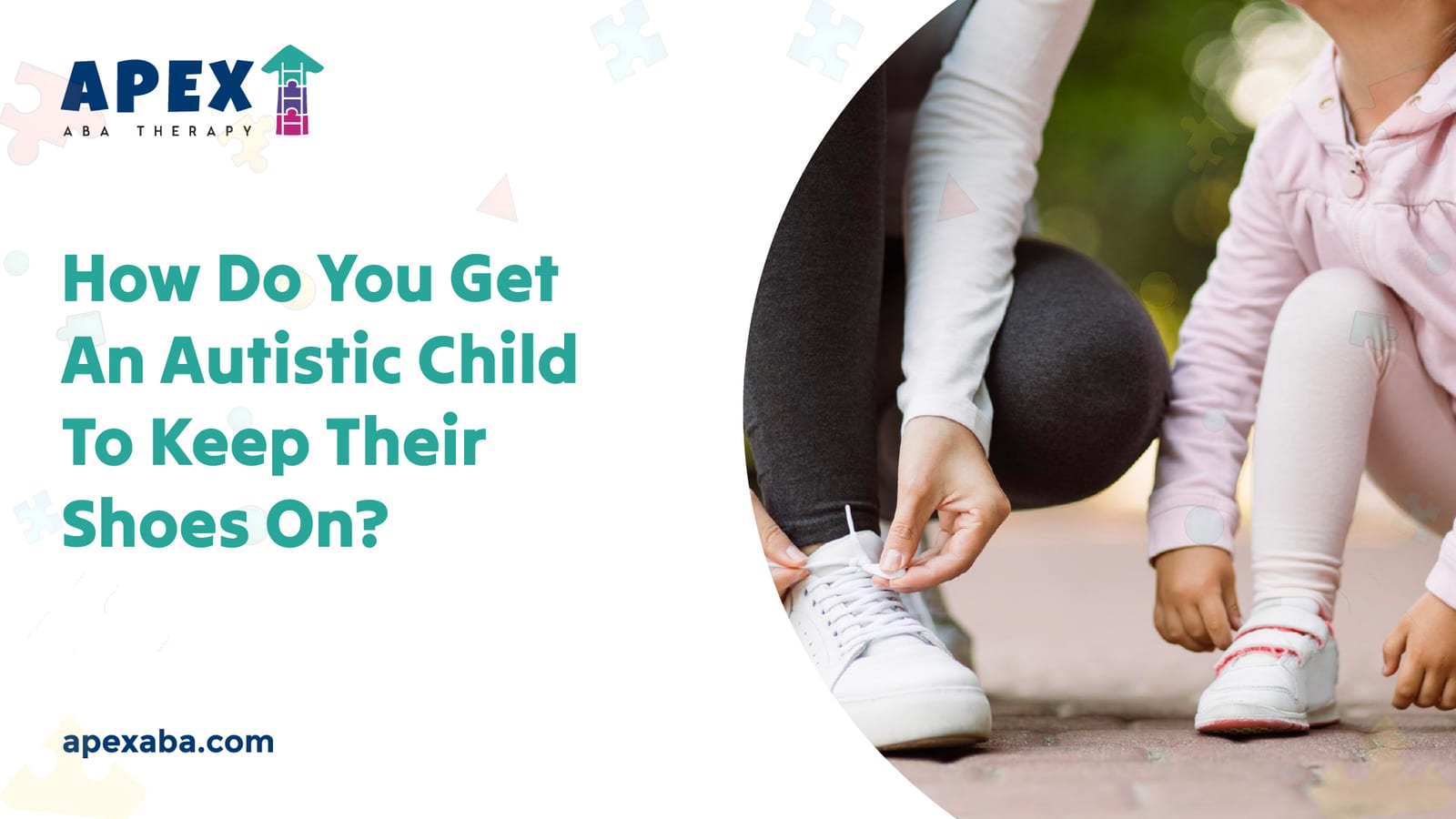
Teaching your child to tie their shoes can be a helpful step towards independence in putting on their shoes. It can also be a fun activity for both you and your child to do together. Here are some tips for teaching your child how to tie their shoes:
1. Use Different Colored Laces
Using different colored laces can help your child distinguish between the left and right shoe, making it easier for them to learn how to tie their shoes correctly.
2. Break It Down Into Steps
Tying shoelaces can seem like a daunting task for young children, so it's important to break it down into smaller steps. Start by teaching them the first step of tying a knot, then move onto the second step of creating loops with the laces.
3. Use Visual Aids
Visual aids such as pictures or videos can be helpful in demonstrating each step of tying shoelaces. You may also want to use physical props such as a cardboard cutout of a shoe or lace-up toy shoes.
4. Practice Makes Perfect
Repetition is key when it comes to learning how to tie shoelaces. Encourage your child to practice regularly, even if they don't get it right at first. With time and practice, they will become more confident and independent in putting on their own shoes.
By teaching your child how to tie their shoes, you're not only helping them become more independent but also giving them an important life skill that they'll use throughout their lives.
Trying Different Types of Socks
Another strategy to help your child keep their shoes on is to try different types of socks. Some children may be sensitive to the texture or material of certain socks, which can make wearing them uncomfortable.
By experimenting with different styles and materials, you may be able to find a type of sock that your child finds more comfortable.
1. Seamless Socks
Seamless socks are a great option for children with sensory processing disorder, as they do not have any seams that may irritate their feet. Look for seamless socks made from soft materials such as cotton or bamboo.
2. Compression Socks
Compression socks provide gentle pressure around the feet and ankles, which can provide a calming sensation for some children with SPD. These can be particularly helpful if your child struggles with anxiety or hyperactivity.
3. Toe Socks
Toe socks have individual compartments for each toe, which can help prevent irritation between toes. They also come in a variety of materials and thicknesses, so you can experiment to see what works best for your child.
4. Moisture-Wicking Socks
If your child's feet tend to sweat excessively, moisture-wicking socks may be a good option. These are designed to pull moisture away from the skin, keeping feet dry and comfortable.
By trying different types of socks, you may be able to find a pair that your child is more willing to wear with their shoes.
Practicing Putting on and Taking off Shoes
Another strategy to help your autistic child keep their shoes on is to practice putting them on and taking them off as part of a daily routine. This can help your child become more comfortable with the process and make it feel like a natural part of their day.
1. Before and After Meals
One way to incorporate shoe-wearing into your child's routine is to have them put their shoes on before meals and take them off after meals. This can create a consistent pattern that your child will come to expect, making it easier for them to remember to wear their shoes.
2. Bedtime Routine
Incorporating shoe-wearing into your child's bedtime routine can also be helpful. Have them put on their shoes before getting into bed, and take them off when they get up in the morning. This can help establish a routine that your child will become familiar with over time.
3. Make It Fun
To make practicing putting on and taking off shoes more enjoyable for your child, try incorporating games or songs into the process. For example, you could sing a song while helping your child tie their shoelaces or play a game where they have to race against the clock to see how quickly they can put on their shoes.
By incorporating shoe-wearing into your child's daily routine, you can help make it feel like a natural part of their day and reduce any resistance they may have towards wearing shoes.
Encouraging Your Child to Choose Their Own Shoes
Allowing your child to choose their own shoes can be a great way to give them a sense of control over the situation. This can help reduce any anxiety or resistance they may have towards wearing shoes. Here are some tips for encouraging your child to choose their own shoes:
1. Offer Choices
When it comes to choosing shoes, offer your child a few different options to choose from. You may want to pre-select a few pairs that meet your criteria for comfort and practicality, but allow your child to make the final decision.
2. Consider Their Preferences
Take into account your child's preferences when selecting shoes. If they have a favorite color or character, try to find shoes that feature those elements. This can make wearing shoes more enjoyable for them.
3. Make It an Event
Make shoe shopping a fun event by going to the store together and trying on different pairs of shoes. You may even want to turn it into a special outing, such as going out for ice cream afterwards.
By allowing your child to choose their own shoes, you're giving them a sense of control over the situation and helping them feel more comfortable with wearing shoes.
Use Distraction Techniques
Distraction techniques can be a helpful tool for encouraging your autistic child to wear their shoes. By providing a fun and engaging activity while putting on their shoes, you can help your child associate shoe-wearing with positive experiences. Here are some distraction techniques you can try:
1. Singing a Song
Singing a song while putting on your child's shoes can be a fun way to distract them from any discomfort they may feel. You may want to choose a song that your child enjoys or one that has a catchy tune.
2. Playing a Game
Playing games while putting on their shoes can also be helpful. For example, you could play "I Spy" or "Simon Says" while helping your child put on their shoes.
3. Using Props
Using props such as puppets or stuffed animals can also make the process of putting on shoes more enjoyable for your child. You could have the puppet help put on their shoes or use it as a distraction tool while tying shoelaces.
By using distraction techniques, you can help make the process of wearing shoes more enjoyable for your child and reduce any resistance they may have towards it.
Use a Reward System to Motivate Your Child
If your child is resistant to wearing shoes, a reward system can be a helpful tool for motivating them. By offering an incentive, such as earning points towards a special prize, you can encourage your child to keep their shoes on for longer periods of time. Here are some tips for using a reward system:
1. Choose the Right Reward
When choosing a reward, it's important to select something that your child will find motivating. This could be anything from a small toy or treat to extra screen time or a special outing.
2. Set Clear Goals
To earn the reward, your child should have clear goals to work towards. For example, they may need to wear their shoes for 30 minutes at a time or keep them on during an entire trip to the grocery store.
3. Track Progress
Create a chart or other visual aid to track your child's progress towards their goal. This can help them see their progress and feel motivated to continue working towards earning the reward.
4. Offer Praise and Encouragement
Throughout the process, offer praise and encouragement for your child's efforts. This can help build their confidence and reinforce positive behavior.
By using a reward system, you can motivate your child to wear their shoes and make it a more positive experience for both of you.
Practice Wearing Shoes in Different Environments
Another strategy to help your autistic child keep their shoes on is to practice wearing them in different environments. This can help your child adjust to different sensations and become more comfortable with the idea of wearing shoes.
1. Start Indoors
Begin by having your child wear their shoes indoors, where they feel most comfortable and safe. This can help them get used to the sensation of wearing shoes without feeling overwhelmed by external stimuli.
2. Move Outdoors
Once your child is comfortable wearing their shoes indoors, you can start practicing wearing them outdoors. Begin with short periods of time and gradually increase the duration as your child becomes more accustomed to the sensation.
3. Try Different Surfaces
Different surfaces may feel different on your child's feet, so it's important to practice wearing shoes on a variety of surfaces. For example, you could have them walk on grass, sand, or pavement to help them adjust to different textures.
4. Incorporate Activities
To make practicing wearing shoes more enjoyable for your child, try incorporating fun activities into the process. For example, you could go for a walk together or play a game while they wear their shoes.
By practicing wearing shoes in different environments, you can help your child become more comfortable with the sensation and reduce any resistance they may have towards wearing shoes outside of the house.
FAQs
Why do some autistic children struggle with wearing shoes?
There are various reasons why autistic children may find it difficult to wear shoes. Some children with sensory processing disorder may be hypersensitive to certain textures or materials, while others may be hyposensitive and not feel enough sensation from their feet.
Additionally, some autistic children may have difficulty with motor skills such as tying shoelaces or putting on socks.
What can I do if my child refuses to wear shoes?
If your child refuses to wear shoes, it's important to try and understand the reason behind their resistance. Are they experiencing discomfort or pain? Are they overwhelmed by the sensation of wearing shoes? By identifying the underlying cause, you can develop a more effective strategy for encouraging them to wear shoes.
How long does it take for an autistic child to get used to wearing shoes?
The amount of time it takes for an autistic child to get used to wearing shoes can vary depending on the individual. It's important to be patient and consistent in your efforts, gradually increasing the amount of time they wear their shoes each day. With time and practice, most children will become more comfortable with wearing shoes.
Should I force my child to wear shoes?
It's important not to force your child to wear shoes, as this can create negative associations and make them even more resistant in the future. Instead, try using positive reinforcement techniques such as offering praise and rewards when they keep their shoes on for longer periods of time.
What types of socks are best for autistic children?
The best type of sock for an autistic child will depend on their individual preferences and sensory needs. Some children may prefer seamless socks made from soft materials such as cotton or bamboo, while others may benefit from compression socks or toe socks.
It's important to experiment with different types of socks to find what works best for your child.
Conclusion
Encouraging an autistic child to keep their shoes on can be a challenging task, but with some patience and understanding, it is possible.
By choosing the right shoes, introducing them gradually, providing sensory input, and using positive reinforcement, you can help your child feel more comfortable wearing shoes and make it a more manageable experience for both of you.
Sources
- https://autism-parents.com/2023/06/autism-and-wearing-shoes/
- https://www.angelsense.com/blog/how-to-get-an-autistic-child-to-keep-their-shoes-on/
- https://autismlittlelearners.com/wearing-shoes-social-story/
- https://www.goldencaretherapy.com/how-do-you-get-an-autistic-child-to-keep-their-shoes-on/
Get started today
Ready to talk about ABA therapy?
Apex ABA Therapy helps families in North Carolina, Maryland, and Georgia access in-home, school-based, and daycare ABA services.
Popular services
Serving families in