
Teaching Math To Students With Autism
While it doesn't directly impact mathematical ability, the way students with autism process information and interact with their environment can make teaching math more challenging.
.jpeg)
Teaching Math to Students with Autism
Teaching math to students with autism requires a thoughtful and individualized approach, taking into consideration the unique challenges they may face. By understanding these challenges and implementing individualized instruction, educators can create a supportive learning environment that promotes mathematical success.
Understanding the Challenges
Students with autism often experience difficulties in various areas that can impact their math learning. These challenges may include difficulties with attention, executive functioning, abstract thinking, and social interaction. Students with autism may also have specific learning styles and preferences that need to be considered.
To effectively teach math to students with autism, it is crucial to understand these challenges and tailor instruction to meet their specific needs. By recognizing their strengths and areas of difficulty, educators can design strategies and interventions to maximize their learning potential.
Importance of Individualized Instruction
Individualized instruction plays a critical role in teaching math to students with autism. Every student has unique learning profiles, and what works for one may not work for another. By providing instruction that is tailored to the individual student's strengths, interests, and learning styles, educators can create an optimal learning experience.
Individualized instruction allows educators to modify teaching methods, pace, and materials to match the student's needs. This may involve using visual supports, incorporating hands-on activities, or utilizing technology to enhance engagement and comprehension. By differentiating instruction, educators can address the specific learning challenges faced by students with autism and support their mathematical development.
In the following sections, we will explore effective strategies, techniques, and interventions that can be employed to support math learning for students with autism. By implementing these approaches, educators can create a positive and inclusive math learning environment that empowers students with autism to excel in their mathematical journey.

Effective Strategies for Teaching Math
Teaching math to students with autism requires effective strategies that cater to their unique learning needs. By implementing these strategies, educators can create an inclusive and supportive learning environment. Three game-changing strategies for teaching math to students with autism are visual supports and graphic organizers, structured and sequential approach, and multisensory learning techniques.
Visual Supports and Graphic Organizers
Visual supports and graphic organizers are powerful tools that aid in understanding and retaining mathematical concepts. These visual aids provide a clear representation of information, enabling students with autism to better comprehend abstract math concepts.
Visual supports can include charts, diagrams, and graphs that visually display mathematical relationships, equations, or patterns. Graphic organizers, such as concept maps or flowcharts, help organize information and guide students through problem-solving steps.
By incorporating visual supports and graphic organizers, educators can enhance the learning experience for students with autism. These aids facilitate comprehension, memory recall, and the ability to make connections between different mathematical concepts.
Structured and Sequential Approach
A structured and sequential approach to teaching math is essential for students with autism. Breaking down complex mathematical concepts into smaller, manageable steps helps build a solid foundation of understanding. By providing clear and explicit instructions, educators can guide students through each step of the problem-solving process.
Sequencing the delivery of information and tasks allows students with autism to follow a logical progression, minimizing confusion and promoting comprehension. It is helpful to present information in small increments, ensuring mastery of one concept before moving on to the next. This systematic approach helps students develop confidence and competence in their mathematical abilities.
Multisensory Learning Techniques
Engaging multiple senses during math instruction is an effective strategy for students with autism. Multisensory learning techniques involve incorporating visual, auditory, and kinesthetic elements into lessons. For example, educators can use manipulatives, such as counting blocks or number lines, to provide hands-on experiences that reinforce mathematical concepts. These manipulatives encourage active participation and help students visualize abstract ideas.
Furthermore, educators can incorporate auditory elements by using verbal explanations, chants, or songs to reinforce key mathematical concepts. This auditory reinforcement enhances memory retention and facilitates recall during problem-solving. Additionally, incorporating movement and physical activities into math lessons helps engage kinesthetic learners and reinforces understanding.
By embracing multisensory learning techniques, educators provide students with autism with diverse opportunities to comprehend and internalize mathematical concepts.
By implementing these effective strategies, educators can empower students with autism to develop mathematical skills, gain confidence, and achieve success in their mathematical journey.
Building Mathematical Concepts
When it comes to teaching math to students with autism, it's important to focus on building strong mathematical concepts. This foundation can be achieved through various strategies that cater to the unique learning needs of individuals on the autism spectrum. In this section, we will explore three effective strategies: concrete manipulatives and hands-on activities, real-life application of math skills, and breaking down complex problems.
Concrete Manipulatives and Hands-on Activities
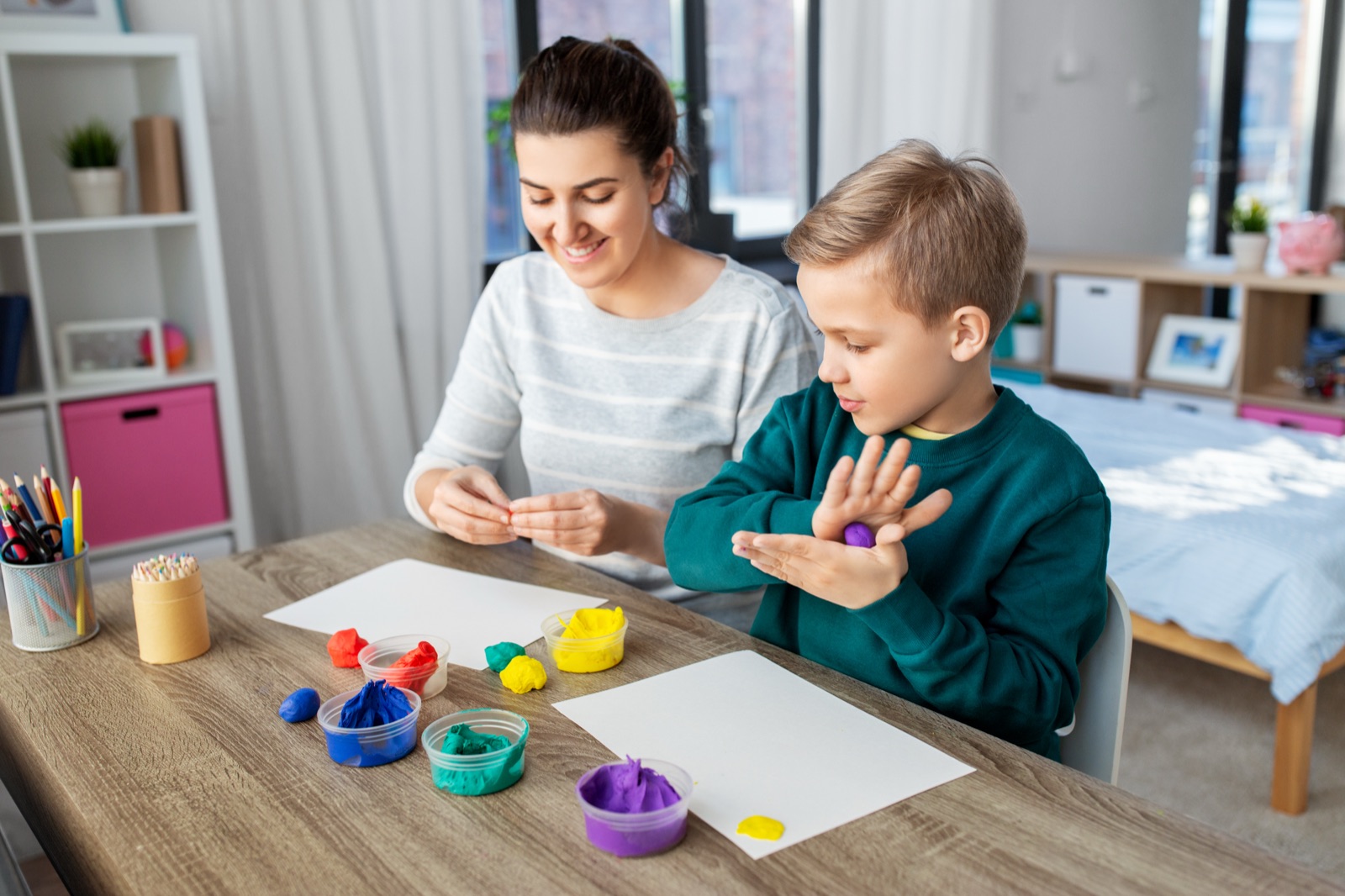
One of the most effective ways to engage students with autism in math learning is through the use of concrete manipulatives and hands-on activities. These tangible objects and materials allow students to physically interact with mathematical concepts, making them more accessible and engaging.
By using manipulatives such as counting blocks, geometric shapes, or fraction bars, students can visualize and manipulate numbers, quantities, and mathematical operations. This hands-on approach helps to bridge the gap between abstract ideas and concrete understanding, enabling students to grasp mathematical concepts more effectively.
Real-life Application of Math Skills
Connecting math to real-life situations and contexts is another powerful strategy for teaching students with autism. By demonstrating the practical applications of math skills in everyday life, students can better understand the relevance and importance of mathematical concepts.
Teachers can incorporate real-life examples and scenarios into their math lessons, such as calculating prices at the grocery store, measuring ingredients for a recipe, or budgeting money for a shopping trip. These real-world connections help students see the value of math beyond the classroom, making learning more meaningful and motivating.
Breaking Down Complex Problems
Mathematics often involves complex problem-solving, which can be challenging for students with autism. To support their learning, it is crucial to break down complex problems into smaller, more manageable steps.
Teachers can guide students through the problem-solving process by providing visual cues, step-by-step instructions, or graphic organizers. By breaking down the problem into simpler components, students can focus on one step at a time, gradually building their understanding and confidence.
Furthermore, providing ample opportunities for practice and repetition helps reinforce mathematical concepts and problem-solving strategies. By gradually increasing the complexity of problems, students can develop their skills and tackle more challenging mathematical tasks.
By employing these strategies, students with autism can develop a solid foundation in mathematical concepts. The use of concrete manipulatives and hands-on activities, real-life application of math skills, and breaking down complex problems not only enhances their understanding but also promotes engagement and enjoyment in the learning process.
Enhancing Communication and Social Skills
For students with autism, developing strong communication and social skills is essential in their mathematical journey. By focusing on enhancing these areas, educators can create a supportive learning environment that fosters engagement and growth. Here are some effective strategies to enhance communication and social skills in students with autism when teaching math.
Encouraging Verbal and Written Expression
Encouraging verbal and written expression is vital for students with autism to effectively communicate their mathematical understanding. Teachers can implement the following strategies to promote expressive communication:
- Visual Supports: Utilize visual supports such as visual schedules, graphic organizers, and visual cues to facilitate understanding and expression of mathematical concepts. These supports can help students organize their thoughts and communicate their ideas more effectively.
- Verbal Prompts: Use verbal prompts and cues to guide students in expressing their mathematical thinking. Encourage them to explain their problem-solving strategies, articulate their reasoning, and describe their solution steps. This verbal interaction helps develop their communication skills and deepens their understanding of math concepts.
- Written Expression: Incorporate written expression activities such as journaling, math reflections, and written explanations of problem-solving processes. This allows students to practice expressing their thoughts in writing and reinforces their understanding of mathematical concepts.
Collaborative Learning Opportunities
Collaborative learning opportunities provide students with autism the chance to engage in social interactions, improve communication skills, and learn from their peers. Consider implementing the following strategies:
- Group Projects: Assign group projects or collaborative tasks that require students to work together to solve math problems or complete math-related activities. This promotes teamwork, communication, and the sharing of ideas.
- Peer Tutoring: Pair students with autism with their neurotypical peers to create a supportive learning environment. The neurotypical peers can serve as tutors, assisting and guiding students with autism in their mathematical journey. This peer interaction encourages communication and social skill development.
- Math Games and Activities: Incorporate math games and activities that encourage collaboration and interaction among students. This not only makes learning math enjoyable but also provides opportunities for students to practice communication and social skills within a structured and engaging context.
Incorporating Technology for Engagement
Technology can be a powerful tool to engage students with autism and support their communication and social skill development in math. Consider the following strategies:
- Interactive Math Apps: Utilize interactive math apps and software that provide visual and auditory supports, interactive elements, and immediate feedback. These tools can enhance engagement, facilitate communication, and promote social interaction during math lessons.
- Online Math Forums: Encourage students to participate in online math forums and communities where they can interact with peers who share similar mathematical interests. This provides a platform for students to communicate, ask questions, and collaborate with others beyond the classroom setting.
- Digital Presentations: Have students create digital presentations or videos to explain math concepts or problem-solving strategies. This allows them to practice communication skills while using technology as a medium for expression.
By focusing on enhancing communication and social skills, educators can create an inclusive math learning environment for students with autism. These strategies foster meaningful interactions, promote expressive communication, and provide opportunities for collaborative learning. Remember to personalize instruction and provide individualized support to meet the unique needs of each student.

Addressing Sensory Needs
Teaching math to students with autism requires a comprehensive understanding of their sensory needs. By addressing these needs, educators can create an environment that promotes focus, engagement, and learning. In this section, we will explore three key strategies for addressing sensory needs: creating a calming environment, sensory breaks and supports, and flexibility in teaching methods.
Creating a Calming Environment
For students with autism, a calm and organized environment is essential for optimal learning. Creating a calming environment involves minimizing distractions, providing comfortable seating, and using soft lighting. It's also important to arrange the classroom in a way that promotes a sense of order and predictability.
Visual supports, such as visual schedules and timers, can help students understand the structure of the math lesson and manage their time effectively. By creating a soothing atmosphere, students with autism can better focus on the math concepts being taught.
Sensory Breaks and Supports
Sensory breaks play a crucial role in supporting students with autism during math instruction. These breaks provide opportunities for students to engage in sensory activities that help regulate their sensory systems.
Sensory supports, such as fidget toys or weighted blankets, can also be beneficial for students who benefit from sensory input. Implementing regular sensory breaks and providing appropriate sensory supports can help students maintain attention and reduce anxiety or sensory overload during math lessons.
Flexibility in Teaching Methods
Flexibility in teaching methods is essential when working with students with autism. Each student has unique learning styles and preferences. By adapting teaching methods to accommodate individual needs, educators can create a more inclusive and effective math learning experience.
Some students may benefit from hands-on activities, while others may excel with visual aids or technology-based tools. By offering a variety of teaching methods and allowing for individualized approaches, students with autism can engage with math concepts in a way that suits their strengths and learning preferences.
Addressing sensory needs is a crucial aspect of teaching math to students with autism. By creating a calming environment, incorporating sensory breaks and supports, and allowing flexibility in teaching methods, educators can provide the necessary support for students to thrive in their math learning journey.
Working with the Individual
Teaching math to students with autism requires an individualized approach that recognizes their unique strengths, interests, and learning styles. By tailoring instruction to their specific needs, educators can create a supportive and engaging learning environment. Here are three essential strategies for working with individuals with autism when teaching math.
Recognizing Strengths and Interests
One of the first steps in effectively teaching math to students with autism is to identify their strengths and interests. By understanding what motivates and engages them, educators can incorporate these elements into math lessons.
For example, if a student has a passion for animals, math problems involving counting or categorizing animals can be incorporated into their lessons. By making math relevant and meaningful to their interests, students are more likely to stay engaged and motivated to learn. Recognizing and leveraging their strengths can help build a positive and supportive learning experience.
Differentiating Instruction
Inclusive instruction plays a crucial role in teaching math to students with autism. Differentiating instruction involves tailoring the content, materials, and teaching methods to meet the unique needs of each student. This may include adapting the pace of instruction, providing additional visual supports, or modifying assignments to match the student's skill level.
Utilizing math manipulatives and incorporating multisensory learning techniques can also enhance comprehension and engagement. By providing individualized support and accommodations, educators can ensure that students with autism have equal access to the math curriculum.
Building Confidence and Motivation
Building confidence and motivation is crucial for students with autism to succeed in math. Educators should create a safe and supportive learning environment where students feel comfortable taking risks and making mistakes. Praising their efforts and celebrating their achievements, no matter how small, can boost their confidence and foster a positive attitude towards math.
Additionally, incorporating activities that promote problem-solving skills and critical thinking can help students develop a growth mindset and a sense of accomplishment. By fostering a positive learning experience, educators can inspire students with autism to become confident and motivated mathematicians.
By recognizing strengths and interests, differentiating instruction, and building confidence and motivation, educators can create an inclusive and effective math learning experience for students with autism. It is important to continually adapt and modify instructional strategies based on individual needs and progress.
Conclusion
Teaching math to students with autism requires a thoughtful, individualized approach that considers their unique needs, strengths, and challenges.
By utilizing visual supports, hands-on activities, and positive reinforcement, educators can create a supportive learning environment that promotes math success for students on the autism spectrum. The success stories demonstrate that, with dedication and the right strategies, students with autism can thrive in the world of mathematics, enriching their academic journey and personal growth.
Sources
Get started today
Ready to talk about ABA therapy?
Apex ABA Therapy helps families in North Carolina, Maryland, and Georgia access in-home, school-based, and daycare ABA services.

.jpeg)