

ABA Therapy for Autism: What It Is, How It Works, and Why It Works
ABA therapy is the gold-standard, evidence-based treatment for autism.
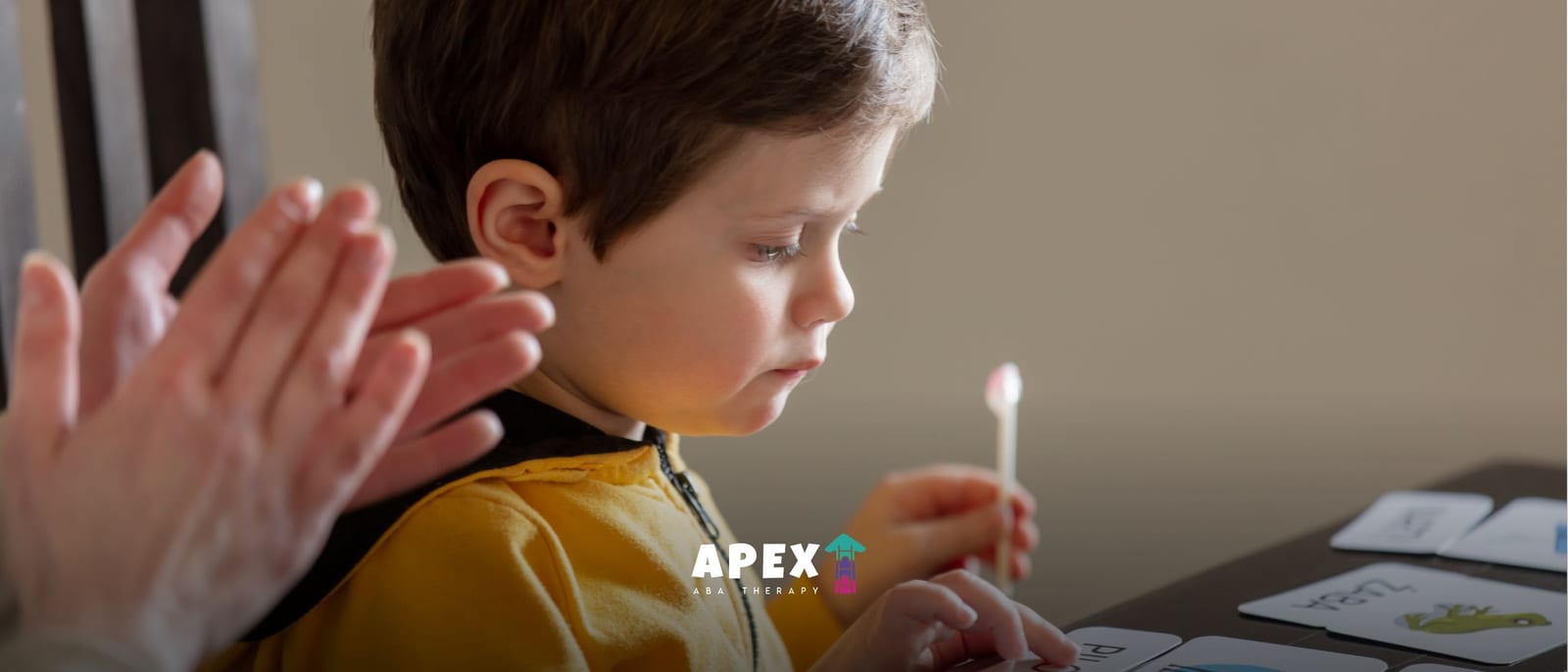
Your child has just been diagnosed with autism. Or maybe they've had the diagnosis for a while, and you keep hearing the same three letters over and over — ABA. From pediatricians, school staff, insurance forms, and other parents. But nobody actually sat down and explained what it meant.
Here's the short answer: ABA therapy (Applied Behavior Analysis) is the most thoroughly researched, evidence-based treatment available for autism spectrum disorder. It uses the science of learning and behavior to build practical, real-world skills — communication, social interaction, daily routines, emotional regulation, and more.
Now here's the longer answer — the one that actually helps you make a decision.
What Is ABA Therapy, Exactly?
ABA stands for Applied Behavior Analysis. It's a therapeutic approach rooted in the science of how behavior works — what causes it, what reinforces it, and how to shape it over time.
The "applied" part matters. ABA isn't just theory. It targets behaviors that are meaningful in real life: asking for help, tolerating frustration, making eye contact, following a routine, saying goodbye to a parent without a meltdown. Skills that make daily life easier and more independent.
The core idea: when a behavior is followed by something positive (a reward, praise, access to a preferred activity), that behavior is more likely to happen again. Over time, positive reinforcement builds new skills and reduces behaviors that interfere with learning or safety.
ABA is considered an evidence-based best practice treatment by both the US Surgeon General and the American Psychological Association — meaning it has passed rigorous scientific tests of usefulness, quality, and effectiveness.
Therapists have been using ABA to support children with autism since the 1960s. Today, it's the most widely used and studied intervention for ASD in the world.
How Does ABA Therapy Work?
ABA therapy isn't one-size-fits-all. Every program is built around a specific child's needs, strengths, and goals. Here's how it typically unfolds:
Step 1: Assessment
A Board Certified Behavior Analyst (BCBA) — the licensed professional who leads ABA therapy — meets with your family and evaluates your child. They identify strengths, challenges, learning style, and what goals would make the biggest difference in your child's day-to-day life.
Step 2: Individualized Treatment Plan
Based on the assessment, the BCBA designs a personalized therapy plan. Goals are specific and measurable — not vague outcomes like "communicate better," but concrete targets like "uses 3-word requests consistently across settings."
Step 3: Direct Therapy Sessions
Your child works directly with a Registered Behavior Technician (RBT) — a trained therapist supervised by the BCBA. Sessions can happen at home, at school, in a daycare setting, or in the community, depending on your child's needs and the program model.
Step 4: Data Collection and Ongoing Adjustment
The BCBA and therapists measure progress by collecting data in each therapy session. This helps them monitor progress toward goals and adjust teaching plans as needed. Therapy isn't static — it evolves as your child grows.
Step 5: Family Involvement
Parents aren't bystanders. ABA works best when families are actively involved. Parents, family members, and caregivers receive training so they can support learning and skill practice throughout the day. Skills practiced in therapy sessions need to carry over into real life — and that requires a team effort.
What Skills Does ABA Therapy Build?
ABA therapy addresses a wide range of developmental areas. The specific goals depend on your child's age, diagnosis, and individual needs. Common focus areas include:
Communication — requesting items, answering questions, using complete sentences, expressing needs, building vocabulary
Social Skills — eye contact, turn-taking, sharing, understanding social cues, playing with peers, making friends
Daily Living — toilet training, hand washing, getting dressed, brushing teeth, following multi-step routines
Emotional Regulation — identifying emotions, using calming strategies, tolerating frustration, handling transitions
Play Skills — using toys appropriately, pretend play, playing games with rules, engaging independently
Academic Readiness — following instructions, sitting during activities, completing tasks, participating in groups
Safety Skills — responding to name, staying with adults, understanding danger, asking permission
The goal isn't to change who your child is. It's to give them more tools to express who they are — and to navigate the world more confidently.
What Does the Research Say?
The evidence behind ABA therapy is extensive.
More than 20 studies have established that intensive and long-term ABA therapy improves outcomes for many children with autism — specifically in intellectual functioning, language development, daily living skills, and social functioning.
ABA is widely considered to be a gold-standard, evidence-based intervention for ASD that can improve functional status, behavior, and communication. There is evidence that early and intensive ABA intervention can improve outcomes for children with ASD.
Research demonstrates that early intervention, especially during preschool years or even earlier, can lead to significant improvements — tapping into the adaptable nature of developing brains and resulting in better long-term outcomes in areas such as language, social skills, and daily living skills.
The research also backs the value of keeping sessions meaningful. Most ABA therapists and programs now use play-based approaches rather than rigid tabletop formats, so therapy feels engaging and natural for children.
Who Delivers ABA Therapy?
Two main professionals work in ABA therapy:
BCBA (Board Certified Behavior Analyst) The BCBA is the lead clinician. They conduct the initial assessment, design the individualized treatment plan, set goals, supervise all therapy sessions, meet with families regularly, and adjust the plan as your child develops. BCBAs hold at least a master's degree and pass a national certification exam.
RBT (Registered Behavior Technician) The RBT works one-on-one with your child during sessions. They implement the therapy plan the BCBA designed, collect data, and practice skills with your child in real time. RBTs are trained and directly supervised by the BCBA.
At Apex ABA, BCBAs maintain small caseloads — 6 to 10 families — so your child gets genuine, focused attention from someone who actually knows them.
Types of ABA Therapy Programs
ABA therapy is flexible. It can be delivered in different settings depending on your child's needs and daily life. At Apex ABA, we offer:
In-Home ABA Therapy
Therapists come to your home and work on skills during real-life moments — mealtimes, playtime, morning routines. Learning happens where your child actually lives, which makes skills generalize faster.
School-Based ABA Therapy
Therapists work directly inside schools, supporting children in the classroom, during transitions, at recess, and in social situations. We coordinate with teachers so progress doesn't stop when therapy ends.
Daycare ABA Therapy
Therapy embedded inside your child's daycare setting, with support during group activities, playtime, and daily routines alongside peers.
Parent Training
We train parents and caregivers to use ABA strategies throughout the day — at mealtimes, bedtime, outings, and in any situation where your child needs support. This isn't optional — it's how results actually stick.
Weekend ABA Therapy
Flexible scheduling for families who need it. Weekend sessions can focus on daily routines, community activities, and social interactions.
Early Intervention ABA Therapy
For young children, early is everything. Early intervention services support children during the most critical developmental windows, building foundational communication, social, and learning skills that support long-term growth.
How Many Hours Per Week Does My Child Need?
It depends on your child. Intensive, long-term ABA programs typically provide 25 to 40 hours per week of therapy for 1 to 3 years — and these are the programs most closely associated with significant gains in functioning.
In practice, most children receive between 10 and 30 hours per week. Your BCBA will assess your child and recommend a schedule based on their specific needs, goals, and developmental stage.
Some children benefit from fewer, focused hours — especially in early stages or when combined with other therapies like speech or occupational therapy.
Does My Child Need an Autism Diagnosis to Start?
Yes. ABA therapy requires a formal autism spectrum disorder (ASD) diagnosis from a qualified medical professional — a developmental pediatrician, psychologist, or psychiatrist. Once you have the diagnosis, you can move quickly. At Apex ABA, most families begin therapy within 2–4 weeks of their first contact.
Does Insurance Cover ABA Therapy?
In most cases, yes. Many types of private health insurance are required to cover ABA services. All Medicaid plans must cover treatments that are medically necessary for children under the age of 21.
All 50 states now have autism insurance mandates that require coverage of ABA therapy for autism. At Apex ABA, we verify your insurance benefits upfront and handle all the paperwork so your family can focus on what matters.
We accept a wide range of plans across our service states — including Blue Cross Blue Shield, United Healthcare, Aetna, CareFirst, Kaiser Permanente, and many Medicaid plans. View our full insurance coverage list here.
ABA Therapy Across Three States: North Carolina, Georgia & Maryland
Apex ABA brings the same high-quality, individualized approach to families across three states — each with their own communities, resources, and insurance landscapes.
ABA Therapy in North Carolina: From the mountains to the coast, North Carolina families have access to in-home and school-based ABA therapy through Apex ABA. We work with major NC insurance providers.
ABA Therapy in Georgia: Georgia families are served through our Atlanta-area location and surrounding communities.
ABA Therapy in Maryland: Maryland families throughout the Baltimore metro area and beyond can access our full range of ABA services.
Ready to Take the Next Step?
ABA therapy doesn't have a waiting room at the end of it — it has a kid who asks for a snack instead of throwing one. A kid who makes it through a grocery run without shutting down. A kid who has a best friend at school.
The science is clear. The outcomes are real. And the right team makes all the difference.
Sources:
- https://www.autismspeaks.org/applied-behavior-analysis
- https://pmc.ncbi.nlm.nih.gov/articles/PMC8702444/
- https://my.clevelandclinic.org/health/treatments/25197-applied-behavior-analysis
- https://childmind.org/article/controversy-around-applied-behavior-analysis/
- https://pmc.ncbi.nlm.nih.gov/articles/PMC9458805/
Frequently Asked Questions
Will ABA therapy change who my child is?
No. ABA teaches skills that help your child express who they are more effectively. Their personality, interests, and way of seeing the world stay exactly the same.
Can my child receive ABA alongside other therapies like speech or OT?
Yes, and it's common. ABA coordinates well with speech therapy, occupational therapy, and school-based services. BCBAs work with other providers to align goals.
How do I know if ABA therapy is working?
Progress is tracked through data collected in every session. Your BCBA reviews this data regularly and will share updates with you. You'll also start to see changes at home before they even show up in the data — things like smoother bedtimes, fewer meltdowns, or new words appearing out of nowhere.
What ages does Apex ABA serve?
Apex ABA typically works with children ages 2–12, though each situation is evaluated individually. Earlier is generally better — early intervention ABA therapy during the preschool years can have an especially significant impact.
Will my child have the same therapist every session?
Yes. Consistency matters in ABA. Your child works with the same BCBA and RBT every session so they can build a genuine relationship and real trust.
Get started today
Ready to talk about ABA therapy?
Apex ABA Therapy helps families in North Carolina, Maryland, and Georgia access in-home, school-based, and daycare ABA services.
Popular services
Serving families in