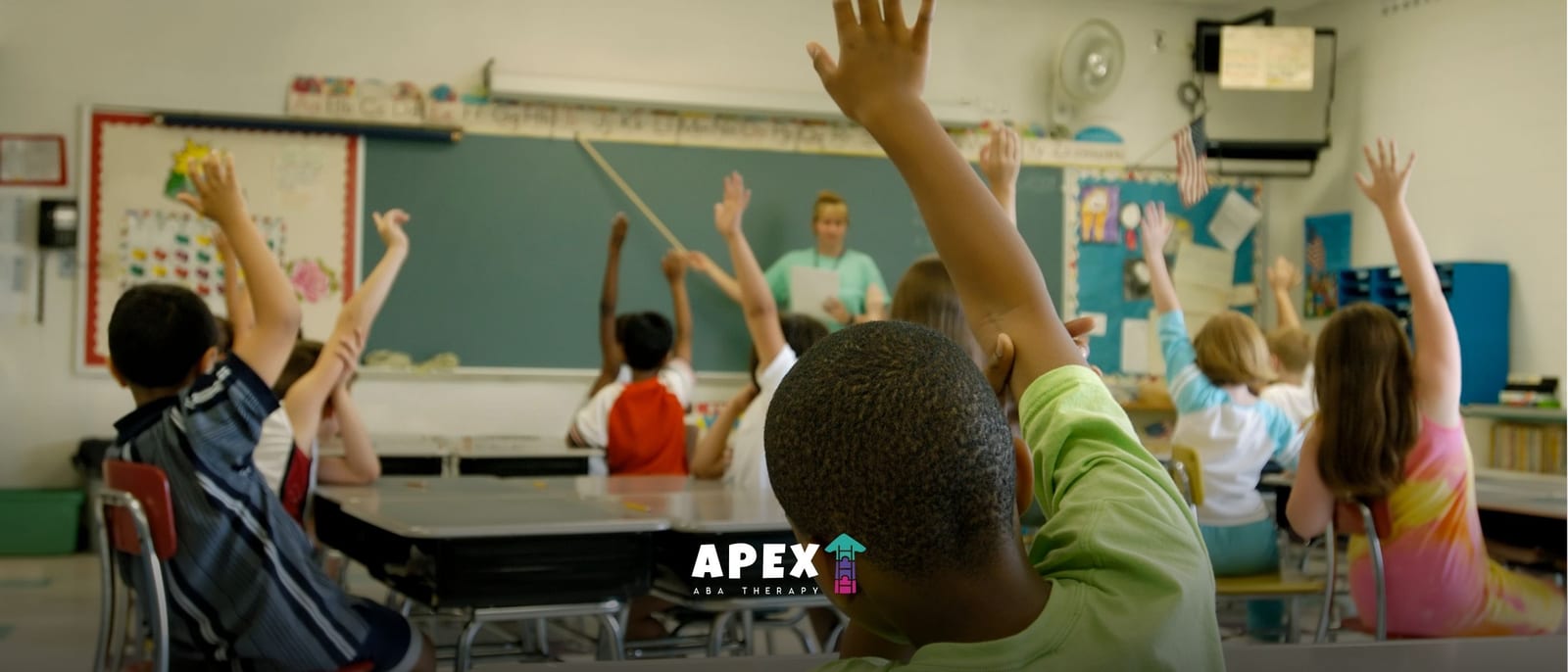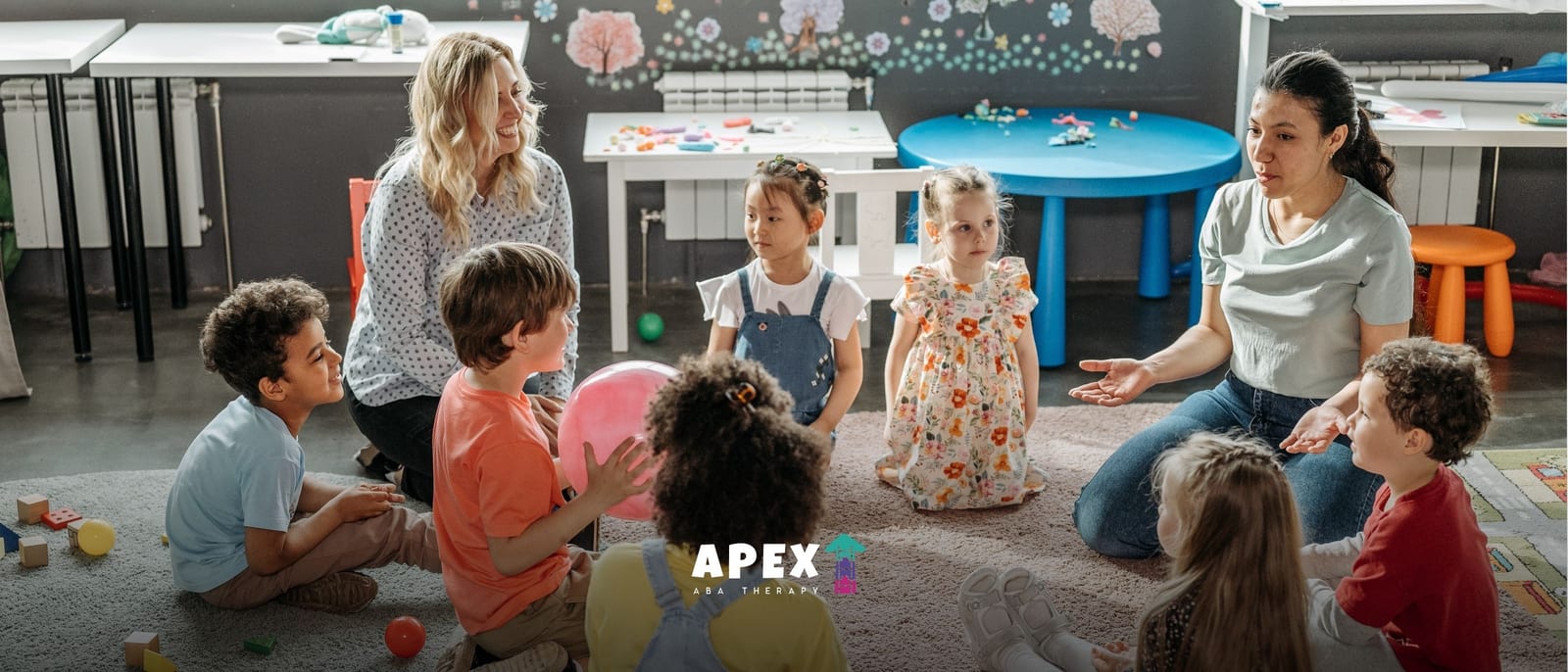
Autism-Friendly Classroom Strategies
Discover autism-friendly classroom strategies that support learning and inclusion for all students today!

Autism-Friendly Classroom Strategies
Understanding Autism in Classroom Settings
Understanding autism in classroom environments is crucial for implementing effective autism-friendly classroom strategies. Children with autism spectrum disorder (ASD) face unique challenges that can affect their learning experiences.
Challenges in Traditional Classrooms
Traditional classroom settings often present various challenges for students with autism. These challenges stem from difficulties in social interaction, communication, and sensory processing. Many students with ASD struggle with social skills, making it hard to recognize and respond to emotions, read nonverbal cues, and navigate social norms. Additionally, communication barriers may arise where a child is able to speak fluently but lacks social language skills needed to initiate and maintain conversations [2].
Other difficulties include:
| Challenge | Description |
|---|---|
| Social Interaction | Difficulty in engaging with peers and understanding social cues, which affects group work and friendship-building. |
| Communication | Challenges in initiating conversations, interpreting body language, and responding appropriately in social contexts. |
| Sensory Processing | Over- or under-sensitivity to sensory inputs, leading to discomfort or distractions in a stimulating classroom environment. |
| Routine Changes | Difficulty adapting to changes in schedules, classroom rules, or unexpected events. |
These issues create barriers to effective learning in a standard classroom setup, necessitating the need for tailored strategies.
Impact of Autism on Learning Needs
The impact of autism on learning needs is significant. Many students with ASD face challenges that are not rooted in cognitive ability but rather in their social-emotional and sensory processing skills. They may fixate on specific topics, struggle with information processing and sensory overload, and have trouble conforming to classroom rules or expectations [3].
Educational approaches must consider these factors and offer individualized support. This support can improve their engagement and success in a typical classroom environment. Key areas affected by autism include:
| Learning Need | Explanation |
|---|---|
| Social Skills | Developing competencies such as timing and attention, which are essential for successful peer interactions. |
| Communication | Addressing gaps in understanding conversational context and facilitating better communication strategies. |
| Sensory Integration | Creating an accommodating environment that lessens sensory overload and distractions. |
By recognizing these challenges and learning needs, educators and caregivers can work together to create a more inclusive and supportive educational landscape for children with autism. For further information on autism-friendly activities, visit our article on autism-friendly activities for kids.
Strategies for Creating Autism-Friendly Classrooms
Creating an autism-friendly classroom involves implementing targeted strategies that address the unique needs of autistic students. These strategies not only support their learning but also foster an inclusive environment for all students.
Preparing Autistic Students for Classroom Environment
Preparation is key in supporting students with autism as they transition into a classroom setting. It is recommended to engage in advance preparation, including familiarizing students with the classroom layout, routines, and expectations. This can involve a tour of the classroom, meeting with staff, and reviewing a visual schedule that outlines the day’s activities.
Creating a team of support staff can also ease the transition for autistic students, allowing for consistent support in navigating new environments and grade levels.
Using Visual Aids and Concrete Language
Visual aids and concrete language play a crucial role in communication and understanding for autistic students. Utilizing symbols, photos, and written words can enhance learning by making abstract concepts more tangible. Visual schedules can help students comprehend what to expect throughout the day and how to adapt to changes in routines.
Additionally, incorporating augmentative and alternative communication (AAC) tools can significantly benefit students who have difficulty with verbal communication, providing them with alternative means to express their thoughts and needs.
| Visual Aid Type | Description | Benefits |
|---|---|---|
| Symbols | Pictorial representations of concepts | Aids understanding and retention |
| Photos | Real-life images related to activities | Enhances relatability and recall |
| Written Words | Textual format of instructions or stories | Improves literacy and comprehension |
| Visual Schedules | Timed breakdown of daily activities | Reduces anxiety by providing predictability |
Establishing Routines and Allowing for Changes
Establishing consistent routines is vital for students with autism, as routines create a sense of stability and safety. Autistic students often thrive when they know what to expect, which can enhance their focus and learning. To teach adaptability, it is essential to practice making changes in a structured way—introducing transitions gradually while providing clear visual cues to prepare students for any modifications to their schedule.
When changes do occur, using a calm tone and patience can help in easing the anxiety associated with unexpected disruptions.
Incorporating these autism-friendly classroom strategies can create a supportive and nurturing environment for autistic children, promoting their growth and learning within the educational system. For more activities that support inclusivity, explore our article on autism-friendly activities for kids.
Addressing Sensory Sensitivities
Sensory sensitivities are often a significant aspect of the experience for children with autism. Understanding and addressing these sensitivities in the classroom can improve their learning experiences.
Sensory Processing Differences in Autistic Children
Research indicates that over 90% of individuals with autism experience some form of sensory processing difficulties. These can manifest as hypersensitivity or hyposensitivity to touch, sound, taste, and light [4].
Children may experience sensory processing disorder (SPD), which affects their ability to respond to sensory input appropriately. For example, they may become overwhelmed in crowded spaces or react adversely to everyday activities such as brushing their teeth or bathing. This can hinder their daily functioning and overall comfort in a school environment.
Additionally, sensory-seeking behaviors may occur. These can include touching everything within reach, chewing on non-food items, or seeking out intense flavors and loud noises to satisfy their sensory needs [4]. Recognizing these differences allows educators to tailor strategies that support these children's unique needs.
Classroom Accommodations for Sensory Challenges
Providing effective accommodations is essential for creating an inclusive environment for students with sensory sensitivities. Here are some recommended strategies:
| Accommodation Type | Description |
|---|---|
| Quiet Space | A designated area where students can take breaks when feeling overwhelmed. This space should be calming and free from distractions. |
| Visual Schedules | Clear visual schedules help students understand the structure of their day, reducing anxiety related to changes or transitions. |
| Flexible Seating Options | Alternating seating options, like stability balls or bean bags, can help students who need to move while they learn. |
| Movement Breaks | Incorporate regular breaks that allow students to engage in physical movement, which helps regulate sensory input and maintain focus. |
| Controlled Lighting | Using softer lighting instead of fluorescent lights can minimize distractions. Teachers should also be mindful of color schemes and patterns in the classroom environment, as these can impact children’s sensory experiences. |
By implementing these accommodations, educators can create a more inclusive atmosphere that considers the sensory processing differences of autistic children. This approach not only enhances the learning experiences but also supports their overall well-being in the classroom setting. For more insights into fostering an understanding of autism, consider exploring activities and discussions with children about autism, such as how to talk about autism to kids? or using autism-friendly activities for kids to promote engagement.
Enhancing Social Skills and Communication
Social Development for Students with Autism
Social development for students with autism encompasses a range of skills, including timing and attention, sensory integration, and communication. These skills can be developed and layered to enhance social competence, ultimately leading to increased interest and interaction. Students with autism often express a desire to interact with peers but may struggle with the necessary skills or could feel overwhelmed by social interactions. Some might be painfully aware of their social challenges and avoid interactions, even when they long to connect with others.
Communication Challenges and Solutions
Communication challenges faced by individuals on the autism spectrum can include difficulty in holding or starting conversations and understanding context or facial expressions [2]. While many children with autism may speak fluently, they can have significant difficulties with the social aspects of language. This includes knowing how to initiate and maintain a dialogue and interpreting meaning from body language [2].
To support communication, various strategies can be implemented:
| Communication Challenge | Solutions |
|---|---|
| Difficulty starting conversations | Teach specific greetings and conversation starters |
| Struggling to maintain dialogue | Use structured activities to practice turn-taking |
| Misunderstanding non-verbal cues | Educate on recognizing facial expressions and gestures |
| Challenges with processing verbal information | Implement visual supports such as symbols and pictures (The Spectrum) |
Visual aids are particularly useful. They can help individuals with autism learn language, process information, and enhance communication skills. Visual schedules can also provide students with clarity on upcoming activities and transitions, which is vital for reducing anxiety and improving social participation. For more autism-friendly activities that foster social skills, check out our article on autism-friendly activities for kids.
Building Supportive Classroom Environments
Creating an autism-friendly classroom environment requires collaboration among staff and significant accommodations tailored to the unique needs of autistic students. By fostering a supportive atmosphere, educators can help students thrive academically and socially.
Importance of Staff Collaboration
Collaboration among staff is critical in designing effective environments for autistic children. Teachers, aides, and specialists should work together to create a comprehensive support system. This collaborative approach not only ensures that the needs of autistic students are met more effectively but also allows for the sharing of strategies and resources.
Regular team meetings can facilitate the discussion of student progress, challenges, and effective interventions. Staff can share individualized strategies that work for different students and ensure a cohesive experience across various subjects and grades. Engaging with other professionals, such as occupational therapists, can also provide valuable insights on sensory needs and classroom management techniques for autistic students.
Providing Accommodations and Support
Classroom accommodations are essential for meeting the diverse needs of autistic students. Implementing strategies that benefit autistic children often enhances the overall classroom experience for all students. Common accommodations include:
| Accommodation Type | Description |
|---|---|
| Noise-Canceling Headphones | Minimizes auditory distractions for students sensitive to sound. |
| Dimmed Lights | Reduces visual overstimulation caused by harsh lighting. |
| Peer Mentors | Provides social support and guidance for autistic students in navigating classroom dynamics. |
| Extra Time | Allows students additional time for assignments and tasks, catering to their learning pace. |
| Weighted Blankets | Offers calming pressure for students who benefit from tactile stimulation. |
Some autistic individuals may require environments designed with the vestibular and proprioceptive senses in mind, as many face challenges with spatial awareness and may become overwhelmed in crowded or cluttered settings.
Factors such as lighting, color schemes, and clutter can significantly influence an autistic student’s comfort and ability to focus. For instance, fluorescent lighting may be distracting due to flickering, while thoughtfully chosen colors can either stimulate or soothe students.
Incorporating these accommodations can improve the overall learning experience and reduce potential disruptions caused by sensory overloads. Understanding individual preferences is vital, as each student has varying needs. For more ideas on supporting autistic children, consider exploring autism-friendly activities for kids.
By creating a collaborative environment with tailored accommodations, educators can foster an inclusive and supportive classroom that meets the diverse needs of students with autism.
Promoting Inclusivity and Flexibility
Creating a classroom environment that is both inclusive and flexible is essential for supporting students with autism. By implementing specific strategies, educators can foster a supportive atmosphere that encourages participation and learning for all students.
Designing Sensory-Friendly Classrooms
Sensory-friendly classrooms are specifically designed to accommodate the unique needs of students with sensory sensitivities. Such environments can significantly enhance the learning experiences of students with autism, ADHD, anxiety, and other processing differences [7].
Features of sensory-friendly classrooms include:
| Feature | Description |
|---|---|
| Soft Lighting | Reduces overstimulation from harsh lights |
| Tactile Areas | Incorporates DIY sensory walls and walks for tactile exploration (Sensory Friendly) |
| Quiet Zones | Designated areas for students to retreat when overwhelmed |
| Organized Spaces | Minimizes clutter to help students feel secure and focused (Living Autism) |
This type of environment supports self-regulation and enhances overall learning outcomes.
Incorporating Movement Breaks and Recess
Regular movement breaks are vital in sensory-friendly environments. These breaks provide opportunities for students with sensory sensitivities to refocus, release excess energy, and improve their engagement with learning tasks.
Implementing short breaks throughout the school day can benefit students in the following ways:
| Benefit | Explanation |
|---|---|
| Improved Concentration | Breaks help students recharge mentally |
| Social Interaction Opportunities | Students can engage and play with peers |
| Emotional Well-being | Reduces stress and promotes positive mental health |
Moreover, recess plays an essential role in sensory regulation. It allows students to decompress, interact socially, and return to classroom activities with improved focus.
Encouraging Flexibility for Diverse Learning Styles
Recognizing that each student has unique learning preferences is crucial for promoting inclusivity. Flexibility in teaching methods and classroom layouts can accommodate various learning styles and needs. Some strategies include:
- Differentiated Instruction: Tailoring lessons to meet individual student needs, whether visual, auditory, or kinesthetic.
- Flexible Workspaces: Creating spaces with various seating options and workstations that cater to different preferences.
- Utilizing Technology: Incorporating tools that aid in learning, such as tablets and interactive whiteboards, which can provide varied engagement methods [8].
By fostering an environment that embraces flexibility and considers diverse learning styles, educators can create a more inclusive classroom that benefits all students, particularly those with autism.
References
Frequently Asked Questions
.jpg)
Autism And Bed Wetting: Unlocking Solutions
Explore the connection between autism and bedwetting and find practical insights and solutions for parents and caregivers. Discover how understanding and support can make a difference in managing this common challenge for children and individuals on the autism spectrum.

Proven Examples of Smart Goals for Students with Autism
Unlock the potential of students with autism through proven examples of SMART goals. Set them up for success!
.jpg)
What is the Sensory Processing Disorder ICD-10 Code?
If you or someone you know has been diagnosed with Sensory Processing Disorder (SPD), you may have heard of the ICD-10 code. In this article, we'll explain what the SPD ICD-10 code is, what it means, and why it's important.

Understanding Vestibular Stimming in Autism
Demystifying vestibular stimming in autism: Understand the impact, strategies, and support for individuals. Uncover the power of self-regulation through stimming.

Do Amish Kids Get Autism?
Explore the prevalence of autism in Amish children and uncover the factors that may contribute to this phenomenon. Delve into the unique characteristics of Amish communities and their impact on autism rates.

Breaking Barriers: Free Sensory Toys for Autism That Make a Difference
Discover life-changing free sensory toys for autism! Unlock the power of sensory play for children with autism.

Famous People Thriving with Autism or Aspergers Syndrome
Discover the extraordinary journeys of famous people thriving with autism and Asperger's syndrome. Unveil the inspiring stories of icons who break stereotypes.

IEP Goals for Autism: Ultimate Guide
Unlock the potential: Constructing meaningful IEP goals for autism to support your child's growth and development. Discover strategies and examples!

Young Celebrities with Autism
Discover inspiring young celebrities with autism and their journeys in entertainment and advocacy.
.jpg)
Autism Hand Posturing: Causes, Types, and Management
Autism hand posturing refers to repetitive and often purposeless movements or postures of the hands and fingers seen in individuals with autism. These movements range from simple hand flapping to more complex finger twisting and tapping.

Distinguishing ADHD vs Autism Stimming
ADHD stimming vs autism stimming: Discover the motivations and characteristics behind these behaviors in individuals.

Addressing Rigid Thinking in Autism
Unlocking flexibility in autism! Discover strategies, therapy, and tools to address rigid thinking for a brighter future.

DSM 6 Release Date Revealed
Unlock the future with DSM-6! Discover the release date and anticipated changes in the mental health landscape.

Why Do Autistic People Rock?
Uncover insights with empathy, exploring the diverse ways rocking serves as a coping mechanism and sensory regulation for individuals on the autism spectrum. Join us in celebrating the beauty of neurodiversity, fostering understanding and appreciation for this distinctive aspect of autistic experience.

Signs Your Toddler Is Not Autistic
Discover reassuring signs that your toddler may not be autistic in this human-centered guide. Explore the joy of your child's unique developmental journey, celebrating their social engagement and communication skills.
.jpg)
Facial Features & Physical Characteristics Of Autism
Some researchers believe that these physical characteristics are related to the underlying neurological differences in individuals with autism.

The Three Main Causes of Autism: Exploring Genetics, Environment, and Brain Differences
Autism is influenced by genetics, environmental factors, and brain differences. Learn how these three causes contribute to the development of the condition.

What are the Common Behaviors of Autism?
Autism behaviors can vary widely. Learn about the most common traits, from social difficulties to sensory sensitivities, and how ABA therapy can support progress.

What Age is Too Late for ABA Therapy?
It’s never too late to start ABA therapy. Discover how children, teens, and adults can still make meaningful progress with personalized ABA support.

Is In-Home ABA the Right Fit for Your Child? Here’s What You Need to Know
In-home ABA therapy offers a tailored approach to support your child’s development. Learn how it can improve key skills like communication, social interaction, and more.

How Families Can Make ABA Therapy a Positive and Successful Experience
Learn how families can ensure ABA therapy is a positive, successful experience. Discover tips for involvement, consistency, and support to make ABA effective.

Can a Child Have Autism and Still Talk Normally?

What Are the Red Flags for Autism in a 2-Year-Old?
Autism Red Flags in 2-Year-Old Children | Apex ABA

Is Autism a Lifelong Condition?
Is Autism a Lifelong Condition? Understanding The Journey

Best Age to Start ABA Therapy & What Parents Should Know
Best Age to Begin ABA Therapy for Children | Apex ABA

What’s the Difference Between High-Functioning Autism and Asperger’s?
Difference Between High-Functioning Autism and Asperger’s

ABA Therapy Enhancing Social Skills: A Key to Improved Communication and Interaction for Children with Autism
How ABA Therapy Helps Children Build Social Skills

Misconceptions About ABA Therapy: Clearing Up the Myths
Common Misconceptions About ABA Therapy | Apex ABA

What Does It Mean to Be “On the Spectrum”?
What Does It Mean to Be on the Autism Spectrum? | Apex ABA

Understanding the Power of Functional Behavior Assessment ABA
Effective ABA Techniques for Behavioral Intervention

Discover How ABA Helps ADHD in Your Child’s Life
How ABA Therapy Helps Children with ADHD | Apex ABA

Life-Changing ABA Therapy Case Studies You Need to Know
Real Success Stories from ABA Therapy Journeys | Apex ABA

Can Children “Outgrow” Autism?
Can Children Outgrow Autism? Understanding the Facts

Is Autism a Mental Illness or a Developmental Disorder?
Mental Illness or Developmental Disorder Explained

Is Autism More Common in Boys Than Girls?
Autism in Boys vs Girls: What the Research Reveals

What is the Difference Between Autism and Sensory Processing Disorder?
Autism vs Sensory Processing Disorder Differences | Apex ABA

What's the Difference Between Autism and Speech Delay?
Autism vs Speech Delay & Key Differences Explained | Apex

ABA Therapy in North Carolina: A Complete Guide for Families
Learn everything about ABA therapy in North Carolina, including services, costs, insurance coverage, and how to choose the best ABA provider in North Carolina.

ABA Therapy vs Preschool: Making the Right Choice Explained
Learn the key differences between ABA therapy and preschool to help you choose the best option for supporting your child’s early learning and development.

Which Personality Type Is Most Likely to Be Autistic?
Which Personality Type Is Most Likely to Be Autistic? | Apex ABA

Why Consistency Matters: What Happens If ABA Therapy Ends Prematurely
What Happens If ABA Therapy Is Stopped Too Early? | Apex ABA

How Can You Gain an Autistic Person’s Attention? Tips for Meaningful Connection
How Can You Gain an Autistic Person’s Attention?

Sensory Sensitivity and Sixth Sense: What Autism Research Shows
Do Autistic People Have Sixth Sense? | Apex ABA

What Happens If Autism Is Left Untreated?
Can Autism Get Worse If Untreated? | Apex ABA

What Not To Do With An Autistic Child: Avoid These 10 Mistakes
What Not To Do With An Autistic Child? | Apex ABA

Coping with Regressive Autism: Tips for Parents
What is Regressive Autism? | Apex ABA

Do Autistic Kids Live with Parents Forever? Here’s the Reality
Do autistic kids live with parents forever? Discover the facts about independence and living arrangements in autism with expert-backed insights.

Red Flags in ABA Therapy: What Parents Must Watch For
What are the red flags in ABA therapy? Learn to identify warning signs for safe, effective autism treatment in this blog.

Can You Go from Level 3 Autism to Level 1? Is It Possible?
Can you go from level 3 autism to level 1? Learn about progress, therapy, and support options with expert help from Apex ABA.

Autism vs Introversion: How to Tell the Difference
Is it autism or just introversion? Learn the key differences and signs with expert insights from Apex ABA.

ABA for Managing Transitions: Tips to Ease Change for Kids
Learn how ABA for managing transitions helps children with autism handle change smoothly.

Understanding the 7 Dimensions of ABA for Better Outcomes
Discover the 7 Dimensions of ABA and how they can lead to better outcomes.

5 Unique Autistic Love Languages You Should Know About
Discover the 5 unique autistic love languages that can enhance your relationships.

Transforming Futures: Improving Lives of Kids with Autism
Discover how innovative strategies are focused on improving lives of kids with autism.

ABA Therapy Techniques for Addressing Repetitive Behaviors in Autism
Harnessing ABA Strategies to Tackle Repetitive Behaviors in Autism

The Role of ABA Therapy in Enhancing Communication Skills
Transforming Communication for Children with Autism Through ABA Therapy

How ABA Therapy Supports Effective Communication in Nonverbal Children
Unlocking Speech Through ABA: Transformative Paths for Nonverbal Children

How to Help Your Child Transfer Skills Learned in ABA Therapy to Real Life
Unlocking Real-World Success for Children in ABA Therapy

How ABA Therapy Helps Children Develop Better Organizational Skills
Empowering Children with ABA Therapy for Enhanced Organizational Skills

The Importance of Creating a Structured Routine in ABA Therapy
How Structured Routines Transform ABA Therapy for Autism

The Role of ABA Therapy in Developing Conflict Resolution Skills
How ABA Therapy Transforms Conflict Resolution Competence

The Importance of Generalization in ABA Therapy for Autism
Unraveling the Role of Generalization in Enhancing ABA Therapy Outcomes

Why ABA Therapy is Crucial for Parents of Children with Autism
The Transformative Impact of ABA Therapy on Families with Autistic Children

How to Involve Parents in the ABA Therapy Process
Maximize Parent Engagement in ABA Therapy for Better Outcomes

What are the Core Principles of ABA Therapy?
Exploring the Cornerstones of Applied Behavior Analysis

Why Communication is Key in ABA Therapy for Autism
The Crucial Role of Communication in ABA Therapy for Autism

Why ABA Therapy Works for Children with Autism Regardless of Severity
Effective ABA Interventions for All Levels of Autism

Why It’s Important to Maintain a Balanced Approach to ABA Therapy
Balancing Effectiveness and Ethics in ABA Therapy

The Role of ABA Therapy in Developing Adaptive Behavior Skills
Exploring How ABA Therapy Transforms Lives

The Benefits of Combining ABA Therapy with Speech Therapy
Maximizing Development with Integrated Therapy Approaches

What to Expect During an ABA Therapy Session
Demystifying ABA Therapy Sessions: A Comprehensive Overview

How ABA Therapy Enhances Cognitive Functioning in Children with Autism
Exploring the Influence of Applied Behavior Analysis on Autism Cognition

How ABA Therapy Helps Children with Autism with Transitions Between Activities
Easing Transitions for Children with Autism: The Role of ABA Therapy

How to Foster Cooperation Between Parents and Therapists in ABA Therapy
Building Effective Partnerships in ABA Therapy

The Role of Positive Reinforcement in ABA Therapy
Exploring the Impact of Positive Reinforcement in Modern ABA Therapy

Why ABA Therapy is Effective for Children of All Ages
Understanding the Reach and Impact of ABA Therapy Across Age Groups

How to Support Your Child’s Emotional Growth with ABA Therapy
Harnessing ABA Therapy for Enhancing Emotional Development in Children with Autism

The Role of ABA Therapy in Enhancing Peer Relationships for Children with Autism
Harnessing ABA Therapy to Boost Social Connections Among Autistic Children

How to Overcome Common Challenges in ABA Therapy
Navigating Hurdles in ABA Therapy: Strategies and Solutions

How to Manage Behavioral Expectations with ABA Therapy
Understanding Applied Behavior Analysis in Behavioral Management

How ABA Therapy Promotes Emotional Regulation in Children with Autism
Unlocking Emotional Balance: ABA Therapy's Role in Autism

How ABA Therapy Improves Social Skills in Children with Autism
Harnessing ABA Therapy to Enhance Social Competency in Autistic Children

The Role of ABA Therapy in Classroom Success for Children with Autism
Harnessing ABA for Academic and Social Growth in Autism

The Importance of Evaluating and Revising ABA Therapy Goals Regularly
Regular Evaluations: The Cornerstone of ABA Therapy Success

How to Choose the Right ABA Therapy Program for Your Child
Finding the Perfect ABA Therapy Fit for Your Child

The Role of Behavior Analysts in Implementing ABA Therapy
Understanding the Vital Contributions of Behavior Analysts in ABA Therapy

The Role of RBTs (Registered Behavior Technicians) in ABA Therapy
A Closer Look at the Essential Work of RBTs in ABA Therapy

What Makes ABA Therapy Effective for Different Learning Styles?
Unraveling the Flexibility and Effectiveness of ABA Therapy

Understanding the Importance of Data Collection in ABA Therapy
The Role of Data in Shaping Effective ABA Therapy

How ABA Therapy Helps with Toilet Training in Children with Autism
Unlocking Independence: ABA's Role in Autism Toilet Training

The Importance of Encouraging Natural Play in ABA Therapy
Revolutionizing ABA Therapy with Natural Play

How to Make the Most of ABA Therapy at Home
Enhancing ABA Therapy Practices Within Your Home

How to Make ABA Therapy Fun and Engaging for Children with Autism
Transforming ABA Therapy into a Fun Learning Journey

The Role of ABA Therapy in Addressing Verbal and Nonverbal Communication in Autism
Enhancing Communication Skills in Autism Through ABA Therapy

Understanding the Role of Family in ABA Therapy for Autism
The Crucial Impact of Family Engagement in Autism Therapy

How to Handle Setbacks and Challenges in ABA Therapy
Navigating Difficulties and Setbacks in ABA Therapy for Children

How ABA Therapy Can Help Children Build Stronger Relationships with Peers
Unpacking the Influence of ABA Therapy on Peer Relationships in Children

Understanding the Concept of Shaping in ABA Therapy
Demystifying Shaping Techniques in Applied Behavior Analysis

How ABA Therapy Enhances Independent Living Skills in Autism
Unlocking Independence: The Role of ABA Therapy in Autism
.jpg)
90+ Reading Statistics, Facts and Demographics
In this article, we will dive into 60 reading statistics that shed light on the importance of reading and its impact on different aspects of life.