


Engaging Water Play Activities for Autism: Sensory Benefits & Examples
Explore water play activities for autism with sensory benefits, skill-building ideas, and how water helps regulation, motor skills, and social growth.
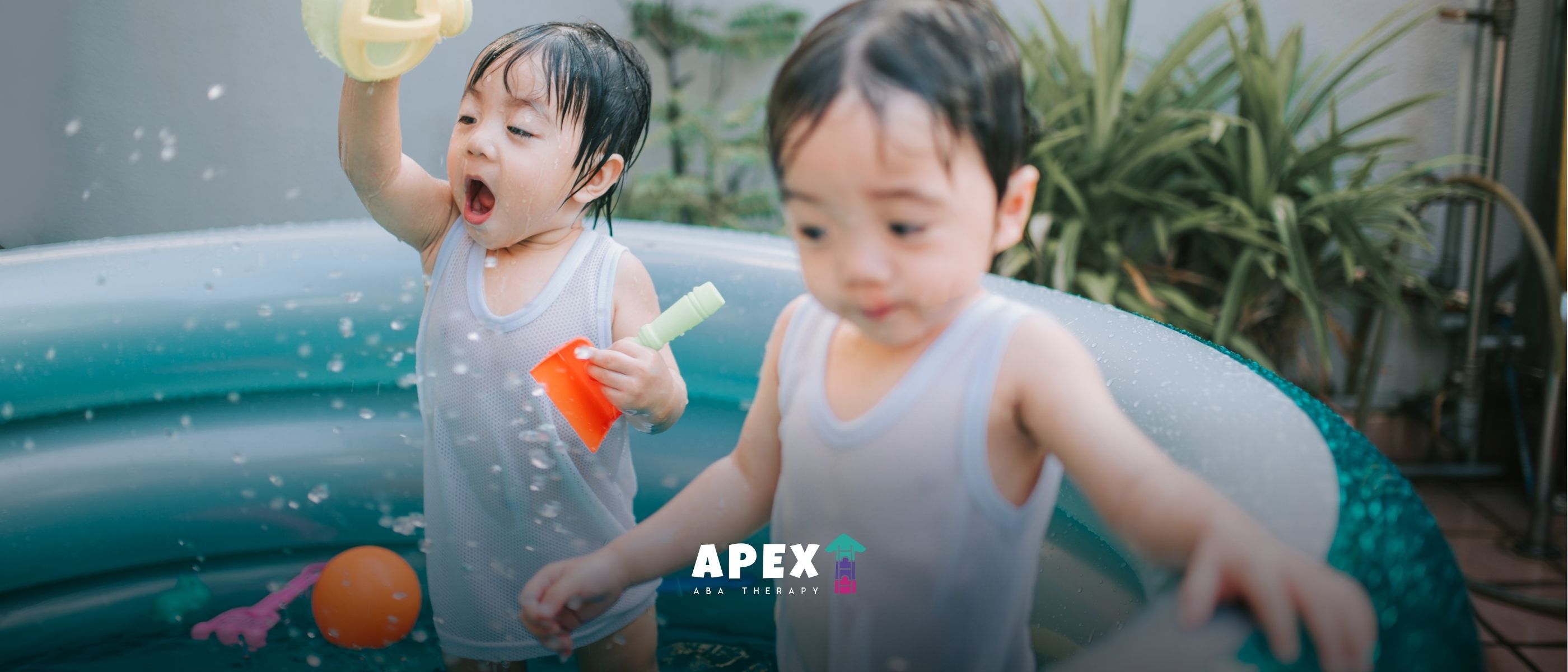
Engaging Water Play Activities for Autism: Sensory Benefits & Examples

Water play activities for autism provide rich sensory experiences that can support emotional regulation, sensory integration, motor skills, cognitive development, and social interaction. Water offers predictable sensory input and a calming effect that many children on the autism spectrum respond to positively. Structured water play — whether at a water table, bath, or pool — can be both fun and therapeutic.
Why Water Play Works for Autism
Water engages multiple senses simultaneously. Children feel the tactile sensation of water on their skin, hear the sounds of splashing, and see reflections and movements. This rich sensory experience can help autistic children regulate their sensory systems, which supports attention and self-regulation.
Research on aquatic and water-based activities also suggests they can support social and motor skills. Aquatic interventions have been linked to improvements in motor functioning and may reduce behaviors related to sensory overload.
Core Benefits of Water Play Activities for Autism
1. Sensory Regulation and Calming
Water’s consistent temperature, pressure, and motion provide calming, sensory-rich input. Many children with autism find water soothing due to predictable behavior and sensory feedback.
2. Support for Motor Skills
Pouring, splashing, scooping, and moving through water help build fine and gross motor control. Interactive water activities encourage hand-eye coordination and strength building.
3. Cognitive Development
Water play encourages experimentation and problem solving — like observing how objects float or sink, mixing colors, or transferring water between containers. These experiences promote curiosity and cognitive engagement.
4. Social Interaction
Water play can be done alone or with peers or caregivers. Structured water activities encourage sharing tools, turn-taking, and cooperative play, strengthening social communication skills.
Examples of Water Play Activities
Sensory Water Table Play
Set up a shallow bin or water table with warm water and a variety of objects. Provide cups, funnels, spoons, sponges, and toys. Encourage the child to pour, scoop, and explore textures.
Pouring and Transferring Games
Use containers of different sizes and weights. Pouring water from one to another teaches control and cause-and-effect while engaging sensory input.
Floating and Catching Toys
Fill a tub or shallow pool with floating toys. Give tools like nets or ladles to “catch” floating objects. This promotes hand-eye coordination and focused play.
Exploring Temperature and Texture
Set up two tubs — one with warm water and one with cool water. Include sponges, stones, or textured objects to enhance tactile exploration. Be mindful of comfort and safety.
Bubbles and Sensory Bubble Play
Adding bubbles enhances tactile and visual sensory input. Some children enjoy popping bubbles, blowing them, or watching them float.
Water Play and Safety Considerations
Research shows that children on the autism spectrum may have limited water competency and higher risk around water environments. Teaching swim and water safety skills is essential and should be paired with supervision at all times.
Structured aquatic programs designed for children with autism — like adapted swim lessons or aquatic therapy — can improve both water safety and self-confidence.
Real Experience from Practice
At Apex ABA, we incorporate water play into sensory and communication goals when appropriate. Many families report that children are more engaged and focused during water play than other activities. Parents often notice calmer responses and longer attention spans when water play is introduced with structure and clear expectations.
Conclusion — Your Next Step
Water play activities for autism offer a versatile way to support sensory regulation, motor development, cognitive growth, and social skills. Water’s unique sensory environment can help children explore, learn, and self-regulate while having a positive, meaningful experience.
To design water play activities tailored to your child’s sensory profile and developmental goals, schedule a sensory play consultation with Apex ABA today. Our team will build structured water-based strategies that promote calm regulation, engagement, and skill development in ways that fit your child’s strengths.
Sources:
Frequently Asked Questions
How can I make water play safe for a child with autism?
Always supervise water play, even with shallow water, and tailor activities to your child’s comfort and skill level. Use visual supports or social stories to prepare children for new water experiences. If near deeper water (like pools), consider swim lessons, life jackets, fences, and careful planning to prevent wandering or elopement to water.
What tools or toys help with water play?
Water tables, bins with cups and spoons, floating toys, bubbles, sponges, and spray bottles are common tools that add sensory variety. You can also include ice cubes, food coloring, and textured items to expand tactile and visual input.
Can water play help with communication and social skills?
Yes. Water play creates natural opportunities to practice communication and social engagement. Pouring and scooping games encourage back-and-forth interaction, turn-taking, and labeling objects, which supports conversation and shared focus during play.
Is water play appropriate for all ages and abilities?
Yes. Water play activities can be adapted for toddlers through teens, and even adults, by adjusting the complexity and goals. Simple water tables and sensory bins work for young children, while structured pool games or aquatic movement activities can benefit older kids.
Can water play be part of ABA therapy?
Yes. Water play activities for autism can be integrated into ABA therapy to work on specific goals like communication, motor skills, cooperation, and sensory tolerance. Therapists can use prompts, reinforcement, and structured routines in water play to target developmental objectives.

More posts you’ll enjoy
ABA vs. ABAB Design in Applied Behavior Analysis: The Real Difference
Discover the differences: ABA vs. ABAB design in applied behavior analysis. Unveiling the methods behind effective interventions.
ABA Strategies for Teens' Social Skills: A Complete Guide for Parents
Discover how ABA in teen social skills enhances communication and builds lasting relationships for youth.

Social Validity in ABA: What It Is and Why It Matters
If you're familiar with Applied Behavior Analysis (ABA), you may have heard the term "social validity" before. But what exactly does it mean, and why is it important in ABA?