How to Communicate Autism to Kids?
Learn how to talk about autism to kids with clarity and compassion for better understanding and empathy.

Understanding Autism in Children
Understanding autism in children is crucial for parents and caregivers. It enables them to foster a nurturing environment while providing the necessary support to their children.
Importance of Early Education
Teaching children about autism at a young age is essential. Early education helps them understand and accept their Autistic peers and themselves if they are on the Autism spectrum. Learning focused on autism can be facilitated through various methods, including reading books with Autistic characters, picture books, and stories authored by Autistic individuals. This approach allows children of varying educational levels to engage and learn about autism effectively.
Statistics on Autism Prevalence
The prevalence of autism is significant, with recent statistics indicating that one in 36 children in the United States is diagnosed with autism. This reflects a growing awareness and better diagnostic practices. Moreover, more children with autism are enrolled in general education classrooms compared to previous years.
YearPrevalence Rate20201 in 54 children20231 in 36 children
This increase underscores the importance of inclusion and awareness, as inclusion has been shown to improve educational outcomes, attitudes towards diversity, and overall school attendance rates [2].
Understanding autism through early communication and education plays a vital role in creating supportive environments, mitigating challenges, and enhancing the overall development of children on the autism spectrum.
Inclusive Education for Autism
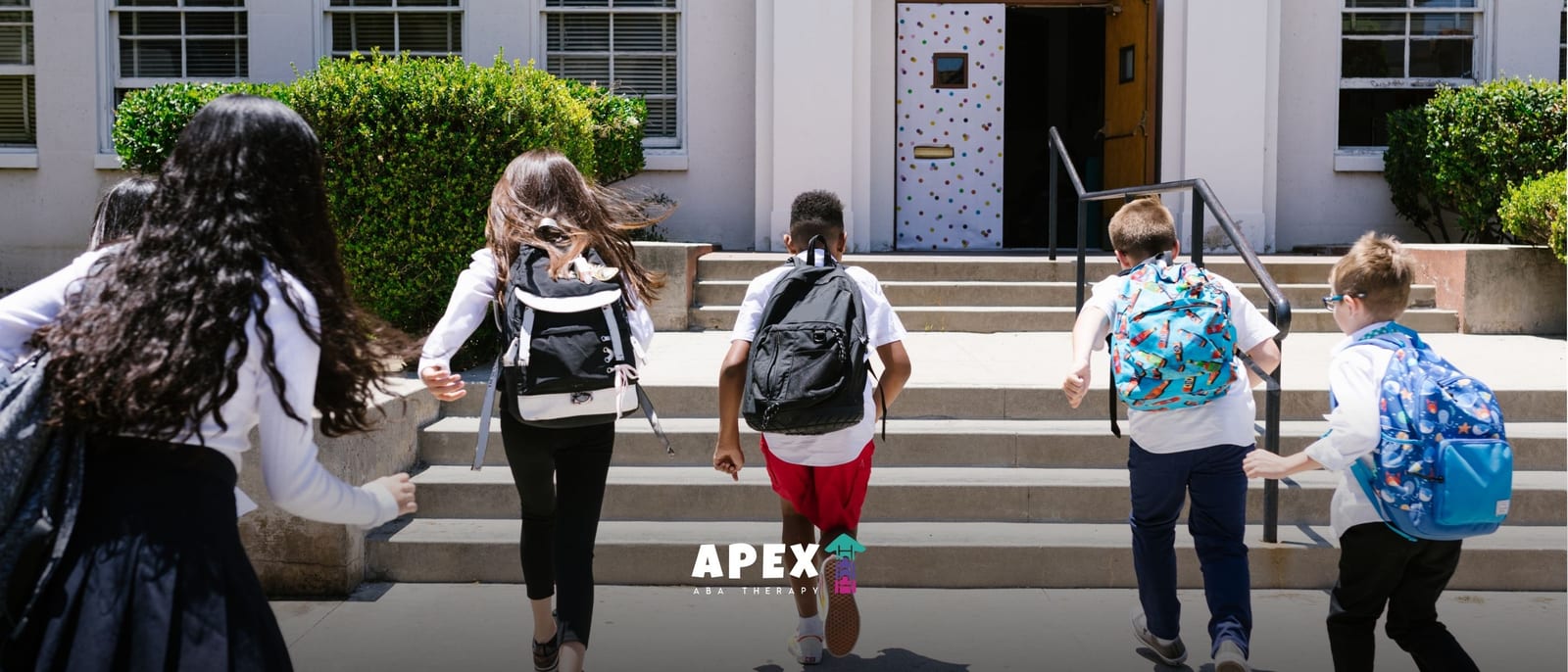
Inclusive education plays a vital role in supporting children with autism and ensuring that they have access to the same learning opportunities as their peers. This section outlines the benefits of inclusion as well as the challenges faced in general education settings.
Benefits of Inclusion
Inclusion in the classroom has multiple advantages, not just for students with autism, but for all students. Research indicates that when students with autism are included in general education settings, educational outcomes improve significantly. The inclusion model promotes overall positive attitudes toward diversity and enhances school attendance rates [2].
BenefitDescriptionImproved academic performanceStudents with autism often perform better academically when included in regular classrooms with appropriate supports.Enhanced social skillsExposure to a diverse peer group helps students with autism develop essential social skills through real-life interactions.Greater empathy among peersInclusion fosters understanding and compassion among all students, leading to more supportive school environments.Increased participationStudents feel more motivated and engaged when they are part of a larger group, contributing to their sense of belonging.
Challenges in General Education
While inclusion offers many benefits, it is not without challenges. Many general education teachers report feeling unprepared to meet the unique needs of students with autism due to insufficient training. Most teacher-education programs require only a single overview class on disabilities, leaving educators ill-equipped [2].
ChallengeDescriptionLack of training in autismMany teachers have limited knowledge or experience in teaching students with autism, which can hinder effective instruction.Need for individualized supportsEach student with autism has different needs, requiring tailored supports that may not always be available in the classroom setting.Difficulty adapting lesson plansTeachers may struggle to adapt their curriculum to accommodate diverse learning styles, particularly for those with autism.Resource constraintsSchools may face limitations in resources necessary for creating an inclusive environment, such as additional staff or materials.
Creating inclusive classrooms involves flexibility and understanding, especially for students with autism who may struggle with traditional settings. Adjusting lesson plans, providing focused choices, incorporating sensory-friendly elements, and building in breaks are strategies that can enhance the inclusiveness of the classroom.
To further support understanding and empathy among peers regarding autism, it is important to teach children about kindness and patience, emphasizing the value of accepting differences [4].
Classroom Strategies for Autism
Implementing effective strategies in the classroom is essential to ensure that children with autism can thrive. This section discusses three critical strategies: seating arrangements, social skills interventions, and structured routines.
Seating Arrangements
Seating arrangements play a crucial role in supporting children with autism. An inclusive environment should consider the individual needs of each student, especially those who may experience sensory overload or difficulty concentrating in a traditional setup. Teachers can create flexible seating options that allow for various preferences, such as:
Seating TypeBenefitsDesk ClustersFacilitates group work and collaborationQuiet CornersProvides a space for students to retreat when overwhelmedAdaptable SeatingEnhances comfort and support for individual learning styles
According to Autism Parenting Magazine, teachers should also incorporate sensory-friendly elements in seating arrangements to help create a comfortable learning environment.
Social Skills Interventions
Social skills interventions are vital for enhancing the interaction capabilities of children on the autism spectrum. Utilizing intervention packages that include techniques such as teaching social stories can significantly boost participation and appropriate social behaviors. Research indicates that these methods can lead to positive changes lasting up to ten months, enabling many children to work independently [3].
Key components of social skills interventions may include:
- Role-playing exercises to practice social interactions
- Group activities designed to encourage teamwork
- Consistent feedback and reinforcement to promote positive behaviors
Implementing these strategies helps children develop essential social skills and foster more meaningful connections with their peers.
Structured Routines
Children with autism typically thrive in structured environments. They often prefer routine, which can help reduce anxiety and enhance their learning. Establishing a clear, predictable schedule allows students to anticipate transitions and improves their overall comfort in the classroom setting.
A sample structured routine might include:
TimeActivity9:00 - 9:30 AMMorning Circle9:30 - 10:00 AMLanguage Arts10:00 - 10:15 AMBreak10:15 - 11:00 AMMath11:00 - 11:30 AMFree Play11:30 - 12:00 PMLunch
By providing a structured routine and incorporating breaks to accommodate sensory needs, teachers can create a stable, comforting atmosphere for children with autism. For further information on developing effective strategies in an autism-friendly classroom, please refer to our article on autism-friendly classroom strategies.
Communication Tools for Autism
Effective communication is essential for understanding autism, especially when explaining it to children. Various tools can aid in fostering communication and comprehension for kids on the autism spectrum.
Visual Aids
Visual aids are particularly useful for many children with autism, as they often demonstrate a preference for visual information compared to verbal instructions. Tools such as charts, images, and diagrams can help convey important concepts. One effective tool is the Picture Exchange System (PES), which assists nonverbal children in learning how to communicate through visuals. These tools play a crucial role in creating inclusive classrooms, helping to bridge communication gaps [3].
Type of Visual AidDescriptionBenefitsChartsGraphical representations of informationSimplifies complex conceptsImagesPictures that illustrate ideasEnhances understanding through visualsDiagramsVisual layouts showing relationshipsClarifies processes and sequences
Social Stories
Social stories are tailored narratives that describe social situations and expected behaviors. They have been shown to enhance participation and improve appropriate social behaviors in autistic children, with evidence of positive impacts lasting for at least ten months [3]. These stories allow caregivers and educators to frame conversations about autism-related topics in a way children can understand clearly.
Element of a Social StoryPurposeClear ExplanationsHelps children understand complex ideasPositive LanguageReinforces good behavior and expectationsTailored ContentAddresses specific situations unique to the child
Picture Exchange System
The Picture Exchange System is an effective communication method that enables children to utilize pictures to express their needs and wants. This method is particularly beneficial for nonverbal children, allowing them to communicate effectively without relying on spoken words. By using this system, children can exchange pictures for desired items or actions, which fosters independence and interaction in various settings. This approach is essential in maintaining inclusion within the classroom and supports autism-friendly strategies for effective communication.
Steps in PESDescriptionSelect PicturesChoose images representing needs and itemsTraining ChildTeach child how to use and exchange imagesPractice in Real SituationsEncourage use of pictures in daily interactions
Using these communication tools not only helps children with autism express themselves but also aids parents and caregivers in discussing autism in a child-friendly manner. For additional resources on fostering understanding and empathy, consider exploring related topics such as autism and emotional intelligence or autism-friendly activities for kids.
Tailoring Support for Individuals
Supporting individuals with autism requires recognizing their unique abilities and needs. Each autistic person has distinct strengths, interests, and challenges that shape their experiences and interactions.
Unique Abilities and Needs
Individuals on the autism spectrum exhibit a wide range of abilities. Many have exceptional skills in areas like mathematics, art, technology, or music. It is important to acknowledge these strengths while providing tailored support for their challenges. Communication styles can differ greatly among individuals with autism, impacting how they express emotions and interact socially.
AreaDescriptionStrengthsExceptional skills in subjects like math, art, music, etc.CommunicationVaried styles; some may excel in non-verbal expression.Sensory NeedsSensitivity to sounds, lights, and textures can differ widely.Emotional ExpressionIndividuals may have difficulty in expressing emotions clearly.
Responding to these unique needs involves developing individualized support strategies. Active listening and patience are crucial for understanding their perspectives and helping them navigate challenges.
Embracing Differences
Embracing the differences of individuals with autism fosters a welcoming environment where they can thrive. Engaging in open discussions about autism can eliminate stigma and promote empathy among peers. Instead of treating autism as a taboo subject, parents and caregivers should encourage children to ask questions and learn about it clearly and honestly [4].
Describing autism spectrum disorder (ASD) as a different kind of disability helps children understand that some individuals may need extra support. This understanding builds a foundation of empathy and cooperation among peers [6].
Inclusive educational settings can enhance learning experiences for students on the spectrum. Flexibility in lesson plans, creating sensory-friendly spaces, and incorporating breaks helps accommodate diverse needs in the classroom [3].
These approaches ensure that support is not only personalized but also welcomes and respects the individuality of each person with autism. For more tips on engaging with children about autism, consider exploring our resources on autism-friendly activities for kids, or autism and emotional intelligence.
Talking to Children about Autism
Explaining autism to children requires thoughtful approaches tailored to their developmental levels. This section covers effective strategies including age-appropriate explanations, fostering understanding and empathy, and the use of positive reinforcement.
Age-Appropriate Explanations
Experts recommend using clear and age-appropriate language when discussing autism with children. For elementary school-aged children, a simple explanation could be, "He has autism. It’s not something you can catch; it is something that some people are born with. Autism affects how the brain works and can make it difficult for some people to talk, understand others, make friends, or calm down when they feel worried or stressed".
When providing information, it’s beneficial to focus on the positive aspects of autism, such as the child’s unique interests or strengths. This positive framing can lead to more constructive conversations about the diagnosis, helping children appreciate the diversity of experiences in the world.
Fostering Understanding and Empathy
To cultivate understanding and compassion, it is essential to emphasize the importance of manners when discussing autism. Encouraging children to be patient, kind, and understanding toward others who behave differently fosters empathy and compassion.
Parents can guide children by explaining that autism is a different kind of disability where some individuals may need extra help with certain things. This perspective allows children to better comprehend the challenges faced by those on the autism spectrum and helps normalize conversations about differences.
Using resources such as autism-friendly activities for kids and books specifically addressing autism can also enhance children’s understanding. Picture books provide an accessible way for children to grasp the concept and emotions tied to autism, making these discussions easier and more relatable [4].
Using Positive Reinforcement
Incorporating positive reinforcement during these discussions can significantly enhance a child’s emotional response. It is important for children to know that they are supported by their parents, family members, teachers, and therapists. Highlighting that these supportive figures will help them navigate challenges and celebrate successes fosters a nurturing environment.
Parents should aim to recognize and reward children’s efforts to understand their peers with autism. Affirmative statements or small rewards can make the learning process about empathy and kindness more engaging and impactful. Empowering children with the notion that they can be allies creates a more inclusive atmosphere within their communities.
By utilizing these strategies, parents and caregivers can effectively communicate about autism, helping children develop a respectful and compassionate perspective.
References
[1]: https://autismsociety.org/childrens-book-list-learn-about-autism/[2]: https://www.autismspeaks.org/blog/how-general-education-teachers-can-support-students-asd[3]: https://www.autismparentingmagazine.com/ways-to-build-inclusive-classroom/[4]: https://www.werockthespectrumkidsgym.com/how-to-explain-autism-to-children/[5]: https://www.autism.org.au/what-is-autism/common-misconceptions/[6]: https://www.kennedykrieger.org/stories/interactive-autism-network-ian/tellingachildabouthis_asd
Get started today
Ready to talk about ABA therapy?
Apex ABA Therapy helps families in North Carolina, Maryland, and Georgia access in-home, school-based, and daycare ABA services.
Popular services
Serving families in