Tips for Creating an Autism-Friendly Home

Discover how to create an autism-friendly home for your child with tips on design, sensory needs, and more!
Published on
November 3, 2024
Tips for Creating an Autism-Friendly Home

Tips for Creating an Autism-Friendly Home

Creating an Autism-Friendly Home

Creating an autism-friendly home involves understanding the unique needs of individuals on the autism spectrum. By making thoughtful modifications, parents can foster a nurturing environment that enhances comfort and minimizes sensory challenges.
Understanding Autism Spectrum Disorder

Autism Spectrum Disorder (ASD) is a complex developmental condition that affects communication, behavior, and social interaction. The estimated global incidence of ASD is 1 in 160 people, with an alarming report stating that 1 in 54 among 8-year-old children in some regions of the United States [1]. Each individual with autism has a unique expression of the disorder, which can significantly influence their interaction with the environment.

People with ASD often experience distinct challenges related to sensory processing. They may overreact or underreact to sensory stimuli, affecting their overall comfort in different settings. Understanding these challenges is crucial when determining how to create an autism-friendly home.

Sensory Challenges in Autism

Sensory challenges in autism stem from altered perceptions of sensory stimuli and difficulties in processing information. This heightened sensitivity can lead to discomfort in environments that are too bright, noisy, or cluttered. Key sensory challenges include:

Sensory ChallengeDescriptionVisual OverstimulationBright lights, busy patterns, or excessive clutter can overwhelm an individual.Auditory SensitivitiesLoud or unpredictable noises may cause anxiety or distress.Tactile SensitivitiesCertain textures and materials may be uncomfortable or irritating.Olfactory SensitivitiesStrong smells can provoke negative reactions or distractions.

Creating spaces that minimize these stimuli can significantly improve daily life for individuals with autism. For example, reducing clutter, choosing calming paint colors with grey tones (especially greens and blues), and utilizing natural lighting can create more welcoming environments.

When working to create an autism-friendly home, it is also beneficial to incorporate resources and activities that promote comfort and joy. Explore more strategies on managing autism meltdowns at home or the benefits of outdoor play for children with autism. Understanding these factors can help parents take meaningful steps toward creating the best possible living environment for their children.

Designing Autism-Friendly Spaces

Creating an autism-friendly atmosphere is essential for comfort and functionality. It involves understanding spatial requirements and tailoring spaces to accommodate sensory needs.

Spatial Requirements for Homes

Designing spaces for individuals with autism requires consideration of specific spatial needs. A scoping review has identified several important criteria for creating autism-friendly environments. Key factors include:

Spatial RequirementDescriptionClutter ReductionLimit excess items to create a clear spaceVisual Stimuli MinimizationAvoid busy patterns and distracting decorationsNatural LightingUtilize windows and soft light sourcesSimple, Non-Reflective MaterialsChoose matte finishes to reduce glareCalming AreasDesignate spots for relaxation and self-regulation

These principles not only enhance the livability of a home but also support emotional and sensory needs.

Tailoring Spaces to Sensory Needs

Tailoring home environments involves responding to specific sensory challenges faced by individuals with autism. Considering sensory attributes is crucial for designing effective spaces. This includes:

Understanding these modifications can significantly enhance a child's experience at home. For more detailed approaches to creating an autism-friendly home, explore how to create an autism-friendly home?.

Sensory-Friendly Environments

Creating sensory-friendly environments in a home can be particularly beneficial for families with children diagnosed with autism. These spaces help to foster well-being, learning, and emotional regulation.

Benefits of Sensory-Friendly Spaces

A sensory-friendly environment plays a crucial role in supporting children with autism. The advantages include:

Implementing Sensory Activities

Incorporating sensory activities into a home environment can greatly benefit children with autism. Here are some effective activities:

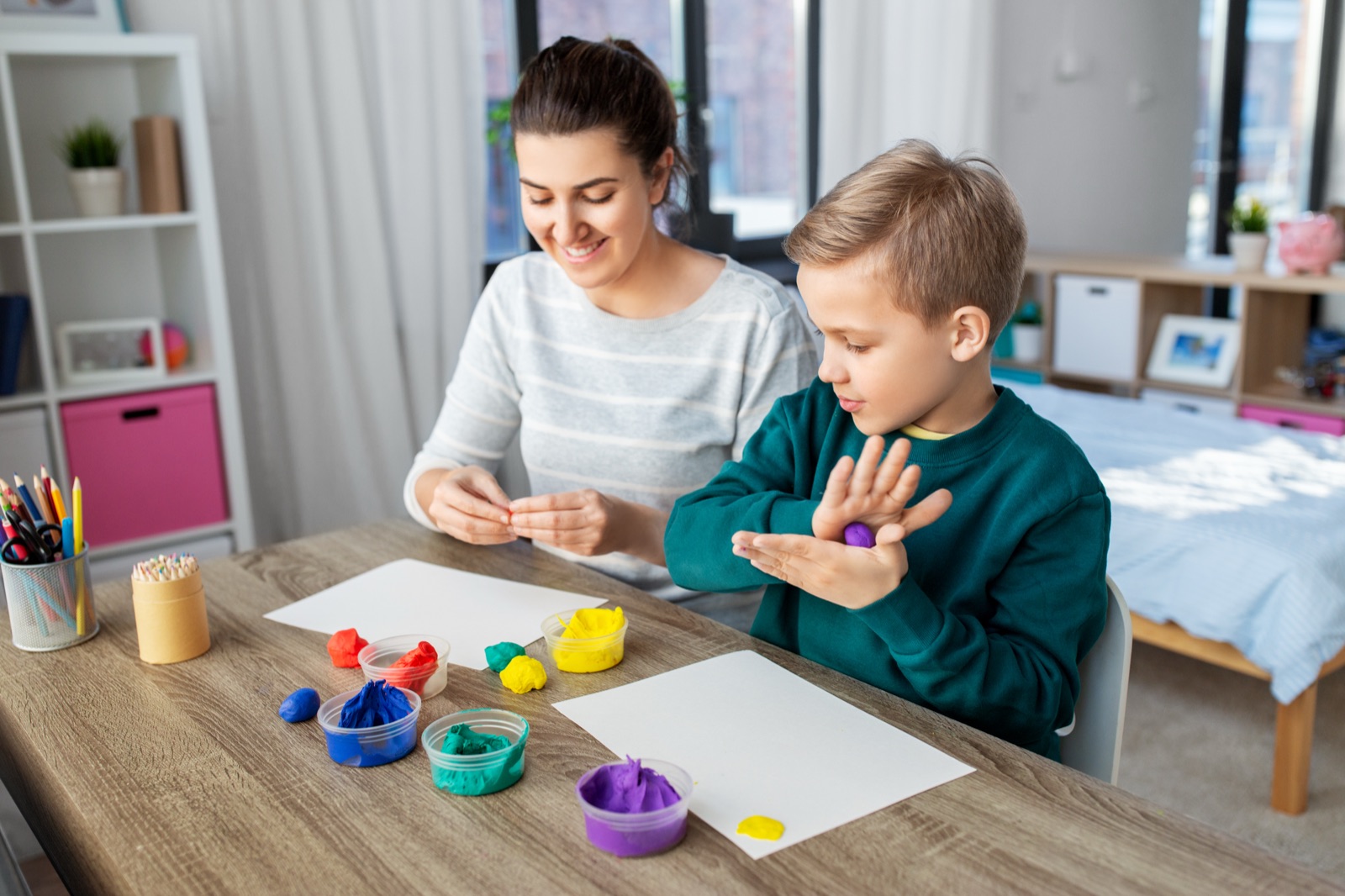
ActivityDescriptionStress BallsSqueezing stress balls can help relieve anxiety and promote focus.Fidget ToysThese tools can engage the hands and help with concentration.Sensory BottlesShaking these bottles can be calming and visually stimulating.Play DoughManipulating play dough enhances fine motor skills and offers tactile stimulation.Water PlayActivities involving water can be soothing and promote exploration.

Parents can adapt these activities based on their child's preferences and sensory needs. For additional resources, visit our articles on best toys for kids with autism and autism and sensory processing disorder.

Creating effective sensory-friendly environments and incorporating sensory activities can significantly enrich the lives of children with autism, making daily activities smoother and more enjoyable.

Color and Lighting Considerations

Creating an autism-friendly home involves thoughtful choices regarding color and lighting. These elements can significantly impact a child's sensory experiences, emotions, and overall behavior.

Choosing Calming Color Palettes

Selecting the right color palette is crucial for fostering a soothing atmosphere. Autistic children often have unique color preferences and sensitivities. Research indicates that pastel shades, neutral colors, and muted tones create a calming environment, while bright and bold colors can be overstimulating.

To create a calming space, here is a table highlighting preferred colors and their effects:

Color TypeDescriptionEffectPastel ShadesSoft colors like light blues, greens, and pinksCalming and soothingNeutral ColorsTones such as beige, cream, and soft greysReduces tension, promotes comfortMuted TonesSubdued variations of vibrant colorsMinimizes overstimulationBright ColorsIntense shades like red and orangeCan be overstimulating and distracting

Using subdued colors with grey tones and focusing on the green-blue spectrum is particularly beneficial. A calming environment can be achieved by choosing low arousal colors that transform spaces into comforting areas [4]. Additionally, colorful signs can enhance navigation within the home, aiding autistic children by making areas more accessible.

Impact of Lighting on Sensory System

Lighting plays a significant role in sensory experiences for autistic individuals. Bright lighting stimuli can provoke sensory overload or behavioral changes, especially in children prone to light sensitivity. It's essential to implement soft and diffuse lighting options to create a comfortable environment.

Some effective lighting strategies include:

By paying attention to the lighting, parents can create a more inclusive environment that accommodates the sensory processing needs of their children with autism. For more guidance on creating an autism-friendly atmosphere, explore our article on autism and sensory processing disorder.

Home Modifications for Autism

Creating an autism-friendly home involves understanding and adapting the environment to cater to the needs of individuals with autism spectrum disorder (ASD). Key areas to focus on include adapting the home environment and addressing specific sensory sensitivities such as auditory and olfactory sensitivities.

Adapting Home Environment

Adapting the home environment can greatly enhance comfort and security for individuals with autism. Simple modifications can mitigate overstimulation and create a tranquil setting.

Modification TypeDescriptionSoundproofingAdding soundproofing materials to walls or windows can help block out distracting noises.Soft FurnishingsIntroducing soft furnishings like carpets and curtains can absorb sound and reduce echo.Quiet ZonesDesignate specific areas in the home for quiet time, allowing for relaxation and self-regulation.

These modifications help minimize auditory distractions, creating a peaceful sanctuary. Individuals with autism often have heightened sensitivity to sounds [5].

Addressing Auditory and Olfactory Sensitivities

Addressing auditory and olfactory sensitivities is crucial in designing a home conducive to the comfort of individuals with autism.


Many individuals with autism may perceive sounds more intensely, resulting in discomfort from regular household noises. To combat this:


Autistic individuals might also have heightened senses of smell. This can make certain odors overwhelming, potentially leading to meltdowns. To improve smell-related comfort:

By incorporating these modifications, parents can create a more welcoming and supportive living space for their children with autism. For more guidance on creating a sensory-friendly environment, explore our article on autism and sensory processing disorder.

Sensory Room Ideas

Creating a sensory room can significantly enhance the quality of life for children diagnosed with autism. These spaces are designed to cater to individual sensory needs while providing a calming environment. Here are some ideas regarding sensory equipment and DIY projects for sensory rooms.

Sensory Equipment and Benefits

Sensory equipment plays a vital role in establishing a nurturing atmosphere for children with autism. Various tools can help in modulating sensory inputs and aid in self-regulation. The table below highlights common sensory equipment and their benefits.

Sensory EquipmentBenefitsWeighted blanketsProvide calming deep pressure inputSensory swingsFacilitate vestibular input and movementFidget toysAssist in focus and fine motor skillsAromatherapy diffusersPromote relaxation through soothing scentsBubble tubesEnhance visual sensory experienceLED light displaysAllow for visual stimulation without glare

Each of these pieces can lead to a decrease in stress and aggression, supporting attention and focus for children with sensory processing challenges [2].

DIY Projects for Sensory Rooms

Creating a sensory room on a budget can be both fun and rewarding. Here are some DIY project ideas that parents can implement to tailor the space to their child's sensory needs:

Designing these sensory-focused environments can help reduce overstimulation and support self-regulation in autistic children. For additional insights on managing sensory challenges, parents can explore articles about autism and sensory processing disorder and the best toys for kids with autism. These resources can offer further guidance on how to create an autism-friendly home.

References


[2]:

[3]:

[4]:

[5]:

Frequently Asked Questions

a little girl sitting at a table with a woman

Breaking Barriers: Free Sensory Toys for Autism That Make a Difference

December 8, 2025

Discover life-changing free sensory toys for autism! Unlock the power of sensory play for children with autism.

Distinguishing ADHD vs Autism Stimming

December 8, 2025

ADHD stimming vs autism stimming: Discover the motivations and characteristics behind these behaviors in individuals.

The Three Main Causes of Autism: Exploring Genetics, Environment, and Brain Differences

December 8, 2025

Autism is influenced by genetics, environmental factors, and brain differences. Learn how these three causes contribute to the development of the condition.

What are the Common Behaviors of Autism?

December 8, 2025

Autism behaviors can vary widely. Learn about the most common traits, from social difficulties to sensory sensitivities, and how ABA therapy can support progress.

What Age is Too Late for ABA Therapy?

December 8, 2025

It’s never too late to start ABA therapy. Discover how children, teens, and adults can still make meaningful progress with personalized ABA support.

Is In-Home ABA the Right Fit for Your Child? Here’s What You Need to Know

December 8, 2025

In-home ABA therapy offers a tailored approach to support your child’s development. Learn how it can improve key skills like communication, social interaction, and more.

How Families Can Make ABA Therapy a Positive and Successful Experience

December 8, 2025

Learn how families can ensure ABA therapy is a positive, successful experience. Discover tips for involvement, consistency, and support to make ABA effective.

Can a Child Have Autism and Still Talk Normally?

December 4, 2025

Can a Child Have Autism and Still Talk Normally?

What Are the Red Flags for Autism in a 2-Year-Old?

December 4, 2025

Autism Red Flags in 2-Year-Old Children | Apex ABA

Is Autism a Lifelong Condition?

December 4, 2025

Is Autism a Lifelong Condition? Understanding The Journey

Best Age to Start ABA Therapy & What Parents Should Know

December 3, 2025

Best Age to Begin ABA Therapy for Children | Apex ABA

Misconceptions About ABA Therapy: Clearing Up the Myths

December 3, 2025

Common Misconceptions About ABA Therapy | Apex ABA

What Does It Mean to Be “On the Spectrum”?

December 3, 2025

What Does It Mean to Be on the Autism Spectrum? | Apex ABA

Understanding the Power of Functional Behavior Assessment ABA

December 3, 2025

Effective ABA Techniques for Behavioral Intervention

Discover How ABA Helps ADHD in Your Child’s Life

December 2, 2025

How ABA Therapy Helps Children with ADHD | Apex ABA

Life-Changing ABA Therapy Case Studies You Need to Know

December 2, 2025

Real Success Stories from ABA Therapy Journeys | Apex ABA

Can Children “Outgrow” Autism?

December 1, 2025

Can Children Outgrow Autism? Understanding the Facts

Is Autism a Mental Illness or a Developmental Disorder?

December 1, 2025

Mental Illness or Developmental Disorder Explained

Is Autism More Common in Boys Than Girls?

December 1, 2025

Autism in Boys vs Girls: What the Research Reveals

What is the Difference Between Autism and Sensory Processing Disorder?

November 28, 2025

Autism vs Sensory Processing Disorder Differences | Apex ABA

What's the Difference Between Autism and Speech Delay?

November 28, 2025

Autism vs Speech Delay & Key Differences Explained | Apex

ABA Therapy in North Carolina: A Complete Guide for Families

November 26, 2025

Learn everything about ABA therapy in North Carolina, including services, costs, insurance coverage, and how to choose the best ABA provider in North Carolina.

ABA Therapy vs Preschool: Making the Right Choice Explained

November 17, 2025

Learn the key differences between ABA therapy and preschool to help you choose the best option for supporting your child’s early learning and development.

Which Personality Type Is Most Likely to Be Autistic?

November 13, 2025

Which Personality Type Is Most Likely to Be Autistic? | Apex ABA

Why Consistency Matters: What Happens If ABA Therapy Ends Prematurely

November 13, 2025

What Happens If ABA Therapy Is Stopped Too Early? | Apex ABA

What Happens If Autism Is Left Untreated?

November 12, 2025

Can Autism Get Worse If Untreated? | Apex ABA

Do Autistic Kids Live with Parents Forever? Here’s the Reality

November 6, 2025

Do autistic kids live with parents forever? Discover the facts about independence and living arrangements in autism with expert-backed insights.

Red Flags in ABA Therapy: What Parents Must Watch For

November 6, 2025

What are the red flags in ABA therapy? Learn to identify warning signs for safe, effective autism treatment in this blog.

Can You Go from Level 3 Autism to Level 1? Is It Possible?

November 6, 2025

Can you go from level 3 autism to level 1? Learn about progress, therapy, and support options with expert help from Apex ABA.

Autism vs Introversion: How to Tell the Difference

November 6, 2025

Is it autism or just introversion? Learn the key differences and signs with expert insights from Apex ABA.

ABA for Managing Transitions: Tips to Ease Change for Kids

November 6, 2025

Learn how ABA for managing transitions helps children with autism handle change smoothly.

Understanding the 7 Dimensions of ABA for Better Outcomes

November 6, 2025

Discover the 7 Dimensions of ABA and how they can lead to better outcomes.

5 Unique Autistic Love Languages You Should Know About

November 5, 2025

Discover the 5 unique autistic love languages that can enhance your relationships.

Transforming Futures: Improving Lives of Kids with Autism

November 5, 2025

Discover how innovative strategies are focused on improving lives of kids with autism.

ABA Therapy Techniques for Addressing Repetitive Behaviors in Autism

January 31, 2025

Harnessing ABA Strategies to Tackle Repetitive Behaviors in Autism

The Role of ABA Therapy in Enhancing Communication Skills

January 31, 2025

Transforming Communication for Children with Autism Through ABA Therapy

How ABA Therapy Supports Effective Communication in Nonverbal Children

January 31, 2025

Unlocking Speech Through ABA: Transformative Paths for Nonverbal Children

How ABA Therapy Helps Children Develop Better Organizational Skills

January 30, 2025

Empowering Children with ABA Therapy for Enhanced Organizational Skills

The Importance of Creating a Structured Routine in ABA Therapy

January 30, 2025

How Structured Routines Transform ABA Therapy for Autism

The Role of ABA Therapy in Developing Conflict Resolution Skills

January 29, 2025

How ABA Therapy Transforms Conflict Resolution Competence

The Importance of Generalization in ABA Therapy for Autism

January 29, 2025

Unraveling the Role of Generalization in Enhancing ABA Therapy Outcomes

Why ABA Therapy is Crucial for Parents of Children with Autism

January 29, 2025

The Transformative Impact of ABA Therapy on Families with Autistic Children

How to Involve Parents in the ABA Therapy Process

January 28, 2025

Maximize Parent Engagement in ABA Therapy for Better Outcomes

What are the Core Principles of ABA Therapy?

January 28, 2025

Exploring the Cornerstones of Applied Behavior Analysis

Why Communication is Key in ABA Therapy for Autism

January 28, 2025

The Crucial Role of Communication in ABA Therapy for Autism

The Benefits of Combining ABA Therapy with Speech Therapy

January 24, 2025

Maximizing Development with Integrated Therapy Approaches

What to Expect During an ABA Therapy Session

January 24, 2025

Demystifying ABA Therapy Sessions: A Comprehensive Overview

How ABA Therapy Enhances Cognitive Functioning in Children with Autism

January 24, 2025

Exploring the Influence of Applied Behavior Analysis on Autism Cognition

How ABA Therapy Helps Children with Autism with Transitions Between Activities

January 23, 2025

Easing Transitions for Children with Autism: The Role of ABA Therapy

The Role of Positive Reinforcement in ABA Therapy

January 21, 2025

Exploring the Impact of Positive Reinforcement in Modern ABA Therapy

Why ABA Therapy is Effective for Children of All Ages

January 21, 2025

Understanding the Reach and Impact of ABA Therapy Across Age Groups

How to Support Your Child’s Emotional Growth with ABA Therapy

January 21, 2025

Harnessing ABA Therapy for Enhancing Emotional Development in Children with Autism

The Role of ABA Therapy in Enhancing Peer Relationships for Children with Autism

January 21, 2025

Harnessing ABA Therapy to Boost Social Connections Among Autistic Children

How to Overcome Common Challenges in ABA Therapy

January 21, 2025

Navigating Hurdles in ABA Therapy: Strategies and Solutions

How to Manage Behavioral Expectations with ABA Therapy

January 20, 2025

Understanding Applied Behavior Analysis in Behavioral Management

How ABA Therapy Improves Social Skills in Children with Autism

January 20, 2025

Harnessing ABA Therapy to Enhance Social Competency in Autistic Children

The Importance of Evaluating and Revising ABA Therapy Goals Regularly

January 20, 2025

Regular Evaluations: The Cornerstone of ABA Therapy Success

How to Choose the Right ABA Therapy Program for Your Child

January 17, 2025

Finding the Perfect ABA Therapy Fit for Your Child

The Role of Behavior Analysts in Implementing ABA Therapy

January 17, 2025

Understanding the Vital Contributions of Behavior Analysts in ABA Therapy

The Role of RBTs (Registered Behavior Technicians) in ABA Therapy

January 17, 2025

A Closer Look at the Essential Work of RBTs in ABA Therapy

What Makes ABA Therapy Effective for Different Learning Styles?

January 17, 2025

Unraveling the Flexibility and Effectiveness of ABA Therapy

How ABA Therapy Helps with Toilet Training in Children with Autism

January 17, 2025

Unlocking Independence: ABA's Role in Autism Toilet Training

How to Make the Most of ABA Therapy at Home

January 16, 2025

Enhancing ABA Therapy Practices Within Your Home

Understanding the Role of Family in ABA Therapy for Autism

January 15, 2025

The Crucial Impact of Family Engagement in Autism Therapy

How to Handle Setbacks and Challenges in ABA Therapy

January 15, 2025

Navigating Difficulties and Setbacks in ABA Therapy for Children

How ABA Therapy Can Help Children Build Stronger Relationships with Peers

January 15, 2025

Unpacking the Influence of ABA Therapy on Peer Relationships in Children

Understanding the Concept of Shaping in ABA Therapy

January 15, 2025

Demystifying Shaping Techniques in Applied Behavior Analysis

How ABA Therapy Enhances Independent Living Skills in Autism

January 15, 2025

Unlocking Independence: The Role of ABA Therapy in Autism

90+ Reading Statistics, Facts and Demographics

January 14, 2025

In this article, we will dive into 60 reading statistics that shed light on the importance of reading and its impact on different aspects of life.

How ABA Therapy Can Help Children with Autism Make Better Choices

January 14, 2025

Unlocking Autistic Children's Potential with ABA Therapy

How to Create an Effective ABA Therapy Plan for Your Child

January 14, 2025

Guiding Parents Through Effective ABA Therapy Planning

Why ABA Therapy Should Be Tailored to Each Child’s Unique Needs

January 13, 2025

The Necessity of Customizing ABA Therapy for Unique Child Development

What are the Different Types of ABA Therapy?

January 13, 2025

Exploring the Varieties of ABA Therapy for Autism and Beyond

How ABA Therapy Can Improve Functional Skills in Children with Autism

January 13, 2025

Unlocking the Potential: ABA Therapy for Autistic Children

How ABA Therapy Facilitates Peer Interaction for Children with Autism

January 13, 2025

Understanding the Impact of ABA Therapy on Autism and Peer Relationships

The Importance of Early Intervention in Autism Therapy

January 13, 2025

Unlocking Potential: The Crucial Role of Early Intervention in Autism

The Role of ABA Therapy in Creating Healthy Habits for Children with Autism

January 10, 2025

Understanding How ABA Therapy Shapes Daily Life for Autistic Children

The Benefits of Incorporating Technology into ABA Therapy

January 10, 2025

Harnessing Technology for Enhanced ABA Therapy Outcomes

How ABA Therapy Helps with Stereotypic Behavior in Autism

January 10, 2025

ABA Therapy: Transforming Stereotypic Behaviors into Meaningful Interactions in Autism