Exploring Social Skills Training for Autism
Discover effective social skills training for autism. Unveiling strategies, tools, and positive outcomes for individuals with autism.

Understanding Social Skills Training
Social skills play a crucial role in our daily interactions and relationships. They enable us to understand and navigate social situations, express ourselves effectively, and build meaningful connections with others. However, individuals with autism may face unique challenges in developing and utilizing these skills.
Importance of Social Skills
For individuals with autism, acquiring social skills is essential for their overall well-being and quality of life. While they may have the desire to interact with others, they may struggle to engage appropriately or feel overwhelmed by the process. Some individuals with autism are aware of their social deficits and may avoid interactions despite wanting to connect with others [1].
The ability to navigate social situations successfully can enhance an individual's ability to make friends, communicate effectively, and participate in various social activities. Social skills also play a crucial role in academic and vocational settings, as they facilitate collaboration, teamwork, and problem-solving.
Challenges for Individuals with Autism
People with autism may find it harder to learn and develop social skills compared to their neurotypical peers. They may struggle with understanding social cues, interpreting nonverbal communication, and comprehending social expectations. This can make it challenging for them to navigate social interactions and establish meaningful connections.
It is important to note that social skill deficits in individuals with autism are not indicative of a lack of desire for social interaction. On the contrary, many individuals with autism deeply desire social connections but may face difficulties in acquiring and applying the necessary skills [2].
To address these challenges and support individuals with autism in developing their social skills, various strategies and training programs have been developed. These interventions aim to provide guidance, structure, and opportunities for individuals with autism to practice and enhance their social abilities.
By understanding the importance of social skills and the unique challenges faced by individuals with autism, we can explore effective strategies and tools for social skills training. In the following sections, we will delve into strategies for teaching social skills and the effective tools available to facilitate this process.
Strategies for Teaching Social Skills
When it comes to teaching social skills to individuals with autism, there are various strategies that can be effective in promoting social development and interaction. Two key strategies include professional guidance and structured programs for social skills.
Professional Guidance
Social skills development for individuals with autism often involves learning from professionals who specialize in supporting individuals with autism. Special education teachers, speech pathologists, and clinicians play a vital role in providing guidance and support in the acquisition and development of social skills. These professionals may lead social skills groups that combine direct instruction with real-life practice with peers, allowing individuals with autism to learn and generalize social skills in a safe and supportive environment.
Professional guidance can include individualized assessments to identify specific social skill deficits and develop personalized intervention plans. These professionals utilize evidence-based techniques, such as applied behavior analysis techniques, to target and address specific social skill deficits. By working closely with professionals, individuals with autism can receive tailored support to enhance their social interactions and communication skills.
Structured Programs for Social Skills
Structured programs designed specifically for social skills training can provide valuable opportunities for individuals with autism to learn and practice social interactions. These programs offer a structured and systematic approach to teaching social skills, often incorporating evidence-based practices and techniques. Some well-known programs include the Westmead Feelings Program and the Program for the Education and Enrichment of Relational Skills (PEERS®) [3].
Structured social skills programs typically consist of individual or group therapy sessions led by trained professionals. These sessions focus on teaching individuals with autism specific social skills through a combination of direct instruction, modeling, role-playing, and real-life practice. By providing a structured and supportive learning environment, these programs help individuals with autism develop and refine their social skills.
Through the use of structured programs, individuals with autism can learn important social skills such as initiating conversations, maintaining eye contact, taking turns, and understanding nonverbal cues. These programs often incorporate visual supports and social stories to enhance learning and comprehension. Visual supports and directories can help individuals with autism understand and navigate social situations by providing visual cues and step-by-step instructions.
By utilizing professional guidance and structured programs, individuals with autism can receive the necessary support and training to improve their social skills. These strategies aim to enhance social interactions, promote meaningful relationships, and foster greater social inclusion for individuals with autism.
Effective Tools for Social Skills Training
When it comes to social skills training for autism, using effective tools can greatly enhance the learning experience and promote skill development. Two valuable tools in this regard are personalized teaching stories and visual supports and directories.
Personalized Teaching Stories
Personalized teaching stories presented visually, such as through charts, booklets, or electronic devices, can be highly beneficial for individuals with autism. These stories help them understand what to expect in different situations and learn how to navigate them effectively.
By tailoring the stories to the individual's specific needs and challenges, personalized teaching stories provide guidance on how to interact in social situations, such as communicating with friends or family members. These stories can help individuals with autism develop communication skills, understand social cues, and engage in appropriate behaviors in various contexts.
Visual Supports and Directories
Visual supports play a crucial role in teaching social skills to individuals with autism. These supports, which can include pictures, words, checklists, or prompt cards, assist in learning new skills or remembering social skills already learned. Visual aids can be tailored to the individual's learning needs and help with activities such as conversations or playing games.
Visual supports provide a visual representation of the desired social skill or behavior, making it easier for individuals with autism to understand and remember. These aids serve as a visual reminder and can act as a reference point during social interactions. By using visual supports, individuals with autism can better comprehend and engage in social situations, fostering improved communication and interaction with others.
These tools, personalized teaching stories and visual supports and directories, contribute to the effectiveness of social skills training for individuals with autism. By utilizing these resources, individuals with autism can acquire and apply social skills in a way that is meaningful and tailored to their unique needs.
Enhancing Social Skills in the Community
For individuals with autism, enhancing social skills is a key aspect of their overall development. One effective way to achieve this is through active participation in the community. By engaging in community activities and programs, individuals with autism can have valuable opportunities to practice and improve their social skills. Let's explore the benefits of community participation and the programs available for social skills practice.
Benefits of Community Participation
Participating in community activities offers numerous benefits for individuals with autism. It provides them with opportunities to interact with a diverse range of people, fostering socialization and communication skills. Here are some key benefits of community participation:
- Social Interaction: Engaging in community events, clubs, or organizations allows individuals with autism to interact with peers and people of different ages, backgrounds, and abilities. These interactions promote social skills development, such as initiating conversations, taking turns, and demonstrating empathy.
- Generalization of Skills: By interacting with a variety of individuals in different social situations, individuals with autism can generalize their social skills. They learn to adapt their behaviors and communication styles to various contexts, which is essential for navigating real-world social interactions.
- Increased Confidence: Regular participation in community activities can boost self-esteem and confidence in individuals with autism. As they experience successful social interactions and receive positive feedback, their self-assurance grows, motivating them to further develop and refine their social skills.
- Community Integration: Involvement in community activities helps individuals with autism become active members of their community. It promotes inclusivity, acceptance, and understanding among community members, reducing the stigma often associated with autism.
Programs for Social Skills Practice
To support the development of social skills in individuals with autism, various programs specifically designed for social skills training are available. These programs offer structured environments and evidence-based techniques to facilitate social learning. Here are some commonly used programs:
- Social Skills Training Programs: These programs utilize behavioral and social learning principles to teach social skills. Techniques such as behavioral goal setting, prompting, modeling, shaping, and positive reinforcement are employed to facilitate skill development. Social skills training programs are often conducted in group settings to provide opportunities for practice, peer interaction, and feedback.
- Personalized Teaching Stories: Personalized teaching stories, also known as social stories, are visual tools that help individuals with autism understand and navigate social situations. These stories use simple language and visual cues to explain social expectations and appropriate behaviors. Personalized teaching stories can be customized to address specific social challenges faced by individuals with autism.
- Visual Supports and Directories: Visual supports, such as visual schedules, cue cards, and visual prompts, are effective tools for individuals with autism to understand and remember social rules and expectations. They provide visual cues and reminders, making social interactions more predictable and manageable. Directories listing community programs and resources focused on social skills training can also assist individuals and their families in finding suitable opportunities for social skills practice.
By actively participating in community activities and taking advantage of social skills programs, individuals with autism can enhance their social interactions and communication abilities. These experiences contribute to their overall growth, independence, and integration into the wider community.
Social Skills Training for Children with Autism
For children with autism, acquiring and developing social skills can be a significant challenge. However, with the right strategies and interventions, they can enhance their social abilities and improve their interactions with others. Two effective approaches for social skills training in children with autism are play-based learning and structured group training programs.
Play-Based Learning
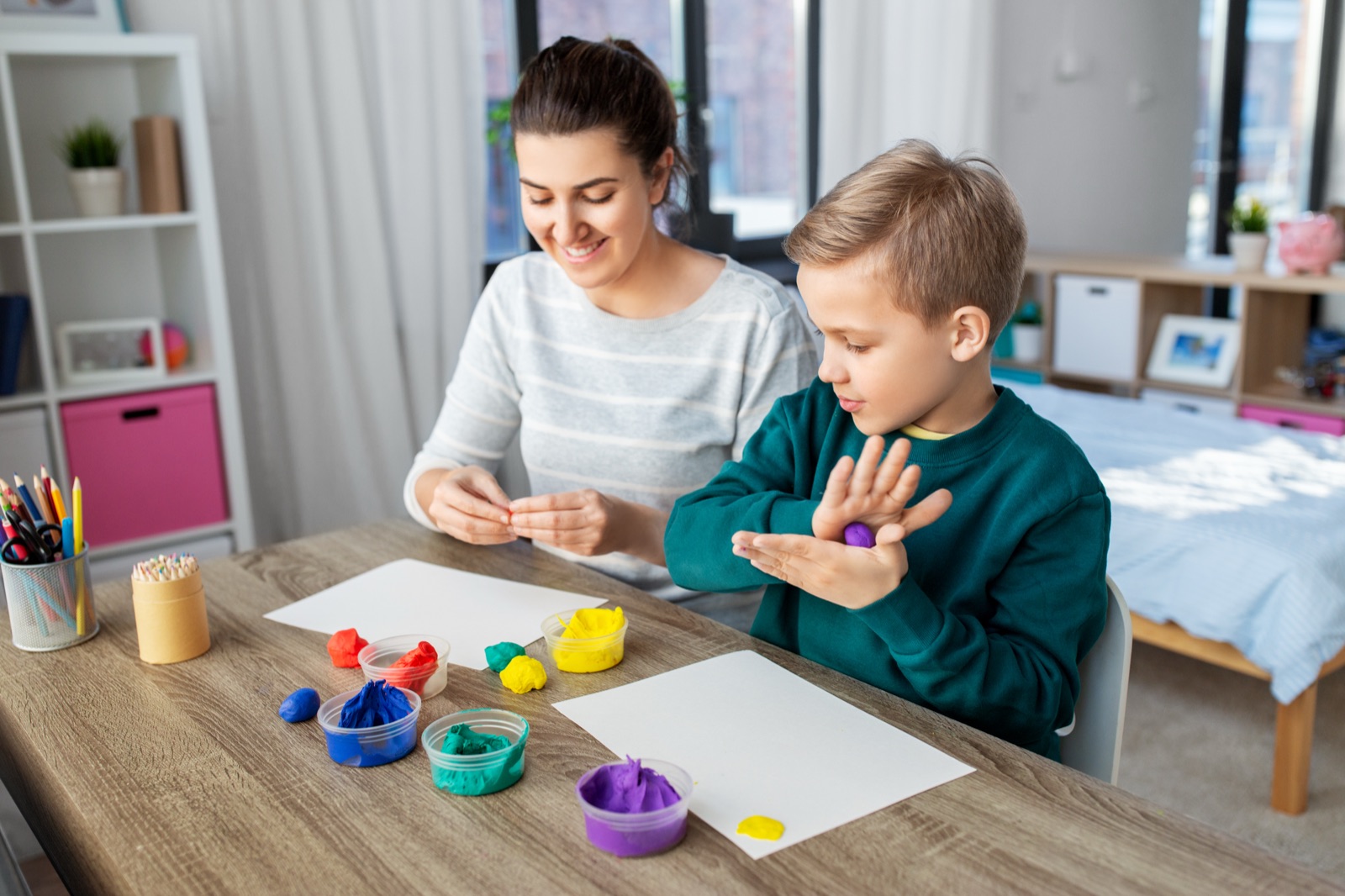
Play is a powerful tool that can help children, including those with autism, learn and develop social skills. Engaging in play activities with peers and adults provides opportunities for practicing essential social behaviors, such as turn-taking, sharing, following rules, and coping with winning and losing. Through play, children with autism can learn and practice various communication and social interaction skills in a natural and enjoyable context.
Play-based learning can take place in various settings, including homes, schools, and therapeutic environments. Structured play activities, guided by professionals and caregivers, can help children with autism understand social rules, develop empathy, improve problem-solving skills, and enhance their ability to engage in reciprocal social interactions. It is important to tailor the play activities to the child's individual needs, interests, and developmental level to maximize engagement and learning.
Structured Group Training Programs
Structured group training programs provide children with autism the opportunity to develop social skills in a supportive and structured environment. These programs, such as the Westmead Feelings Program and the Program for the Education and Enrichment of Relational Skills (PEERS®), offer individual or group therapy sessions to teach specific social skills.
The Westmead Feelings Program focuses on helping children recognize and understand their own emotions and the emotions of others. It includes activities that facilitate emotional expression and empathy, promoting social understanding and connection. The Program for the Education and Enrichment of Relational Skills (PEERS®) is a structured program that targets social skills development in adolescents and young adults with autism. It covers various topics, including conversational skills, making friends, and handling conflicts. PEERS® has demonstrated effectiveness in improving social skills knowledge, social interaction, and friendship quality for individuals with autism [4].
Structured group training programs provide a systematic and evidence-based approach to teaching social skills. They often incorporate role-playing, modeling, and feedback to help children with autism understand and practice appropriate social behaviors. These programs offer a supportive environment where children can learn from their peers, share experiences, and receive guidance from trained professionals.
By implementing play-based learning and structured group training programs, children with autism can develop and strengthen their social skills. These approaches provide targeted interventions that address the unique challenges faced by individuals on the autism spectrum, fostering meaningful social interactions and enhancing their overall quality of life.
Impact of Social Skills Training
Social skills training (SST) has a significant impact on individuals with autism, helping them develop and improve their social interactions and communication abilities. By employing evidence-based approaches, positive outcomes can be achieved through these training programs.
Positive Outcomes
Research and studies have demonstrated the positive effects of social skills training for individuals with autism. These programs aim to address deficits in social skills that can result in impaired social functioning. By utilizing behavioral and social learning principles, such as goal setting, prompting, modeling, and shaping, combined with positive reinforcement and overlearning, social skills training helps individuals acquire and apply new skills.
According to a study conducted in India, a social skills group training program for individuals with severe mental illness, including schizophrenia and bipolar affective disorder, showed significant improvements in social skills as measured by the Vellore Assessment of Social Performance (VASP) at different time points, including baseline, midterm assessment, posttest, and follow-up [5]. The study found a negative correlation between psychopathology and social performance, indicating that as psychopathology decreased, social skills improved. Participants in the training program experienced enhancements across all subdomains of the VASP, including nonverbal social skills, verbal social skills, receptive social competence skills, processing social competence skills, and expressive social competence skills.
Evidence-Based Approaches
The effectiveness of social skills training is supported by evidence from controlled studies conducted across continents. These studies have demonstrated that structured group processes and supervised practice in real-life situations contribute to enhancing cognitive processes underlying social competence. By providing a context-specific, peer- and family-supported approach, the feasibility of implementing social skills training as part of routine clinical care has been emphasized [5].
Implementing evidence-based approaches in social skills training programs ensures that individuals with autism receive the most effective interventions. These approaches are grounded in research and have been shown to yield positive results in improving social interaction, communication skills, and overall quality of life for individuals with autism.
By focusing on evidence-based strategies, such as behavioral goal setting, prompting, modeling, and reinforcement, social skills training programs can effectively address the challenges individuals with autism face in social situations. The positive outcomes observed in these programs highlight the potential for individuals with autism to develop and enhance their social skills, leading to improved social functioning and overall well-being.
For more interesting reads, check out the following articles on:
- autism communication skills
- early intervention for autism
- autism behavior management
- autism spectrum disorder support
- autism parental guidance
- autism school support
- autism sensory processing
- functional behavior assessment (fba)
References
- [1]: https://www.autismspeaks.org/tool-kit-excerpt/autism-and-social-skills-development
- [2]: https://www.autismspeaks.org/social-skills-and-autism
- [3]: https://raisingchildren.net.au/autism/communicating-relationships/connecting/social-skills-for-children-with-asd
- [4]: https://link.springer.com/article/10.1007/s40489-015-0066-5
- [5]: https://www.ncbi.nlm.nih.gov/pmc/articles/PMC9120981/
Get started today
Ready to talk about ABA therapy?
Apex ABA Therapy helps families in North Carolina, Maryland, and Georgia access in-home, school-based, and daycare ABA services.
Popular services
Serving families in