


Autism and Sensory Friendly Home: The Home Guide to Rooms, Lighting, and Sensory Tools
A complete home guide to autism and sensory processing: build a calm space, fix the lighting, and match tools to your child.
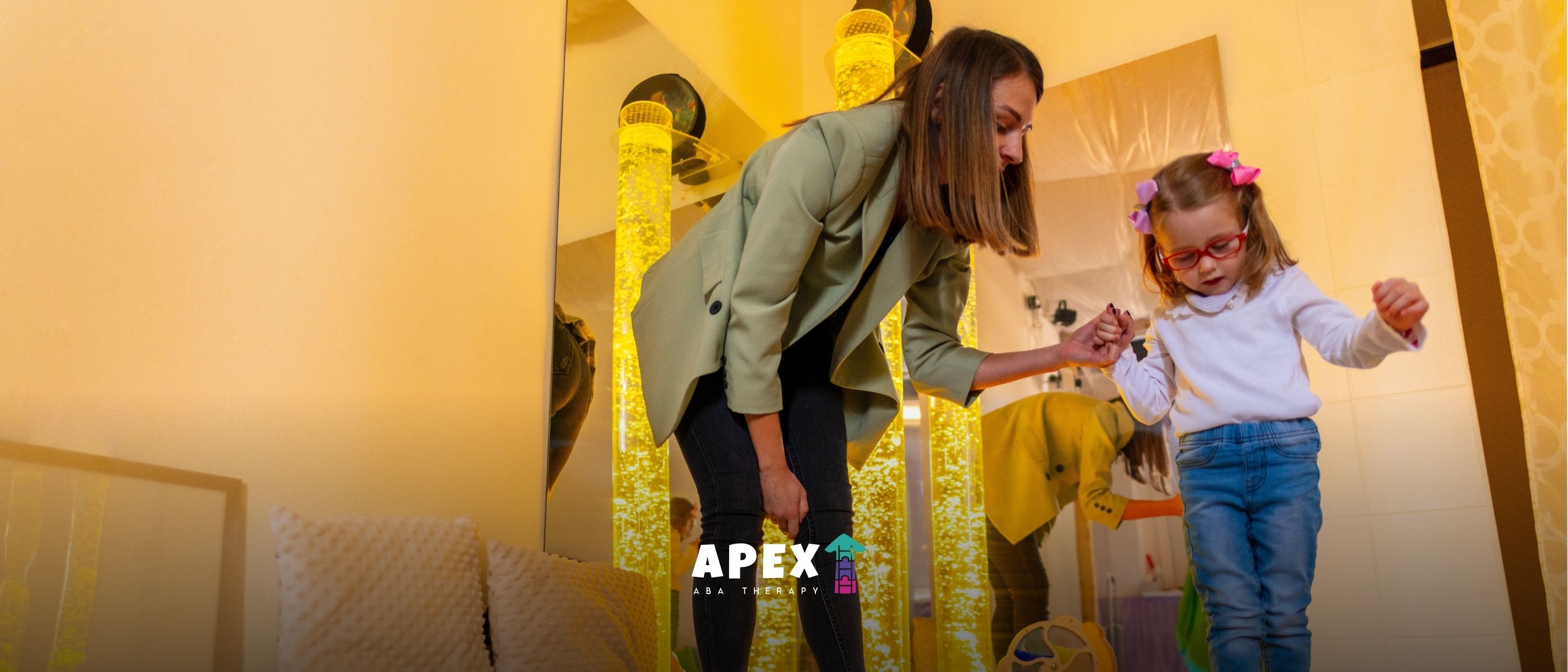
Autism and Sensory Friendly Home: The Home Guide to Rooms, Lighting, and Sensory Tools

Every autistic child's home is a sensory environment, whether anyone designed it that way or not. The hum of the fridge, the flicker of a ceiling light, the scratch of a couch cushion: all of it lands. The good news is that a home is also the one sensory environment a family can actually shape.
This is the hub guide to autism and sensory processing at home. It pulls together three things usually treated separately: understanding whether your child seeks or avoids input, getting the lighting right, and building a calming sensory space. It links out to deeper guides on each piece, and gives concrete examples you can copy straight into your own home.
First, the Foundation: Seeking vs. Avoiding
Sensory processing differences are core to autism. By some estimates they occur in around 90% of autistic people, and hyper- or hyporeactivity to sensory input is a DSM-5 diagnostic criterion. Before changing the home, know which direction your child leans.
Sensory seekers crave input. They may seek loud sounds, crash into furniture, spin, chew, or touch everything. The environment needs safe outlets for that drive.
Sensory avoiders get overwhelmed easily. They may cover their ears, dislike textures, or feel anxious in busy, bright, or noisy spaces. The environment needs to reduce and filter input.
Many children are a mix, seeking one kind of input while avoiding another, and needs can shift across a single day.
A quick example of reading the pattern. Picture two seven-year-olds at the same birthday party. Leo keeps climbing on the furniture, bumping into friends, and turning the music up: he is seeking movement and sound. Across the room, Maya has backed into a corner with her hands over her ears: she is avoiding the same noise Leo is chasing. Same party, opposite needs. At home, Leo's family adds a crash pad and a mini-trampoline; Maya's family sets up a quiet, dim corner with headphones. Neither child is "better" or "worse" at sensory processing. They just need opposite things from the room.
Here is a simple way to spot the pattern in your own child:
The whole approach here is the same regardless: observe, offer choices, and follow your child's lead rather than applying a fixed formula. For a deeper look at these patterns, see our full guide on sensory seeking in autism.
Getting the Lighting Right
Lighting is one of the most overlooked sensory inputs in a home, and one of the easiest to fix. Autistic individuals often have heightened light sensitivity, and harsh or flickering light can drive stress and behavior changes.
A few evidence-informed principles:
- Favor natural light. Daylight is the gentlest illumination for most people. Maximize it with windows and light, reflective surfaces.
- Avoid fluorescent bulbs. They flicker and distort color, which many autistic children find disruptive.
- Choose LED bulbs. They give steady, flicker-reduced light and use roughly 75% less energy than incandescent, a saving families can redirect toward therapy.
- Make it dimmable. Adjustable brightness dials the room to the moment, cutting glare and overload.
- Lean on calming colors. Soft blues, greens, pastels, and muted neutrals soothe; intense saturated colors can do the opposite.
Worked example: a room-by-room lighting fix. You do not need to rewire the house. Here is how one family reworked their lighting over a weekend, for under the cost of a single therapy co-pay:
- Bedroom: swapped a bright white ceiling bulb (5000K, cool blue-white) for a warm dimmable LED (2700K), and added a small salt-style night lamp. Result: a calmer wind-down and easier bedtime.
- Living room: replaced a flickering overhead fixture with two LED floor lamps aimed at the ceiling for soft, indirect light. No more harsh glare during homework.
- Bathroom: the one room they kept bright, because the child needed to see clearly, but switched from a buzzing fluorescent tube to a flicker-free LED panel.
- Kitchen: added a dimmer switch so mealtime prep could be bright while dinner itself was softer.
If you use smart or programmable bulbs, you can shift color temperature across the day, warmer and dimmer in the evening, to support a steady wind-down toward sleep. A simple schedule might be: bright cool light in the morning, neutral through the afternoon, and warm dim light after dinner.
Building a Calming Sensory Space
You do not need a dedicated room. A corner works. The goal is a predictable, low-demand spot your child can retreat to before overload hits, not just after.
Sensory rooms and corners are widely used because they help with self-regulation, stress reduction, and behavioral regulation. Here is what goes into a calming one.
The core elements: soft, diffused lighting (a dimmable lamp or bubble lamp, not a harsh overhead); comfortable seating (a bean bag, cushions, or rocking chair); calm colors (soft blues, greens, or neutrals); noise control (rugs, curtains, or acoustic panels); and a clutter-free layout, since less visual noise means less overload.
Tools to stock it with: a weighted blanket or lap pad for deep pressure, fidget toys and tactile objects for self-regulation, noise-cancelling headphones for auditory relief, and a swing or rocker for soothing vestibular input if space allows.
Worked example: a calm corner on a $50 budget. A sensory space does not have to be a Pinterest project. One family built a working calm corner in a bedroom nook using:
- A second-hand bean bag from a Buy Nothing group (free)
- A string of warm fairy lights and a thrifted dimmable lamp ($15)
- A weighted lap pad made from a double-bagged pillowcase filled with dry rice ($5)
- A cheap shower-curtain rod and a blackout curtain to close the nook off ($20)
- A basket of fidgets and a pair of hand-me-down headphones ($10)
Total: about $50, most of it optional. The point was never the price tag, but a predictable, dim, quiet place their daughter could choose on her own.
For the full walkthrough, including active versus calming zones, see our detailed guide on calming sensory room ideas for autism.
Match the Space to the Child
This is where the seeking-versus-avoiding foundation pays off. Sensory spaces generally fall into three types:
- Active spaces suit seekers. Think mini-trampoline, crash pad, climbing cushions, or a swing: safe outlets for a child who needs to move and push.
- Calming spaces suit avoiders. Think dim light, cozy seating, weighted blankets, and quiet: a retreat from too much input.
- Hybrid spaces blend both, which fits the many children who need each at different moments.
Worked example: back to Leo and Maya. Remember the two children from the party? Here is how their families set up the same-sized corner very differently.
Leo's active corner: a mini-trampoline against the wall, a stack of crash cushions, a chewable necklace on a hook, and a bin of stretchy resistance bands. When Leo feels wound up, he jumps and crashes until his body feels organized again.
Maya's calming corner: a bean bag under a canopy, a weighted blanket, noise-cancelling headphones, and a dim color-changing bulb set to soft blue. When Maya feels overwhelmed, she zips into her quiet cave until the world feels manageable again.
If you have both a Leo and a Maya under one roof, a hybrid corner with a divided shelf, active tools on one side, calming on the other, lets each child grab what they need. The principle never changes: offer options, and let the child lead.
A Sample Daily Sensory Rhythm
Tools work best inside a predictable routine. Here is how a family might weave sensory support through an ordinary day. Treat it as a template, not a prescription.
- Morning: bright, cool light and some heavy-work movement (carrying a backpack, animal walks to the car) to help a sleepy body wake up and organize.
- After school: a decompression break in the calm corner before homework, since a full school day often uses up a child's sensory budget.
- Homework: soft, glare-free lighting, a fidget within reach, and headphones available if the house is noisy.
- Evening: dim, warm lighting after dinner, a weighted blanket during a story, and screens off early to protect sleep.
The exact mix depends on your child. The pattern, predictable input matched to the moment, is what helps.
Beyond the Home: Free and DIY Tools
A calming space need not be expensive. Many effective sensory tools can be made from household items or found free through schools, lending libraries, and nonprofit grants. Our companion guide on free sensory toys for autism covers DIY recipes by sense and age, plus where to find no-cost equipment.
And when sensory input tips into distress, the wider picture matters too. Our guide on what overstimulation feels like in autism explains how to spot the early signs before a space is even needed.
When to Bring in a Professional
A well-set-up home helps enormously, but it is not a substitute for assessment when sensory differences are getting in the way of daily life. Consider professional support if sensory responses regularly disrupt eating, sleep, dressing, or leaving the house; if overload frequently escalates into meltdowns; or if your child seeks input in unsafe ways.
Where a professional adds value. Say your child melts down every evening at dinner and you cannot work out why. A parent might change the lighting, then the menu, then the seating, guessing in the dark. An occupational therapist can map your child's sensory profile and design a personalized plan, often called a sensory diet, that pinpoints the actual driver, maybe the overhead kitchen light, or the play-to-table transition, rather than leaving you to guess.
Behavioral support fits alongside it: through ABA parent training, families learn to read their child's sensory signals and respond early, and in-home ABA therapy lets a BCBA work with the exact rooms, lighting, and tools your family already has. Support can extend to the classroom through school-based ABA, or start young with early intervention ABA. See the full range on our services page, or check coverage on our insurance page.
Sensory-Smart Support Where You Live
A sensory-friendly home works best with a team that helps you fine-tune it. Apex ABA partners with families in three states, each with its own communities. Across North Carolina, from Charlotte outward, our BCBAs help families turn everyday rooms into supportive spaces. Throughout Georgia, Atlanta and beyond, our teams weave sensory strategy into each child's plan. And across Maryland, from Baltimore to the suburbs, we help families make the most of the environment they already have.
Your Home, Tuned to Your Child
Autism and sensory processing are deeply linked, and the home is where families have the most power to help. Start with seeking versus avoiding, get the lighting right, build a calm space to retreat to, and adjust as needs change.
Apex ABA can help you turn these ideas into a plan built around your child's real sensory profile, right down to the rooms and routines you already have. Want to make your home work better for your child? Reach out to our team and we will walk you through it. Ready to begin? Start enrollment today.
Sources
- https://pmc.ncbi.nlm.nih.gov/articles/PMC4116166/
- https://pmc.ncbi.nlm.nih.gov/articles/PMC9748440/
- https://www.cdc.gov/autism/hcp/diagnosis/index.html
- https://www.understood.org/en/articles/sensory-seeking-and-sensory-avoiding-what-you-need-to-know
Frequently Asked Questions
How common are sensory processing differences in autism?
Very common. By some estimates around 90% of autistic people experience sensory processing differences, and sensory hyper- or hyporeactivity is part of the DSM-5 diagnostic criteria for autism.
What is the difference between a sensory seeker and a sensory avoider?
A seeker craves input and may spin, crash, chew, or seek loud sounds. An avoider gets overwhelmed and may cover their ears or dislike textures. Many children are a mix, and this can change day to day.
What lighting is best for an autistic child at home?
Natural light is ideal. When you need bulbs, choose dimmable LEDs and avoid flickering fluorescents. Soft blues, greens, and neutrals calm, and adjustable lighting lets you match the room to the moment, warm and dim after dinner to support sleep.
Do I need a whole sensory room?
No. A calming corner works well, and can be built for around $50 with a bean bag, soft lighting, a weighted lap pad, and a way to close the nook off. The point is a predictable place to retreat before overload builds.
How do I choose tools for a sensory space?
Match them to your child's profile. Seekers do well with active tools like swings and crash pads; avoiders do better with calming tools like weighted blankets and headphones. Offer a choice and follow their lead.

More posts you’ll enjoy
Autism and Sensory Friendly Home: The Home Guide to Rooms, Lighting, and Sensory Tools
A complete home guide to autism and sensory processing: build a calm space, fix the lighting, and match tools to your child.

What Overstimulation Feels Like in Autism (and How to Help)
Overstimulation is what sensory overload feels like from the inside—when sound, light, and touch all hit at once. Learn the early signs and how to help.

Free Sensory Toys for Autism: What Works, What's Free, and How to Choose
Most of the best sensory toys for autistic children cost nothing. Free DIY ideas by sensory type and age, plus when to bring in an OT.