


Nurturing Social Skills in Children with Autism
Unlocking social skills in children with autism: Effective strategies, therapies, and technology for supporting their development.

Nurturing Social Skills in Children with Autism
Understanding Autism Social Skills
For individuals with autism, developing and nurturing social skills is of utmost importance. Social skills enable individuals to effectively interact with others, form meaningful connections, and navigate social situations. However, individuals with autism often face unique challenges in this area.
Importance of Social Skills
Social skills play a crucial role in the overall well-being and quality of life for individuals with autism. Building competence in social skills allows individuals to engage in meaningful relationships, enhance communication abilities, and participate more actively in various social settings. According to Autism Speaks, students with autism may have the desire to interact with others, but may lack the necessary skills to do so appropriately. It is not uncommon for individuals with autism to be aware of their social deficits, which can lead to avoidance of social interactions despite their desire to connect with others.
By developing social skills, individuals with autism can improve their ability to initiate and maintain conversations, interpret nonverbal cues, understand social norms, and engage in cooperative play. These skills provide a foundation for positive social interactions and can greatly impact an individual's social and emotional well-being.
Challenges Faced by Individuals
Individuals with autism face a unique set of challenges when it comes to social skills. These challenges can vary depending on the individual, but some common difficulties include:
- Timing and Attention: Individuals with autism may struggle with understanding the appropriate timing and duration of social interactions. This can result in difficulties with turn-taking, interrupting others, or maintaining appropriate eye contact.
- Sensory Integration: Sensory sensitivities are common in individuals with autism. Certain sensory stimuli, such as loud noises or crowded environments, may be overwhelming and affect their ability to engage in social interactions comfortably.
- Communication: Communication difficulties are a core feature of autism. Some individuals may struggle with verbal communication, while others may have challenges with understanding and interpreting nonverbal cues such as facial expressions and body language.
To address these challenges, various strategies and interventions, such as social skills training, play-based interventions, and therapeutic approaches like speech therapy and occupational therapy, are utilized to support the development of social skills in individuals with autism. These interventions aim to provide targeted support and guidance in navigating social situations, fostering effective communication, and promoting meaningful social interactions.
Understanding the importance of social skills and the challenges faced by individuals with autism is crucial in guiding interventions and support systems for enhancing social competence and overall well-being. By implementing appropriate strategies and interventions, individuals with autism can be empowered to navigate social interactions and forge meaningful connections with others. For more tips on supporting individuals with autism, check out our article on parenting a child with autism and supporting emotional regulation in autism.
Strategies for Teaching Social Skills
Teaching social skills to children with autism is a vital component of their overall development. By providing effective strategies and interventions, we can support their social interactions and enhance their social understanding. Here, we will explore two important strategies for teaching social skills: the role of social skills training and the utilization of play and role-play.
Role of Social Skills Training
Social Skills Training (SST) plays a crucial role in addressing the challenges faced by individuals with autism in navigating social situations and understanding social interactions [1]. This evidence-based approach aims to improve social communication, social interaction, and social understanding in individuals with autism [1]. SST for autism encompasses various components, including assessment and individualized intervention, targeted skill development, and practice and generalization [1].
Through SST, individuals with autism can learn essential social skills such as initiating conversations, maintaining eye contact, taking turns, and interpreting nonverbal cues. The training is tailored to the specific needs of each individual, focusing on areas where they require additional support. By providing structured instruction, feedback, and reinforcement, SST helps individuals develop and refine their social skills.
Utilizing Play and Role-Play
Play and role-play are effective techniques used in Social Skills Training (SST) to teach and reinforce social skills for individuals with autism [1]. These interactive methods provide opportunities for individuals to practice and apply social skills in a supportive environment.
Through play, children with autism can engage in activities that simulate real-world social situations. Play scenarios can be designed to target specific social skills, such as sharing, turn-taking, and problem-solving. By participating in structured play sessions, individuals can learn and practice appropriate social behaviors in a fun and engaging manner.
Role-play is another valuable technique used in SST to enhance social skill development. During role-play, individuals are encouraged to take on different roles and act out various social scenarios. This allows them to practice social skills, such as initiating conversations, maintaining appropriate eye contact, and responding to social cues. Role-play provides a safe space for individuals to experiment with different social behaviors and receive feedback on their interactions.
Both play and role-play provide valuable opportunities for individuals with autism to learn and generalize social skills. These techniques can be facilitated by parents, caregivers, teachers, or therapists who provide guidance, support, and positive reinforcement throughout the process.
By incorporating social skills training and utilizing play and role-play, we can empower children with autism to navigate social interactions more effectively. These strategies, along with other interventions like social stories and visual supports and modeling and role-playing techniques, contribute to their social development and enhance their overall quality of life.
Specific Social Skills Interventions
When it comes to supporting social skills in children with autism, specific interventions can play a crucial role in helping them navigate social interactions and develop meaningful connections. Two effective interventions are social stories and visual supports, as well as modeling and role-playing techniques.
Social Stories and Visual Supports
Social stories and visual supports are tools used in Social Skills Training (SST) to enhance social understanding and communication in individuals with autism. These interventions provide personalized narratives and visual cues that help children with autism navigate social interactions in a structured and comprehensible manner.
A social story is a short, descriptive story that describes a specific social situation, skill, or concept. It is designed to provide individuals with autism with clear explanations and expectations for different social scenarios. Social stories can be tailored to address specific challenges or goals, and they often include concrete examples, perspectives, and appropriate responses to help individuals understand and respond effectively in social situations. Visual supports, such as visual schedules, visual cues, and social scripts, can accompany social stories to provide additional visual information and guidance.
By using social stories and visual supports, children with autism can improve their social comprehension, develop appropriate social behavior, and feel more confident in social settings. These interventions can be implemented at home, in school, or in therapeutic settings, and they can be customized to meet the specific needs of each individual. For more tips and strategies for parenting a child with autism, check out our article on parenting a child with autism tips.
Modeling and Role-Playing Techniques
Modeling and role-playing are effective techniques used in Social Skills Training (SST) to teach and reinforce social skills for individuals with autism. These techniques provide opportunities for children to observe, imitate, and practice social behaviors in a structured and supportive environment.
Modeling involves demonstrating appropriate social behaviors and interactions for the child to observe and learn from. This can be done by parents, teachers, therapists, or peers. By witnessing positive social interactions, children with autism can gain a better understanding of social cues, body language, and conversation skills. Modeling can be effective in teaching a wide range of social skills, such as initiating conversations, maintaining eye contact, taking turns, and showing empathy.
Role-playing involves acting out social scenarios or situations. This technique allows children with autism to practice and apply social skills in a safe and controlled setting. Through role-playing, they can gain firsthand experience in navigating social challenges, problem-solving, and adapting their behaviors to different social contexts. Role-playing can be facilitated by parents, therapists, or peers, and it provides an opportunity for immediate feedback and reinforcement.
By incorporating modeling and role-playing techniques into social skills interventions, children with autism can acquire and generalize social skills more effectively. These interventions can be implemented in various settings, including therapy sessions, social skills groups, and educational settings. For more information on supporting emotional regulation in autism, refer to our article on supporting emotional regulation in autism.
By utilizing specific social skills interventions like social stories, visual supports, modeling, and role-playing techniques, children with autism can develop the necessary skills to navigate social interactions, build relationships, and thrive in various social settings. These interventions, along with other supportive strategies and therapies like speech therapy and occupational therapy, play a crucial role in nurturing social skills and empowering children with autism to establish meaningful connections with others.
Therapeutic Approaches for Social Skills
When it comes to supporting social skills in children with autism, therapeutic approaches play a vital role in their development and overall well-being. Two commonly utilized therapeutic approaches are speech therapy and occupational therapy.
Speech Therapy
Speech therapy is a central part of treatment for autism, focusing on improving communication, speaking, and interacting abilities in individuals with autism. Speech therapy can have a significant impact on overall communication, relationships, and functioning in day-to-day life for individuals on the autism spectrum [2].
Through speech therapy, children with autism can learn to communicate more effectively, whether through verbal or non-verbal means. Therapists work closely with individuals to enhance their language skills, improve articulation and pronunciation, and develop pragmatic language skills, such as initiating conversations, maintaining eye contact, and engaging in appropriate turn-taking.
By utilizing various techniques and strategies tailored to the individual's needs, speech therapy helps children with autism overcome communication challenges and build the necessary skills to express their thoughts, needs, and emotions effectively. This, in turn, can greatly enhance their social interactions and relationships.
Occupational Therapy
Occupational therapy is another therapeutic approach commonly used to support children with autism in improving their quality of life at home and in school. Occupational therapists focus on introducing, maintaining, and enhancing skills that promote greater independence and functioning in daily activities.
Occupational therapy for children with autism addresses a range of areas, including activities of daily living, social interaction, behavior management, and classroom performance. Therapists work collaboratively with individuals to develop skills that enable them to participate more actively in daily routines, enhance self-care abilities, and improve social skills and engagement with peers.
Through individualized intervention plans, occupational therapists help children with autism build the necessary skills to navigate their environment, develop self-regulation strategies, and enhance their sensory processing abilities. By addressing these areas, occupational therapy plays a crucial role in supporting social skills development and overall functioning in children with autism.
By combining speech therapy and occupational therapy, children with autism can receive comprehensive support for their social skills development. These therapeutic approaches, alongside other interventions and strategies, contribute to empowering individuals with autism to enhance their social interactions and overall well-being.
For additional tips and guidance on parenting a child with autism, exploring nutrition and diet considerations, or supporting emotional regulation, check out our related articles on parenting a child with autism tips, nutrition and diet in autism, and supporting emotional regulation in autism.
Technology in Social Skills Development
In recent years, technology has emerged as a valuable tool in supporting the development of social skills in children with autism. With the use of behavioral intervention technologies and virtual social skills training, innovative approaches are being explored to enhance social interactions and communication abilities.
Behavioral Intervention Technologies
Behavioral Intervention Technologies (BITs) encompass computer-based programs, avatars, and therapeutic robots that are designed to target social skills deficits in individuals with autism spectrum disorder (ASD) [3]. These technologies provide a structured and interactive environment for children to practice and learn social skills in a controlled setting.
BITs offer several advantages in social skills development. They provide consistent and standardized instructions, allowing children to engage in repeated practice and reinforcement of targeted skills. Additionally, the use of visual cues and interactive elements in these technologies can help facilitate understanding and engagement for individuals with ASD.
Research comparing face-to-face social skills training (F2F-SST) and BITs-SST has shown promising results. Preliminary analyses have indicated that there are no significant differences between the two approaches, with effect sizes consistently in the medium to high range [3]. This suggests that BITs can be an effective alternative or complement to traditional F2F interventions for supporting the social skills development of children with autism.
Virtual Social Skills Training
Virtual social skills training involves the use of virtual reality (VR) or augmented reality (AR) technologies to create simulated social environments. These technologies provide a safe and controlled space for children to practice social interactions, navigate challenging situations, and learn appropriate social behaviors.
Virtual social skills training offers a unique opportunity to create realistic scenarios that closely resemble real-life social situations. Through the use of avatars and immersive environments, children can engage in role-playing exercises, receive immediate feedback, and develop their social skills in a supportive and non-judgmental setting.
The interactive nature of virtual social skills training allows for personalized learning experiences. Children can practice specific social skills, such as making eye contact, initiating conversations, or understanding non-verbal cues, at their own pace. The ability to repeat and refine these skills helps build confidence and competence in real-life social interactions.
By leveraging technology, behavioral intervention technologies and virtual social skills training provide innovative approaches to support the social skills development of children with autism. These tools offer a safe and controlled environment for practice, personalized learning experiences, and the potential for improved social interactions and communication abilities. To learn about other strategies for supporting children with autism, check out our articles on parenting a child with autism tips, nutrition and diet in autism, and supporting emotional regulation in autism.
Supporting Social Skills in Daily Life
When it comes to supporting social skills in children with autism, there are various strategies and interventions that can be implemented to help them navigate social interactions successfully. Two effective approaches for fostering social skills development are peer-mediated interventions and engaging in emotional regulation activities.
Peer-Mediated Interventions
Peer-mediated interventions involve training peers to interact with children with autism spectrum disorder (ASD). This approach has shown effectiveness in promoting positive social interactions, particularly among preschool-aged peers [4]. Peer mentors can help structure the environment to facilitate successful social interactions and promote the generalization of skills in natural settings.
By involving typically developing peers in social activities, children with autism have the opportunity to learn and practice social skills in a supportive and inclusive environment. These interventions can enhance social communication, turn-taking, and cooperation skills, fostering meaningful connections with peers.
Emotional Regulation Activities
Children with autism often face challenges with emotional regulation, which can impact their social interactions. Engaging in specific activities can help support their emotional well-being and enhance their social skills.
Activities such as deep breathing exercises, mindfulness practices, and sensory-based techniques can help children with autism regulate their emotions and maintain self-control in social situations. These activities provide a foundation for emotional awareness and resilience, enabling children to better understand and express their feelings while interacting with others.
Incorporating visual supports, such as social stories and emotion charts, can also aid in teaching emotional regulation skills. These tools provide visual cues and guidance, helping children with autism recognize and label their emotions effectively. For further information on supporting emotional regulation in autism, refer to our article on supporting emotional regulation in autism.
Through peer-mediated interventions and engaging in emotional regulation activities, children with autism can develop and strengthen their social skills. These interventions provide opportunities for meaningful social interactions and support the overall well-being of individuals with autism. It is crucial to create inclusive and supportive environments that address the social challenges faced by individuals with autism, promoting a more inclusive society for everyone.
References
- https://www.webmd.com/brain/autism/therapies-to-help-with-autism
- https://www.ncbi.nlm.nih.gov/pmc/articles/PMC7670840/
- https://www.autismspeaks.org/tool-kit-excerpt/autism-and-social-skills-development
- https://www.ncbi.nlm.nih.gov/pmc/articles/PMC6105175/
- https://www.ncbi.nlm.nih.gov/pmc/articles/PMC7670840/
Frequently Asked Questions

.jpg)
Autism And Bed Wetting: Unlocking Solutions
Explore the connection between autism and bedwetting and find practical insights and solutions for parents and caregivers. Discover how understanding and support can make a difference in managing this common challenge for children and individuals on the autism spectrum.

Proven Examples of Smart Goals for Students with Autism
Unlock the potential of students with autism through proven examples of SMART goals. Set them up for success!
.jpg)
What is the Sensory Processing Disorder ICD-10 Code?
If you or someone you know has been diagnosed with Sensory Processing Disorder (SPD), you may have heard of the ICD-10 code. In this article, we'll explain what the SPD ICD-10 code is, what it means, and why it's important.

Understanding Vestibular Stimming in Autism
Demystifying vestibular stimming in autism: Understand the impact, strategies, and support for individuals. Uncover the power of self-regulation through stimming.

Do Amish Kids Get Autism?
Explore the prevalence of autism in Amish children and uncover the factors that may contribute to this phenomenon. Delve into the unique characteristics of Amish communities and their impact on autism rates.

Breaking Barriers: Free Sensory Toys for Autism That Make a Difference
Discover life-changing free sensory toys for autism! Unlock the power of sensory play for children with autism.

Famous People Thriving with Autism or Aspergers Syndrome
Discover the extraordinary journeys of famous people thriving with autism and Asperger's syndrome. Unveil the inspiring stories of icons who break stereotypes.

IEP Goals for Autism: Ultimate Guide
Unlock the potential: Constructing meaningful IEP goals for autism to support your child's growth and development. Discover strategies and examples!

Young Celebrities with Autism
Discover inspiring young celebrities with autism and their journeys in entertainment and advocacy.
.jpg)
Autism Hand Posturing: Causes, Types, and Management
Autism hand posturing refers to repetitive and often purposeless movements or postures of the hands and fingers seen in individuals with autism. These movements range from simple hand flapping to more complex finger twisting and tapping.

Distinguishing ADHD vs Autism Stimming
ADHD stimming vs autism stimming: Discover the motivations and characteristics behind these behaviors in individuals.

Addressing Rigid Thinking in Autism
Unlocking flexibility in autism! Discover strategies, therapy, and tools to address rigid thinking for a brighter future.

DSM 6 Release Date Revealed
Unlock the future with DSM-6! Discover the release date and anticipated changes in the mental health landscape.

Why Do Autistic People Rock?
Uncover insights with empathy, exploring the diverse ways rocking serves as a coping mechanism and sensory regulation for individuals on the autism spectrum. Join us in celebrating the beauty of neurodiversity, fostering understanding and appreciation for this distinctive aspect of autistic experience.

Signs Your Toddler Is Not Autistic
Discover reassuring signs that your toddler may not be autistic in this human-centered guide. Explore the joy of your child's unique developmental journey, celebrating their social engagement and communication skills.
.jpg)
Facial Features & Physical Characteristics Of Autism
Some researchers believe that these physical characteristics are related to the underlying neurological differences in individuals with autism.
The Three Main Causes of Autism: Exploring Genetics, Environment, and Brain Differences
Autism is influenced by genetics, environmental factors, and brain differences. Learn how these three causes contribute to the development of the condition.

What are the Common Behaviors of Autism?
Autism behaviors can vary widely. Learn about the most common traits, from social difficulties to sensory sensitivities, and how ABA therapy can support progress.

What Age is Too Late for ABA Therapy?
It’s never too late to start ABA therapy. Discover how children, teens, and adults can still make meaningful progress with personalized ABA support.

Is In-Home ABA the Right Fit for Your Child? Here’s What You Need to Know
In-home ABA therapy offers a tailored approach to support your child’s development. Learn how it can improve key skills like communication, social interaction, and more.

How Families Can Make ABA Therapy a Positive and Successful Experience
Learn how families can ensure ABA therapy is a positive, successful experience. Discover tips for involvement, consistency, and support to make ABA effective.
Can a Child Have Autism and Still Talk Normally?
Can a Child Have Autism and Still Talk Normally?

What Are the Red Flags for Autism in a 2-Year-Old?
Autism Red Flags in 2-Year-Old Children | Apex ABA

Is Autism a Lifelong Condition?
Is Autism a Lifelong Condition? Understanding The Journey

Best Age to Start ABA Therapy & What Parents Should Know
Best Age to Begin ABA Therapy for Children | Apex ABA

What’s the Difference Between High-Functioning Autism and Asperger’s?
Difference Between High-Functioning Autism and Asperger’s
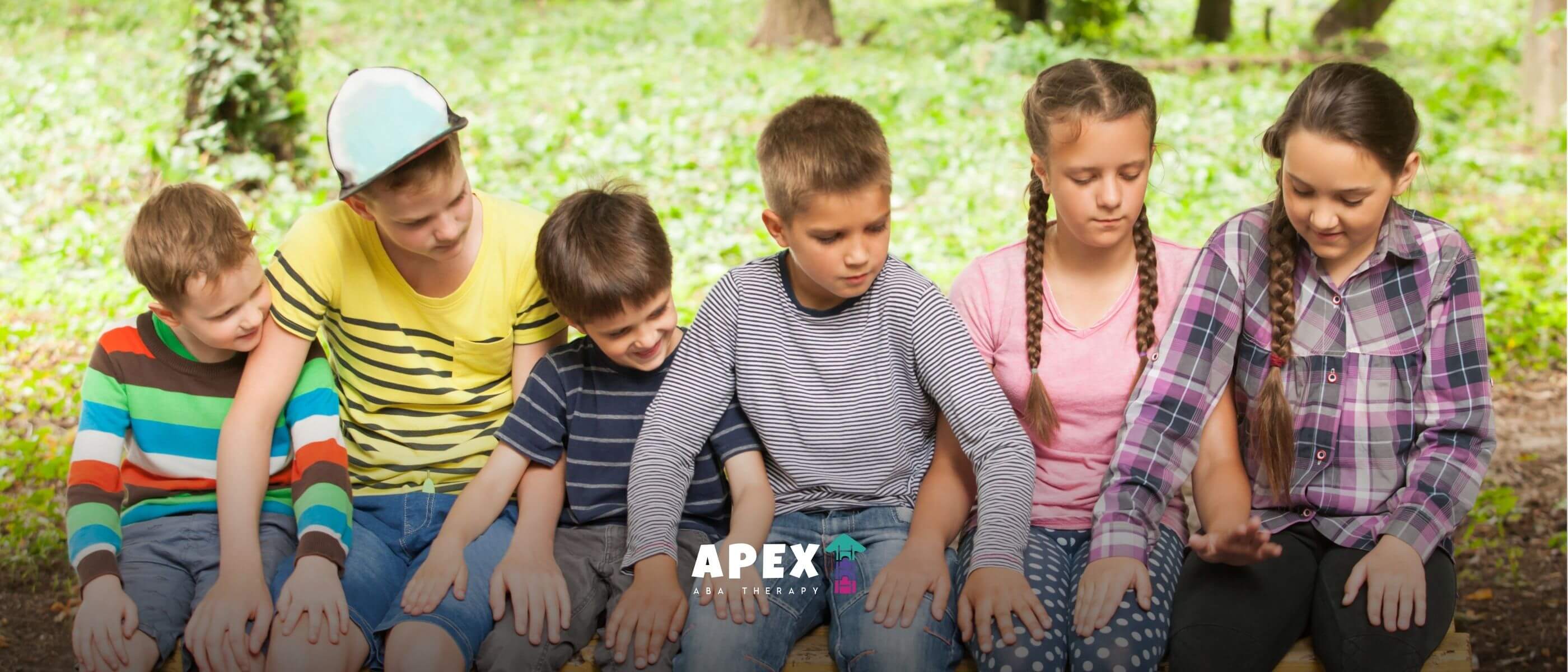
ABA Therapy Enhancing Social Skills: A Key to Improved Communication and Interaction for Children with Autism
How ABA Therapy Helps Children Build Social Skills

Misconceptions About ABA Therapy: Clearing Up the Myths
Common Misconceptions About ABA Therapy | Apex ABA

What Does It Mean to Be “On the Spectrum”?
What Does It Mean to Be on the Autism Spectrum? | Apex ABA
Understanding the Power of Functional Behavior Assessment ABA
Effective ABA Techniques for Behavioral Intervention

Discover How ABA Helps ADHD in Your Child’s Life
How ABA Therapy Helps Children with ADHD | Apex ABA

Life-Changing ABA Therapy Case Studies You Need to Know
Real Success Stories from ABA Therapy Journeys | Apex ABA

Can Children “Outgrow” Autism?
Can Children Outgrow Autism? Understanding the Facts
Is Autism a Mental Illness or a Developmental Disorder?
Mental Illness or Developmental Disorder Explained

Is Autism More Common in Boys Than Girls?
Autism in Boys vs Girls: What the Research Reveals

What is the Difference Between Autism and Sensory Processing Disorder?
Autism vs Sensory Processing Disorder Differences | Apex ABA

What's the Difference Between Autism and Speech Delay?
Autism vs Speech Delay & Key Differences Explained | Apex
ABA Therapy in North Carolina: A Complete Guide for Families
Learn everything about ABA therapy in North Carolina, including services, costs, insurance coverage, and how to choose the best ABA provider in North Carolina.
ABA Therapy vs Preschool: Making the Right Choice Explained
Learn the key differences between ABA therapy and preschool to help you choose the best option for supporting your child’s early learning and development.

Which Personality Type Is Most Likely to Be Autistic?
Which Personality Type Is Most Likely to Be Autistic? | Apex ABA
Why Consistency Matters: What Happens If ABA Therapy Ends Prematurely
What Happens If ABA Therapy Is Stopped Too Early? | Apex ABA

How Can You Gain an Autistic Person’s Attention? Tips for Meaningful Connection
How Can You Gain an Autistic Person’s Attention?
Sensory Sensitivity and Sixth Sense: What Autism Research Shows
Do Autistic People Have Sixth Sense? | Apex ABA
What Happens If Autism Is Left Untreated?
Can Autism Get Worse If Untreated? | Apex ABA

What Not To Do With An Autistic Child: Avoid These 10 Mistakes
What Not To Do With An Autistic Child? | Apex ABA

Coping with Regressive Autism: Tips for Parents
What is Regressive Autism? | Apex ABA

Do Autistic Kids Live with Parents Forever? Here’s the Reality
Do autistic kids live with parents forever? Discover the facts about independence and living arrangements in autism with expert-backed insights.

Red Flags in ABA Therapy: What Parents Must Watch For
What are the red flags in ABA therapy? Learn to identify warning signs for safe, effective autism treatment in this blog.
Can You Go from Level 3 Autism to Level 1? Is It Possible?
Can you go from level 3 autism to level 1? Learn about progress, therapy, and support options with expert help from Apex ABA.

Autism vs Introversion: How to Tell the Difference
Is it autism or just introversion? Learn the key differences and signs with expert insights from Apex ABA.
ABA for Managing Transitions: Tips to Ease Change for Kids
Learn how ABA for managing transitions helps children with autism handle change smoothly.
Understanding the 7 Dimensions of ABA for Better Outcomes
Discover the 7 Dimensions of ABA and how they can lead to better outcomes.

5 Unique Autistic Love Languages You Should Know About
Discover the 5 unique autistic love languages that can enhance your relationships.

Transforming Futures: Improving Lives of Kids with Autism
Discover how innovative strategies are focused on improving lives of kids with autism.

ABA Therapy Techniques for Addressing Repetitive Behaviors in Autism
Harnessing ABA Strategies to Tackle Repetitive Behaviors in Autism

The Role of ABA Therapy in Enhancing Communication Skills
Transforming Communication for Children with Autism Through ABA Therapy

How ABA Therapy Supports Effective Communication in Nonverbal Children
Unlocking Speech Through ABA: Transformative Paths for Nonverbal Children

How to Help Your Child Transfer Skills Learned in ABA Therapy to Real Life
Unlocking Real-World Success for Children in ABA Therapy

How ABA Therapy Helps Children Develop Better Organizational Skills
Empowering Children with ABA Therapy for Enhanced Organizational Skills

The Importance of Creating a Structured Routine in ABA Therapy
How Structured Routines Transform ABA Therapy for Autism

The Role of ABA Therapy in Developing Conflict Resolution Skills
How ABA Therapy Transforms Conflict Resolution Competence

The Importance of Generalization in ABA Therapy for Autism
Unraveling the Role of Generalization in Enhancing ABA Therapy Outcomes

Why ABA Therapy is Crucial for Parents of Children with Autism
The Transformative Impact of ABA Therapy on Families with Autistic Children

How to Involve Parents in the ABA Therapy Process
Maximize Parent Engagement in ABA Therapy for Better Outcomes

What are the Core Principles of ABA Therapy?
Exploring the Cornerstones of Applied Behavior Analysis

Why Communication is Key in ABA Therapy for Autism
The Crucial Role of Communication in ABA Therapy for Autism

Why ABA Therapy Works for Children with Autism Regardless of Severity
Effective ABA Interventions for All Levels of Autism

Why It’s Important to Maintain a Balanced Approach to ABA Therapy
Balancing Effectiveness and Ethics in ABA Therapy

The Role of ABA Therapy in Developing Adaptive Behavior Skills
Exploring How ABA Therapy Transforms Lives

The Benefits of Combining ABA Therapy with Speech Therapy
Maximizing Development with Integrated Therapy Approaches

What to Expect During an ABA Therapy Session
Demystifying ABA Therapy Sessions: A Comprehensive Overview

How ABA Therapy Enhances Cognitive Functioning in Children with Autism
Exploring the Influence of Applied Behavior Analysis on Autism Cognition

How ABA Therapy Helps Children with Autism with Transitions Between Activities
Easing Transitions for Children with Autism: The Role of ABA Therapy

How to Foster Cooperation Between Parents and Therapists in ABA Therapy
Building Effective Partnerships in ABA Therapy

The Role of Positive Reinforcement in ABA Therapy
Exploring the Impact of Positive Reinforcement in Modern ABA Therapy

Why ABA Therapy is Effective for Children of All Ages
Understanding the Reach and Impact of ABA Therapy Across Age Groups

How to Support Your Child’s Emotional Growth with ABA Therapy
Harnessing ABA Therapy for Enhancing Emotional Development in Children with Autism

The Role of ABA Therapy in Enhancing Peer Relationships for Children with Autism
Harnessing ABA Therapy to Boost Social Connections Among Autistic Children

How to Overcome Common Challenges in ABA Therapy
Navigating Hurdles in ABA Therapy: Strategies and Solutions

How to Manage Behavioral Expectations with ABA Therapy
Understanding Applied Behavior Analysis in Behavioral Management

How ABA Therapy Promotes Emotional Regulation in Children with Autism
Unlocking Emotional Balance: ABA Therapy's Role in Autism

How ABA Therapy Improves Social Skills in Children with Autism
Harnessing ABA Therapy to Enhance Social Competency in Autistic Children

The Role of ABA Therapy in Classroom Success for Children with Autism
Harnessing ABA for Academic and Social Growth in Autism

The Importance of Evaluating and Revising ABA Therapy Goals Regularly
Regular Evaluations: The Cornerstone of ABA Therapy Success

How to Choose the Right ABA Therapy Program for Your Child
Finding the Perfect ABA Therapy Fit for Your Child

The Role of Behavior Analysts in Implementing ABA Therapy
Understanding the Vital Contributions of Behavior Analysts in ABA Therapy

The Role of RBTs (Registered Behavior Technicians) in ABA Therapy
A Closer Look at the Essential Work of RBTs in ABA Therapy

What Makes ABA Therapy Effective for Different Learning Styles?
Unraveling the Flexibility and Effectiveness of ABA Therapy

Understanding the Importance of Data Collection in ABA Therapy
The Role of Data in Shaping Effective ABA Therapy

How ABA Therapy Helps with Toilet Training in Children with Autism
Unlocking Independence: ABA's Role in Autism Toilet Training

The Importance of Encouraging Natural Play in ABA Therapy
Revolutionizing ABA Therapy with Natural Play

How to Make the Most of ABA Therapy at Home
Enhancing ABA Therapy Practices Within Your Home

How to Make ABA Therapy Fun and Engaging for Children with Autism
Transforming ABA Therapy into a Fun Learning Journey

The Role of ABA Therapy in Addressing Verbal and Nonverbal Communication in Autism
Enhancing Communication Skills in Autism Through ABA Therapy

Understanding the Role of Family in ABA Therapy for Autism
The Crucial Impact of Family Engagement in Autism Therapy

How to Handle Setbacks and Challenges in ABA Therapy
Navigating Difficulties and Setbacks in ABA Therapy for Children

How ABA Therapy Can Help Children Build Stronger Relationships with Peers
Unpacking the Influence of ABA Therapy on Peer Relationships in Children

Understanding the Concept of Shaping in ABA Therapy
Demystifying Shaping Techniques in Applied Behavior Analysis

How ABA Therapy Enhances Independent Living Skills in Autism
Unlocking Independence: The Role of ABA Therapy in Autism
.jpg)
90+ Reading Statistics, Facts and Demographics
In this article, we will dive into 60 reading statistics that shed light on the importance of reading and its impact on different aspects of life.